





Introduction — Zadar Port Traders: How to Read Prices Like a Local
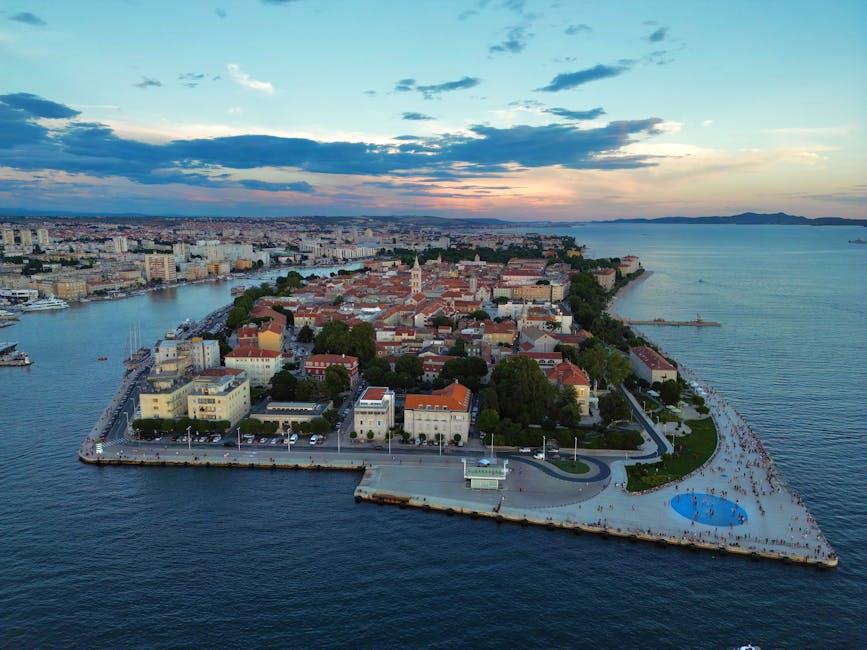
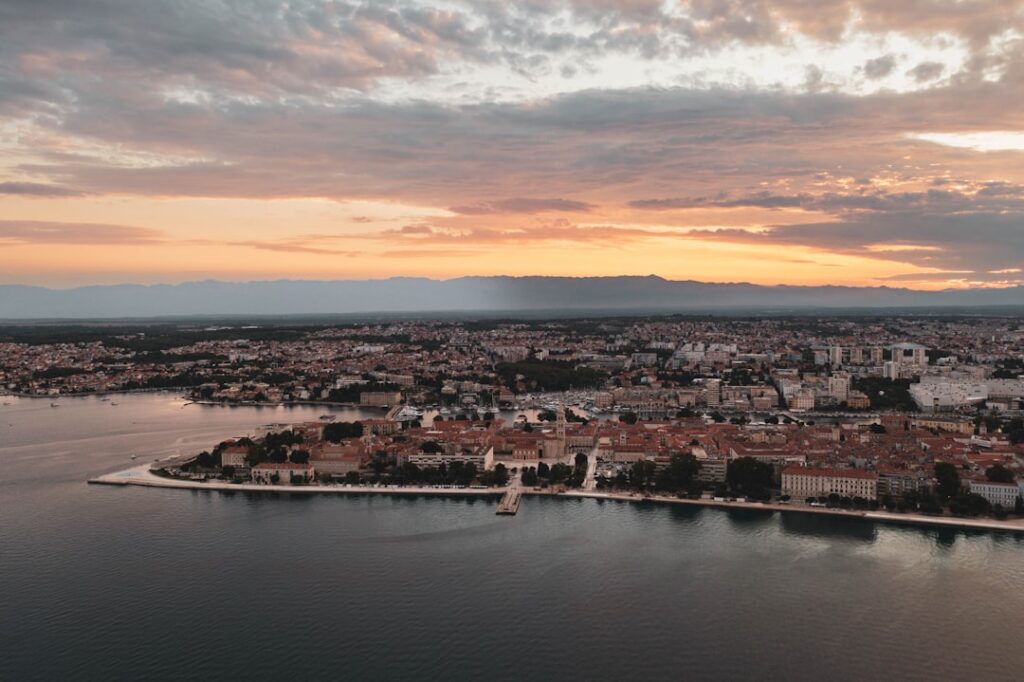
Zadar, an Adriatic gem in Dalmatia, has long drawn sailors, merchants and travelers. Its historic port, lined by the Riva (the main promenade) and the old town, is still a living stage where seafood, fruit, souvenirs and tourist services are traded. Knowing how to read prices correctly at Zadar’s harbor isn’t just about saving money: it’s a key to understanding local culture, avoiding misunderstandings and enjoying honest, tasty purchases. This practical, immersive guide walks you through how to interpret labels, understand units (kg, piece, portion), spot hidden extras, negotiate politely and check opening times and payment methods.
The port of Zadar is made up of several distinct but adjacent areas: Zadar’s Riva (Obala kralja Petra Krešimira IV), the fish market (Ribarnica / Fish Market) near the main quay, the fruit and veg stalls of the Tržnica (market), the craft shops in the historic lanes and the ticket desks of shipping companies like Jadrolinija at the Ferry Port. Each space has its own pricing codes: at the fish market prices are often shown per kilogram and can vary by fish size; along the promenade restaurants sometimes list prices “per piece” or “per portion,” and boat trips offer flat rates or per-person fares. Spotting these differences will save you surprises at the till and improve your experience.
In this guide you’ll find full addresses, realistic opening hours, example prices in euros and practical local tips — how to read a label saying « cijena/kg », how to ask where a product came from, when to insist on an invoice and how to tell if something was weighed correctly. We also give concrete recommendations for places in the port: the fish market near the Riva (Ribarnica Zadar), the Tržnica (Central Market), the Ferry Port / Trajektna luka Zadar (if you’re catching a boat to the islands), plus a few fishmongers and restaurants where you can observe these practices. This guide is for travelers who want to buy smart, taste without getting ripped off and understand the logic of Zadar’s port traders.
We start with the basics: how to read the formality of labels (cijena = price), common abbreviations (kg, kom = piece), and how to tell apart prices aimed at locals from those targeted at « tourists. » Then we break down real cases — fish, fruit, souvenirs, cafés and boat trips — with addresses, opening hours and indicative prices in euros, finishing with practical tips on bargaining and secure payment. Get ready to read prices like a Zadar port trader: clear, pragmatic and always attentive to detail.
1) Reading prices at the fish market (Ribarnica) and understanding the units
The fish market (Ribarnica) at Zadar’s port is a sensory place: salty smells, gleaming displays of freshly caught fish and lively chatter between fishers and buyers. The most common label reads « cijena/kg » (price per kilogram). Useful address: Ribarnica Zadar – Obala kralja Petra Krešimira IV 3, 23000 Zadar. Typical hours: Monday to Saturday 06:00–13:00, closed on Sundays (hours may vary by season and catch). 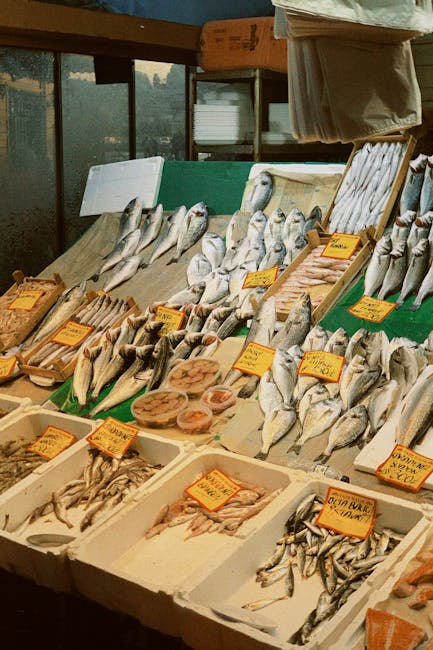
Here’s how to read a typical tag: a sign might say « Orada 14 €/kg » or « Brancin 18 €/kg. » Orada = gilthead seabream, Brancin = sea bass. If you see « kom » or « komad », that means « per piece » (for example, a squid might be sold « 3 €/kom »). Always account for size: a fish priced at « 18 €/kg » that weighs 0.5 kg will cost you €9 for the whole fish. Ask the seller to weigh it in front of you on a visible scale — that’s common local practice.
Indicative prices (summer, port market): Orada (gilthead seabream) €12–18/kg, Brancin (sea bass) €14–22/kg, Sardines €6–10/kg, Whole squid €10–16/kg, Mussels €4–7/kg. These ranges reflect variation by size and freshness. Concrete example: at a fishmonger on the Riva, a customer paid €12.50 for an orada of 0.85 kg (12 €/kg displayed, so €10.20 + €2.30 for filleting — cutting is often charged €1–3).
Local tips:
- Ask where it was caught: « Gdje je ulov? » (Where was it caught?) — the fisher will tell you if it’s from the « Jadran » (Adriatic) or imported.
- Check the scales: a visible, modern scale is a sign of transparency. If the seller wants to weigh out of sight, refuse or insist on a visible weighing.
- Cleaning and filleting: often charged €1–4 depending on the work. Ask for « oljuštiti/filirati » (to clean/fillet) and the price beforehand.
- Decline paid plastic bags: some vendors charge for bags — bring a reusable bag.
2) Fruit, vegetables and the Tržnica: reading labels and seasonal prices
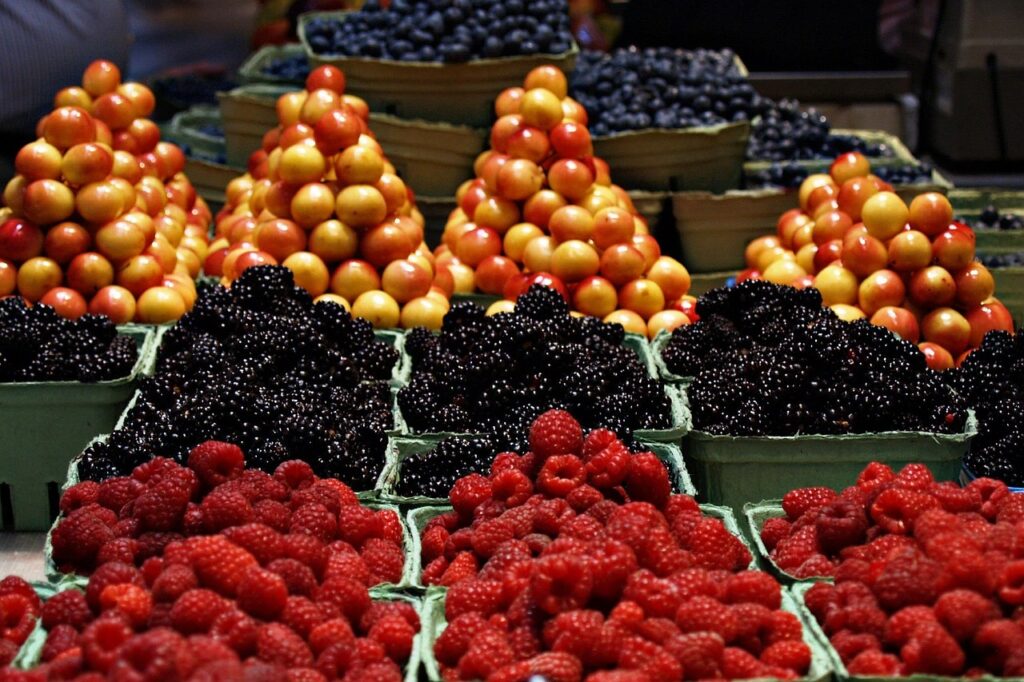
Zadar’s Tržnica (Central Market) is just steps from the waterfront. Useful address: Tržnica Zadar – Ulica Mihovila Pavlinovića 7, 23000 Zadar. Hours: Monday to Saturday 07:00–14:00, some stalls open until 18:00 in high season; closed Sunday. Prices here are highly seasonal — summer brings cheap tomatoes, melons and figs, while winter favors citrus and root vegetables. 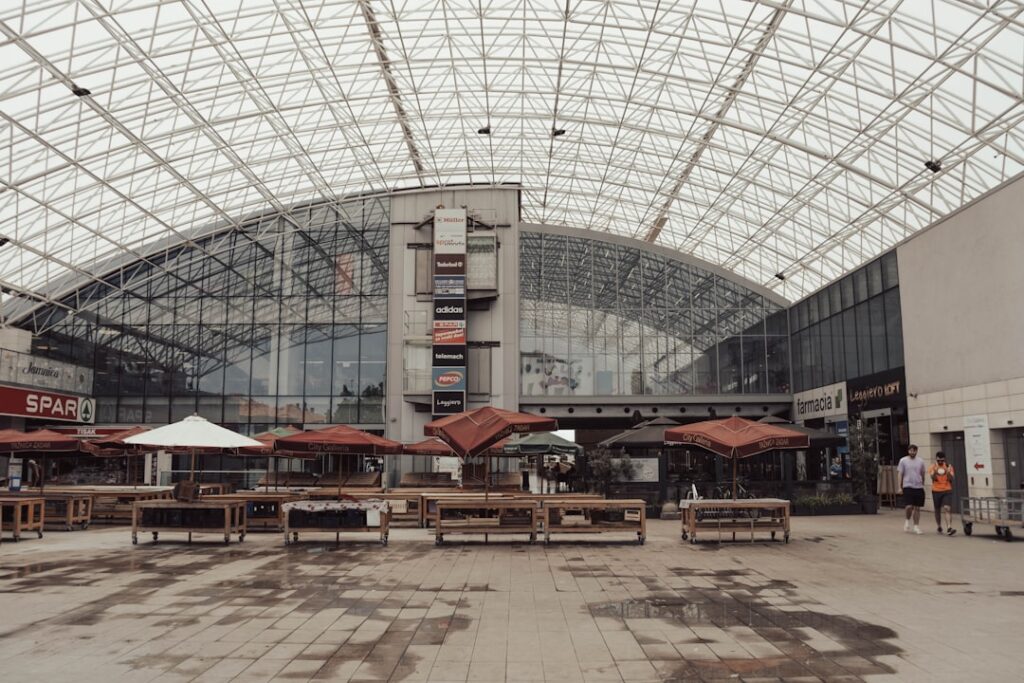
Labels usually show « €/kg » for most items but you’ll sometimes see « €/kom » for things like whole melons or figs sold by the piece. Example summer prices: tomatoes €1.50–3.00/kg, melons €1.80–4.00 each depending on size, peaches €2.50–4.50/kg, figs €8–12/kg (rarer and pricier). Herbs and small berry containers are often sold « per bunch »: €0.50–2.00.
How to read and negotiate:
- Visible weighing: insist on the weight being shown. Honest stalls use a digital scale displaying the total price.
- Small purchases: if you’re buying only a little, expect some rounding up — say « samo malo » (just a little) and ask for the exact weight.
- Late market: near late morning, remaining produce is often discounted. Ask: « Ima li popusta? » (Is there a discount?).
- Cleaning/peeling: rarely charged here, though some sellers may do it for free if you buy more.
Purchase example: 1.5 kg of tomatoes at €2/kg = €3.00. If the seller rounds up to €3.50, offer €3.20 and watch the reaction — often they’ll accept or throw in a small bunch of herbs.
3) Cafés, Riva restaurants and reading menus: prices, portions and extras
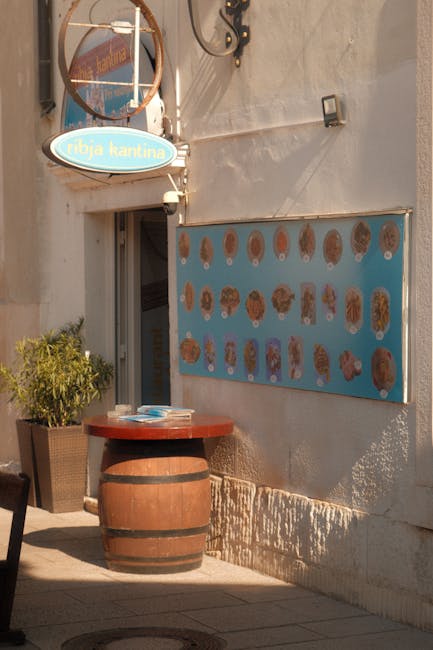
The Riva promenade is lined with cafés and restaurants and is very popular. Examples: Cafe Bar Forum – Ul. Zadarskih Biskupa 2, 23000 Zadar (open 07:00–01:00), Restaurant Pet Bunara – Ul. Petra Zoranića 18, 23000 Zadar (open 12:00–23:00). Hours vary by season. Menus may list « piece » (per item), « portion » (porcija) or « per 100 g ». 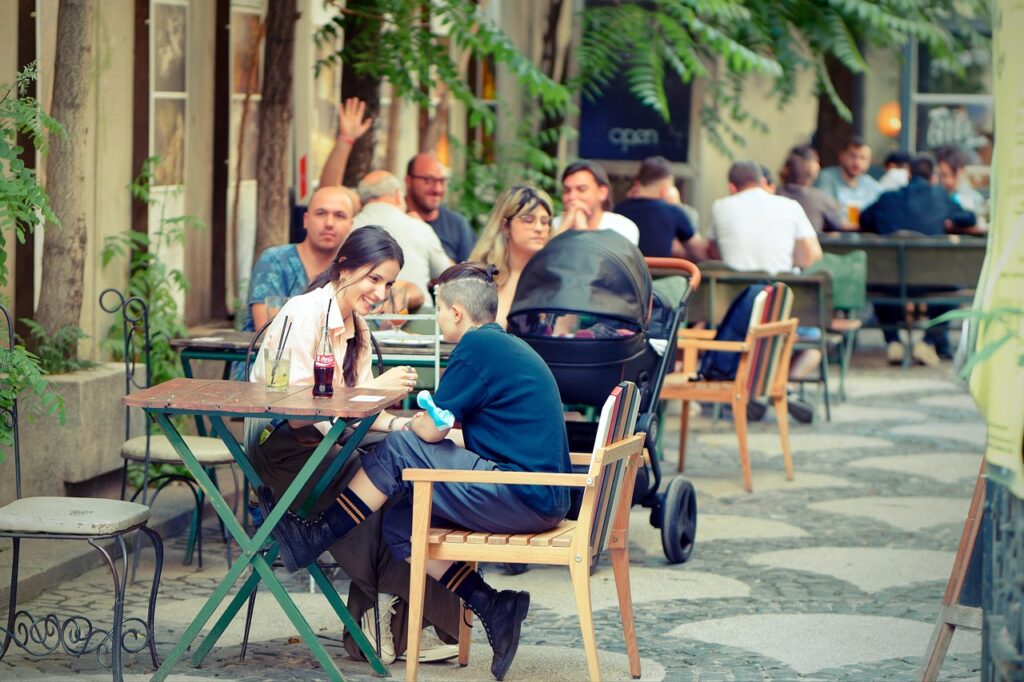
How to read a port menu correctly:
- Porcija: portion. Example: a grilled fish entry might say « Brancin – 18 €/porcija » — meaning price per served portion, often about 250–350 g of ready-to-eat fillet.
- €/100 g: sometimes used for grilled seafood. If the menu lists « školjke 3 €/100 g », 300 g costs €9.
- Extras: bread, salad, sauces or special cooking requests may be charged extra — check the small print: « dodatno » or « napomena. »
- Cover charge: some places add a « cover » (plometak) of €1–3 per person; it should be clearly displayed (« usluga 1,50 € »).
Sample prices (Riva, summer): espresso €1.20–2.50, cappuccino €2.00–3.50, grilled fish dish (porcija) €12–28, Dalmatian salad €6–12, fried calamari portion €10–16. A full meal for two with a mid-range wine usually costs €40–70 on a terrace facing the port.
Tips:
- Check VAT display: menus should state whether prices include VAT (PDV). If the bill is higher, ask for the breakdown.
- Cash or card: small terraces prefer euros in cash, but most accept cards. If there’s a card fee, ask « postoji li dodatna provizija? » (is there an extra commission?).
- Service included? if service is charged separately it should be listed. If it isn’t mentioned, ask the server.
4) Souvenirs, craft shops and tourist stalls: fixed prices and bargaining room
Around the port and in the lanes near the Roman Forum, shops sell crafts, magnets, olive oils and local liqueurs. Example: Concept Store Zadar – Ul. Jurja Barakovića 11, 23000 Zadar (open 09:00–20:00). Prices in official shops are usually fixed (shown in €). However, on small street stalls, especially outside established stores, there’s often some wiggle room. 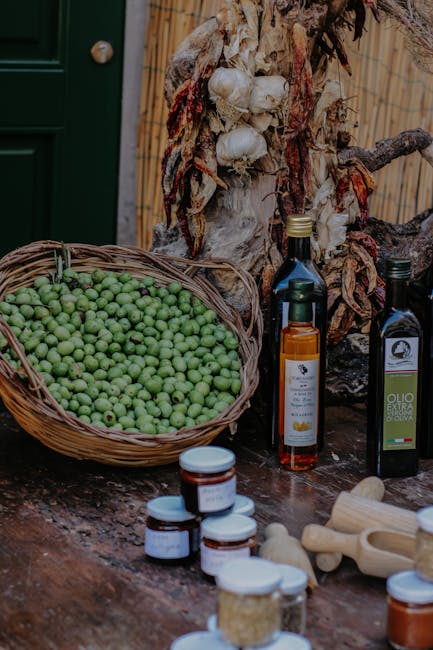
Reading prices:
- Displayed price: if an item has a clear price tag (e.g. €12.50), that’s the price to pay. Seaside vendors often show rounded prices for tourists (5 €, 10 €, 20 €).
- Quantity discount: for multiple buys (e.g. 500 ml olive oil at €15 each), you can offer a reduced price for 3 bottles (« tri za 40 € »). Artisans often accept a small discount.
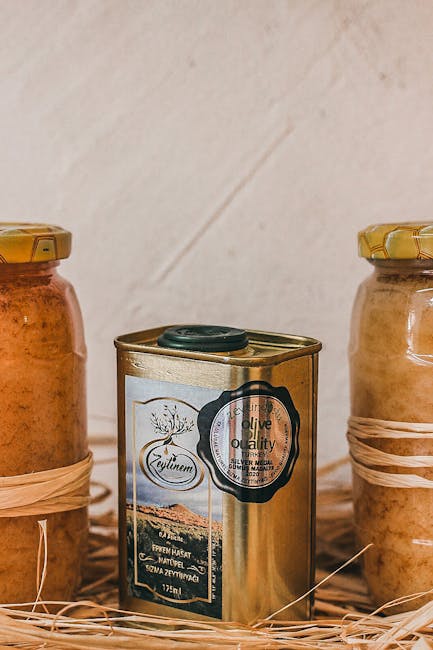
- Origin: for olive oil or sea salt, ask to see the production label. Genuine local products often justify a higher price.
Indicative prices: magnet €2–5, small bottle of olive oil (250 ml) €6–15, olive-oil soap €3–6, bottle of Maraschino (Zadar liqueur) €12–25 depending on producer. Check origin labeling (PDO/PGI) for premium products.
Local tips:
- Compare: browse 2–3 shops before buying.
- Watch for fakes: if a price seems too good to be true, quality may be poor.
- Ask for a receipt: for valuable purchases (oil, spirits), insist on a receipt (« račun ») — useful for returns or disputes.
5) Boat trips, ferries and reading port fares
Zadar’s port is a hub for ferries and island excursions. Ferry terminal address: Jadrolinija Ferry Port Zadar – Obala kneza Trpimira 9, 23000 Zadar (ticket office hours 06:00–20:00, crossing times vary by destination). 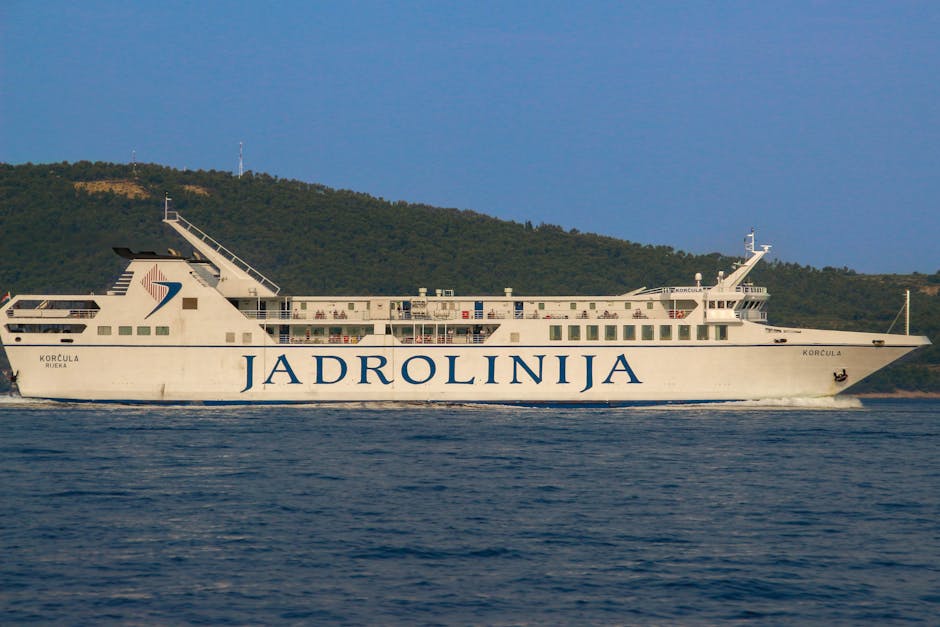
How to read an excursion fare:
- Per person vs flat rate: tourist trips often list « € per person » (par osoba) while boat rentals may be « € per boat per day. » Comparing these formats is essential: a private rental can look expensive (e.g. €350/day) but can be split between 6–8 people.
- Duration and inclusions: check what’s included: fuel, skipper, drinks. For example, a half-day trip to the Kornati islands might cost €45–75/person (sometimes including a light meal), while a private rental of a small boat (without skipper) could be €120–180/day.
- Ferry tickets: standard fares (Zadar–Ugljan/Pašman): €3–6 per passenger per trip, additional car €10–30 depending on season and distance. Book in high season. Companies post fares and timetables at the ticket office.
Concrete example: a 4-hour boat trip to nearby islands and coves might be listed at €55/person, including non-alcoholic drinks. If you want lunch onboard, expect an extra €10–20/person. For a private rental of a 5-meter boat without skipper, count on €120–200/day (fuel not included).
Tips:
- Compare operators: two companies side by side can show €10–20 differences for seemingly similar services.
- Ask for a written itinerary: to avoid surprises, get the route and list of inclusions in writing.
- Payment: excursions often accept euros in cash and cards, but small operators prefer cash.
Conclusion — Mastering prices at Zadar port so you can shop smart and travel with peace of mind
Learning to read prices at Zadar’s port is a hands-on skill: it combines recognizing units (€/kg, €/100 g, €/porcija), attention to detail (visible weighing, cleaning fees, service included) and local common sense (asking questions, checking origin, insisting on a receipt). While strolling the Riva, visiting Ribarnica, or boarding a ferry, remember that listed prices are reference points — some are fixed, others negotiable. The useful addresses mentioned in this guide (Ribarnica Zadar – Obala kralja Petra Krešimira IV 3, Tržnica Zadar – Ulica Mihovila Pavlinovića 7, Jadrolinija Ferry Port – Obala kneza Trpimira 9) are good starting spots to see these practices in action.
The practical tips we’ve outlined — check the scale, ask for origin labels, compare a few shops, demand a receipt, know the hours (markets early morning, shops open later in tourist season) — will help you avoid misunderstandings and make more authentic purchases. Ultimately, the best approach mixes curiosity (ask questions in English or some basic Croatian), respect (negotiate courteously) and observation (watch how locals shop).
Zadar’s port is a lively stage: smell, taste, ask and learn. Prices vary by season, product size and origin, but with this guide you’ll now read labels like a trader: without surprises, with confidence and often with pleasure. Enjoy the sea air, buy local and leave a few euros to support the fishers and artisans who make the port so rich.