




Zadar Year-Round: Monthly Weather, Rain & Best Things to Do
Introduction
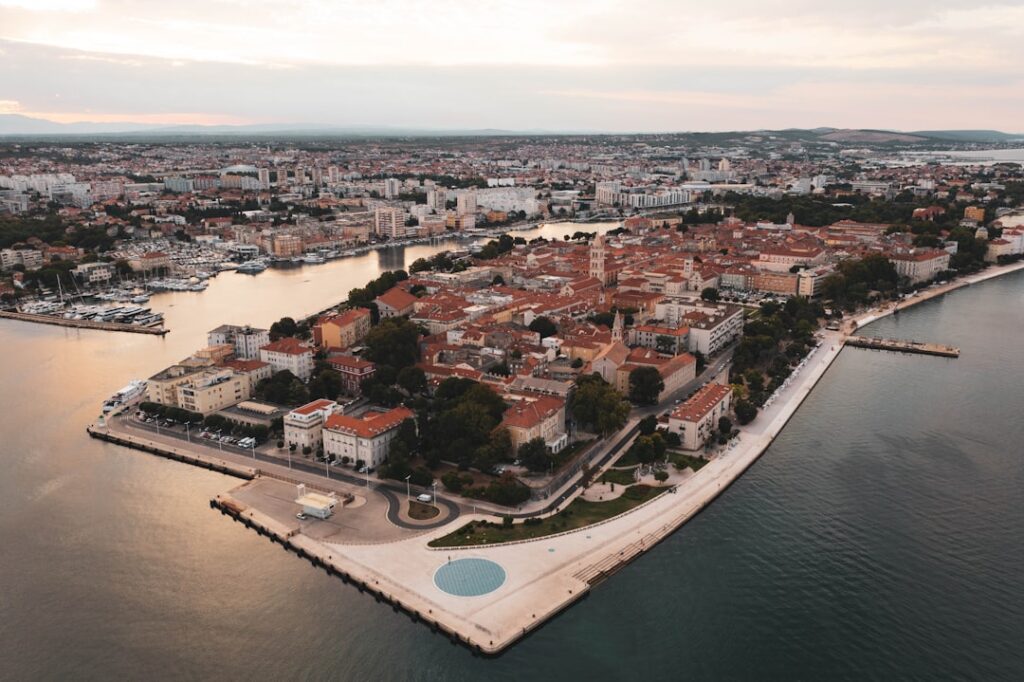
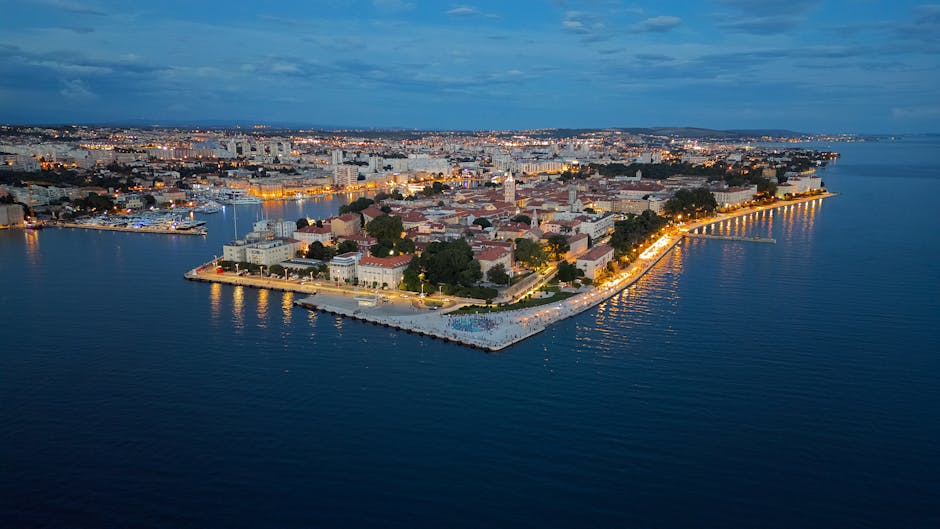
Zadar, a historic port city in northern Dalmatia, Croatia, is a destination you can enjoy any time of year thanks to its mild Mediterranean climate, ancient lanes and sweeping sea views. Perched on a peninsula, it blends Roman and Venetian heritage with contemporary art and salty sea air. In this “Zadar in 12 months” guide we break down each month’s average temperatures, expected rainfall and recommended activities — with addresses, opening hours and indicative prices — to help you plan the perfect visit.
The high season in Zadar runs from June through August: clear skies, daytime temperatures often topping 30 °C, and the Adriatic warmed up for swimming. April, May, September and October offer a great compromise: pleasant weather, fewer crowds and colorful scenery. Winter (December to February) is cool and wetter, but ideal for museum visits, cozy cafés, local markets and quiet walks away from the crowds.
This detailed guide is split into 12 sections — one for each month — to help you optimize your trip according to weather and events. For every month you’ll find: average temperatures (day/night), rainfall (mm and approximate rainy days), recommended outdoor activities (swimming, sailing, coastal hikes), cultural visits (museums, monuments), popular day trips (Kornati Islands, Plitvice Lakes National Park), plus practical local tips, exact addresses and prices in euros where available. Opening hours are representative and may change seasonally; always double-check official sites or call ahead.
You’ll also get practical pointers like how to reach Zadar (Zračna luka Zadar Airport, Address: Put Bokanjca 88D, 23000 Zadar), ferry and bus fares, and restaurant and café suggestions to try pogača, štrukli or fresh seafood. Each month includes advice on avoiding crowds or coping with fickle weather (what to pack, indoor activities). The monthly format helps you pinpoint the best time for your priorities — lounging, cultural discovery or outdoor adventure — and adjust bookings accordingly.
1. January — Crisp, quiet and museum-friendly
Average temperatures: 6 °C daytime / 1 °C nighttime. Rainfall: around 60 mm (8–10 days of rain/snow). January is the calmest month in Zadar: few tourists, lower accommodation prices and an authentic local atmosphere. It’s the perfect time to explore museums and monuments without queues.
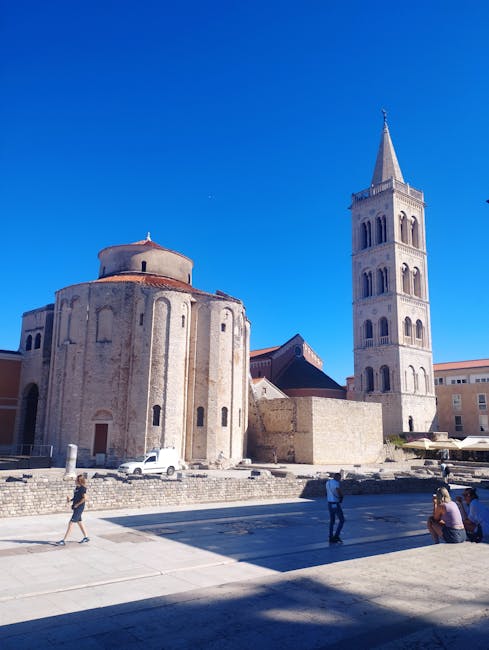
Recommended activities: visit the Archaeological Museum of Zadar (Apsyrtus street / Trg opatice Čike 1, 23000 Zadar). Admission: around €6; winter opening hours: Tuesday–Sunday 09:00–16:00, closed Monday. For a historical panorama, don’t miss the round Church of St. Donatus (Crkva sv. Donata) at the Forum (Address: Trg Petra Zoranića 2, 23000 Zadar) — entry is free or you can leave a small donation.
Local tips: bring a warm, windproof jacket — the bura (northeast wind) can make the coast feel very brisk. Restaurants like Pet Bunara (Five Wells Square / Trg Pet Bunara 5, 23000 Zadar) serve comforting dishes; mains roughly €8–15.
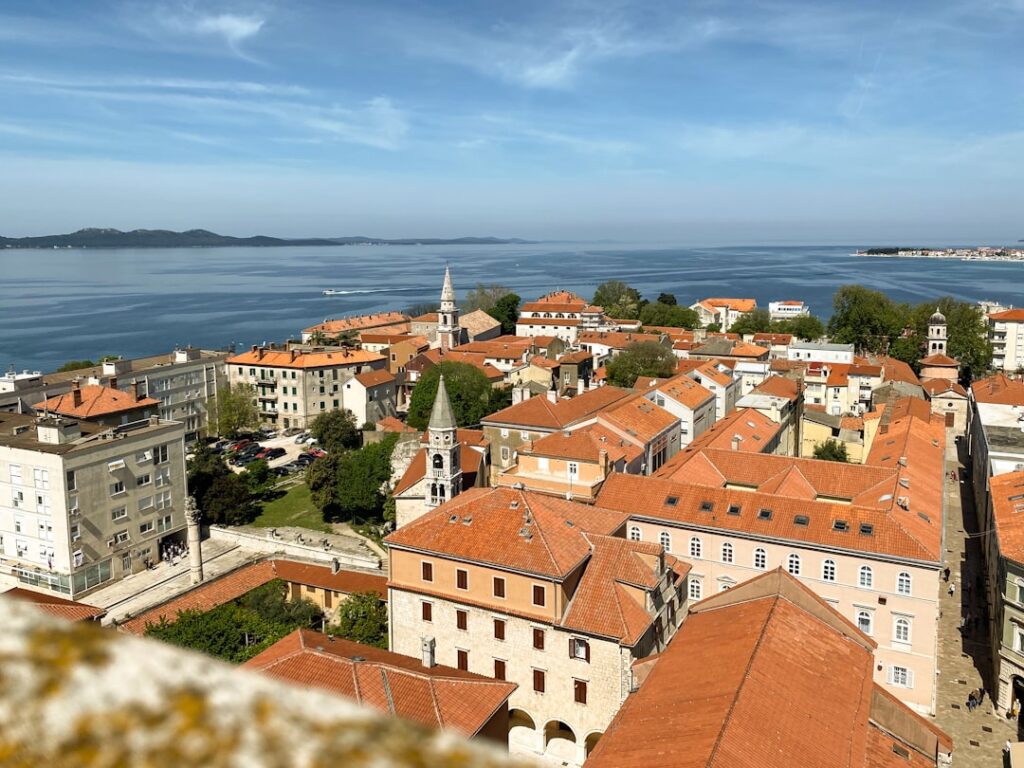
2. February — Tides and cozy cafés
Average temperatures: 7 °C daytime / 2 °C nighttime. Rainfall: ≈ 55–65 mm (7–9 days). February keeps a wintery feel, but the cafés and local breweries more than make up for it: expect friendly atmospheres, Dalmatian wines and local pastries.
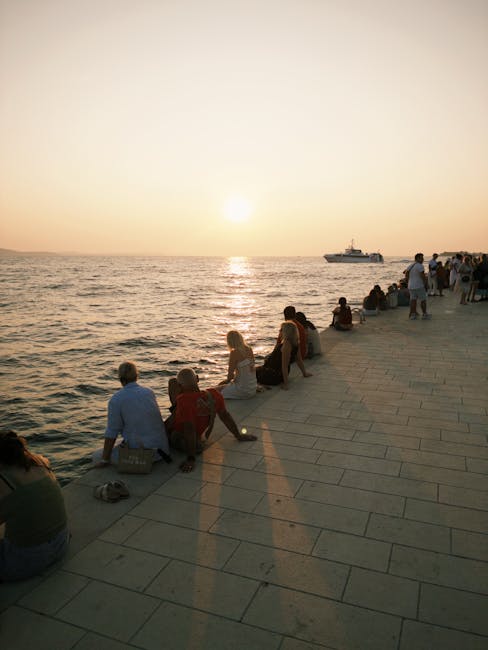
Things to do: stroll the Zadar Riva (Waterfront promenade, Obala Kneza Trpimira 6, 23000 Zadar), listen to the waves and visit the Sea Organ (Morske orgulje) — a free installation open 24/7. Museums such as the Museum of Antiquity (Address: Trg Franje Tuđmana 4, 23000 Zadar) often host temporary exhibitions.
Practical tip: if it’s pouring, head to the Museum of Illusions Zadar (Poljana Šime Budinića 2, 23000 Zadar). Adult tickets ≈ €10–12. For seafood, try Restaurant Kornat (Address: Ul. Jurja Barakovića 1, 23000 Zadar) — mains €12–25.
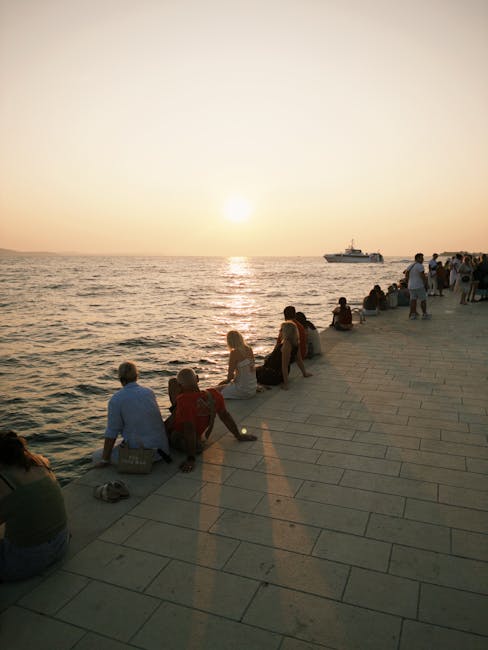
3. March — First blooms and coastal walks
Average temperatures: 11 °C daytime / 5 °C nighttime. Rainfall: ≈ 60 mm (7–8 days). March brings new growth and pleasant temperatures for long walks. It’s a great month for photographers and hikers looking to dodge summer crowds.
Outdoor activities: walk to Pozdrav Suncu (Greeting to the Sun) on the Riva (Obala kneza Trpimira), a circular solar installation that lights up at night. Recommended day trip: Telašćica Nature Park and the Kornati Islands archipelago from Zadar port (ferry operator: Jadrolinija or private tours). Ferry/boat trip prices: €25–50 depending on the route; spring departures are frequent — check with the Port Authority Zadar.
Local tip: head to Five Wells Square (Trg Pet Bunara) and browse the farmers’ market for local cheese and olive oil. Small shops generally open 08:00–19:00 on weekdays, with some closed on Sunday mornings.

4. April — Mild weather and cultural festivals
Average temperatures: 15 °C daytime / 8 °C nighttime. Rainfall: ≈ 50 mm (6–7 days). April offers springlike weather, perfect for mixing cultural outings with walks. Cafés open their terraces and some local festivals begin.
Must-sees: Kazemat (old town fortified tunnels) for an immersive visit, address: Ulica Šime Budinića 1, 23000 Zadar — tickets ≈ €4–6, hours vary (often 10:00–18:00). Visit the Rector’s Palace / Kneževa palača for temporary exhibitions in the Old Town. For modern art vibes, stroll between the Sea Organ and the Greeting to the Sun at night — it’s magical.
Practical tips: bring a light waterproof jacket and walking shoes. Ferries to the islands pick up pace again; book ahead for high season. Recommended evening spot: Proto Food & More (Address: Ulica kraljice Jelene 9, Zadar), mains €10–20.
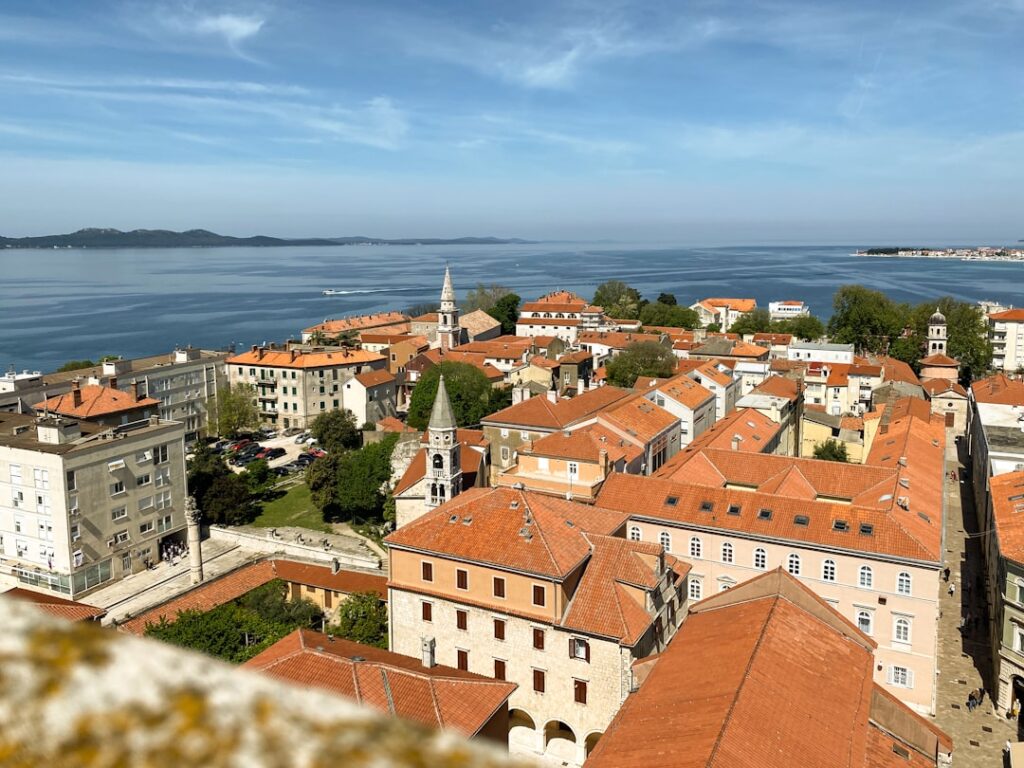
5. May — Warming sea and first swims
Average temperatures: 20 °C daytime / 12 °C nighttime. Rainfall: ≈ 40–50 mm (5–6 days). May is an excellent month for late swims and sailing: the water starts to feel comfortable and sunny days grow longer.
Water activities: rent a kayak or paddleboard along the Riva (approx. €10–20 / hour), boat trips to the islands of Ugljan and Pašman (ferry or private tours: €10–30). Book a day trip to the Plitvice Lakes National Park if you want to pair sea and nature (day trips €35–65, morning departures from Zadar).
Local tip: for swimming, head to the Punta Bajlo peninsula beaches and Borik (free access). Attraction opening hours are extended; check availability for sites like the Cathedral of St. Anastasia (Address: Trg Pet Bunara 4, 23000 Zadar) for guided tours.
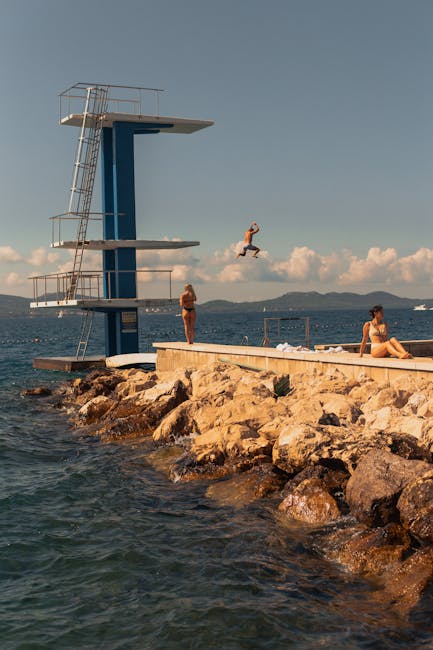
6. June — Full summer and city festivals
Average temperatures: 26–28 °C daytime / 17–19 °C nighttime. Rainfall: low, ≈ 25–35 mm (3–4 days). June officially kicks off high season. Expect sunny days, lively markets and a packed cultural calendar (concerts, outdoor theatre).
Highlights: catch a sunset concert near the Sea Organ, visit the Arsenal Zadar (exhibitions and events), and take a day trip to the Kornati Islands National Park (tours €35–80 depending on options). For diving, local clubs offer beginner experiences and trips (approx. €40–80).
Practical tips: book accommodation and boats well in advance. Tourist-season restaurant prices rise: mains €15–30. Museum summer hours often extend to 09:00–19:00 or 10:00–20:00.
7. July — Heat, beaches and lively evenings
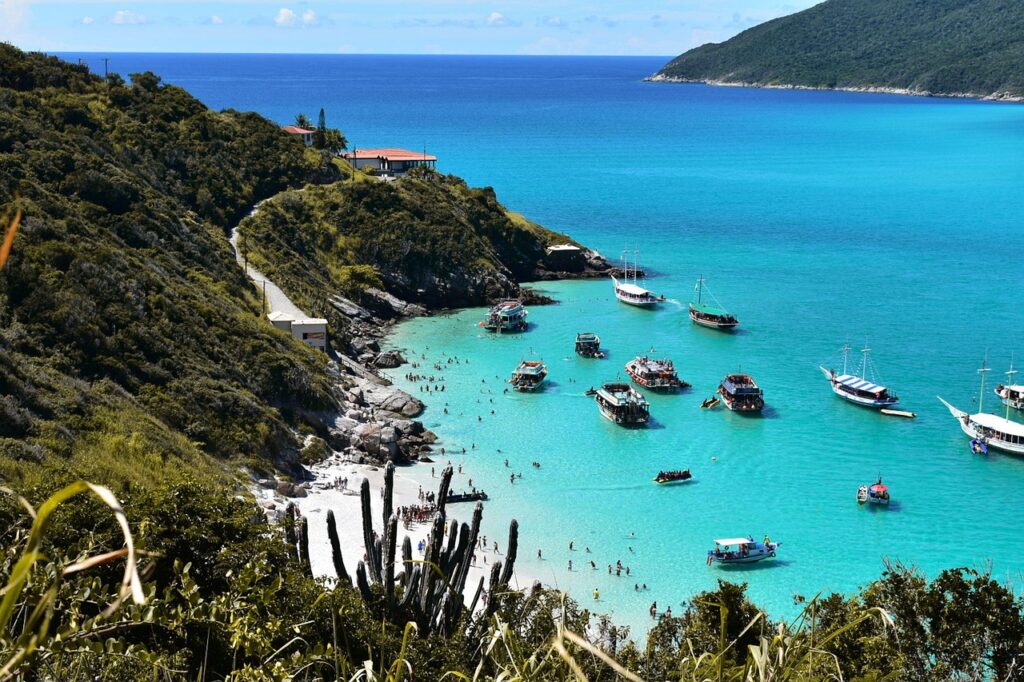
Average temperatures: 30–32 °C daytime / 20–23 °C nighttime. Rainfall: very low, ≈ 20–30 mm (2–4 days). July is the peak month: crowded beaches, international festivals and buzzing nightlife. Ideal for swimmers and watersports fans.
Activities: sunbathe at Punta Bajlo or Borik, go diving, or book a sunset catamaran cruise (about €25–50). For nightlife, head to seaside bars like Ledana Lounge Bar (Obala kneza Trpimira 8, Zadar) for cocktails and DJs; cover varies €0–10 depending on the event.
Local tips: bring strong sunscreen, a hat and a refillable water bottle. Plan monument visits for the cooler mornings to avoid the heat. Ferry services run at peak frequency; buy round-trip tickets in shops or online (Jadrolinija).
8. August — High summer vibes and sea excursions
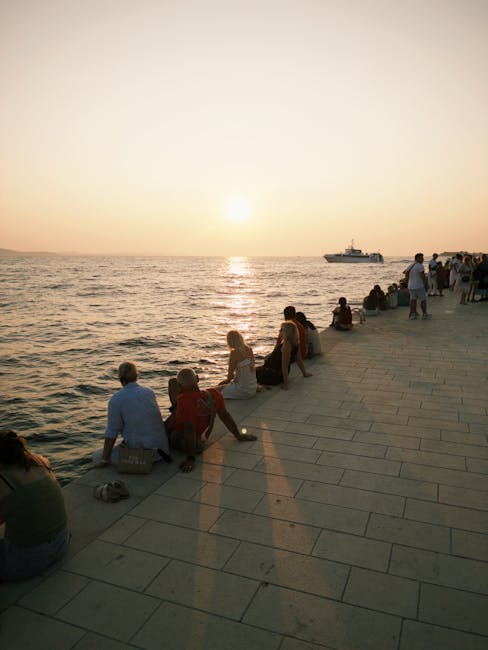
Average temperatures: 30 °C daytime / 21 °C nighttime. Rainfall: very low. August mirrors July: long sunny days, cultural events and beach time. It’s also wedding season and there may be private events that temporarily close certain venues.
Recommended excursions: snorkeling around the archipelago, a private trip to Pag island to sample Paški sir (Pag cheese) — cheesery visits and tastings ≈ €10–20. Be sure to reserve transport and seaside dinner tables in advance (popular restaurants: Pet Bunara, Fosa in Zadar Old Town).
Weather tip: the sea is warm, but avoid the hottest hours for strenuous activities. Night markets and street festivals give a lively local experience.
9. September — Mild temps and still-warm sea
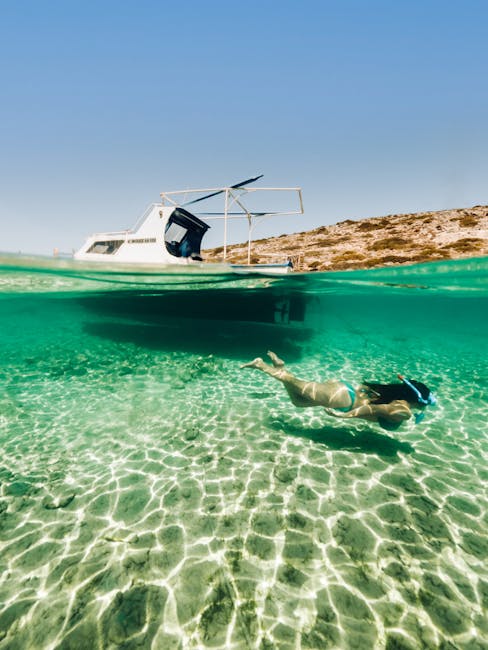
Average temperatures: 25 °C daytime / 16 °C nighttime. Rainfall: ≈ 40–50 mm (5–6 days). Many consider September the best month to visit: warm water, fewer crowds and cooler evenings.
To do: swim, sea-kayak between small coves, and take a guided tour of the City Museum of Zadar (Address: Trg tri bunara 1, 23000 Zadar) to learn local history. Museum prices: €4–8 depending on the site. Day trips to parks and islands remain available but are less crowded.
Local tip: take advantage of off-season rates on accommodation and boat rentals. Opening hours move back to autumn schedules; double-check for rural attractions.
10. October — Autumn colors and coastal hikes
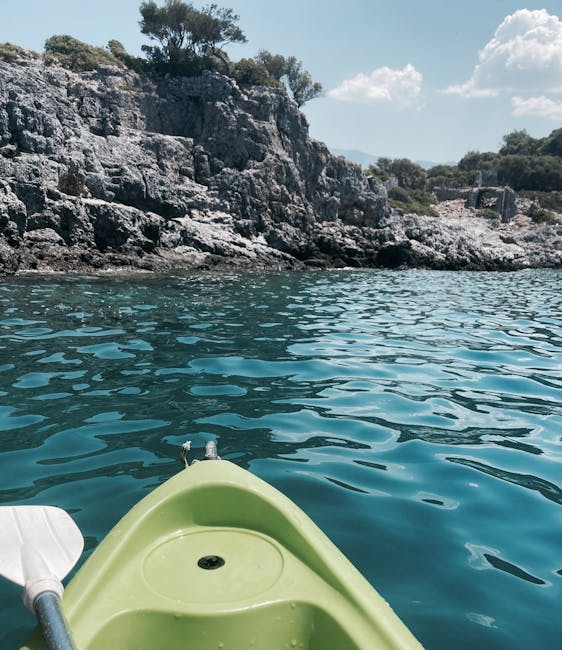
Average temperatures: 18–20 °C daytime / 12 °C nighttime. Rainfall: ≈ 60–75 mm (7–9 days). October brings pleasant walking weather for exploring coasts and nearby hills. It’s a fantastic month for landscape photography.
Activities: hike in the Velebit Nature Park (transfers from Zadar; organized hikes €30–60), enjoy olive oil tastings and visit local estates. The market still offers fresh produce: fish, vegetables and Dalmatian wines.
Practical advice: pack a windproof jacket and layers for cooler evenings. Ferry frequencies slow down from late October. Book trips and transfers if you plan to visit national parks.
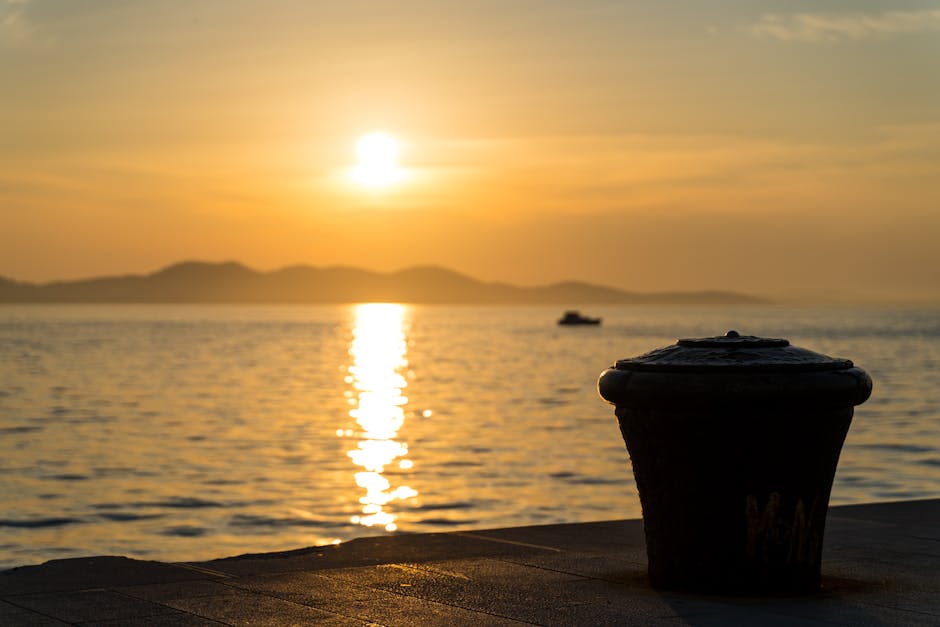
11. November — Grey skies, culture and intimate cafés
Average temperatures: 12–14 °C daytime / 7 °C nighttime. Rainfall: ≈ 80 mm (9–11 days). November is one of the wettest months outside of winter; it’s an ideal time to dive into museums, galleries and historic cafés.
Recommended visits: the Archaeological Museum of Zadar, the City Museum, and temporary exhibitions at the Arsenal. Restaurants serve hearty stews and local wines. Typical restaurant prices: starters €5–8, mains €10–18 depending on the venue.
Local tip: check reduced opening hours for attractions and transport availability to the islands. Take advantage of off-season deals on hotels and guided tours.
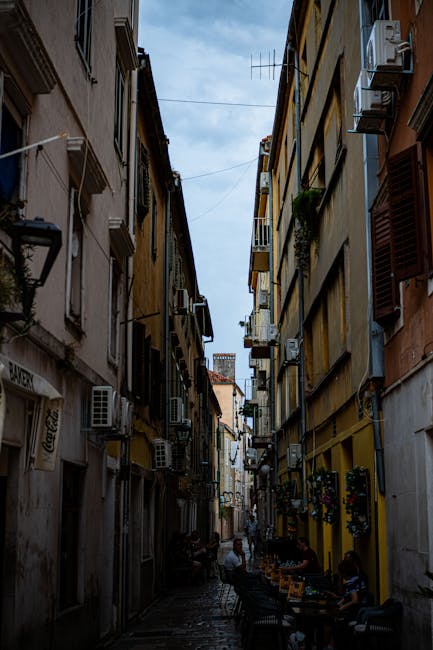
12. December — Christmas markets and brisk walks
Average temperatures: 8–10 °C daytime / 3–5 °C nighttime. Rainfall: ≈ 70–85 mm (8–10 days). December combines festive markets with a cold sea. The Old Town atmosphere is seasonal and perfect for a calm year-end break with Dalmatian charm.
Things to do: wander the illuminated Riva, visit the Cathedral of St. Anastasia and the Church of St. Donatus, and sample mulled wine and seasonal specialties. Many restaurants and cafés stay open throughout the day; typical hours 08:00–23:00.
Travel tips: pack a warm coat and an umbrella. If flying in, Zadar Airport (Zračna luka Zadar, Put Bokanjca 88D, 23000 Zadar) has regular European connections; taxi transfers to the center ≈ €10–15.
Conclusion
In short, Zadar is a year-round destination — each month reveals a different side: quiet winters for museums and local markets, and lively summers full of beaches and sea trips. May, September and October are often recommended for a balanced mix of pleasant weather and lighter crowds. When planning, keep these points in mind: book ferries and excursions early (Kornati, Telašćica, Plitvice), check seasonal museum hours (Archaeological Museum of Zadar, Museum of Illusions, City Museum), and pack for the bura wind and cool evenings even in summer.
Practical addresses recap:
- Sea Organ (Morske orgulje) — Obala kneza Trpimira 6, 23000 Zadar — free, open 24h.
- Pozdrav Suncu (Greeting to the Sun) — Obala kneza Trpimira, 23000 Zadar — public installation, free.
- Archaeological Museum of Zadar — Trg opatice Čike 1, 23000 Zadar — ticket ≈ €6, hours vary (09:00–16:00 winter).
- Museum of Illusions Zadar — Poljana Šime Budinića 2, 23000 Zadar — ticket ≈ €10–12, generally open 10:00–19:00.
- Zadar Airport (Zračna luka Zadar) — Put Bokanjca 88D, 23000 Zadar — taxis ≈ €10–15 to the center.
Finally, match your expectations to the season: book water activities in summer, cultural visits in winter, and enjoy the shoulder months for a more authentic, less touristy experience. Safe travels to Zadar — whether you love history, the sea, or Dalmatian cuisine, the city will surprise you every season.