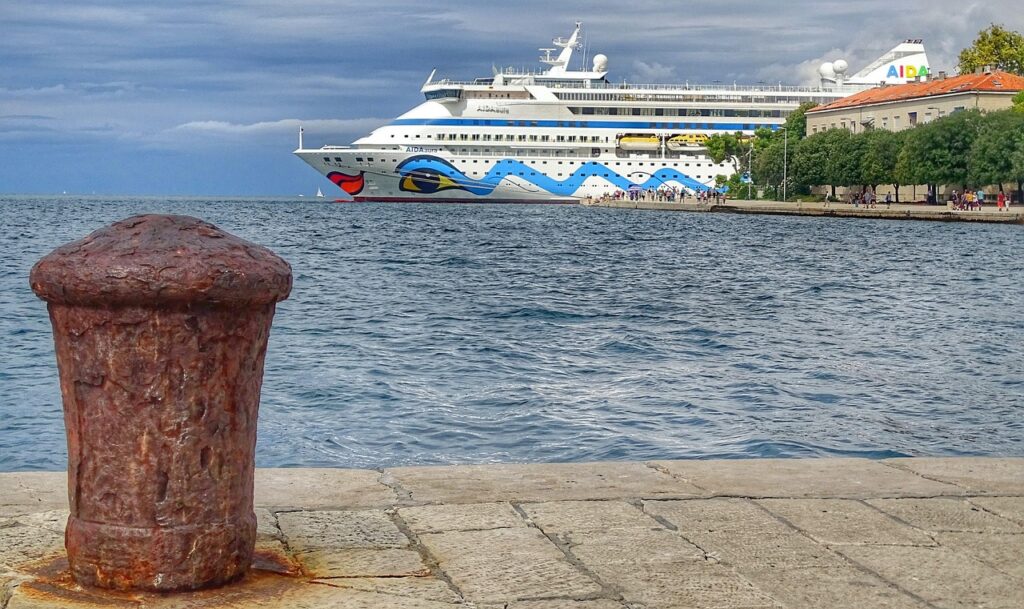






Introduction: Offbeat Zadar — Rethinking the Local Market
Zadar, an Adriatic gem in Dalmatia, is often reduced to its historic waterfront, the sea organ and its famous sunsets. But beyond the Riva and the tourist hotspots, the city hides a network of markets and exchange points woven into everyday life. These local markets don’t just offer fresh produce — they showcase craft skills, antiques, regional specialties and, above all, human encounters that reveal Zadar’s true spirit. If you want to understand the city on a deeper level and bring back more than scenic photos, explore these spots where authenticity rules.
In this guide you’ll find a practical, immersive map of Zadar’s off-the-beaten-track markets: early-morning food markets, family-run fish stalls, antique fairs, organic producers’ markets and small neighborhood squares with independent sellers. Each section covers the place and its exact address, typical opening hours, indicative prices in euros, shopping tips, product recommendations by season, and tricks for bargaining or navigating local customs. The goal is twofold: help travellers buy quality at fair prices and experience genuine exchanges with proud Zadar locals.
This guide is aimed at curious travellers, food lovers, photographers and anyone wanting to slow down. You’ll get practical info (opening hours, access, average prices) as well as sensory descriptions to orient you: the briny scent of a fish stall at dawn, the rattle of olive oil jars, friendly vendors shouting about the day’s freshness. We also include logistics tips (best time to avoid crowds, how to transport fragile items, short Croatian phrases) and precautions (packaging, customs rules for animal products).
Whether you’re planning an early dash for sun-ripened fruit and veg or an afternoon hunting for flea-market finds, this guide helps you get off the tourist strip and see Zadar like a local. The addresses and hours are intended to make your route easier on the ground; however, remember many local markets may have seasonal hours or close on local public holidays. Don’t hesitate to call or check on site when possible.
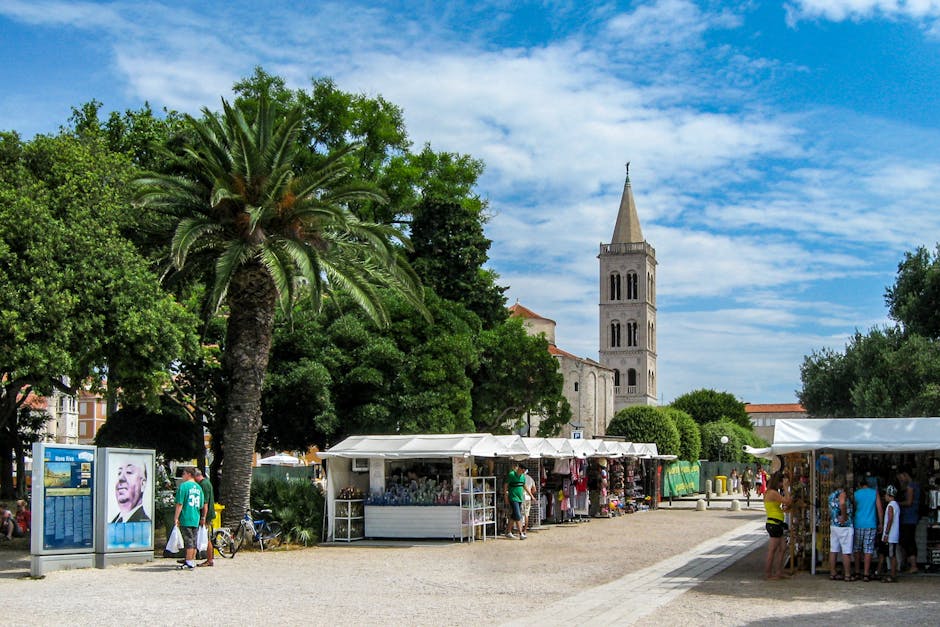
Gradska tržnica Zadar (Zadar City Market) — the city’s agricultural heart
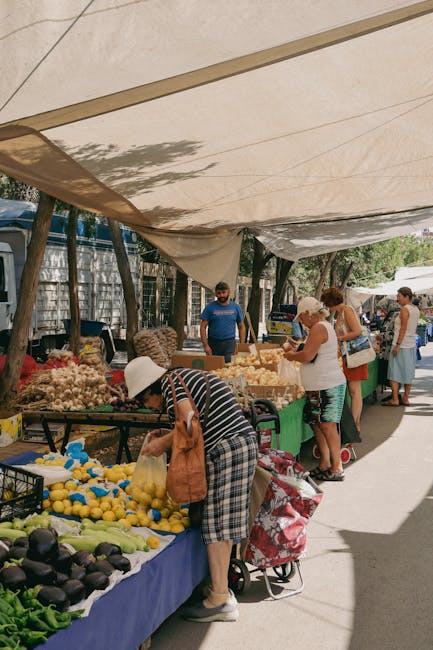
The Gradska tržnica Zadar, known in English as Zadar City Market, is the perfect starting point for anyone wanting to dive into local production. Address: Trg Petra Zoranića 2, 23000 Zadar. Typical hours: Monday to Saturday, 06:00–14:00 (closed Sunday). It’s a mix of covered halls and outdoor stalls clustered around a central square, selling vegetables, fruit, cheeses, cured meats and homemade preserves. The market is very popular with locals; it quiets down after 10:30 when the best items are usually gone.
Indicative prices (May–September): fresh tomatoes €1.50–3.00/kg, cucumbers €0.80–1.50/kg, figs €3.00–5.00/kg, fresh capers €8.00–12.00/kg, Paški sir cheese (small selection) €18.00–28.00/kg depending on ageing. Vendors often offer small samples — accept them; it’s a common way to taste before you buy. Buy herbs (rosemary, Dalmatian sage, wild oregano) for €1–3 a bunch; they’ll perfume your cooking for days.
Immersive description: arrive at dawn and follow the smells — fresh bread, newly-pressed olive oil, sweet tomatoes. Stalls are frequently labeled by producer: look for tags reading “domaće” (homemade) or “organske” (organic). Producers from nearby areas (the island of Pag, Zadar’s hinterland, Nin) bring specialties like Paški sir (cheese from Pag), Nin sea salt and local olive oil. Small bottles of olive oil (250 ml) sell for €6–12; larger bottles (500 ml) run €12–25 depending on quality.
Local tips: aim for 06:00–09:00 for peak freshness and the best deals; arrive after 10:00 if you want lower prices and are ready to haggle. Bring reusable bags and a small cooler if you’re buying cheese or cold cuts to keep the cold chain intact. Handy phrases: “Koliko košta?” (How much is it?) or “Možete li malo sniziti cijenu?” (Can you lower the price a bit?). For air travel, note that some cheeses and cured meats may be subject to customs restrictions depending on your return country.
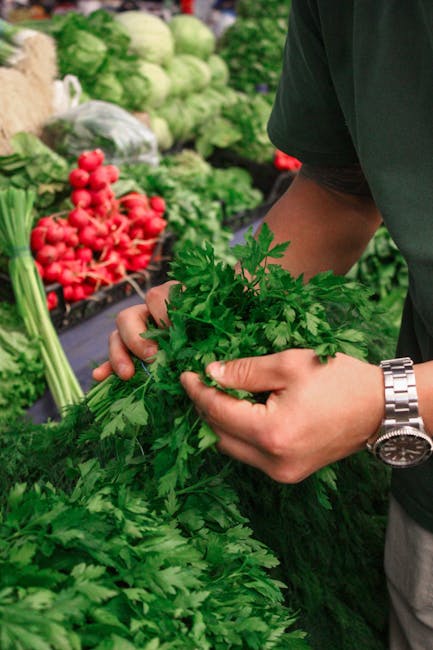
Ribarnica Zadar (The municipal fish market) — the smell of the sea and a ritual timetable
Address: Obala kneza Branimira 1, 23000 Zadar — located at the edge of the old port but operating almost independently from the main tourist flow. Typical hours: Monday to Saturday, 05:30–12:00; small sales on Sunday mornings depending on arrivals. The Ribarnica (fish market) is a must for anyone wanting to taste the iodized flavours of the Dalmatian coast. Local fishermen return early and stalls are stocked with day-catches.
Indicative prices: fresh sardines €3.00–6.00/kg, anchovies €4.00–7.00/kg, sea bream €8.00–14.00/kg, fresh squid €8.00–16.00/kg depending on size, local langoustines and shrimp €12.00–30.00/kg. Premium fish (bass, turbot) can reach €20.00–35.00/kg. Prices vary widely with season and fishing quotas.
Immersive description: a morning at the fish market is a sensory show — fishmongers calling out, ice clinking, the briny scent mingling with fresh fish. Vendors know their regulars well: they’ll bundle orders, gut and clean fish on site and give cooking tips (usually grilled over coals, whole, with olive oil and rosemary). You can ask for filleting (a common service for €2–5 depending on size), or vacuum-sealing for travel.
Local tips: come before 09:00 for the best selection; after 10:30 the range can be reduced. If you’re sensitive to odours, bring a small portable cooler — for 1–2 hours of transport in summer it will protect your purchases. Don’t be shy about asking where the catch came from (“Odakle je?” — Where is it from?); fishermen are proud of their fishing spots. For a full culinary experience, ask which fish local restaurants are favouring that day — it can help you choose and plan dinner.
Plac Antikviteta and flea markets — hunting for treasures like a local
Zadar has plenty of small squares that host antique fairs and flea markets, especially on Saturday mornings. One regular spot is the square near Ulica Marijana Čavića — approximate address: Ulica Marijana Čavića 4, 23000 Zadar — where antique dealers and second-hand sellers set up between 08:00 and 13:00 on Saturdays (hours may vary seasonally). You’ll find old furniture, Dalmatian crockery, stamps, vintage postcards and sometimes clothing finds.
Indicative prices: old postcards and photos €1–10, small knickknacks €5–30, larger furniture €40–300 depending on condition and rarity. Sellers are often willing to haggle, especially if you buy several items. Consider weight and logistics for bulky pieces; ask if the seller can deliver or pack for transport.
Immersive description: wandering these stalls is like touching local history — patinated tin boxes, glazed jars with village labels, enamel signs and sometimes antique farming tools. Vendors like to tell the provenance of items: a plate might come from a farmhouse near Zadar, a piece of furniture from a renovated family home. Photograph handwritten tags and ask for the story; small anecdotes add emotional value to a find.
Local tips: arrive early for the best pieces and to negotiate calmly. Bring cash in small denominations (€5, €10, €20) — card payments aren’t always accepted. If you buy ceramics or glassware, request careful packing; some sellers provide newspaper and tape for protection. For air travel, check your airline’s rules on transporting fragile or oversized items.

Producers’ markets and mini-fairs — organic farming and artisan goods
Beyond the municipal market, Zadar and its outskirts occasionally host producers’ markets and small artisan fairs where smallholders, beekeepers, makers of essential oils and local creatives gather. One recurring event is a producers’ market sometimes held on Trg Petra Zoranića or in the Kožino public gardens; the location varies with the season. These markets tend to run shorter hours: 08:00–13:00, often on Sundays or during special events.
Products and prices: local honey €5.00–12.00 per jar (250–500 g), artisanal jams €3.00–6.00 per jar, olive-oil-based natural soaps €2.50–6.00 each, essential oils €5.00–15.00 depending on concentration. Artisans also sell decorative ceramics (€15.00–60.00), woven textiles (€20.00–80.00) and handmade jewellery (€10.00–50.00).
Immersive description: these markets have a friendly, laid-back vibe, very different from the buzz of the food halls. Artisans happily explain their production methods; you can often watch demos (soap-making, small-batch oil pressing). Stalls are attractively presented, with labels detailing ingredient origins and techniques. It’s the ideal place to pick up local, eco-friendly gifts.
Local tips: if you want certified organic products, ask for labels or documentation; many small producers favour sustainable methods but may not have expensive certifications. For honey and oils, test viscosity and ask where they come from (island of Pag, Zadar hinterland, Ravni Kotari). If you’d like to visit a producer’s farm, get contact details — some offer visits by appointment for an immersive terroir experience.
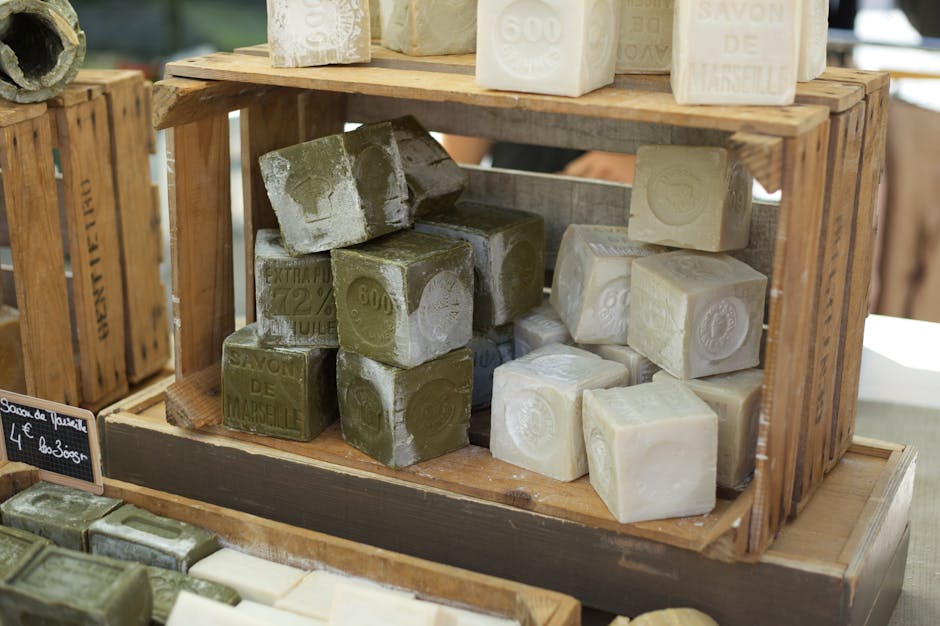
Practical tips for navigating and enjoying Zadar’s markets
Before you head out to the markets beyond the waterfront, here’s a set of practical tips to make the most of the experience and avoid faux pas. Local markets follow set rhythms: most open very early (05:30–06:00 for fish stalls, 06:00–07:00 for vegetables) and some close before noon. If you want fresh items for lunch, plan a morning visit; for lower prices and bargaining, aim for late morning.
Transport and storage: bring a small foldable cooler (€10–20) for sensitive purchases and reusable bags. For bulky purchases, ask the seller if they offer local delivery (some will deliver to your accommodation in town for €5–15 depending on distance). If you fly, check your airline’s rules for carrying food: soft cheeses and some meat products may be restricted.
Bargaining and etiquette: haggling is acceptable but polite. Start by offering 10–15% less than the asking price and meet somewhere in the middle. Prefer cash for better deals; small vendors may refuse cards. Show genuine interest in origin and production methods — producers appreciate that buyers know and respect their work.
Useful Croatian phrases: “Dobar dan” (Good day), “Hvala” (Thank you), “Koliko košta ovo?” (How much is this?), “Možete li mi pomoći?” (Can you help me?). These short phrases smooth interactions and are well received. Finally, respect local rules: don’t handle goods excessively without asking, avoid photographing people without permission and leave the area tidy (markets are community spaces).
Conclusion: Bring back souvenirs that tell Zadar’s story
Exploring Zadar’s markets beyond the waterfront changes how you experience the city. Beyond maritime panoramas and tourist attractions, these markets are places of memory and transmission: you’ll find terroir flavours (olive oil, Pag cheese, honey), handmade items crafted by local hands, and stories told by producers proud of their craft. The addresses and hours in this guide give you a roadmap for your mornings and afternoons, but the best advice is to take your time — talk, taste and let yourself be surprised.
To bring back lasting souvenirs, prioritise well-packed food items (olive oil, honey, condiments), small artisan pieces (soaps, ceramics, jewellery) and easy-to-transport antiques (postcards, books, small frames). Think logistics too: ice packs or a cooler for fish, careful packing for crockery, receipts and labels for products you’re exporting. Above all, adopt the respectful traveller’s mindset: support small producers, ask about the stories behind items and preserve the conviviality that makes local markets so rich.
Leaving Zadar with a basket of fresh produce, a bottle of olive oil and an anecdote about a vendor you met at dawn, you take home more than an object: you carry an authentic slice of Dalmatian life. Whether you’re after cooking ingredients to recreate local dishes or rare pieces to decorate your home, the markets featured here give concrete ways to experience Zadar differently. Happy discoveries — and remember: the best find is often the one shared around a table.