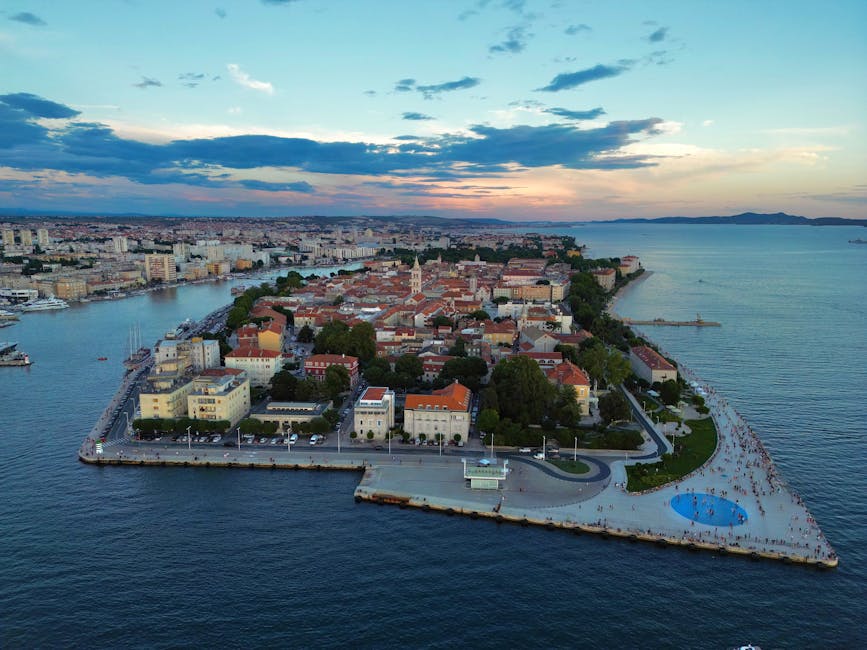






Introduction — Why a month-by-month Zadar itinerary (and how to use this guide)
Zadar, on Croatia’s Dalmatian coast, is a compact city with lots of variety: Roman ruins, a scenic waterfront, wild islands and microclimates that change the feel of each month. This practical guide gives you a concrete, month-by-month itinerary that takes weather, real opening hours, indicative prices in euros and exact addresses into account. The approach is focused on « what to do right now »: checklists, numbered steps for a typical day, starting points for excursions and local tips to avoid queues and strong winds. Read the introduction fully to understand the logic, then jump to the section for the month you’re visiting.
How the guide is organized: I group the 12 months into six seasonal blocks (winter, spring, early summer, high summer, late summer/early autumn, and late autumn) to provide detailed day-long itineraries plus secondary options (walks, restaurants, beaches, excursions). Each section includes:
- A « To prepare » checklist (clothing, bookings, tickets)
- A step-by-step itinerary for a typical day
- Exact addresses for sites and services, opening times and indicative prices in euros
- Local tips (best times to go, variants depending on weather)
Important: prices and opening hours can vary by season and public holidays. I list rounded prices in euros (based on average rates) and the typical opening hours you can expect (for example, many museums are closed on Mondays). If you plan a boat trip (Kornati, Telašćica, Dugi Otok), book 48–72 hours in advance in high season. This guide assumes your base is the Old Town of Zadar (historic center) — most addresses are reachable on foot from the Riva (the seafront).
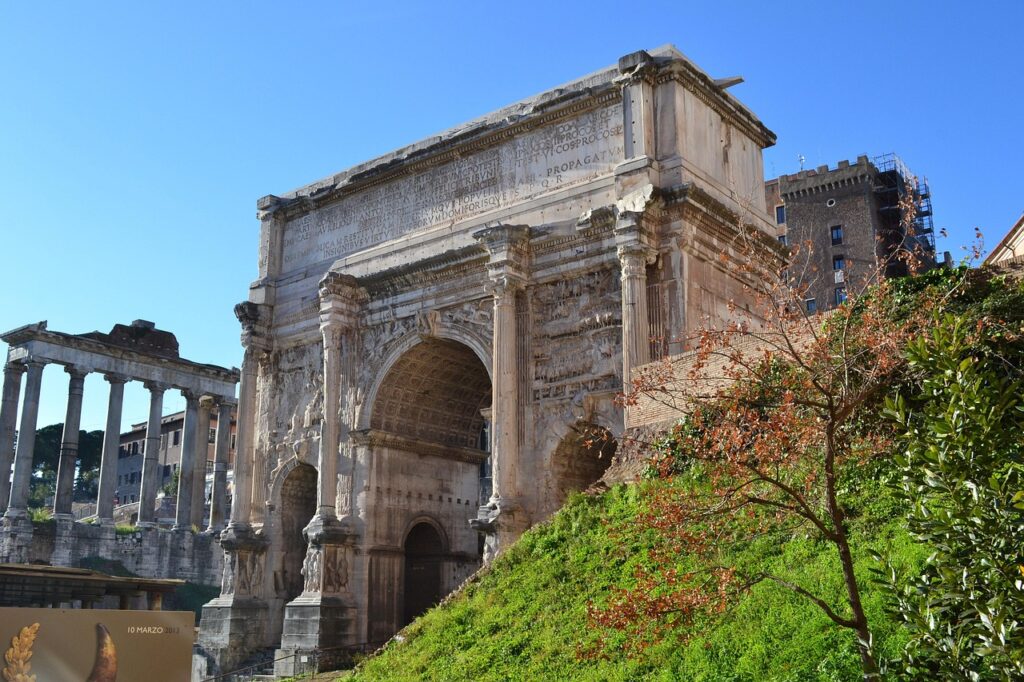
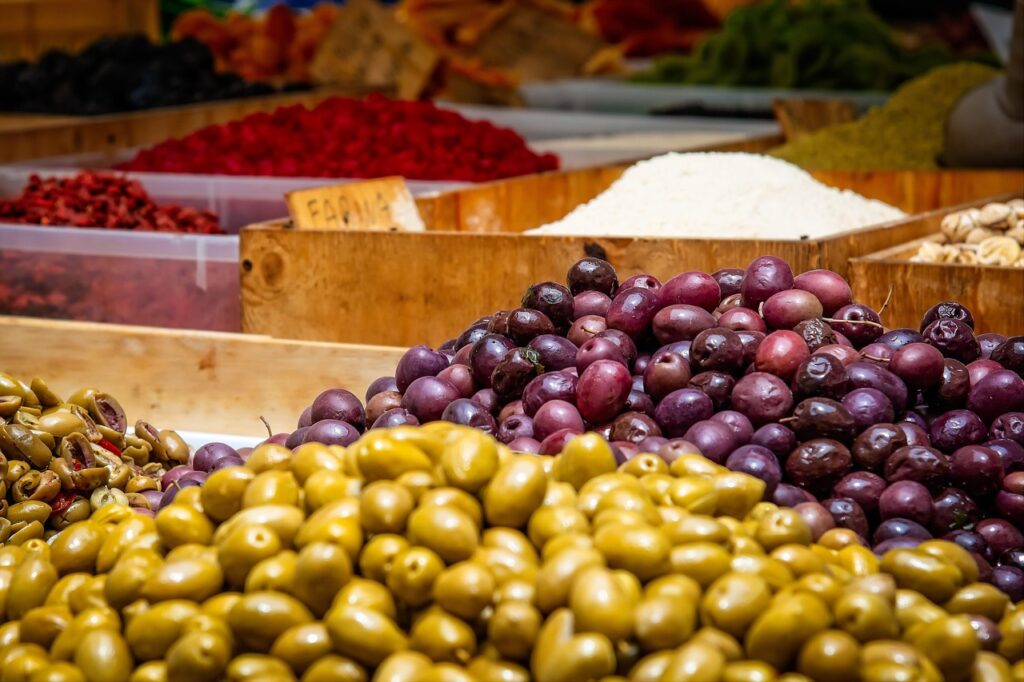
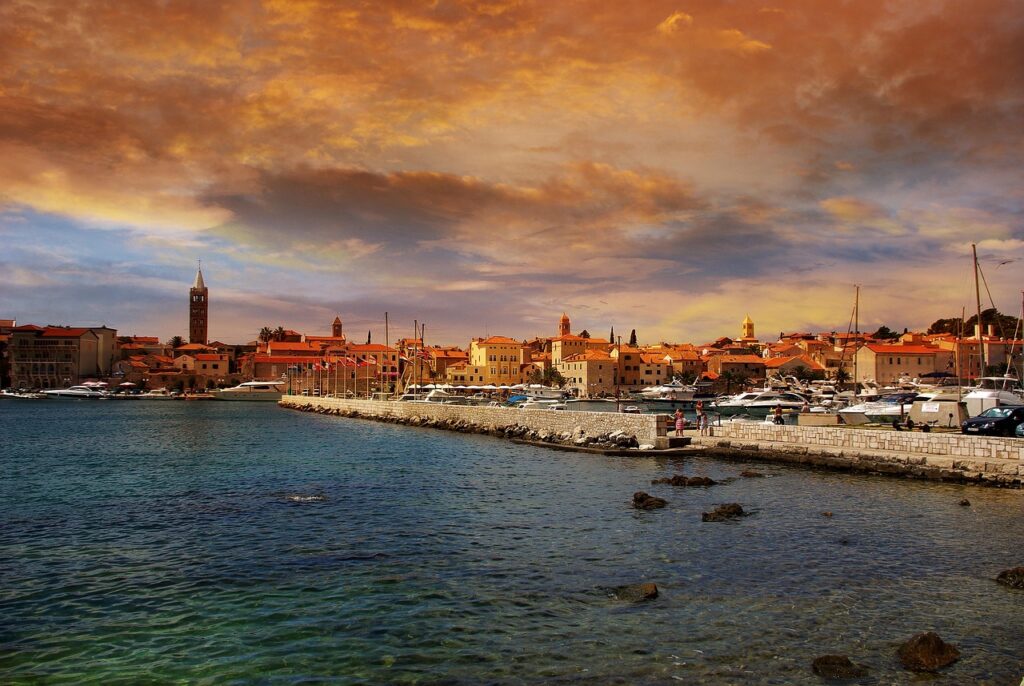
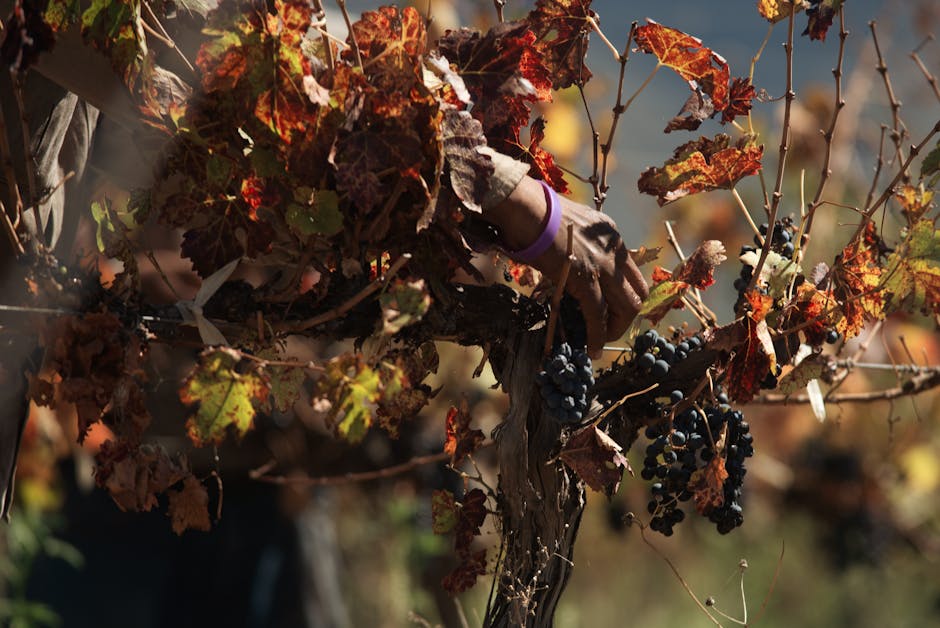
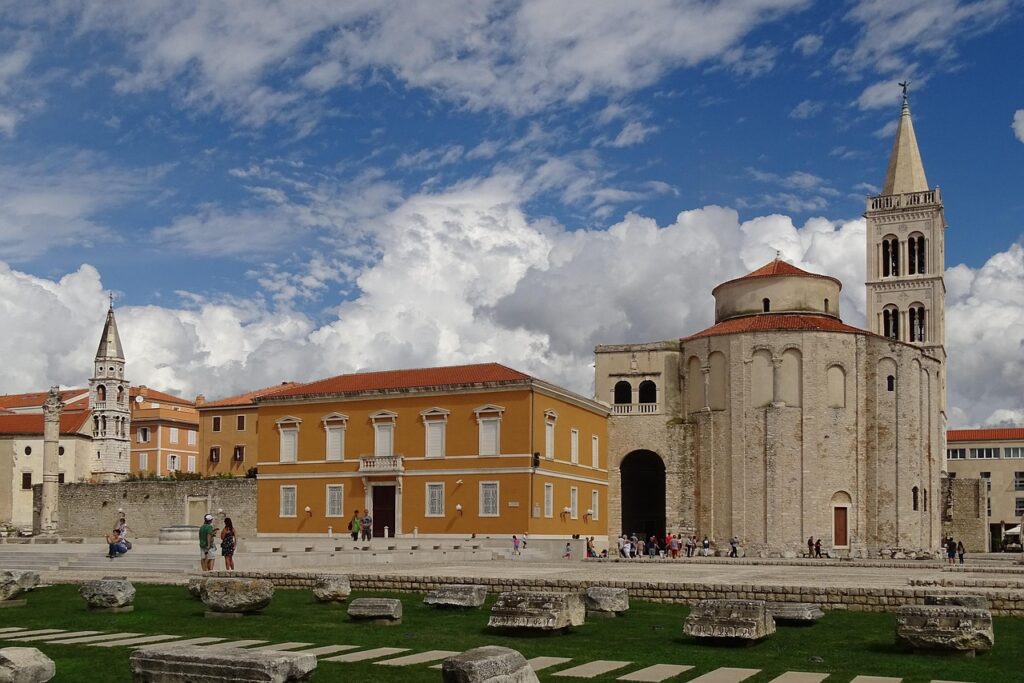
Images and visual cues: for each section I include image markers 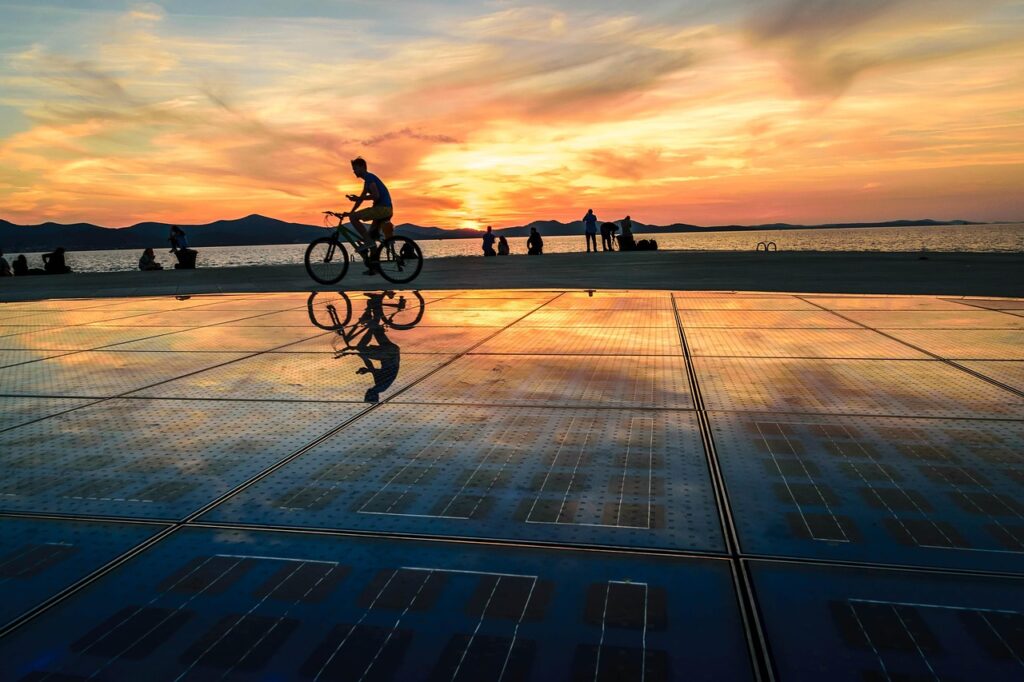 that describe clear scenes (e.g. « Sea Organ and promenade at sunset », « St Donatus Church Roman forum setting ») to help you picture each highlight. These markers correspond to recommended photos if you’re putting together an album or slideshow.
Finally, keep this guide as a practical worksheet: print or save the checklists and addresses. I finish each block with a « Local tips » note and a mini safety checklist (sun, heat, wind, tides for sea outings). Enjoy the read — and plan to come back: Zadar really changes with the weather.
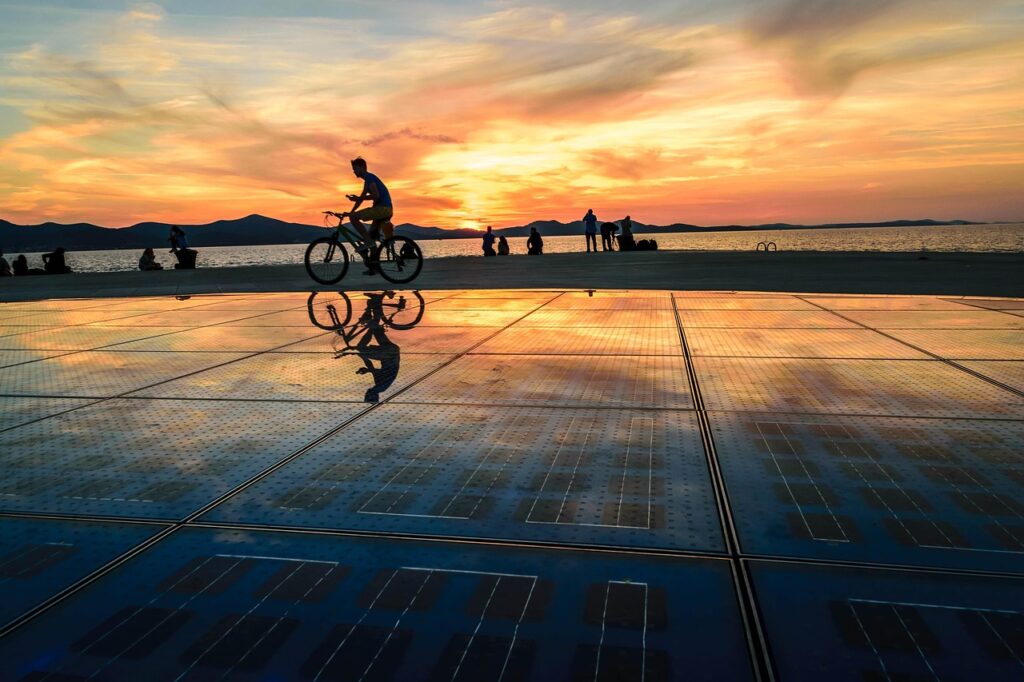
Winter: December to February — a cold-weather, culture-focused day (events, museums, cafés)
Why go in winter? Zadar is peaceful, accommodation prices drop and the winter light brings out the beauty of its Roman and Byzantine stones. In winter you’ll avoid the crowds and can enjoy exhibitions, Christmas markets (December) and indoor concerts. The sea is cold and swimming is uncommon, so focus on museums, cafés, urban walks and day trips by car to nearby places like Nin or Pag when the weather allows.
Winter — To prepare checklist
- Warm clothes: windproof coat, beanie, gloves, scarf
- Waterproof boots for walking the Riva (sea wind)
- Bank cards + cash (~20–50 EUR) — some small museums accept cash only
- Check museum opening hours (many close on Mondays)
- Book accommodation in the historic center: average 40–80 EUR/night
Typical day itinerary (city center)
- 09:00 — Coffee and breakfast: B2 Hotel Zadar (Kolovare 11, 23000 Zadar) or cafés around Trg Petra Zoranića. Prices: espresso 1.40–2.00 EUR, full breakfast 6–10 EUR.
- 10:00 — National Museum (Zemaljski muzej Zadar): Trg Narodnog Preporoda 1, 23000 Zadar. Typical winter hours: Tue–Sun 09:00–17:00 (closed Mon). Fee: ~4 EUR (30 HRK).
- 12:00 — Quick lunch: indoor market / konoba (traditional tavern) around Trg Pet Bunara. Main course: 7–12 EUR.
- 13:30 — Church and site: Crkva sv. Donata (St. Donatus Church) & Roman Forum, Trg Petra Zoranića. Exterior visit free; indoor visits about 2–3 EUR depending on exhibitions. Hours: often 09:00–16:00 in winter.
- 15:00 — Walk along the Riva: Sea Organ (Morske orgulje) and Pozdrav Suncu (Greeting to the Sun). Free. Bring a windproof layer because of gusts.
- 17:00 — Aperitif/coffee at a seafront bar (Foša Restaurant terrace is a nice option for atmosphere — check availability).
Key addresses and info
- Sea Organ (Morske orgulje) — north promenade: free, open 24h
- Greeting to the Sun (Pozdrav Suncu) — promenade in front of the Riva: free, light show at sunset
- Trg Petra Zoranića — Roman Forum and St. Donatus Church (Crkva sv. Donata): central location, museum entry varies 2–4 EUR
- National Museum of Zadar (Zemaljski muzej) — Trg Narodnog Preporoda 1, 23000 Zadar — approx. 4 EUR, Tue–Sun 09:00–17:00
- Zadar Bus Station (Autobusni kolodvor) — Trg Petra Zoranića 1, 23000 Zadar — bus and airport shuttle info
Local tips (winter)
- Cold winds (bora) can blow fiercely: choose cafés on the inner side of the Old Town to avoid gusts.
- If you visit Pag (Pag cheese) in winter, call the dairy to check opening times.
- Catch concerts at the Croatian National Theatre Zadar (Trg Petra Zoranića), check ticket office for dates and prices.
Spring: March to May — nature outings, hikes and early swims
Spring is ideal for combining city visits with boat trips before the summer crowds arrive. Temperatures rise gradually: March is still mild (8–15 °C), April/May are pleasant (15–24 °C). Nearby islands wake up with wildflowers, green postcards and clearer water. Late April and May are perfect for a day on Ugljan or Dugi Otok without the July–August crowds.
Spring — To prepare checklist
- Light windproof jacket + a fleece
- Hiking shoes for rocky trails
- Sunscreen and sunglasses (sun can be strong in the afternoons)
- Book boat trips 24–48 h in advance (Kornati or Dugi Otok)
Typical day itinerary (nearby island + Old Town)
- 07:30 — Depart Zadar port (Gđa Luka – main ferry quay at Riva). For ferries: Zadar Ferry Port, address: Luka Zadar, Riva 1, 23000 Zadar. Buy tickets at the counter or online. Price Dugi Otok (local ferry) ~6–10 EUR one-way; bringing a car costs more.
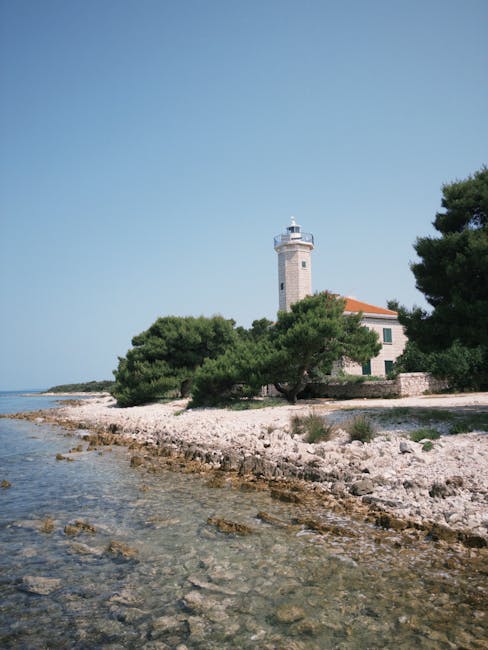
- 09:30 — Walk on Dugi Otok (Sakarun Beach if tide and weather permit): fine sand beach, crystal-clear water. Alternative: hike to Veli Rat lighthouse (free). Check seasonal ferry timetables.
- 13:30 — Return to Zadar, lunch: Konoba Stomorica or similar near Forna (fish dishes 10–18 EUR). Address: check local availability.
- 15:30 — Afternoon culture: Sea Organ & Greeting to the Sun (Riva). Try to stay for sunset if you can.
- 19:00 — Dinner: sample a peka (Dalmatian dish cooked under a bell) at a family konoba in the outskirts — price 15–25 EUR per person with reservation.
Useful addresses and hours
- Zadar – Dugi Otok ferry: Luka Zadar (Riva), ticket office open according to departures (check jadrolinija.hr or local port). Price approx. 6–10 EUR.
- Kornati day tours: depart from Zadar port, rates 40–70 EUR depending on tour and snorkeling options; duration 8–10 h. Typical departure 08:00–09:00. Operator example: « Adriatic Explorer » (check terms and booking).
- Sakarun Beach (Dugi Otok): free access
Local tips (spring)
- In April/May the water can still be cool (16–19 °C). A swimsuit and towel are enough for the brave; otherwise favor hikes and snorkeling with a short wetsuit.
- Zadar’s covered market (Pet Bunara area) is great for buying Pag cheese, local olive oil and honey.
- Get up for sunrise on the Riva: soft light and few people.
Early summer: June — transitions, local festivals and pleasant swims
June is a perfect transition month: the sea warms up (19–23 °C), days are long and sunny without the extreme crowds of July and August. It’s a great time to mix beaches, historic sites and a few boat trips. Restaurants and tourist operators pick up activity; still, book popular tours 48–72 h in advance.
June — To prepare checklist
- Swimwear + microfiber towel
- Water shoes for rocky coves
- Book excursions (Kornati, island-to-island kayaking)
- SPF 30+ sunscreen, hat, reusable water bottle
Typical day itinerary (beach + Old Town + evening)
- 09:00 — Breakfast on the Riva: coffee + burek or a local pastry (3–6 EUR).
- 10:00 — Beach: Kolovare Beach (Kolovare 1) — municipal beach a 10–15 minute walk from the Old Town. Free, umbrellas for rent 5–10 EUR/day.
- 13:00 — Light lunch: grilled fish at a konoba near Kolovare or at the port. Dish: 10–18 EUR.
- 15:00 — Afternoon visit: Church of St. Donatus (Trg Petra Zoranića) and the Roman Forum — exhibits and views. Entry approx. 2–4 EUR.
- 18:30 — Return for sunset: Sea Organ & Greeting to the Sun — free light and music show.
- 20:00 — Dinner: recommended restaurant (reserve ahead) — average 18–30 EUR per person. Try the freshly caught seafood.
Concrete info
- Kolovare Beach — Kolovare, 23000 Zadar — public beach, showers available
- Kornati boat tours — depart 08:30–09:00, prices 45–70 EUR; duration 8–10 h
- Open hours in June: many museums/attractions extend to 18:00–19:00; restaurants open late
Local tips (June)
- Do historic site visits in the morning: best light, fewer people and comfortable temperatures.
- If you want to rent a kayak to explore small bays, contact operators along the Riva — daily rates 25–40 EUR depending on equipment.
- For terrace dinners, reserve between 19:00 and 20:00 to avoid queues.
High summer: July–August — beaches, festivals and snorkeling routes (peak season)
July and August are high season: temperatures 25–34 °C, sea 23–26 °C, and a big influx of tourists. Booking is essential for everything: ferries, hotels, restaurants and boat tours. Enjoy the long days, but expect queues and busy roads. Favor very early activities and sea trips during the day to dodge the crowds.
High season — To prepare checklist
- Confirmed bookings for accommodation, ferry and boat excursions (72–96 h ahead)
- High-protection sunscreen + wide-brimmed hat
- Waterproof pouch for phone and documents if snorkeling/kayaking
- Carry cash for small beach stall purchases
Typical day itinerary (long day / snorkeling)
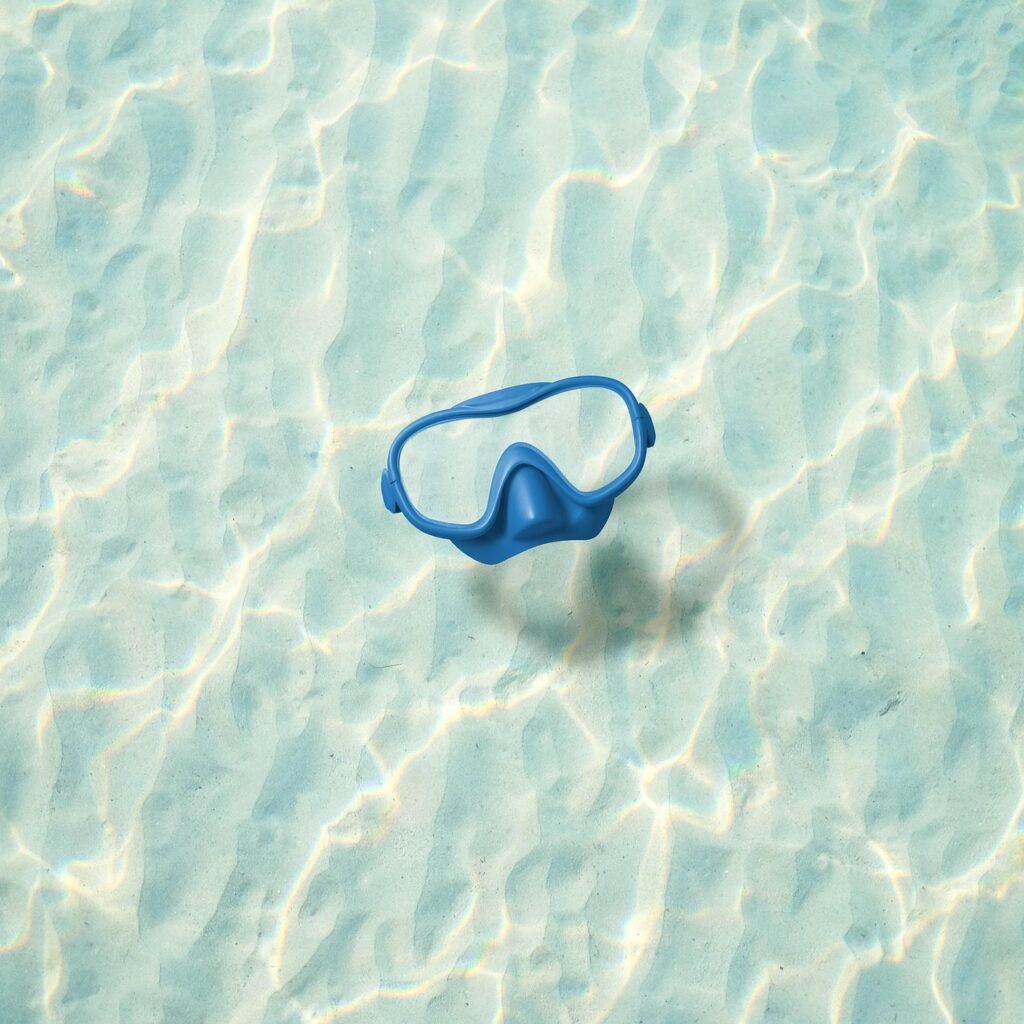
- 06:30 — Leave for a snorkeling/Kornati tour: embark by 08:00. Bring a packed lunch, goggles and sunscreen. Kornati tour price: 50–80 EUR, most include a light lunch.
- 17:00 — Return to Zadar; shower and quick rest at the hotel.
- 19:00 — Aperitivo on the Riva and a stroll along the coast. Sunset spot: Sea Organ.
- 20:30 — Dinner on a rooftop or terrace (reservation essential). Budget 20–35 EUR/person. Try black risotto (risotto al nero di seppia) or the fish of the day.
Key addresses & hours
- Kornati boat tours — depart port of Zadar, 08:00–09:00, prices 50–80 EUR
- Kayak rental & guided tours — operators along the Riva; single kayak 25–40 EUR/day
- Nightlife — bars and beach clubs open late; check local listings for events
Local tips (July–August)
- Avoid driving during typical arrival/departure congestion (around 09:00–11:00 and 16:00–20:00).
- To dodge crowds at popular beaches, try smaller rocky coves east of Kolovare or rent a boat for the day.
- Stay hydrated and take shade breaks between 13:00 and 16:00.
Late summer / early autumn: September–October — the best balance for sea and culture
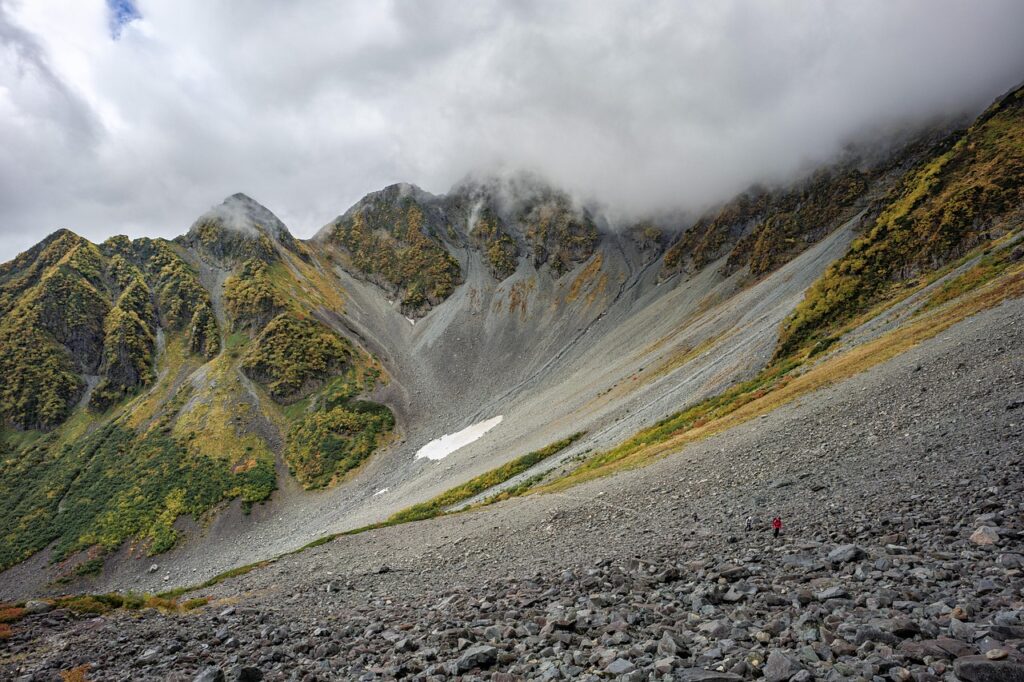
September and October might offer the perfect balance: the sea is still warm (22–24 °C in early September), there are fewer people, prices drop and local events (harvests, fairs) take place. Daytime temperatures remain pleasant (20–28 °C in September, 15–22 °C in October). It’s an excellent time for long coastal hikes, cultural visits and food tastings.
September–October — To prepare checklist
- Light jacket for cooler evenings
- Comfortable hiking shoes for trails (Paklenica or Pag possible as a day trip)
- Book local restaurants for weekend evenings
Typical day itinerary (hike + gastronomy)
- 08:00 — Breakfast and depart for a half-day trip: Paklenica National Park (if you rent a car — about 1.5 hours drive). Park entry: ~8–12 EUR including car; hours vary.
- 12:30 — Return to Zadar for lunch: try a trattoria or konoba featuring local products (Pag cheese, dressings, olive oil). Meal: 10–20 EUR.
- 15:30 — Walk: Five Wells Square (Trg Pet Bunara), the Roman Forum, then stroll to the excavation museum (if open). Entries 2–5 EUR depending on site.
- 19:00 — Festive dinner: reserve a table for a 3-course local menu (20–35 EUR).
Useful addresses
- Five Wells Square (Trg Pet Bunara) — historic center — starting point for walking tours
- Paklenica National Park — approx. 45–90 minutes from Zadar by car; daily entries 8–12 EUR
- Zadar Marina — for private departures and boat rentals; Riva 2 area
Local tips (September–October)
- September still allows swimming. By October the water cools but sunny afternoons remain pleasant.
- Visit local markets in the morning: fresh produce, cheeses, smoked fish.
- Tour operators reduce frequency: check schedules and availability 24–48 h in advance.
Late autumn: November — quiet walks, museums and off-season gastronomy
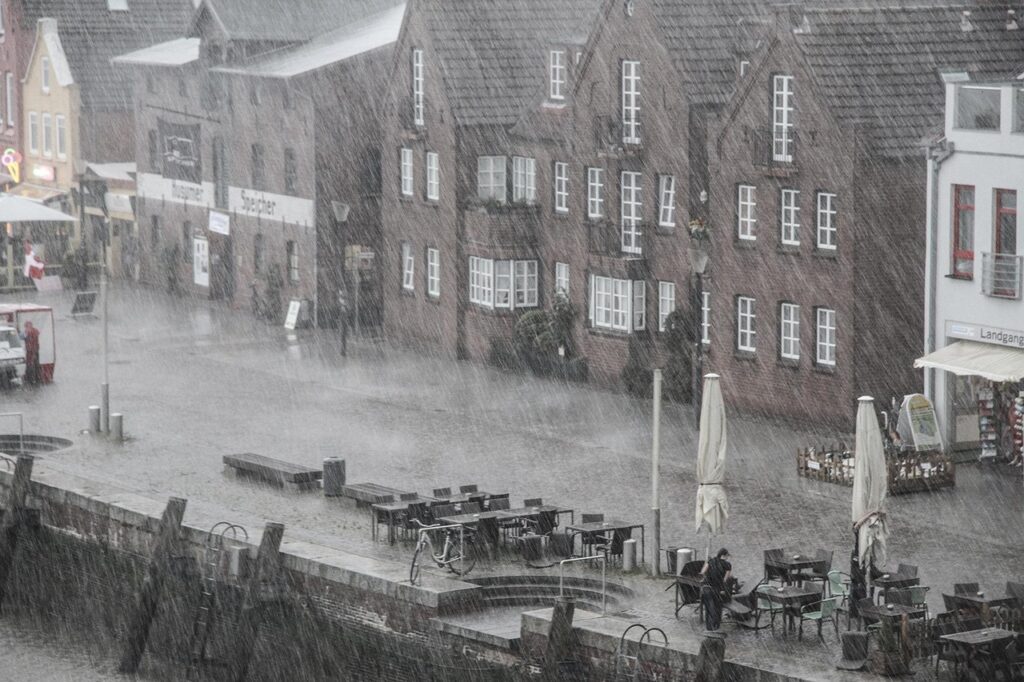
November is perfect for travelers seeking total calm. Many operators gradually close, but the city stays lively thanks to locals, students and regulars. Temperatures range from 8–15 °C; the sea is cold but cafés and restaurants offer a cozy atmosphere. This is a good time to dive deeper into Zadar’s history and take part in cooking workshops or tastings.
November — To prepare checklist
- Warm jacket, waterproof shoes
- Call museums and restaurants to confirm opening times
- Offline maps or app for the Old Town (some shops have irregular hours)
Typical day itinerary (culture and gastronomy)
- 09:30 — Guided walking tour of the Old Town (book a local guide 20–50 EUR depending on duration). Meeting point: Trg Petra Zoranića.
- 12:00 — Lunch at « Konoba Niko » (example of a traditional konoba — check the local address): main course 10–18 EUR.
- 14:00 — Modern Art Museum or temporary exhibitions: opening hours vary; admission 3–6 EUR.
- 17:00 — Long coffee and pastry tasting; finish with the Sea Organ sound show at sunset.
Local tips (November)
- Tables at the best Dalmatian restaurants are easier to book off-season.
- Watch the weather: rainy days call for waterproof clothing and indoor alternatives.
- Enjoy evening walks; the Sea Organ’s sounds and the light there feel particularly melancholic and beautiful.
Conclusion — How to get the most from Zadar based on the weather (summary and final tips)
Zadar has very different personalities depending on the month: cultural, quiet winters; floral, island-friendly springs; June as a perfect transition; July–August for beaches and lively nightlife; September–October for the ideal sea/culture balance; and November for an authentic off-season experience. This practical guide gave you day-by-day itineraries, checklists and key addresses (museums, squares and quays). To recap and help you take action now:
Quick summaries by goal
- Culture & museums (winter/November): National Museum (Trg Narodnog Preporoda 1), St. Donatus & Roman Forum (Trg Petra Zoranića). Book museums and cultural evenings.
- Beaches & swimming (June–September): Kolovare Beach, Sakarun (Dugi Otok). Rent a kayak/boat early.
- Boat excursions (May–October): Kornati, Telašćica, Dugi Otok — reserve 48–72 h before high season.
- Food & markets (year-round, quieter off-season): local market around Trg Pet Bunara, konobas for peka and seafood.
Final practical tips
- Always check opening hours and prices before you go (official sites or a direct call). Prices in this guide are estimates in euros for planning.
- Book ferries and tours in summer (72–96 h ahead); in low season 24–48 h is usually enough.
- For photos or sunsets: arrive 30–45 minutes early at the Riva (Sea Organ & Greeting to the Sun).
- Respect the sea and local ecosystems: don’t leave rubbish on islands and avoid pulling up native plants.
Finally, personalize your itinerary: if you love hiking, prioritize Paklenica and less-touristy islands; if you prefer relaxing, focus on Kolovare and the beaches of Dugi Otok. Zadar is flexible: 2–4 days are enough to explore the Old Town and take one excursion; a week lets you combine islands, food and hikes. Print the checklists, save the addresses (Trg Petra Zoranića for the center, Trg Narodnog Preporoda 1 for the museum, Luka Zadar/Riva for ferry departures) and travel with peace of mind — the city will welcome you according to the weather and your mood.