





Introduction — Why this “against-the-current” guide to Zadar in September?
Zadar, a gem on the Dalmatian coast, is often lauded as a perfect September destination: still-warm weather, fewer crowds, and a pleasantly warm sea. But the reality is more nuanced. This “against-the-current” guide aims to debunk the widespread assumption that September is automatically the best month to visit Zadar. As an experienced travel writer, I offer a pragmatic, evidence-based take: variable weather, reduced services, occasional events, impacts on the culinary and cultural scene, and practical tips to avoid common pitfalls. The goal isn’t to discourage you, but to help travelers plan a trip that actually matches their expectations.
September marks the shift from high season to shoulder season in Dalmatia. Early signs of autumn affect the whole tourist offer: some restaurants close for the season, daily boat tours drop off, and island ferry connections become less frequent. On top of that, the climate can be unpredictable: a long hot summer can give way to stormy spells, foggy days, or stronger winds — all factors that can seriously impact sea activities and the overall mood of a beach trip.
This guide isn’t just a list of complaints. It provides practical information — exact addresses, opening hours, prices in euros — and immersive descriptions to help you decide if September is the right time for you. You’ll find concrete recommendations: which visits to prioritize, what to book in advance, when to skip certain excursions, and how to make the most of what Zadar offers in the mid-season.
The following sections dig into why September can disappoint some travelers, alternatives to consider (early vs late September, shoulder season vs high season), practical recommendations for accommodation, dining and transport, plus local tips from people who live and work in Zadar. Every section includes addresses, hours and price ranges so you can plan precisely.
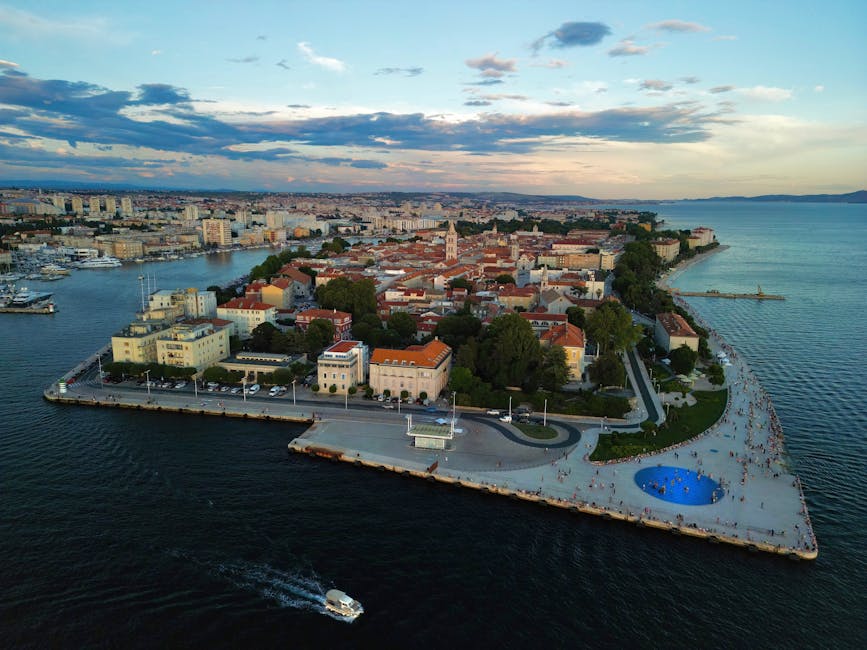
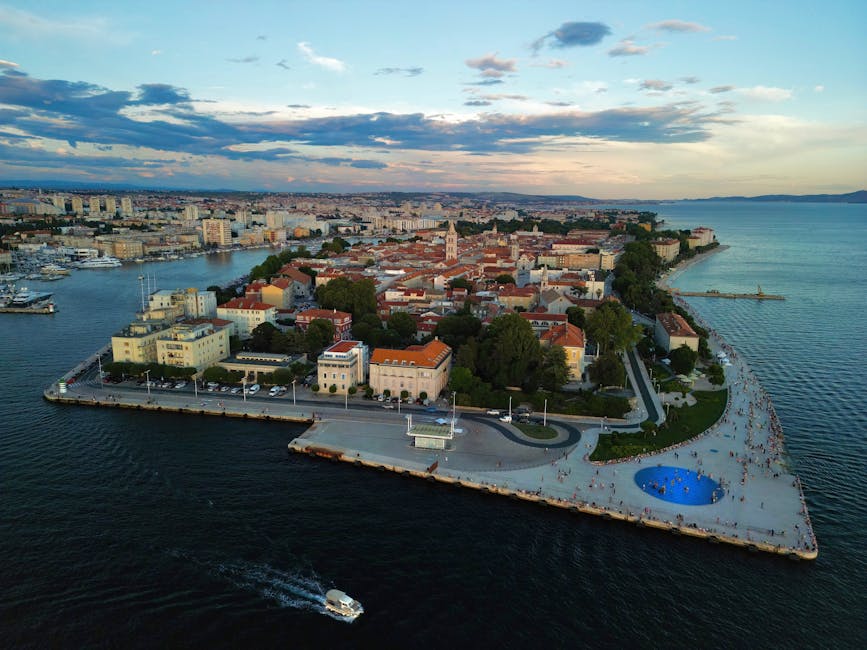
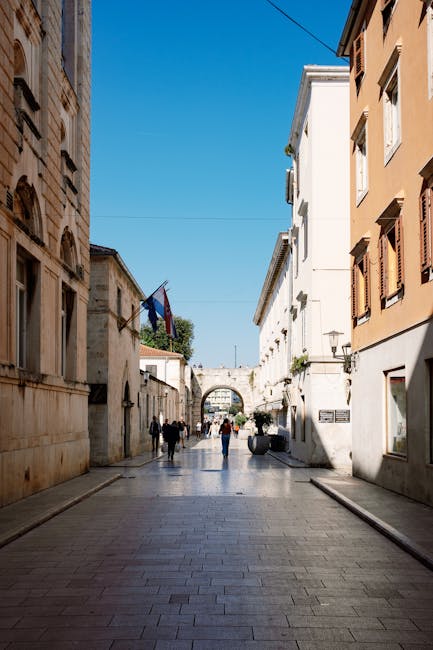
Finally, this guide includes visual recommendations (best photo spots) identified by image markers you can use to recognize landmarks, coastal panoramas and the city’s atmosphere. Those visual cues will help you judge whether your mental picture of Zadar in September matches the reality on the ground.
1) Unpredictable weather: when mild days turn uncertain
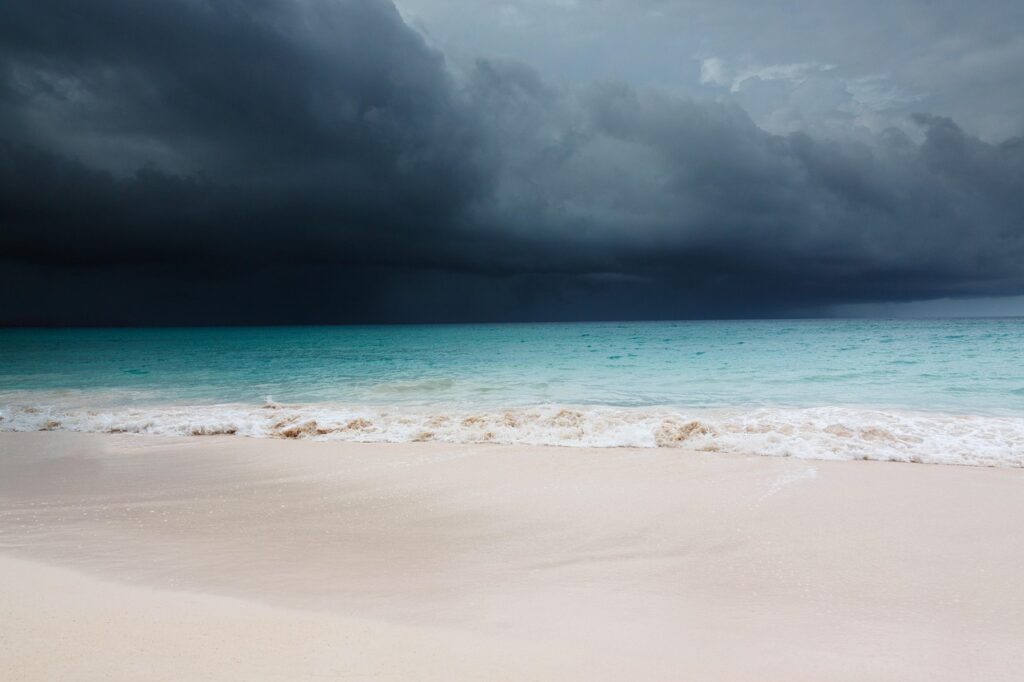
The main reason September isn’t automatically the best time in Zadar is the weather. Statistically, daytime temperatures in September are pleasant — typically between 20 and 26 °C — but those averages hide a lot of variability. Temperatures can drop quickly after sunset, the sea breeze turns chillier, and rain or thunderstorms become more frequent, especially toward the end of the month.
Practical consequences: sea activities and boat trips (Kornati tours, swims at secluded beaches, kayaking) are highly weather-dependent. Several local operators cancel or reschedule at the last minute. For example, the cruise company « Dalmacija Tours » (Božidara Petranovića 8, 23000 Zadar) often posts cancellations on windy days; tickets can be refunded, but you may lose half a day or more waiting. Indicative prices: Kornati archipelago trips generally cost €40–€75 per person depending on duration (full day 08:00–17:00). Typical departure times: 08:00–09:00.
Another concrete example: open-water swimming and diving are less predictable. Zadar diving centers like « Diving Center Capo » (Obala kneza Branimira 15, 23000 Zadar) or « Zadar Diving » (Riva Petra Zoranića 3, 23000 Zadar) sometimes reduce their outings in September. Discover scuba prices: €50–€80 depending on gear and duration. Typical departure times: often 09:00 and 14:00, depending on bookings and weather.
Finally, the northerly Bura or the westerly Maestral winds can make the coast rough or churn the sea within hours. Even a sunny day can bring cold sea, waves and a lower perceived temperature. If your trip focuses on beaches and regular sea activities, consider high season (June–August) or build significant flexibility into your September itinerary.
2) Reduced tourist services and the impact on cultural experiences
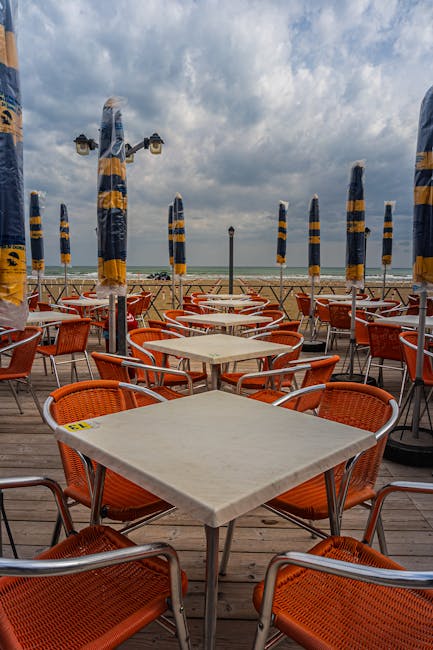
The second reason September can be disappointing is the gradual reduction in tourist services. Many seaside restaurants and cafés open mainly for peak season and then close or cut back hours after September 15–20. For instance, the restaurant « Kornat » (Obala Kralja Tomislava 3, 23000 Zadar), busy in July and August, can operate irregularly in September: opening hours often shortened to 18:00–22:00, sometimes only on Fridays and Saturdays. Average main course prices: €12–€25.
Guided tours in English or French may be less frequent. The « Zadar Tourist Board » (Trg Petra Zoranića 1, 23000 Zadar) provides brochures and info points, but organized trips to peripheral sites (like Nin, the Velebit Nature Park and nearby islands) are scheduled according to demand. If you enjoy guided commentary, book ahead and reconfirm 48 hours before departure. Typical rates: old town guided tour €60–€90 per group (up to 10 people), duration 1.5–2 hours.
Museums also adjust opening hours. For example, the Museum of Ancient Glass and the Archaeological Museum of Zadar often change their schedules outside high season. Approximate entrance fees: Museum of Ancient Glass €6–€8, Archaeological Museum €5–€7. Common hours: 10:00–17:00, sometimes closed on Mondays out of season. Check official websites before you go.
Even inter-island transport is affected: ferry and catamaran links to Dugi Otok, Ugljan, Pašman or Pag can drop from multiple daily runs in August to just one or two in September. Local operators like « Jadrolinija » (Biljni put 1, Zadar ferry port) publish timetables online, but frequency is lower and advance bookings are common. Indicative fares: Zadar–Dugi Otok €6–€12 depending on vessel type and season. Typical times: early morning (06:00–08:00) and late afternoon (17:00–19:00) during the low-rotation period.
3) Local vibes: appreciated calm versus a lack of nightlife
For many, September means tranquility: less crowded streets, shorter queues, and more space in restaurants. That’s true — but the shift can sometimes tip into a noticeable lack of nightlife and activity that surprises visitors looking for buzz. Seasonal bars, beach clubs and some open-air events close for the season or scale back their programs.
If you’re after outdoor concerts or festivals, note that the main highlights are concentrated between May and August. In Zadar, venues like the summer arenas or the Forum host occasional events; programming thins out in September. For example, the « Zadar Summer Theatre » music festival and many street festivals usually take place in July–August. In September, the calendar is lighter and evenings can feel quiet.
This drop in activity also affects independent travelers who rely on neighborhood life to soak up the atmosphere. Cafés such as « Kavana Arsenal » (Narodni trg 3, 23000 Zadar) may stay open but with reduced hours. Price pointers: espresso €1.50–€2.50; dessert €3–€6. Typical hours: often 08:00–22:00 in high season, sometimes shortened to 10:00–18:00 in September.
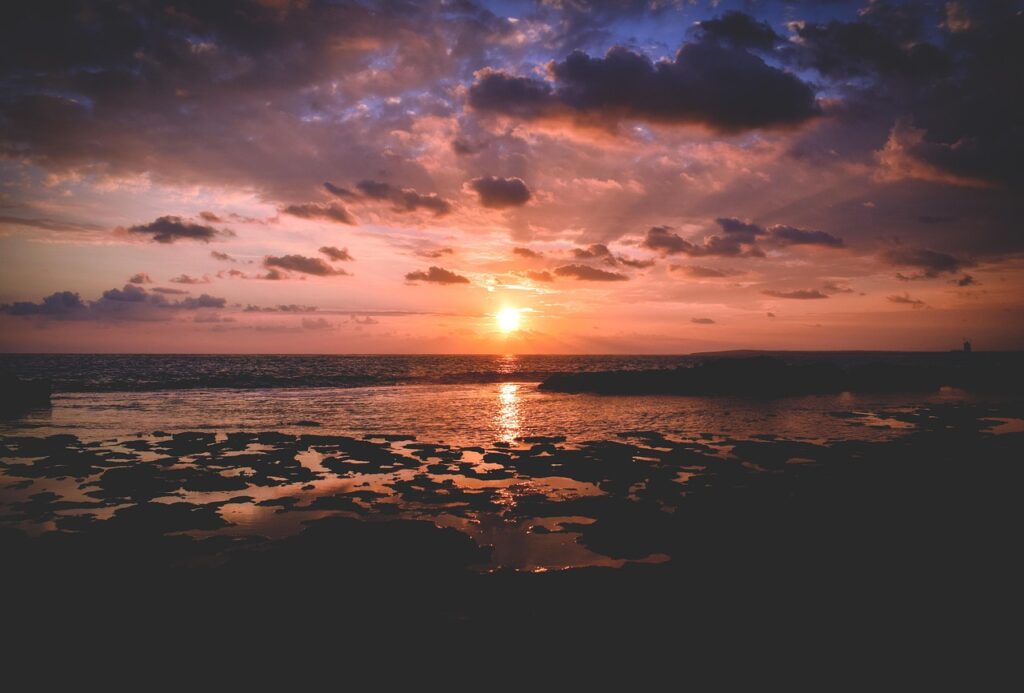
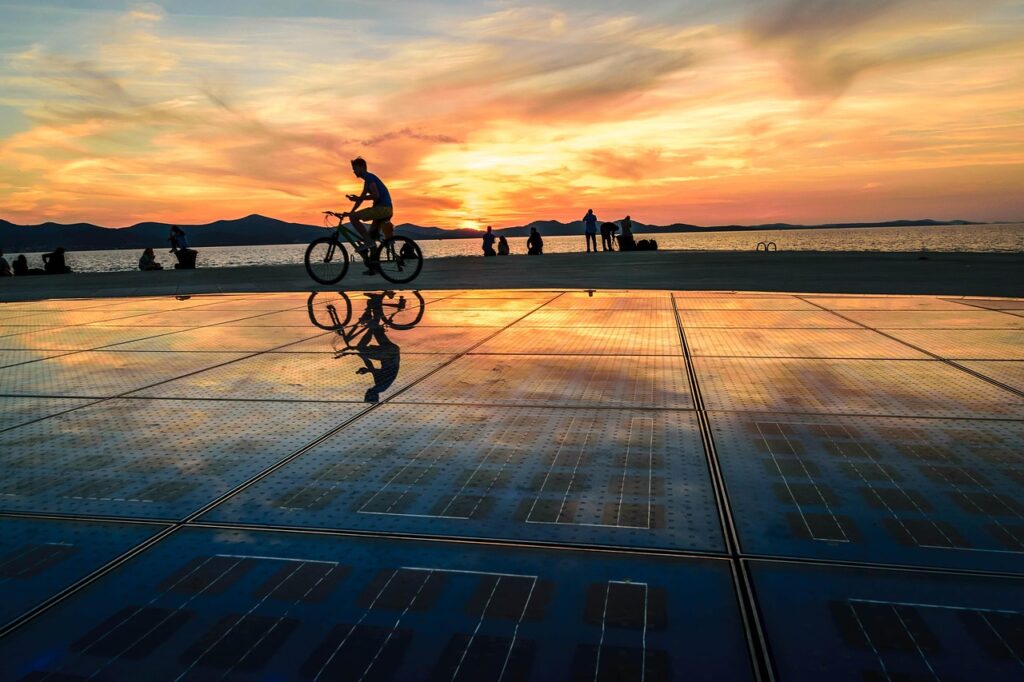
On the flip side, some travelers seek exactly this calm. Photographers, remote workers and couples appreciate quieter streets and intimate sunsets. At night, iconic spots like the Sea Organ — located on the promenade Obala kneza Trpimira 2, 23000 Zadar — retain their acoustic magic, but the crowd that made the experience communal in summer thins out. Access is free and the organ plays day and night, but the moment may feel less ceremonial without the summer audience.
4) Alternatives and practical tips to make the most of September
Don’t travel without a plan: September can be a great month if you adjust your expectations. Here are concrete recommendations — addresses, hours and estimated budgets — to optimize your stay.
- Book flexible accommodation: favor hotels or apartments with free cancellation up to 48–72 hours before arrival. Example: Hotel Bastion, Trg Jurja Dalmatinca 1, 23000 Zadar — rooms from €75 per night in September; 24-hour reception, check-in 14:00, check-out 11:00. Small family-run places may drop their rates but sometimes close early; check opening policies.
- Confirm restaurants and activities: call the day before to confirm hours. Popular dining spots: Restaurant « Foša » (Obala kneza Branimira 4, 23000 Zadar), main courses €15–€30, typical hours 12:00–22:30; reserve for weekends. For fresh seafood, « Pet Bunara » (Poljana Jurja Dalmatinca 2) is well regarded — mains €12–€28.
- Plan alternatives for excursions: if a sea trip is cancelled, have a plan B such as visiting museums (Museum of Ancient Glass, €6–€8; Archaeological Museum €5–€7) or renting an e-bike to explore the Puntamika peninsula (rental about €12–€20 per day).
- Pack for variable weather: a windbreaker, a light rain jacket and layers usually do the trick. Evenings can be cool (14–18 °C).
- Pick the timing carefully: early vs late September: early September (1–10) retains many summer perks: more services open and steadier temperatures. Late September (20–30) often sees a steeper drop in services and more unstable weather.
For transport: the ride from Zadar Airport (Zračna luka Zadar, Put Murvice 21, 23000 Zadar) to the city center takes about 15–20 minutes by taxi (fare €15–€20) or 30–40 minutes by bus (lines 2 or 10 depending on schedule, ticket around €2). Check bus frequencies: in September services are slower than in high season.
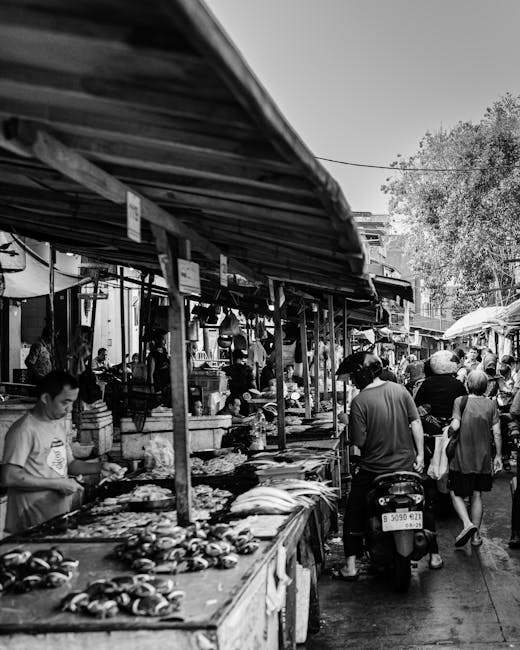
Finally, for a richer local experience, explore Zadar beyond the busiest sights: stroll the fish market « Ribarnica » near Narodni trg (open mornings 06:00–11:00), buy local cheese (Paški sir) and Dalmatian tomatoes, and finish with an aperitif at sunset by the « Greeting to the Sun » (Pozdrav Suncu, Obala kneza Trpimira 2), the circular light installation that powers up at dusk.
Conclusion — September in Zadar: a matter of expectations and preparation
In short, September in Zadar is neither automatically ideal nor something to avoid at all costs. It’s a transition month: it brings clear benefits (fewer crowds, lower accommodation rates, a more authentic vibe) but also concrete downsides (unstable weather, reduced services, fewer nighttime activities). The secret to enjoying Zadar in September lies in anticipation and flexibility.
Before you book, ask yourself what matters most: regular beach and sea activities (favor July–August), quiet light for photography (early or mid-September can work), or lower prices and cultural immersion (late September may offer bargains but carries the risk of more closed services). If you pick September, book major excursions and popular restaurants in advance, reconfirm schedules the day before, and keep backup plans in case of weather-related cancellations.
Addresses and information quoted in this guide — airports, museums, restaurants and cruise companies — should be checked in real time before departure: hours and prices change, especially outside high season. A few must-see sites remain reliable year-round, such as the Sea Organ (Sea Organ, Obala kneza Trpimira 2, 23000 Zadar — free access, continuous acoustic experience) and the « Greeting to the Sun » installation (Pozdrav Suncu, same location — lights at sunset). For sea excursions and diving, allow room for last-minute changes.
Bottom line: travel informed, adapt your expectations, make strategic reservations and view September as a chance to discover a more intimate Zadar — provided you accept a few compromises. With these practical tips and an understanding of seasonal variations, your September stay can be enjoyable, even if different from the summer buzz.