





Introduction — Why (Sometimes) Avoid Boat Tours in Zadar and How to Really Discover the City
Zadar, a Dalmatian gem on the Adriatic, charms with its oddball mix of Roman ruins, medieval streets, a modern seaside promenade and a buzzing contemporary creative scene. Still, for many visitors the go-to suggestion from local and international tourism offers tends to be boat trips: short cruises to nearby islands, sunset mini-cruises, island-hopping circuits or high-speed speedboat outings. These trips have their perks — access to coves you can’t reach on foot, the sensuality of the sea and a touch of exoticism — but they shouldn’t be an automatic box to tick. They’re often overhyped, costly, crowded, and they can make you miss more authentic, slower, and sometimes free experiences that show Zadar as locals live it.
This article offers an alternative approach: smart land- and island-based options that let you feel the soul of Zadar without falling for the typical tourist boat trap. « Against the tide » doesn’t mean anti-sea — it means redirecting your energy to more sustainable, more local and often cheaper experiences. You’ll find architectural strolls, must-see museums, unexpected viewpoints, bike rides along parks and the coast, affordable public transport options to reach islands if you want them (but without the tourist convoy vibe), and cafés and restaurants that embody everyday Zadar life.
I’ll list exact spots, full addresses, typical opening hours, prices in euros or approximate conversions, and practical tips to avoid queues, tourist traps, and to get the most out of the atmosphere: where to watch sunset without getting jostled, which alleys to explore at dawn, which museums to visit on a rainy day, and how to get around town without a car. Pricing and opening times are indicative (they vary by season); I’ll also point out free or low-cost alternatives.
By the end you’ll have a concrete guide to reshuffle your priorities: swap a boat ride for a half-day of urban discoveries, save the maritime excursion for a genuine adventure (for example, a public ferry to Ugljan), or pick a more intimate sea experience (sunrise paddle with a local guide). The goal is simple: help you experience Zadar differently — slower, deeper, more sustainably.
1) Wander the Old Town: the historic heart, free and packed with discoveries (250+ words)
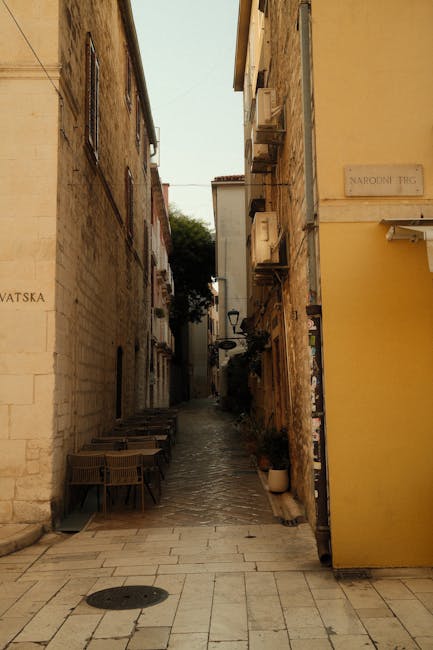
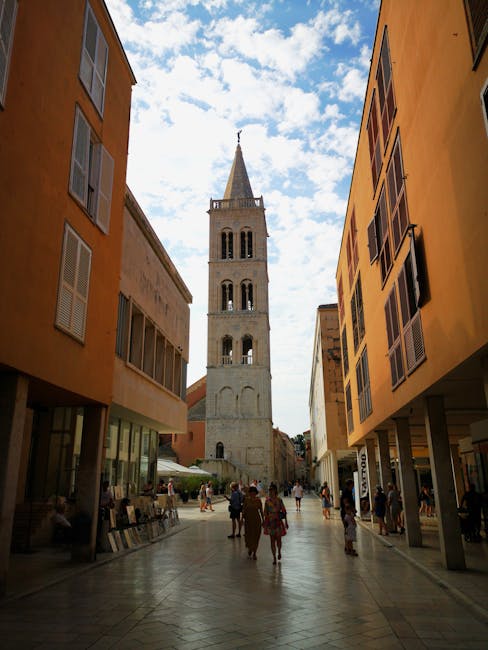
Zadar’s old town, set on its little peninsula, is best explored on foot. Start on the main historic thoroughfare known as Kalelarga (Ulica Kalelarga / Ul. Široka), then head to the key spots: the Church of St. Donatus (Crkva sv. Donata / Church of St. Donatus) on the Forum square, the Roman Forum and Zadar Cathedral (Katedrala sv. Stošije). These places tell the story of the city from Roman times through Byzantine and Venetian eras.
– Church of St. Donatus, Trg Petra Zoranića (Saint Donatus Square), 23000 Zadar — an iconic 9th-century landmark, easily recognized by its circular shape and visibility from the waterfront. Admiring the exterior is free; interior access sometimes requires a small contribution (varies with events, roughly 20–40 HRK, about €2.5–€5.5).
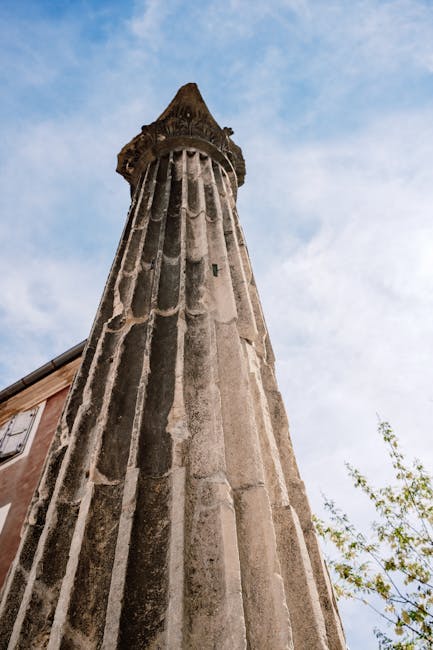
– Roman Forum (Forum Romanum), Trg Žrtava Fašizma / Trg Petra Zoranića 1, 23000 Zadar — Roman remnants right in the city center: columns, reliefs and the original urban layout. Free and open day and night; ideal early in the morning when the light is soft and the square is empty.
– Zadar Cathedral (Katedrala sv. Stošije), Trg sv. Frane 1, 23000 Zadar — typically open 08:00–19:00 in summer, 08:00–17:00 in winter; entry to the nave is free, while the bell-tower climb is usually 20–30 HRK (≈€2.7–€4) for a panoramic view of the peninsula.
Tips: aim for early morning or after 20:00 to avoid tour groups. Carry a paper map (or an offline screenshot) as narrow alleys and small squares can lose mobile signal. Don’t miss covered passages and inner courtyards: Ul. Sv. Krševana and Ul. Ulica Kalelarga are full of cafés and tiny galleries. For an authentic break, stop at Kavana Arsenal (Address: Poljana kralina Petra Krešimira IV 1, 23000 Zadar) — a café set in a historic space where you can sip an espresso facing the Maritime Rescue Museum.
2) Waterfront and contemporary installations: the Sea Organ, Greeting to the Sun and walks worth taking (250+ words)
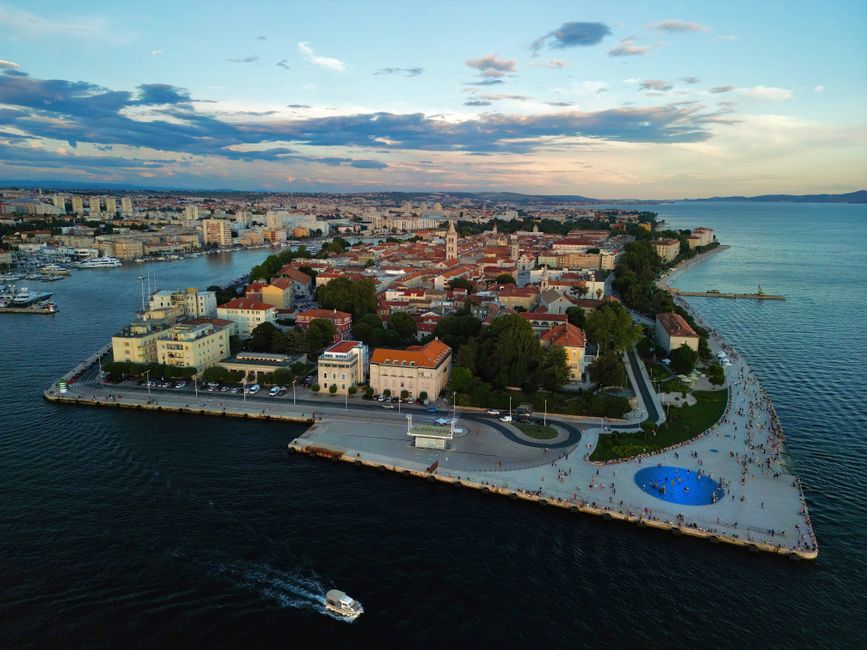
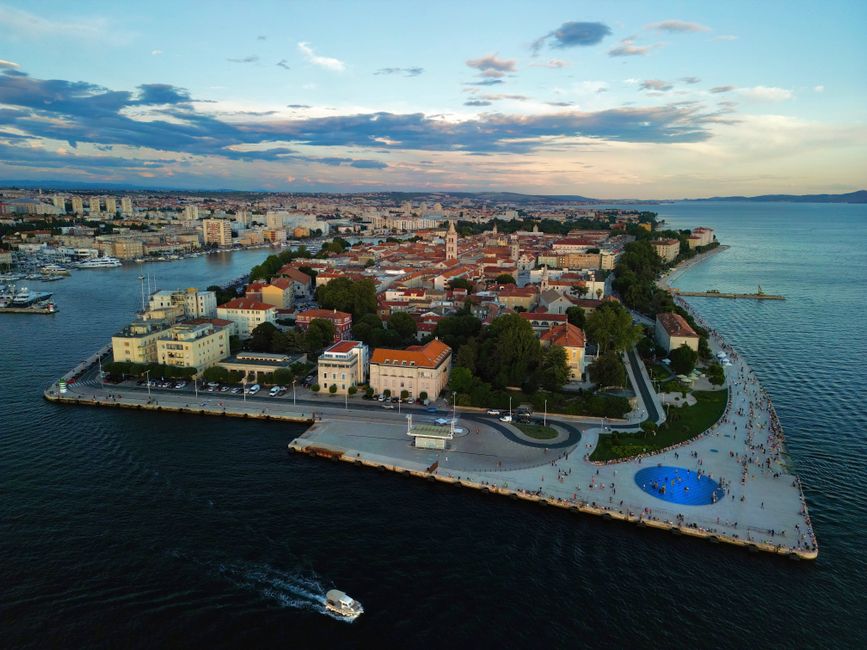
Zadar’s waterfront is one of the city’s most elegant modern signatures. Here contemporary public art blends with the natural setting: you breathe, you listen, you look. Two installations have made this seafront famous worldwide — the Sea Organ (Morske orgulje) and the Greeting to the Sun (Pozdrav Suncu) — located along the main promenade, Obala Kneza Branimira / Obala Petra Krešimira IV, 23000 Zadar.
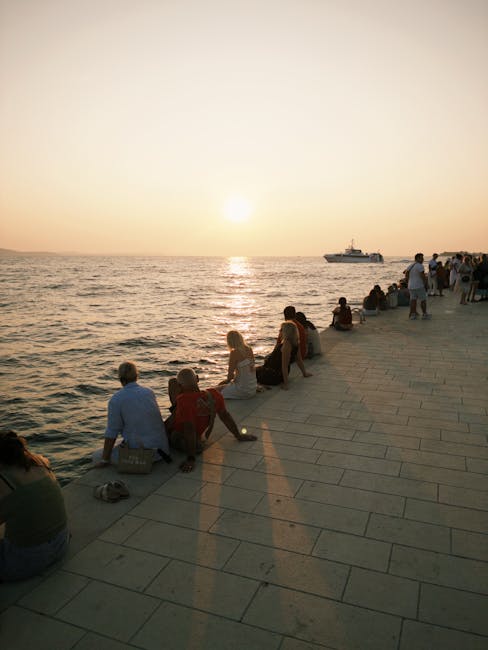
– Sea Organ (Morske orgulje), Obala kneza Branimira / Obala Petra Krešimira IV, 23000 Zadar — free. Designed by Nikola Bašić, this sound sculpture turns wave movements into music. It can be heard throughout the day, but its full effect comes at sunset when light skims the stone steps. Great for sitting and watching locals and visitors. Local tip: avoid peak tourist hours (19:00–21:00 in summer) if you want a quieter moment.
– Greeting to the Sun (Pozdrav Suncu), same location — a large slab made of concentric glass photovoltaic circles that light up at dusk, creating a choreographed light show often synchronized with the Sea Organ. Free. The spectacle really starts after dark and can run until around 23:00 depending on the season.
Recommended walk: start at the Five Wells Square (Trg Pet Bunara) and follow Obala Kralja Petra Krešimira IV toward the Sea Organ; continue to the Peristyle Point for views of the archipelago. The coastal walk includes benches, viewing spots and small public beaches for a quick dip — for instance near Kolovare Beach (Ul. Domovinskog rata 22, 23000 Zadar), a 10–15 minute walk from the center.
Hours and costs: these installations are freely accessible; the promenade is paved and stroller-friendly. To extend the experience, Café Bar « Sunset » (Obala Kralja Petra Krešimira IV 3, 23000 Zadar) serves drinks until 23:30 and offers a great view. Expect about €3–€6 for a coffee, €5–€10 for a cocktail.
3) Museums, workshops and indoor experiences: rich alternatives when the sea tires you (250+ words)
Zadar is also a cultural destination with lesser-known museums and workshops that tell the local story, craftsmanship and old maritime practices. If you want to replace a boat tour with a focused morning or afternoon, here are the places to prioritize.
– Archaeological Museum Zadar (Arheološki muzej Zadar), Trg opatice Čike 1, 23000 Zadar. Typically open 10:00–18:00 (seasonal variation). Entrance around 30 HRK (≈€4). The museum displays objects from prehistory to the Middle Ages, including mosaics and Roman artifacts that add context to the ruins you see around town. Tip: allow at least 1.5 hours to properly see the galleries.
– National Museum Zadar – City Museum (Zemaljski muzej Zadar / Gradski Muzej Zadar), Trg Petra Zoranića 1, 23000 Zadar. Usually open 09:00–17:00. Entry around 20–40 HRK (≈€2.7–€5.5). This chronological museum helps you understand urban development and Venetian and Austro-Hungarian influences.
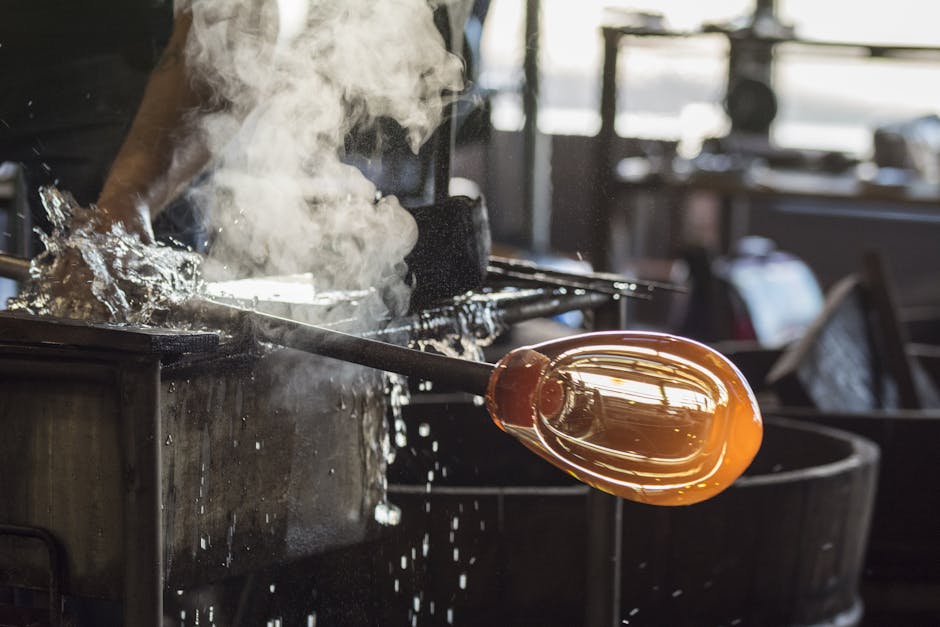
– Museum of Ancient Glass (Muzej antičkog stakla), Ul. Pavla Pavlovića 7, 23000 Zadar. Hours roughly 09:00–18:00 in high season; entry often around 40 HRK (≈€5.5). Unique in Croatia, it showcases the tradition of glassblowing from antiquity to today. Workshops and live demos are sometimes scheduled — perfect if you want to watch a demonstration without going out on the water.
– Museum of Illusions Zadar, Ulica Jurja Barakovića 10, 23000 Zadar. Open 10:00–20:00. Price around 60 HRK (≈€8). Great for families and a playful break between strolls.
Practical tips: buy combo tickets when possible (some museums offer discounts for combined visits). After your visit, hunt down local craft workshops on Ul. Stomorica and Ul. Krševan; you’ll find ceramics, jewelry and small photography galleries. If the weather turns, a half-day of museums gives you a full cultural substitute without losing touch with the city.
4) By bike and on foot: land routes for panoramas, parks and hidden beaches (250+ words)
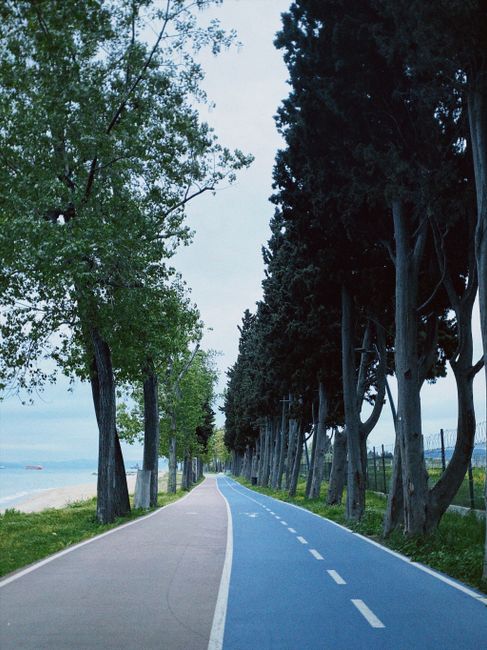
Zadar is especially well-suited to slow explorations by foot and bike. The central peninsula is compact; from the historic center you can reach beaches, parks and viewpoints in 10–30 minutes — without the boat crowds.
Bike rental: « Yamaha Bike Rental » / « Zadar Bike Tours » — several shops rent city bikes, e-bikes and helmets. Example: Zadar Bikes, Address: Ulica Zadarskih ronioca 8, 23000 Zadar. Indicative rates: €2–€3 / hour for a regular bike, €15–€25 for a day; e-bikes €20–€35 per day. Opening hours: 08:00–20:00 in high season.
Route #1 (coast and parks, ~2–3 hours): start at the Sea Organ, follow Obala Kneza Branimira to Kolovare Beach (Ul. Domovinskog Rata 22, 23000 Zadar) — dip your toes if the weather allows — then head to Vladimir Nazor Park (Poljana Vladimira Nazora, 23000 Zadar), a green space perfect for a break. Continue on the bike lane toward Puntamika and the Veli Bok lighthouse (Puntamika 1, 23000 Zadar) for views of the archipelago.
Route #2 (natural peninsula, ~3–4 hours): take the coastal road to the Debeli Bok forest park, then return via the interior road through residential neighborhoods where you can feel local life. Recommended stops: the fish market (Ribarnica, Ul. Đure Deželića 7), local bakeries (breakfasts from €3–€5).
Practical tips: bring water and sun protection, check brakes if renting an older bike, and park in official bike stands to avoid fines. Less confident cyclists should opt for an e-bike, especially in summer when climbs to viewpoints can be tougher.
5) Smart land-sea excursions: public ferries, hikes to marine viewpoints and sustainable alternatives (250+ words)
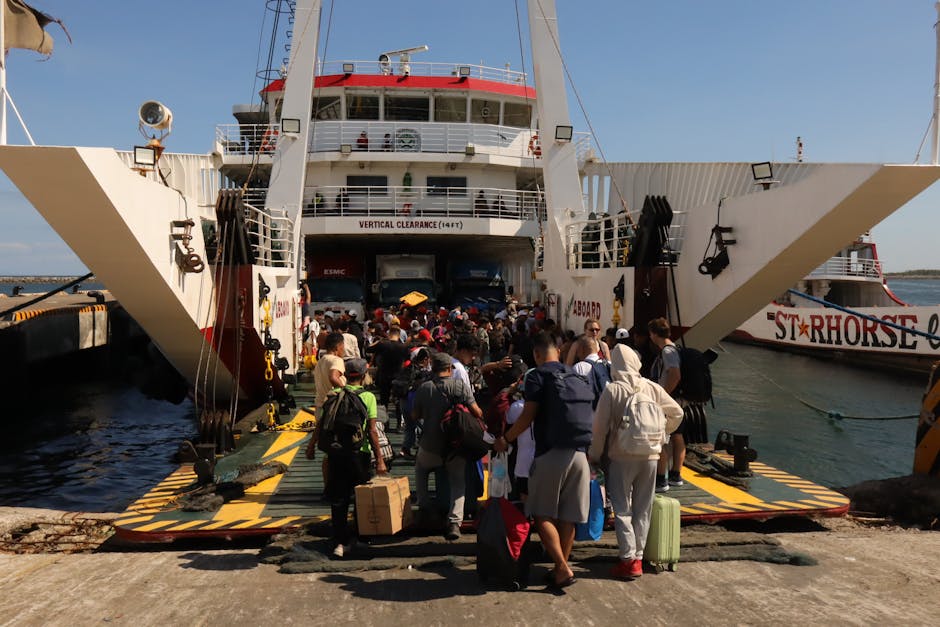
If seeing the islands is a must but you want to avoid expensive organized tours, there are smarter options: take the public ferry or hop on catamaran lines serving nearby islands. These options are less scripted, often cheaper, and let you build your own day on the island.
Ferries and regular lines: Jadrolinija (the national ferry company) runs regular connections from Zadar port (Luka Zadar, Obala kneza Branimira 1, 23000 Zadar) to Ugljan, Pašman, Dugi Otok and other islands. Example: Zadar ↔ Preko (Ugljan) — roughly a 25-minute crossing; approximate price €3.3–€5.5 one way (25–40 HRK), depending on season. Several departures daily, more frequent in high season (May–Sept). Check the official Jadrolinija.hr site for up-to-date timetables.
Why choose the ferry? You avoid « 3 islands in 1 day » tourist packs that give you 45 minutes per stop. With the ferry you can stay on the island you prefer all day, rent a bike (around €15–€25/day) and explore coves away from crowds. For example, Preko on Ugljan (Trg A. Stepinca 1, 23273 Preko, Ugljan) offers small beaches and peaceful coastal paths.
Panoramic hikes: for spectacular views without a boat, consider hikes to viewpoints like those in Telašćica Nature Park (if you take a local ferry to Dugi Otok and stay longer), but on the mainland look for small headlands such as Sveti Mihovil and the forest park Puntamika. Hikes take from 30 minutes to 2 hours depending on the path and reward you with archipelago panoramas minus the boat crowds.
Local tips: buy ferry tickets at the counter or via the official app to avoid middlemen; leave early to secure a good spot on board and catch the soft morning light for photos. Pack a picnic if you plan to explore all day — island restaurants can be limited or very touristy.
6) Food and markets: food walks to replace the buzz of a tourist boat (250+ words)
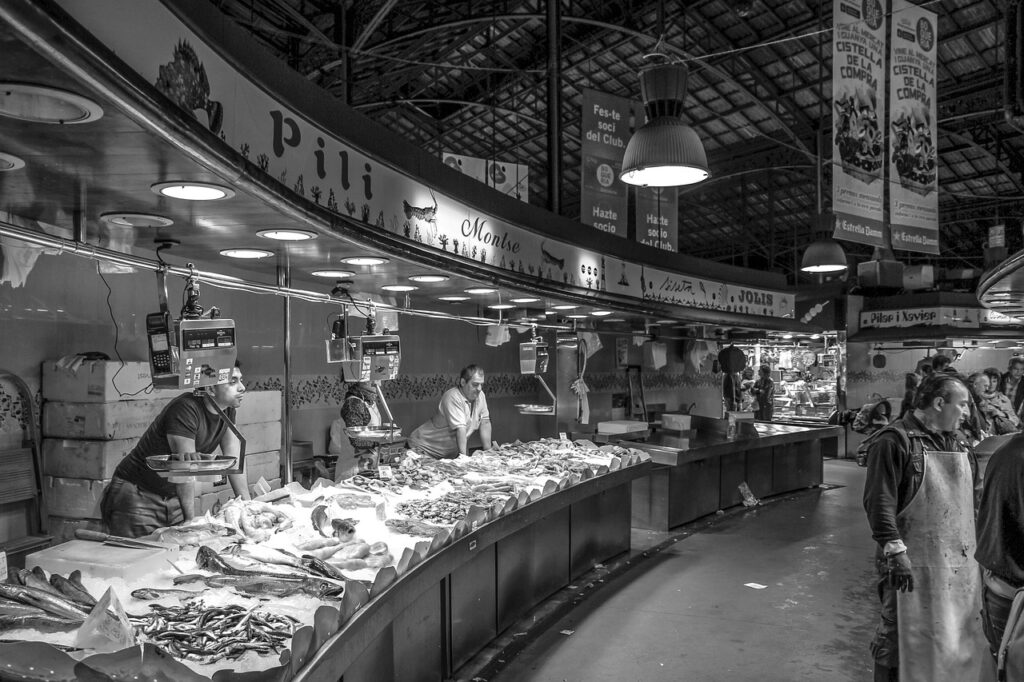
A strong alternative to a boat outing is to dedicate time to food discovery: markets, tastings, small local restaurants and wine bars. Zadar’s cuisine is a clever mix of seafood, inland produce and Mediterranean influences. Eating local will get you chatting with people, exchanging stories and learning culinary traditions more than from a boat deck.
City market (Tržnica Zadar), Obala Kralja Petra Krešimira IV, near the port — typically open early every morning (06:00–12:00), fuller on weekdays. You’ll find freshly caught fish, vegetables, local cheeses like Paški sir (Pag cheese) and olive oil. Prices: grilled fish €8–€15, olives and cheeses €2–€6 per takeaway portion.
Recommended restaurants:
– Konoba Skoblar, Ulica Zadarskih Jezera 5, 23000 Zadar — a traditional konoba with local fish specialties and mezzes. Main courses €12–€20.
– Restaurant Pet Bunara, Trg Pet Bunara 8, 23000 Zadar — near the Five Wells Square, modern Mediterranean cuisine, mains €10–€25.
– Kornat Traditional Food, Ul. Pavla Pavlovića 2, 23000 Zadar — small family place with daily menus €8–€12.
Tips: book for dinner if you want a sunset table (especially July–August). Ask for the « catch of the day », and for a local immersion try pašticada (slow-cooked beef) or grilled octopus. Cafés open early; Caffe Bar Fontana on Trg Petra Zoranića is a good spot for coffee and breakfast from around €3.
Conclusion — Reframe your trip: favor time and authenticity over the speed of boat tours
Going against the tide of boat tours in Zadar isn’t rejecting the sea — it’s choosing a slower, richer and often more personal discovery. By prioritizing the old town, the modern waterfront installations, museums, bike rides, public ferries and local cuisine, you build an itinerary that respects Zadar’s rhythm and avoids the feeling of being « parked » on a standardized route. This approach lets you appreciate the details — a hidden Roman façade, a café terrace where locals gather, the sound of the Sea Organ steps, the light on the Forum stones — elements a boat tour will only show you superficially.
Practically, adapt your plan to the weather: sunny days call for beaches and the promenade; rainy days mean museums and workshops. If you really want to visit an island, prefer regular ferry connections (Jadrolinija) over organized tours: you’ll save money, gain freedom and take part in local island life. And remember: curiosity and slowness are your best guides — get up early, wander the alleys, talk to a market seller, or sit for an hour on the Sea Organ steps and listen to the sea. You’ll return from Zadar with more than photos: a true understanding of a unique place that only reveals itself to those who take their time.
Enjoy your stay in Zadar — whether you stay firmly on land, take public ferries, or find a mix that suits you, these alternatives will help you see, hear and feel the city beyond the overplayed boat tours.