





Introduction — Skip the Packaged Boat Tours: Why Walking Unlocks the Real Zadar
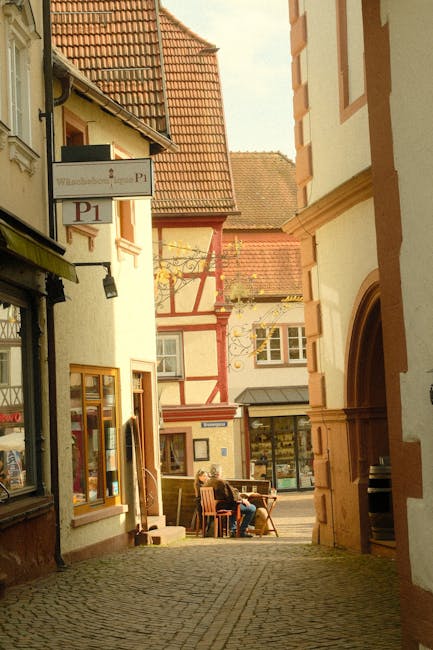
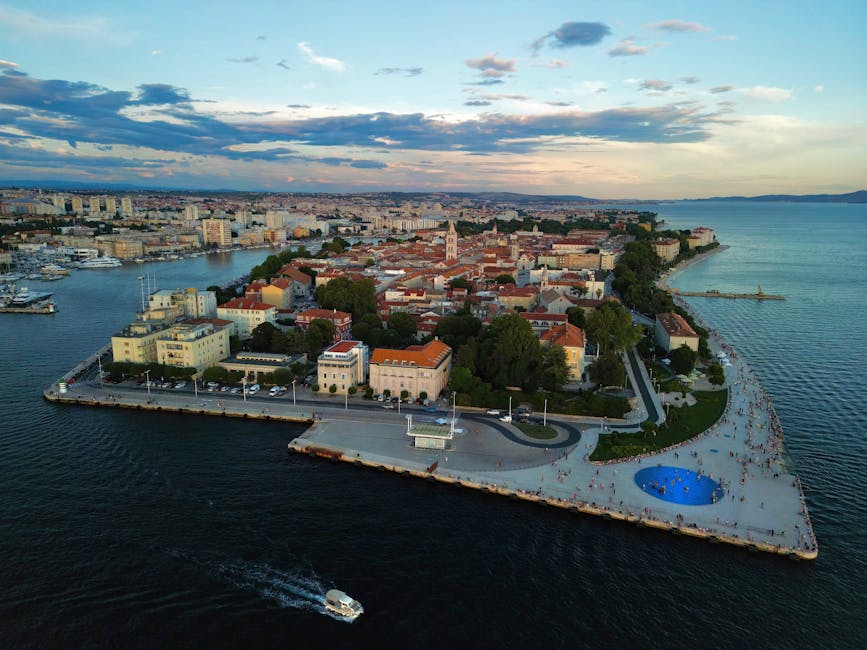
Zadar isn’t just another stop along the Dalmatian coast — it’s a city where sea, stone and daily life blend together with every step. Group boat tours often promise a turnkey view of the region: a string of viewpoints from the deck, quick stops and a crowd following a preset route. But in Zadar, walking changes everything: the space between monuments becomes a story, the wind and local chatter form the soundtrack, and little details missed by nautical itineraries keep revealing themselves. This piece gently but practically argues why skipping the packaged boat trips and exploring Zadar on foot delivers a richer, more authentic — and often cheaper — experience.
Starting on foot means you’re free to study Roman architecture up close — the cracks, old graffiti, layers of repairs — to duck into a café not listed in international guides and ask the barista what fish was caught that morning. It also means you can stay an extra hour at the Morske orgulje (Sea Organ) as the light shifts and the sea instrument moves from a low rumble to a high sigh. Boat tours tend to atomize time: 20 minutes here, 15 minutes there. Walking, by contrast, makes the place linger. On foot you’ll uncover the Roman Forum, the Church of St. Donatus (Crkva svetog Donata), small artisan shops, local markets and sweeping views of the archipelago surrounding Zadar — every stop earned and savored.
Practically speaking, walking also gives you flexibility: change your route with the weather, shelter under an arcade during a summer downpour, or extend a tasting without a schedule breathing down your neck. Financially, it’s often cheaper: the main promenades like Obala kralja Petra Krešimira IV (the Riva) are free, and local museums tend to charge modest fees — often around €3–7 — offering a depth no quick boat-side glance can match. On a human level, walking makes it easier to meet Zadrani (the locals): a market vendor, a musician on the Riva, an elderly woman sharing stories of Zadar before the war. Those interactions turn a trip into a memory.
In this guide, I’ll take you through five routes and approaches that prove why walking beats packaged boat tours in Zadar. Each section pairs exact addresses, opening hours, prices in euros, immersive descriptions and local tips so you can craft your own on-foot itinerary. Lace up comfortable shoes, bring a refillable water bottle and bring a boundless curiosity: Zadar reveals itself to those who slow their pace.
1. The Riva and the Seafront Walk: Morske orgulje and Pozdrav Suncu (250+ words)
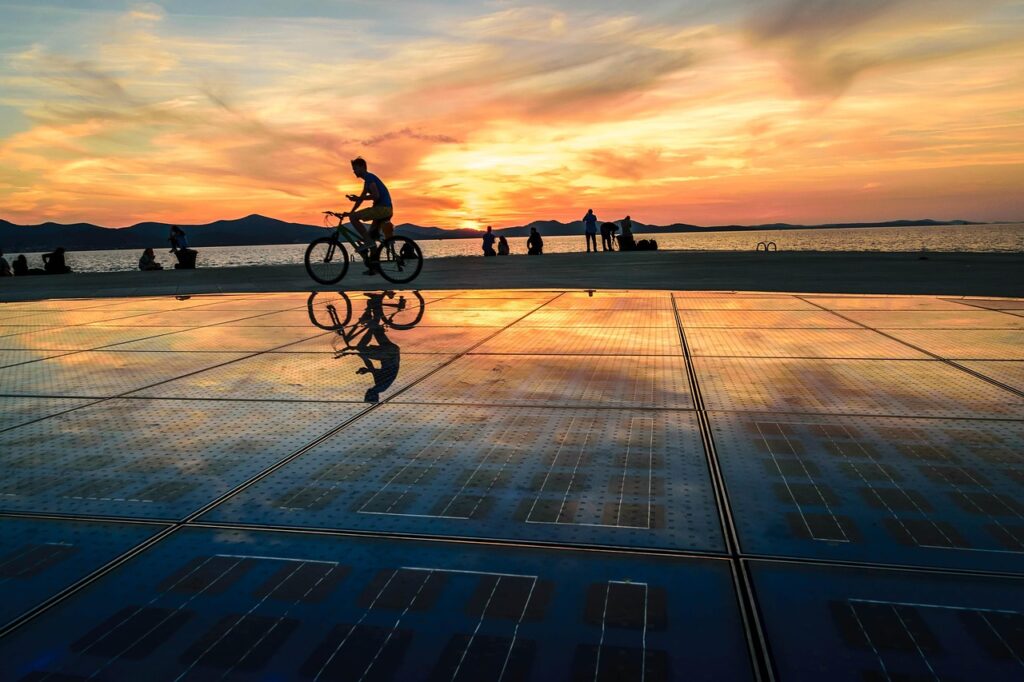
The seaside promenade on Obala kralja Petra Krešimira IV is Zadar’s visual heartbeat. Here you’ll find two installations that have reshaped the city’s public experience: the Morske orgulje (Sea Organ) and the Pozdrav Suncu (Greeting to the Sun). Shared address: Obala kralja Petra Krešimira IV, 23000 Zadar, Croatia. Both installations are free and open around the clock; you can visit any time of day.
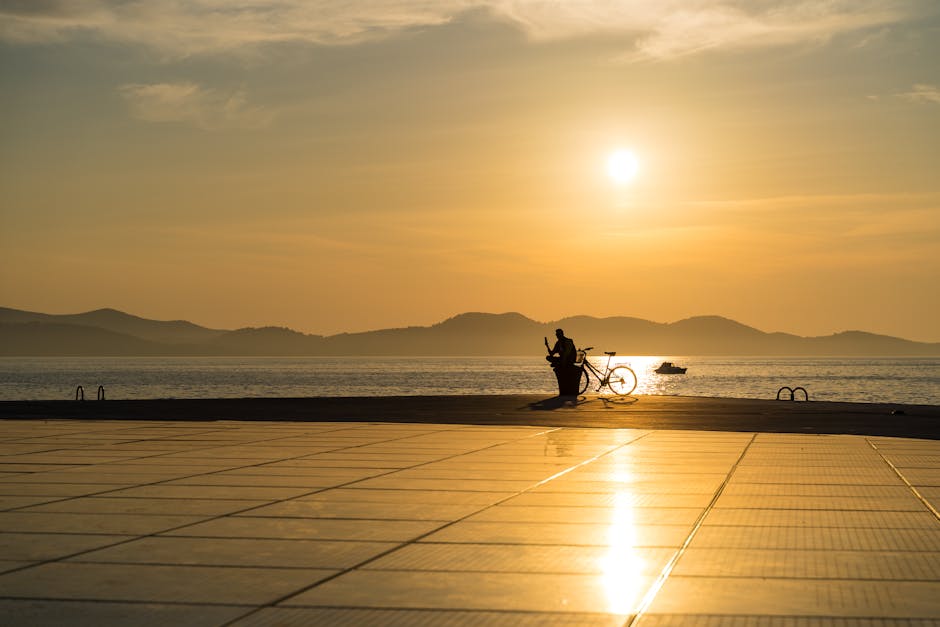
The Morske orgulje, designed by architect Nikola Bašić and completed in 2005, are a series of openings and steps built into the shoreline that use the power of waves to produce music. When the tide is active, the sounds can surprise you: deep bass notes, short gusts and clear tones depending on wind and wave direction. The place is especially magical at sunset when the light turns the facades pink and the sounds blend with conversation. Local tip: arrive about 45 minutes before sunset to claim a spot on the steps; bring a windbreaker — the breeze can be cool even in summer.
The Pozdrav Suncu, also by Nikola Bašić, sits on the same esplanade and consists of a 22-meter glass photovoltaic disc that stores solar energy during the day and produces a light show at night. The installation is always active but the light performance starts at dusk and continues for several hours. Practical advice: the surface is exposed glass — wear shoes with good grip if you walk on it, especially when it’s wet. For photos, the golden hour (about an hour before and after sunset) is ideal to capture both sea and artificial light.
Tourist practicalities: access is free and no reservation is required. If you want a drink after your visit, Bar Pet Bunara (Riva area) is nearby and serves coffees and cocktails from €2.50 to €6.00 depending on the choice. Peak times are between 19:00–21:30 in summer; if you prefer quiet, visit early morning between 07:00–09:00.
2. The Historic Core on Foot: Roman Forum, Church of St. Donatus and Narodni trg (250+ words)
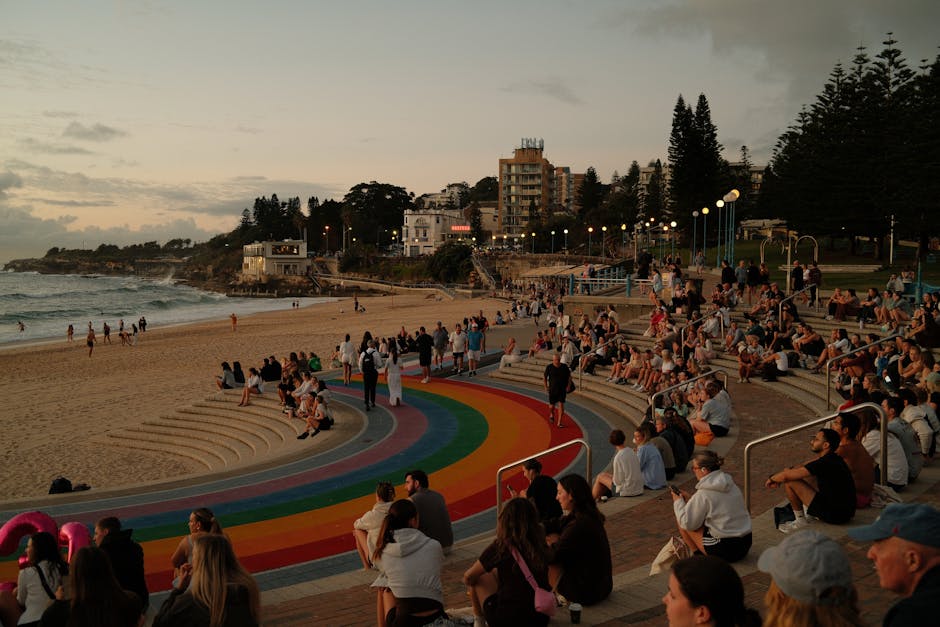
Zadar’s historic center is compact and best explored on foot through its narrow lanes and medieval squares. Start at the Roman Forum (Trg Petra Zoranića), which sits at the heart of the old town and is flanked by the cathedral and other civic buildings. Let your feet lead you to the famous Church of St. Donatus (Crkva svetog Donata) at Trg Petra Zoranića 1, 23000 Zadar — one of the city’s late Byzantine-Romanesque icons. Entry is usually subject to a small contribution: around 15 HRK (~€2.00) for maintenance; indicated opening hours are roughly 09:00–17:00 (may vary by season).
The church’s cylindrical form and open interior create remarkable acoustics: you’ll hear the resonance of voices or impromptu small concerts. Don’t miss the viewpoint around the church terrace: the Adriatic Sea, offshore islets and the modern silhouette of the Greeting to the Sun make for a striking contrast. After St. Donatus, wander toward Narodni trg (People’s Square, Narodni trg 1, 23000 Zadar) — a plaza ringed with cafés, restaurants and weathered buildings. It’s a perfect spot to watch daily life: bakers unloading hot breads, elders playing cards under the arcades, and seasonal markets (fruit, handmade textiles) that sometimes set up there.
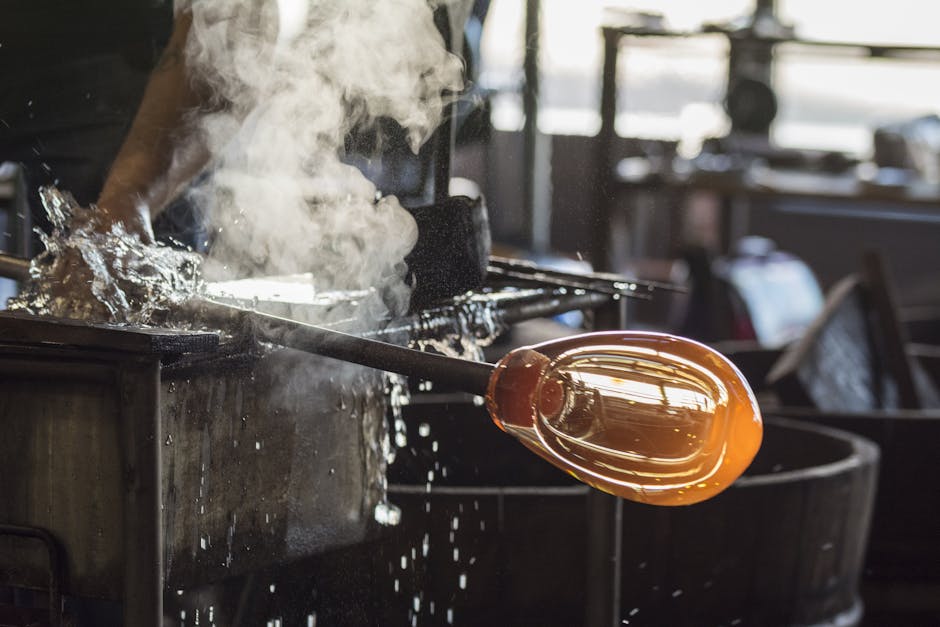
To deepen your historical understanding, plan a visit to the Museum of Ancient Glass (Muzej antičkog stakla), Ul. Jurja Barakovića 6, 23000 Zadar: indicative price 30 HRK (~€4.00) for adults; opening hours 10:00–18:00 (closed some winter days). The museum houses remarkably preserved Roman glass pieces and occasionally hosts live glassblowing demonstrations. Local tip: pair the museum visit with a coffee break at Pasticceria Donat (near the Forum) to sample local pastries — an espresso costs around €1.20–1.50.
3. Museums and Small Finds: Archaeology, Ancient Glass and Local Workshops (250+ words)
Zadar packs a number of compact museums that together make up for the lack of a single big-ticket attraction. On foot you can hop between institutions that collectively tell the city’s millennia-old story. Start at the Archaeological Museum Zadar (Arheološki muzej Zadar), located at Trg opatice Čike 6, 23000 Zadar. Prices and hours: adult ticket about 40 HRK (~€5.50); approximate opening times 09:00–17:00, with occasional Monday closures off-season. The museum shelters Illyrian stelae, Roman artifacts and medieval finds, and provides explanatory panels in English.
Continue to the Museum of Ancient Glass (Ul. Jurja Barakovića 6), already mentioned, which is just a few minutes away on foot. A highlight is the demonstration room where local artisans blow glass using ancient techniques — a show that turns history into something tangible. Fees for demonstrations are sometimes included with admission; otherwise a donation of €1–3 is common.
Between museums, seek out small galleries and craft workshops: Ulica Kalelarga (the main pedestrian street) and its side alleys host leatherworkers, potters and artisanal jewelers. Many shops post opening times on their doors; most are open 09:00–13:00 and 17:00–20:00 in high season. Practical tip: if an item catches your eye, don’t be shy about talking price — informal bargaining is accepted in many independent shops.
Cultural reminder: local museums may change hours depending on the tourist season. Before heading out, check official websites (search for « Archaeological Museum Zadar official » and « Museum of Ancient Glass Zadar ») or call when possible. Traveling on a budget? Several museums offer discounts for students, seniors and holders of the Zadar Card (local tourist card) — ask at the entrance.
4. Markets, Cafés and Local Breathers: Where to Eat, Drink and Listen to Zadar
Walking pay off when you want to find the best spots to eat, drink and observe local life away from tourist menus. The green market near the Forum and along Trg Petra Zoranića offers seasonal fruit, vegetables, cheeses and fish. Indicative address for the central market: Trg Petra Zoranića / Trg Narodni, 23000 Zadar. Vendors often price in kunas, but you can ask for euro equivalents; expect to pay about €1.00–3.00 for fresh peaches, €5–7 for a kilo of tomatoes in high season.
For a morning coffee, try Café Kornat (several locations around town) or Kavana Frapa on Kalelarga: an espresso typically costs €1.20–1.50. For lunch, favor konobas (traditional taverns) where portions are generous and prices reasonable. For example, a plate of grilled calamari at a local konoba can cost €8–14. A solid option for an authentic meal is Konoba Maris (check the exact address locally), which serves daily fish specials; expect to pay €10–18 for a full meal with wine.
In the evening, opt for small trattorias and restaurants around Narodni trg where service feels more personal. Dinner prices (excluding wine) generally range between €12 and €25 per person depending on the dish and the venue. Insider tip: always ask for the « riba dana » (fish of the day) — neighborhood restaurants usually prepare it simply with ultra-fresh ingredients.
Finally, walk to Kolovare Beach (Plaža Kolovare, Ul. Ante Starčevića, 23000 Zadar) for a post-meal swim. The public beach is popular with locals and offers sandy and rocky areas; access is free and services (sunbed rentals) vary between €3–7 per day. Bring a reusable bag for market purchases and keep the shoreline clean — locals truly appreciate that.

5. Coastal Walks and Panoramas: Small Islands, Trails and Hidden Vantages (250+ words)
Zadar is also the gateway to an archipelago, but you don’t need a packaged boat tour to feel close to those islands: walk to viewpoints and local jetties for spectacular panoramas. Stroll north from the old town along Obala kralja Petra Krešimira IV to the small piers where fishermen moor their boats. Views of Ugljan, Pašman and Dugi otok are especially striking at sunrise and sunset.
If you do want to reach a nearby island independently, opt for the local ferry (not a tour boat) from Zadar port at Obala Petra Krešimira IV — local fares to Ugljan/Pašman are often around 20–50 HRK (~€2.50–6.50) depending on destination and season; schedules run several times a day, more frequently in summer. Staying on land, follow the coastal path toward Borik and Kolovare to find less-crowded promontories with benches and lookout points. The wind over these headlands sculpts sea patterns and shifting light that make the walk worthwhile.
Photographers and silence-seekers should look for Vladimir Nazor Park (Ulica don Frane Bulića, western zone of the town) which offers shaded trails and sea views. Locals come here for morning runs or dog walks; follow park rules (usually open 06:00–22:00) and bring water. For a very local experience, walk to the quays where fishermen sell fish right after they return — prices and availability vary, but buying directly from fishermen can be the most economical way to get incredibly fresh fish for a picnic.
Conclusion — Why Walking Is the Winning Alternative to Packaged Boat Tours
Walking in Zadar means choosing depth over speed. Where a packaged boat trip shows you the horizon, walking invites you off the dock to touch the stone, smell freshly ground coffee, hear the sea play its organs and chat with people who live the city every day. Walking gives access to Zadar’s cultural density: its accessible museums (Archaeological Museum Zadar, Trg opatice Čike 6; Museum of Ancient Glass, Ul. Jurja Barakovića 6), its historic squares (Roman Forum, Trg Petra Zoranića), its contemporary installations (Morske orgulje and Pozdrav Suncu on Obala kralja Petra Krešimira IV), and the markets and konobas where prices are fair and quality authentic.
Practically speaking, walking is flexible, economical and often more eco-friendly. You set the pace, adapt your route to the weather or your whims, and invest your budget in concrete experiences (a coffee, a museum visit, an artisan workshop) rather than a group ticket where a big slice of the price covers logistics and mass entertainment. And pedestrian visits encourage encounters: a market seller, an artist in their gallery or a fisherman on the quay have stories and tips you’ll never get from an overbooked boat guide.
Final tips to make the most of your exploration on foot: wear comfortable shoes, check museum and local tourist office hours (they can provide maps and event listings), buy food at the local market (better quality and prices) and arrive early or late on the Riva to avoid peak crowds. Carry a small stash of euros and kunas for minor purchases, although many places now accept cards.
Ultimately, Zadar reveals itself to those who take the time to walk. You can see a lot from a boat, but you won’t hear the city’s voice, taste its bakery aromas, or find the café that becomes your favorite spot. For a rich, personal and memorable immersion, skip the packaged boat tours — lace up your sneakers and meet Zadar on foot.