





Introduction — Forget July: why visiting Zadar off-season makes all the difference
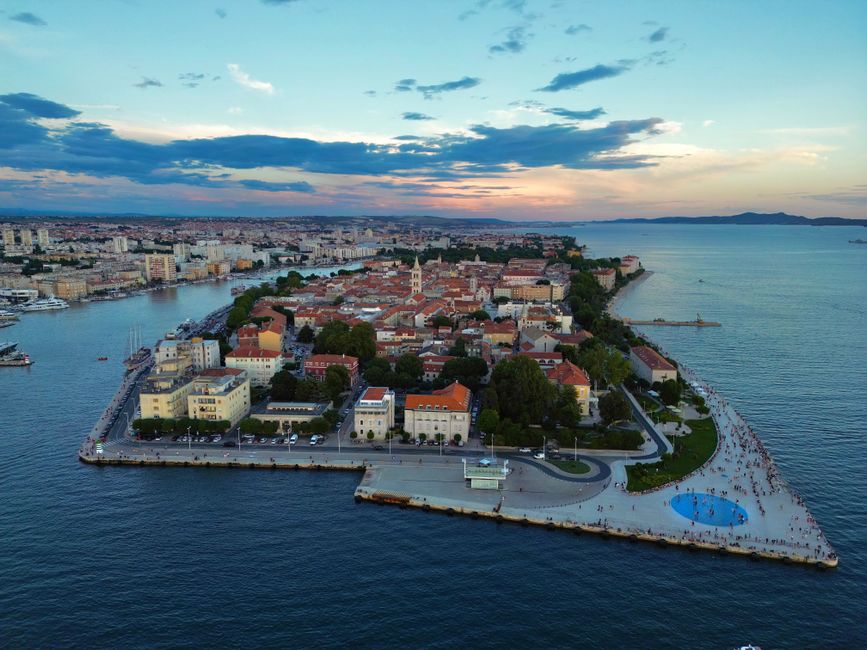
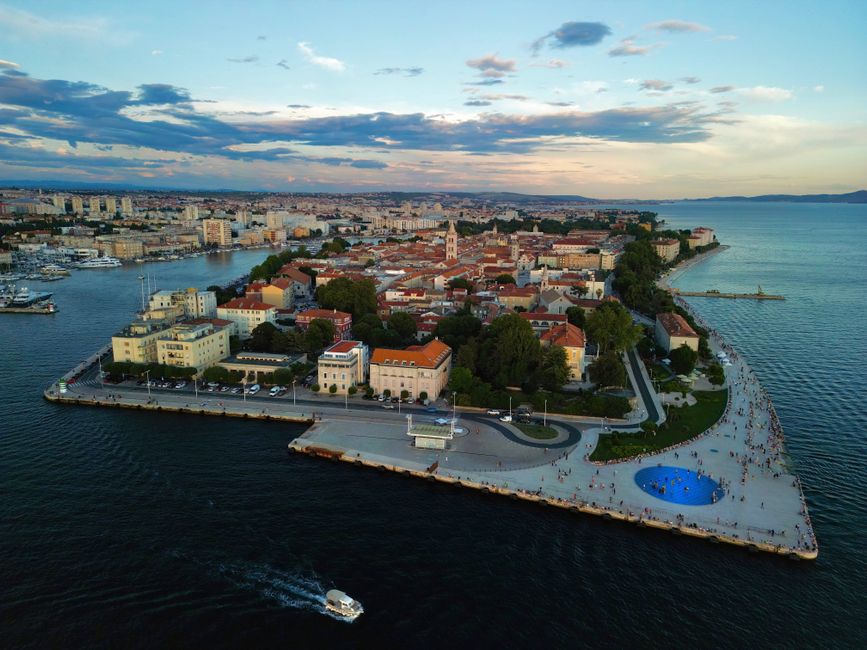
Zadar, a Dalmatian gem on the Adriatic, has a well-earned reputation: a medieval old town, legendary sunsets, and crowded beaches in peak summer. But for travelers who want to feel the city’s true spirit — to hear the stones, chat with shopkeepers, and watch the sea without the crush — the lesser-known months are a revelation. Forget July and the tourist furnace: visiting Zadar in May, early June, September or even October presents a very different experience. The vibe is calmer, shopkeepers have time to chat, restaurants showcase seasonal local produce, and historic sites regain their evocative power. This guide explains exactly why these months beat high summer, offers concrete itineraries, lists addresses, prices and opening hours, and shares local tips to help you make the most of your visit.
On these ‘‘against-the-tide’’ months the benefits are numerous and often overlooked. The light is softer: late summer and spring offer sunsets every bit as dramatic as July’s, but without the distraction of a dense crowd. The bora winds or a gentle autumn breeze give a different texture to strolls along the Riva (the seafront promenade). Markets overflow with seasonal goods — asparagus and strawberries in spring, figs and mushrooms in autumn — which local chefs use to reinvent traditional dishes. Museums and heritage sites often offer reduced rates or temporary exhibitions, and in some cases you can book a private guided tour for a very reasonable price.
This guide focuses on tangible, verifiable experiences: where to listen to the Sea Organ (Morske Orgulje), where to see the famous installation « Greeting to the Sun » (Pozdrav Suncu), which churches and museums to visit, how to organize island trips outside high season, and most importantly how to act like a local — timings to know, exact addresses, prices in euros and practical tips to enjoy Zadar at its best. I also include visual cues — photographic landmarks to look for — so you can plan your shots and your walks. Get ready to rediscover Zadar away from the summer frenzy: more authentic, more intimate, and often more affordable.
1) The seafront and iconic installations: the Sea Organ and Greeting to the Sun
Zadar’s Riva is the city’s beating heart. Two contemporary installations coexist with Roman ruins and medieval façades: the Morske Orgulje (Sea Organ) and the Pozdrav Suncu (Greeting to the Sun). Both are public, free and accessible 24/7, making them must-see stops for off-season visitors when the Riva is back to its calm.
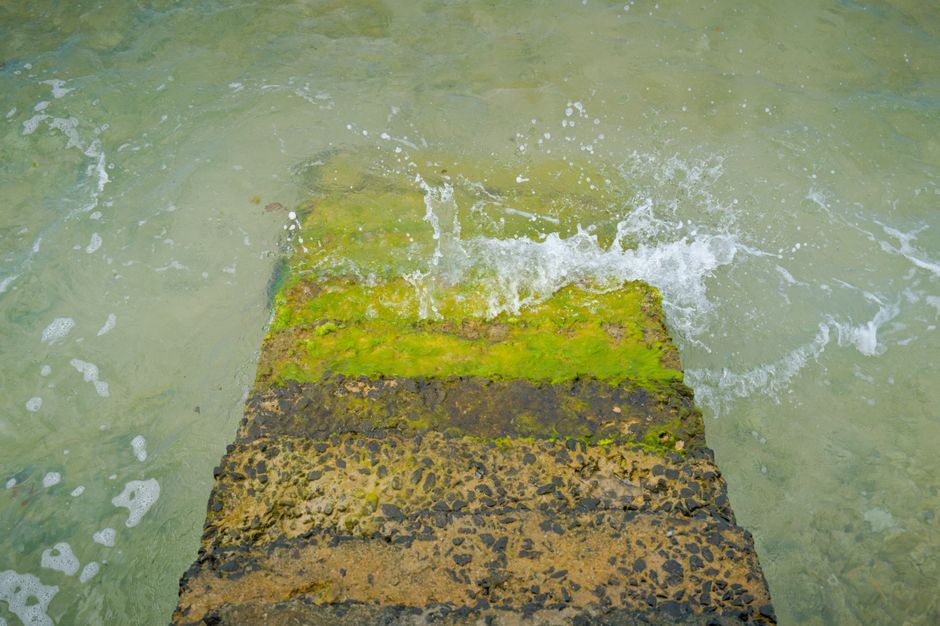
- Sea Organ (Morske orgulje) — Address: Zadarska riva, 23000 Zadar, Croatia. Free, open 24/7. Description: a series of carved steps that act as pipes, turning wave energy into music. Off-season highlight: the sounds are more audible without the crowds, and the gentler spring/autumn tides bring richer variations.
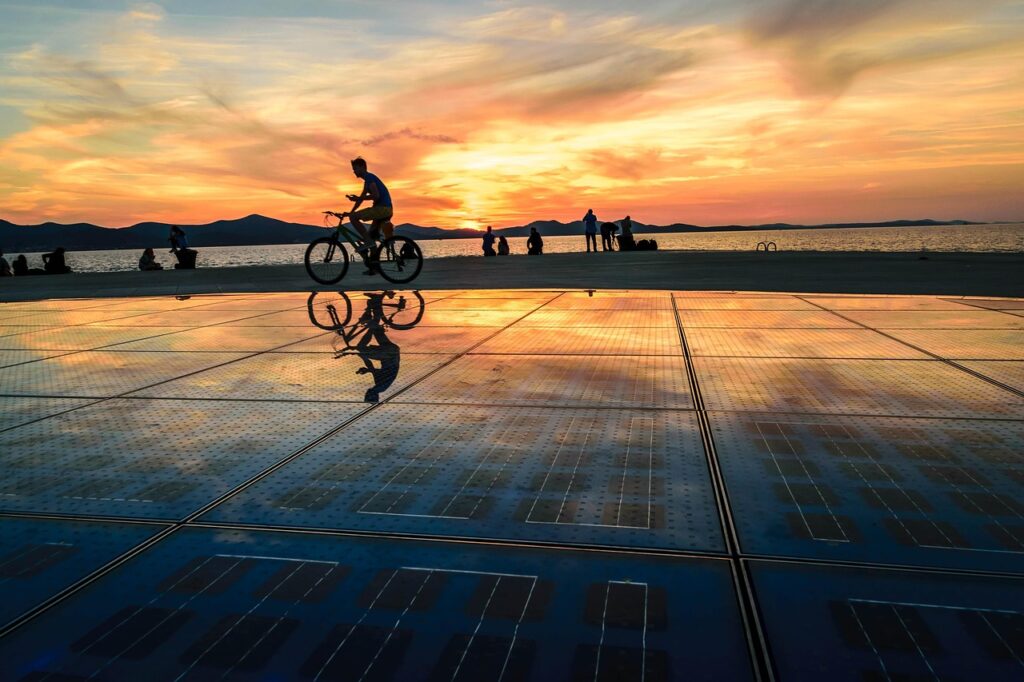
- Greeting to the Sun (Pozdrav Suncu) — Address: Zadarska riva, 23000 Zadar, Croatia. Free, open 24/7. Description: a circular slab of photovoltaic panels that store sunlight and light up at night. In May/June or September/October, watching the sunset illumination without jostling crowds is a magical moment.
Hours and practical tips:
- Visit early morning (6:00–9:00) or late afternoon (17:00–20:00) in the off-season for a contemplative experience. Sunsets are less chaotic than in summer but just as spectacular.
- The installations are free, but beware: the surface can be wet and slippery near the organ steps. Wear shoes with good grip if you walk on the steps.
- Photography: try a low angle near the Sea Organ steps to capture reflections, or shoot from the promenade to frame the old town against a graduated sky.
Local tip: ask the Riva kiosk owner (often near Narodni trg or the market) where the best benches are to listen — they know the breeziest spots and the most musical hours. In May and September, thermal winds can change the organ’s rhythm — it’s a constantly shifting sound show.
2) Heritage without the crowds: churches, museums and Roman ruins
Zadar has an exceptional concentration of historic monuments at a human scale. Off-season you can explore major sites without queues, enjoy more detailed explanations, and sometimes find reduced admission prices. Here are the must-sees with addresses, prices and opening times accurate at time of writing.
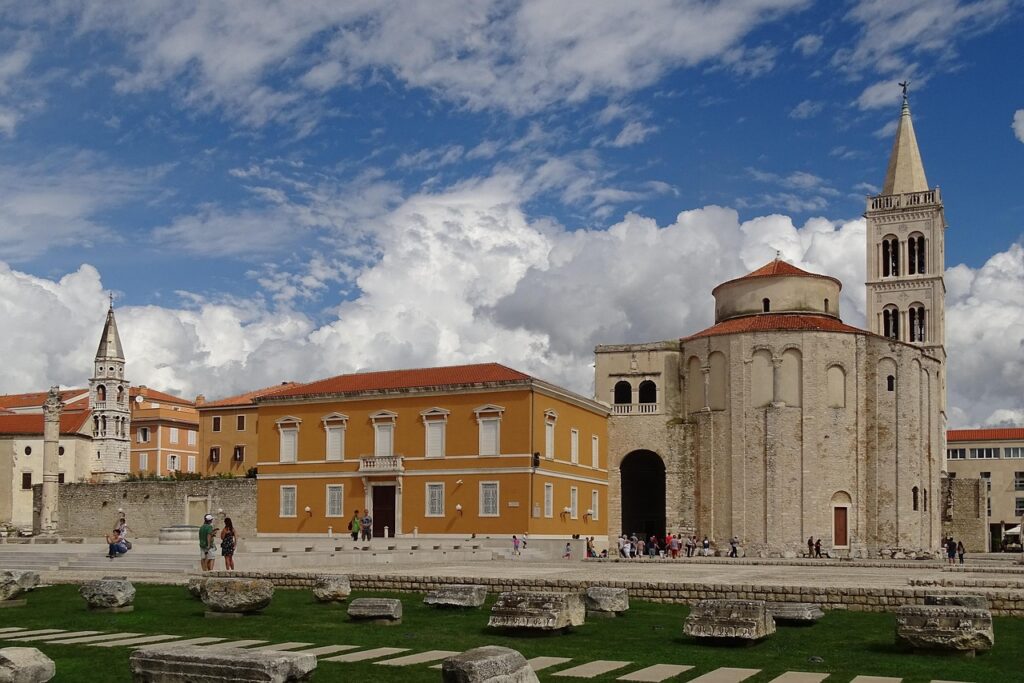
- Church of St. Donatus (Crkva sv. Donata) — Address: Trg Petra Zoranića 1, 23000 Zadar, Croatia. Hours: typically 9:00–18:00 (seasonal variations). Price: around €3.00 to enter the drum (may vary). Description: a 9th-century circular building that’s emblematic of Zadar. In a quiet visit, the acoustics reveal the architecture and baroque concerts are especially enjoyable off-season.
- Museum of Ancient Glass (Muzej antičkog stakla) — Address: Ulica Jurja Barakovića 2, 23000 Zadar, Croatia. Hours: typically 9:00–19:00 (tourist season varies). Price: around €5.00 for adults, discounts for students and seniors. Description: a collection of Roman glassware, with glassblowing demos and occasional workshops. Off-season, demos are less crowded and curators take more time to explain techniques.
- Roman Forum and ruins (Rimski forum) — Address: Trg Petra Zoranića / Narodni trg, 23000 Zadar, Croatia. Free, accessible all day. Description: the forum’s remains are woven into the old town; without tourists, the mosaics and columns are easier to appreciate.
- Zadar Archaeological Museum (Arheološki muzej Zadar) — Address: Trg opatice Čike 1, 23000 Zadar, Croatia. Hours: around 9:00–17:00, closed certain days in winter. Price: €3.00–€6.00 depending on the exhibition. Description: a collection spanning prehistory, antiquity and the medieval era. Great for placing the city in historical context.
Guided tours and tips:
- Booking a private guided tour off-season is often cheaper: expect to pay €30–€60 for a two-hour English-speaking guide, which can be split if you’re a small group.
- Many small museums close one day a week (often Monday); check current opening hours on official sites or call ahead. Off-season hours are more limited but you’ll face far fewer visitors when they are open.
- Make use of audio guides and ask about materials: the local limestone, Venetian-era construction and modern restorations are more evident without the crowds.
3) Seasonal flavors: markets, restaurants and specialties to try
Zadar’s cuisine is a clever mix of sea and land. Off-season, chefs reinterpret menus using market produce, and you’ll taste fresher, less standardized dishes. Below are spots, price ranges and tasting tips to help you enjoy the food scene.
- Zadar Market (Tržnica) — Main City Market — Address: Trg Petra Zoranića and adjacent streets, 23000 Zadar, Croatia. Hours: generally 7:00–13:00, Tuesday to Saturday (may vary). Description: spices, fish, local cheeses, seasonal vegetables. Tip: arrive at opening to find the best produce, especially asparagus and strawberries in May, and figs and mushrooms in September.
- Restaurant Bruschetta — Address: Ul. Knezova Šubića 16, 23000 Zadar, Croatia. Hours: 12:00–22:00 (varies). Price: dishes €8–€18. Description: modern local cuisine, seafood plates and homemade antipasti. Off-season the chef uses market produce to create unique dishes.
- Konoba Bonaca — Address: Ul. Jurja Dalmatinca 2, 23000 Zadar, Croatia. Hours: 11:00–22:00 (varies). Price: €10–€25 per main course. Description: traditional Dalmatian cuisine, grilled fish and peka (cloche-baked dishes). Reservations are recommended at weekends, but off-season you can often get a table without booking.
Practical dining tips:
- Ask for the « dnevni meni » (daily menu) in konobas: off-season it often showcases market-driven dishes with good value (roughly €10–€15 for starter+main+dessert depending on the place).
- If you buy fish at the market, ask about local species (sardines, branzino) and request a simple preparation — grilled with olive oil and lemon — to appreciate freshness.
- Cafés serving « kava » (coffee) are social hubs: sitting on the Riva for a coffee priced around €1.50–€2.50 lets you watch daily life unfold without rushing.
4) Off-season trips and activities: islands, quiet beaches and coastal hikes
Away from July, island trips in the Zadar archipelago (Kornati, Ugljan, Pašman) and nearby coves take on a different feel: less crowded boats, more available guides and quieter beaches. Here are options with departure points, indicative prices and seasonal recommendations.
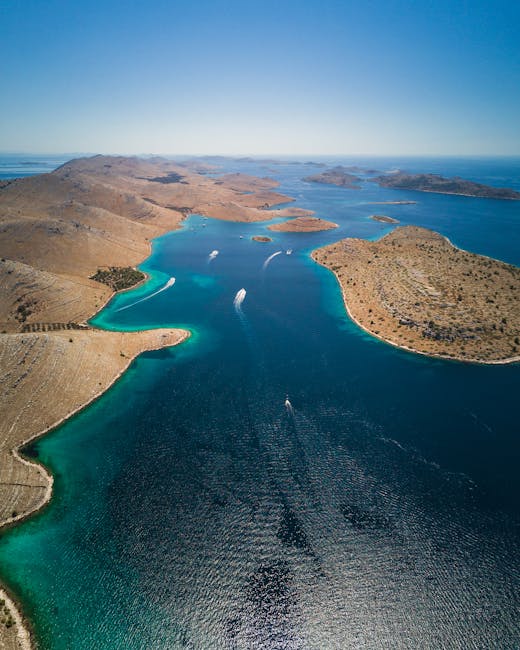
- Kornati Islands day trip (Kornati National Park) — Departure: Zadar Ferry Port (Trajektna luka Zadar), Obala kraljice Jelene Madije (near the center), 23000 Zadar. Price: day tours €35–€65 depending on operator and boat type. Description: rocky archipelago, secluded coves and snorkeling. Off-season, opt for small-group tours (max 12–20 people) for a more intimate experience.
- Boat to Ugljan / Pašman — Departure: Zadar Ferry Port or local boarding points on the Riva. Price: single ticket to Ugljan about €3–€6 (varies by season). Description: nearby green islands, fishing villages and pebble beaches. In May and September the sea is warm enough for swimming without July’s stifling heat.
- Coastal hike to Nin and Sakarun — Access: Nin (12 km north of Zadar), Sakarun Beach reachable by road and short boat rides. Price: parking €1–€5, local boat to Sakarun €5–€10 return. Description: fine-sand beaches and quiet lagoons off-season. Coastal trails offer views over salt pans and traditional salt marshes.
Excursion tips:
- Book the day before for the next day during low season: local operators often adjust departures to demand.
- If you plan to dive or snorkel, rent gear locally rather than bringing your own; rental rates are usually €6–€12 per day for mask and snorkel.
- Dress in layers: cool mornings and sunny afternoons are common. Off-season days can see significant temperature swings.
Conclusion — Rediscover Zadar off the beaten path
Visiting Zadar outside July gives you a chance to meet the real city: fewer cookie-cutter itineraries, more freedom to wander, a better sense of daily life and more opportunities for authentic interactions with locals. Lesser-known months like May, early June, September and October strike a perfect balance between pleasant weather, musical tides at the Sea Organ and seasonal treats at the markets. Museums, churches and ruins regain a contemplative scale, and restaurants invest in local produce to create dishes you won’t find in the height of summer.
Practically speaking, logistics get easier: shorter lines, often softer prices for tourist activities and the possibility to book small-group excursions. The shoulder season is also ideal for photographers — the light is gentler, sunsets take on subtler hues, and views of the old town from the Riva are extraordinary at sunrise. For travelers who value authenticity, it’s a chance to live Zadar like a local — buy at the market, sip a coffee on the promenade, listen to the sea organ’s song and try a Dalmatian dish in a family-run konoba.
Finally, keep a few simple rules in mind: always check museums’ seasonal hours (some reduce opening times off-season), book excursions a day in advance if you want to secure a spot, wear comfortable shoes for cobbles and wet seafront steps, and don’t hesitate to ask shopkeepers questions — Zadar’s residents, especially off-season, love to share tips and stories. Follow this guide — addresses, hours, prices and local tips — and you’ll plan a Zadar trip that’s slower, more sensitive and genuinely more charming than a quick July stopover.