





Introduction — Common Scams in Zadar: What Every Traveler Should Know
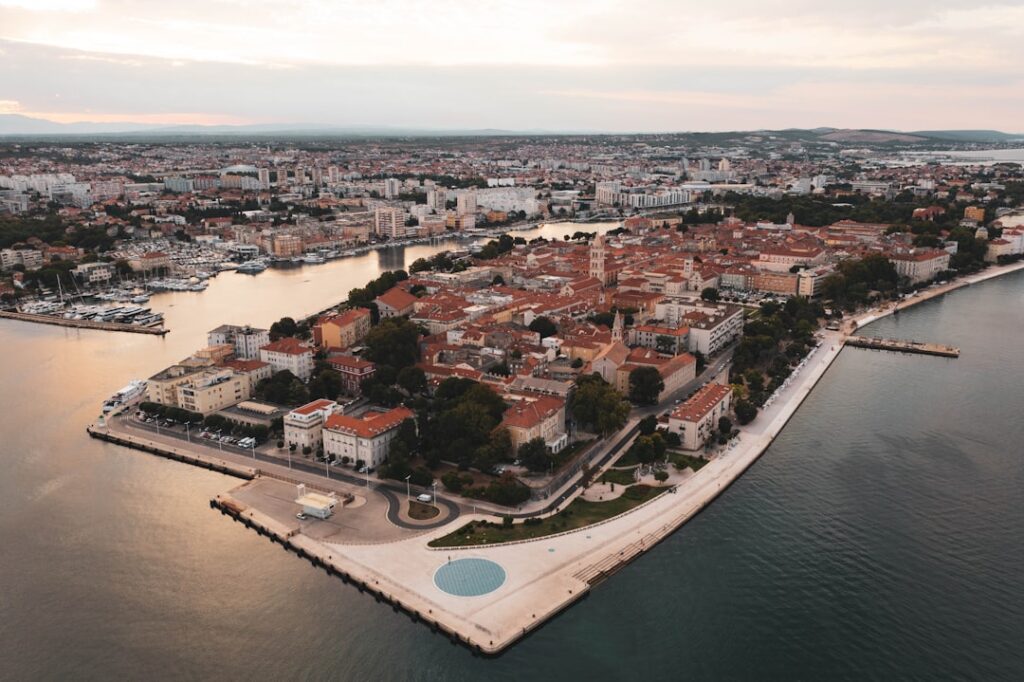
Zadar, a Dalmatian city of medieval lanes, world-famous sunsets and quirky attractions like the Morske orgulje (Sea Organ) and the Pozdrav Suncu (Monument to the Sun), draws hundreds of thousands of visitors each year. As with any popular tourist destination, that influx creates opportunities for dishonest behavior — from opportunistic small scams to more organized fraud. Knowing the most common pitfalls will not only save you money but also protect your peace of mind and personal safety while you’re on holiday.
This article is a practical, detailed guide to common scams in Zadar, with concrete examples, addresses, typical opening hours and indicative prices in euros so you can spot risky situations and respond appropriately. We cover sensitive areas of the Old Town (Stari Grad) around the Riva (waterfront), the main bus station, the ferry port, beaches and markets, and transport options such as taxis and scooter rentals. Each section includes local tips and safer alternatives — for example recommended taxi companies, official information points, links to tourist offices and advice for withdrawing cash securely.
Beyond just listing scams, the goal is to give you an immersive understanding of the environment: when pickpockets tend to operate, which shops overcharge tourists and how to spot counterfeit bills or fake tour agencies. You’ll also find practical details: exact addresses (e.g. Obala kneza Branimira and Trg Petra Zoranića), typical opening hours for offices and museums, and usual fares (airport-to-center taxi ≈ €25–35; airport bus ≈ €4; Zadar–Ugljan ferry ticket ≈ €1.50–3 depending on season).
The tone of this guide is informative and professional: it’s not meant to scare you, but to prepare you. Most locals in Zadar are welcoming and honest; however, like any good local guide, it’s useful to keep a few simple habits: check prices before buying, prefer places with a cash register and receipts, ask for official business cards, and use traceable payment methods. This guide will help you recognize warning signs, react calmly and effectively, and enjoy a relaxed stay in this beautiful city.
1) Taxis and Transport: Overcharging, Detours and Safe Alternatives
Taxis in Zadar can be convenient, especially when leaving Zadar Airport (Zračna luka Zadar) or after arriving by ferry, but they’re a common source of tourist complaints. Zadar Airport is located in Zadar, 23000, Croatia — a ride to the city center (Riva, Obala Kneza Branimira) normally costs between €25 and €35 during the day depending on traffic. Honest drivers use the meter; common bad practices include quoting a much higher flat rate (e.g. €45–60) or taking longer routes to increase the fare.
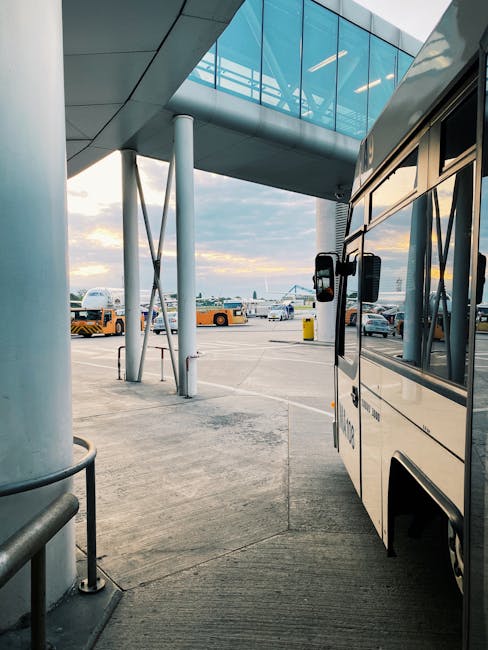
Addresses and points to know: the main bus station « Autobusni kolodvor Zadar » is near Ulica 3. gardijske brigade 1, 23000 Zadar (times vary by line, ticket office generally open 05:00–22:00). The main port « Luka Zadar » (Obala kneza Trpimira, 23000 Zadar) receives ferries and is a spot where taxis often target tired passengers. At the airport exit, look for official signage and the official taxi stand to avoid intermediaries.
Fares and practical tips: a taxi from the airport (Zračna luka Zadar) to the city center ≈ €25–35; a trip within town (Riva/Old Town) ≈ €6–12 depending on distance. Airport shuttle bus (Zadar Airport Shuttle) ≈ €3–5; departures every 30–60 minutes during the day (schedules vary with the season, typically 06:00–22:00). To avoid scams: insist the meter is used, ask for an approximate fare before getting in if the driver refuses the meter, use local apps or call an official company number (e.g. taxi Zadar +385 23 201 222 — check the current number), or book a transfer through your hotel.
Common scams: drivers offering “all-inclusive” fares without issuing a receipt, or claiming card machines don’t work to force cash payments. Another trick: fake drivers who claim to be “booked by your hotel” at stations or the port — always confirm with your hotel reception before getting in. If you suspect a detour, note the company name and taxi number, ask for a ticket and report the incident to the local tourist office « Turistička zajednica grada Zadra » — often located at « Trg Petra Zoranića 3, 23000 Zadar » (office hours 09:00–17:00 off-season, extended in summer).
2) Fake Tours, Counterfeit Tickets and Excursion Scams
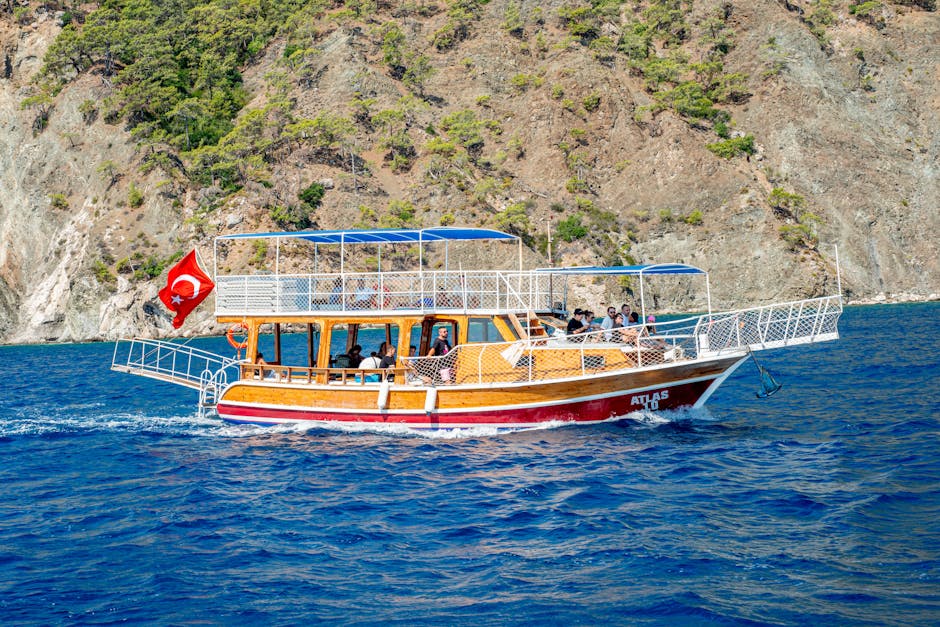
Zadar is a great base for day trips to the Kornati, Pag, Ugljan and Dugi Otok islands. But the abundance of tours also creates opportunities for unscrupulous operators who sell fake “tours”, run unregistered boats, or inflate prices on the spot. Frequent departures happen at the main port « Luka Zadar » (Obala kneza Trpimira, 23000 Zadar) and from the quay near the promenade (Riva, Obala kneza Branimira 3). Be wary of sellers offering a cash-only “discount – today only”.
Typical tours and prices: a full-day guided trip to the Kornati coordinated by a reputable agency (e.g. book through « Adriatic Explore » or the tourist office) costs about €40–70 per person depending on itinerary and season, often including a drink and lunch. A half-day boat trip to beaches on Ugljan or Pašman ≈ €20–35. If you’re offered dramatically lower prices (e.g. €10–15 for a full day including lunch), be suspicious: the service may be incomplete, the boat uninsured, or a planned stop canceled once you’re at sea.
Tips to avoid being scammed: book through established agencies or the tourist office « Turistička zajednica grada Zadra » (Trg Petra Zoranića 3, 23000 Zadar). Ask for a written contract, a list of stops, the boat name and registration number, and details of included insurance. Check safety equipment on board (life jackets, fire extinguishers). If you paid cash in advance, request an official receipt showing the company name and VAT number (OIB in Croatia). For skip-the-line tickets to busy sites (e.g. Archaeological Museum of Zadar, Trg Petra Zoranića 1), buy directly at official ticket desks — museum admission approx. €6.
Warning signs: pushy sellers near the quays, promises of undocumented “private” transport, refund offers that require your bank details, or agents trying to pressure you into paying cash. In a dispute, keep all messages, receipts and photos and report the issue to the tourist office or maritime police if needed.
3) Pickpockets, Bag Snatching and Protecting Valuables
Pickpockets often operate in very crowded places: the Old Town (Stari Grad), the quays around the Sea Organ and Monument to the Sun (Obala kneza Branimira, 23000 Zadar), tourist bus lines and popular beaches like Kolovare Beach (Obala kardinala Franje Kuharića, 23000 Zadar). Typical techniques include groups surrounding you, distractions (asking for a signature, a persistent question) and accidental contact while a member of the group searches your pockets or bag.
Prevention tips: use an anti-theft bag (sturdy straps, zip closure) worn in front of you in crowded streets. Keep passports and bank cards in an inner pocket or a travel pouch worn under your clothes. Don’t keep all your money in one place — split cash and cards. Withdraw cash at ATMs inside bank branches (e.g. Erste Bank, Zadar branch, Ulica 3. gardijske brigade 2, 23000 Zadar — teller hours 08:00–16:00) rather than isolated street ATMs.
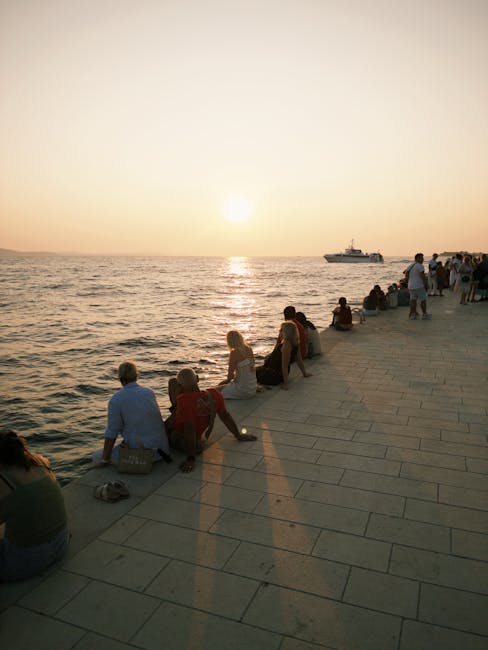
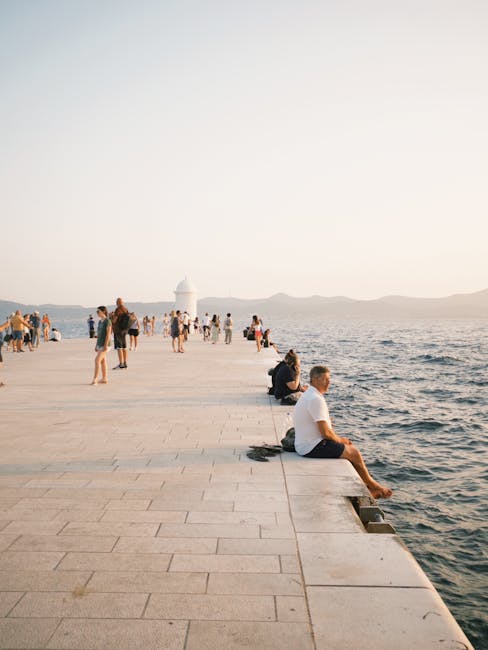
High-risk times: summer evenings (20:00–02:00) when streets fill with partygoers and vigilance drops. Daytime markets and tourist buses are also prime spots. On the Riva promenade (Obala kneza Branimira), enjoy the sound installations but stay alert: a flashy watch or a visible phone can attract thieves.
What to do if you’re robbed: report the theft immediately to the local police (Policija Zadar, Ulica Ante Starčevića 5, 23000 Zadar — 24/7 service; emergency number 192). For stolen bank cards, contact your bank as quickly as possible to block them and contact your consulate/embassy if you need assistance getting temporary travel documents. Keep copies of stolen items and receipts for insurance claims.
4) Restaurants, Bars and Shopping: Inflated Bills and Misleading Menus
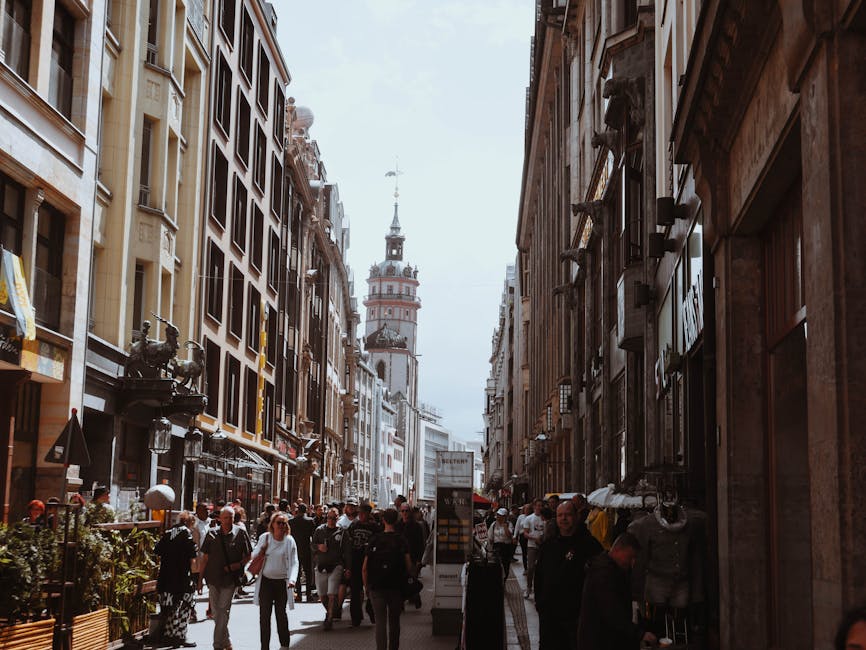
Zadar offers a rich food scene: fresh seafood, Dalmatian specialties and Mediterranean dishes. But some practices can inflate tourists’ bills: automatic cover charges, unannounced service fees, menus without prices, or “extras” (bread, olives, amuse-bouches) added to the bill without consent. The most sensitive areas are the main square (Trg Petra Zoranića) and the Riva promenade (Obala kneza Branimira 3), where waterfront restaurants may charge premium prices.
Prices and examples: a seafood main course in a well-rated city-center restaurant ≈ €12–25, a full meal in a traditional trattoria ≈ €20–35 per person; a coffee on a terrace ≈ €2–4, a beer ≈ €3–5. Watch out for restaurants very close to the promenade that charge similar menu prices but add unexplained service fees (e.g. cover charge ≈ €1.50–3 or service ≈ 10%–15% without prior notice).
How to avoid these scams: always ask for the menu and check whether prices include service. If you’re brought dishes or amuse-bouches you didn’t order, politely say you didn’t request them and ask for them to be removed from the bill. Always ask for a receipt/invoice (račun): without an official receipt it will be difficult to dispute the charge. For souvenir shopping, compare several shops in the Old Town and haggle; prefer stores that show VAT information and have a cash register.
Special cases: some beach bars charge premium prices for a spot on a sun lounger or under an umbrella (e.g. Kolovare Beach area — sun lounger rental ≈ €5–10 per day). Street vendors may offer “handmade” items at high prices — ask about the origin and check quality. For regional products (olive oil, wine), choose reputable producers like Polić Winery (check local addresses) or the local market (Tržnica Zadar — Korzo area) for fairer prices.
Conclusion — Stay Alert While Enjoying Zadar
Zadar remains an accessible, safe and beautiful city, rich in heritage and authentic experiences. Scams do exist, but they’re generally avoidable with a little caution and information. The practical advice in this guide — ask for receipts, check taxi and tour prices, secure your belongings, and choose trusted providers — will significantly reduce your risk. Remember that most locals are honest and the warm atmosphere of Zadar is worth enjoying without paranoia: just adopt simple habits and stay aware in highly touristy areas.
Prepare for your trip by noting a few useful numbers (local police, tourist office), keep digital copies of important documents and use traceable payment methods whenever possible. On arrival, locate official points — the bus station « Autobusni kolodvor Zadar » (Ulica 3. gardijske brigade 1) for connections, the tourist office « Turistička zajednica grada Zadra » (Trg Petra Zoranića 3) for trusted agency recommendations, and the main sights along the promenade « Obala kneza Branimira » to orient your movements. If a serious problem occurs, report it to the authorities and your embassy.
Ultimately, the key is balance: stay informed and cautious, soak up the sunsets on the promenade, listen to the music of the Morske orgulje, taste Dalmatian cuisine and wander the charming lanes of Stari Grad. Equipped with the information in this guide, you can fully enjoy your stay in Zadar while minimizing any hassles. Safe travels and stay careful!