




Introduction — Three ways to discover Zadar: by boat, by bike, or on foot
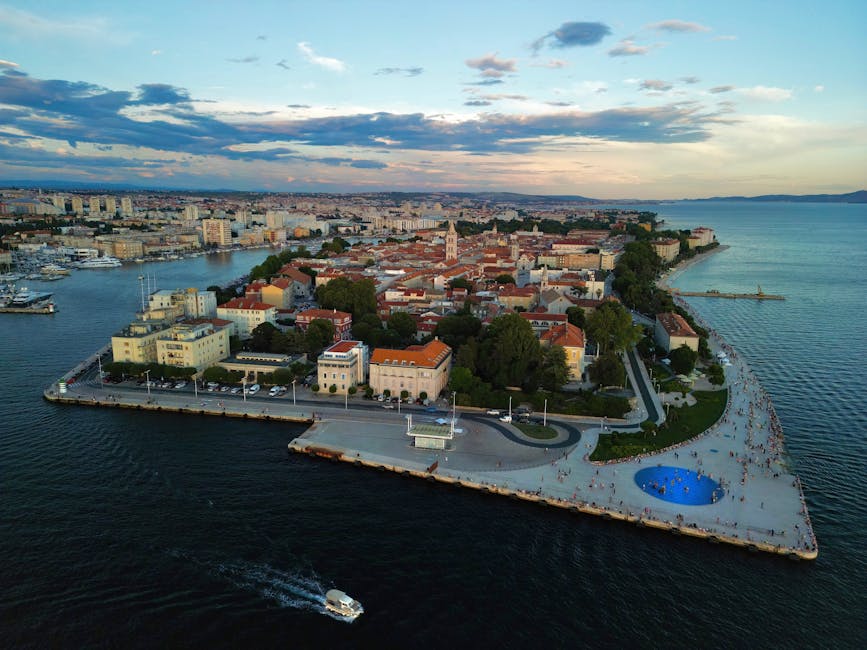
Zadar, a small Dalmatian gem on Croatia’s northern Dalmatian coast, is a city best savored slowly and with all your senses. Between its medieval alleys, Roman remains, contemporary landmarks like the Sea Organ and the Greeting to the Sun, and nearby islands washed by crystalline blue waters, Zadar offers a variety of experiences depending on how you get around. This article gives you a practical, full guide to exploring Zadar in three distinct but complementary ways: by boat, by bike, and on foot. Each approach is detailed with specific sites, addresses, opening times, prices in euros, immersive descriptions and local tips so you can pick the route that fits your mood and pace.
Boat trips suit travelers who want to broaden their horizons by visiting nearby islands such as Ugljan, Pašman, Dugi Otok and secluded coves only reachable from the sea. Embarking from the historic harbor lets you combine panoramic crossings with swims in crystal-clear water, visits to typical island villages and stops to taste seafood specialties. We provide exact information on ports, ferry companies, average prices and seasonal timetables, as well as private charter options for a more personalized experience.
Cycling is another great way to discover Zadar and its surroundings: coastal bike paths, rural roads through olive groves and short island rides for more adventurous cyclists. Renting a bike — standard, electric or mountain — lets you cover more ground than on foot while staying close to the scenery. We list rental addresses, daily rates, recommended routes (for example to Nin, Telašćica Nature Park or the Puntamika peninsula) and safety tips for cycling in Croatia.
Finally, exploring on foot remains the most intimate and rewarding way to enjoy Zadar within its walls: the pedestrian old town is packed with historical sites that lend themselves perfectly to a walking tour. We describe must-see monuments — St. Donatus Church (Crkva sv. Donata), the Roman Forum (Trg tri bunara/Trg Petra Zoranića), the Cathedral of St. Anastasia (Katedrala sv. Stošije) — with exact addresses, opening hours, possible fees and tips to avoid peak times. You’ll also find suggestions for combining a sunset stroll along the Riva (Obala kneza Višeslava) with the unique soundscape of the Sea Organ and the light show of the Greeting to the Sun.
This guide is meant to be practical, realistic and experience-focused: it includes prices in euros, exact addresses, typical opening hours (with seasonal variations noted), local tips (best times, recommended eateries, appropriate behavior) and safety recommendations. Whether you prefer the sea breeze, the freedom of cycling or the slow pace of walking on ancient stones, you’ll find routes and information here to make the most of your stay in Zadar.
1. Discovering Zadar by boat: routes, ports, prices and practical tips
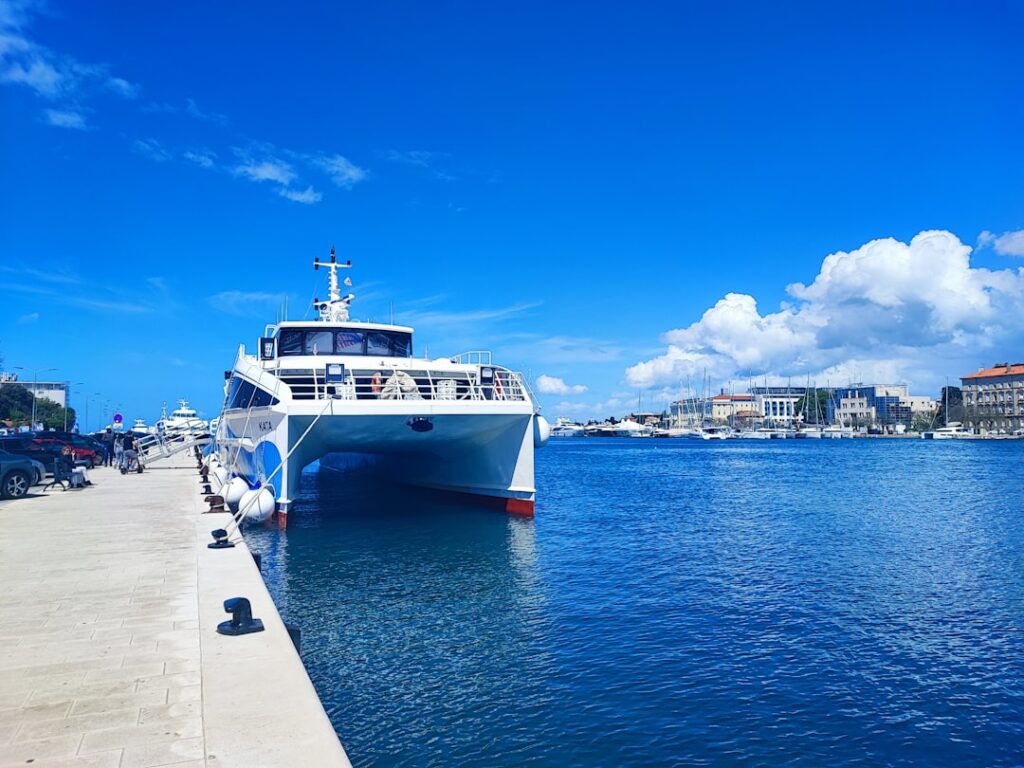
Exploring Zadar from the sea invites you to discover islands dotted with olive groves, coves with transparent water and villages where life follows the tide. Zadar’s main port is Glušica / Luka Zadar (Zadar Ferry Port), located along the main waterfront at Riva 11–13, 23000 Zadar. From here run regular ferries, fast catamarans (kapetan Luka, Jadrolinija, G&V Line) and local excursion boats. Fares vary by destination and season: a ticket to the island of Ugljan usually costs between €2.50 and €5.00 for a one-way trip on a local ferry (10–20 minutes), while a fast catamaran to Pašman or Dugi Otok can range from €6.00 to €15.00.
Timetables: local ferries to nearby islands (Ugljan/Pašman) run year-round but with reduced frequency off-season. In high season (June–September) expect departures every 30–60 minutes between 06:00 and 22:00; off-season, check schedules on the Jadrolinija website or at the ferry terminal. Fast catamarans (Zadar to more distant islands or tourist services) have more limited timetables: generally between 07:00 and 18:00, with extra connections on weekends.
Sample excursions and indicative prices:
- Return Zadar — Ugljan Island (Preko): arrival dock Preko, frequent service, price around €3–€5 one way. Ideal for a beach day and lunch in a konoba (tavern).
- Day trip to Dugi Otok (Sakarun): organized day charter often offered from €35–€70 per person (includes swimming stop, guide, sometimes lunch). Departure in the morning (08:00–09:00), return late afternoon.
- Private sunset and swim excursion: private boat rental or small-group tour, prices €50–€200 depending on duration and capacity (ask about drinks and snorkel gear options).
Departure port and services: the main quay is well equipped; you’ll find ticket offices, small cafés and boat rental desks. For renting a boat without a license, contact for example Adriatic Charter Zadar, Obala kneza Višeslava 8, 23000 Zadar (local phone). Indicative prices for a half-day rental of a small license-free boat: €80–€150, depending on season and model. For a rigid inflatable or a boat with skipper, expect €150–€400 per day.
Local tips:
- Book ahead in high season (July–August), especially for private boats and organized excursions.
- For a more authentic experience, head to a small island village (e.g. Ugljan – Preko or Kali on Ugljan) and have lunch in a konoba specializing in fish and seafood.
- Always bring water, sunscreen and water shoes if you plan to explore rocky coves.
- Check the weather before departure: the bura wind can make some crossings uncomfortable, especially off-season.
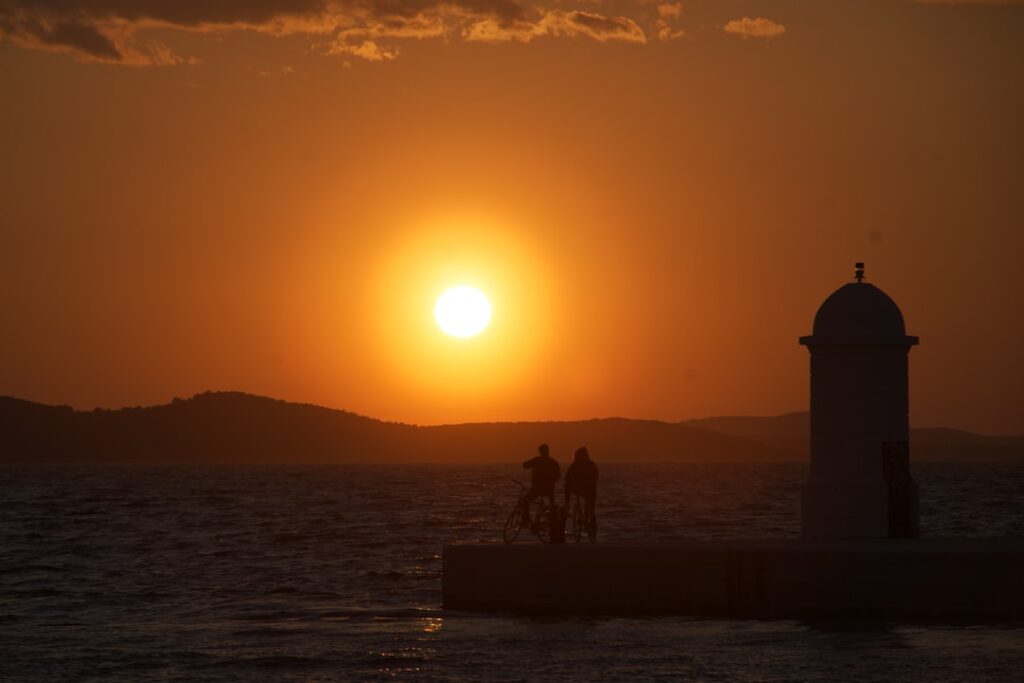
2. Exploring Zadar by bike: rentals, recommended routes and prices
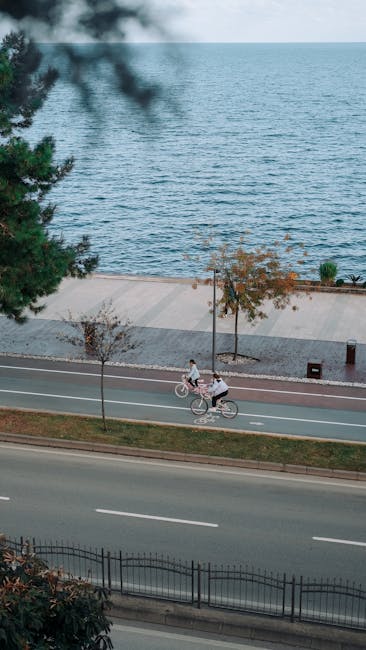
Biking is an excellent balance of freedom and speed for exploring Zadar and its surroundings. The city and region offer a wide variety of rides: easy coastal promenades and bike paths, rural routes through olive groves and more demanding trails for mountain bikers. Several rental companies offer standard bikes, mountain bikes and e-bikes. Here are some practical addresses:
- Zadar Bike Rent, Obala kneza Višeslava 7, 23000 Zadar — rates: standard bike €10–€15/day, mountain bike €12–€18/day, e-bike €30–€45/day. Opening hours: 08:00–20:00 (May–Sept), 09:00–17:00 (Oct–Apr).
- Bike & Boat Tours Zadar, Riva 9, 23000 Zadar — offers daily rentals and guided tours. Half-day guided tour: €25–€40 per person (includes guide and water).
- Rent a Bike Korzo, Ulica Vladimira Nazora 12, 23000 Zadar — similar rates and the option to deliver bikes to your hotel.
Recommended routes:
- The Riva — coastal ride to Puntamika (distance: 5–7 km round trip). Flat route, ideal for a half-day. Start in the old town and follow Obala kneza Višeslava to Borik beach and the Puntamika peninsula. Suggested stops: Sea Organ (Obala kneza Višeslava, 23000 Zadar) and Puntamika Beach for a swim.
- Zadar — Nin (Nin Old Town) (distance: ~16 km one way). Mostly flat and well signed, crossing salt pans and lagoon scenery. In Nin, visit the Church of the Holy Cross (Crkva svetog Križa) and the Queen’s Beach “Kraljičina plaža”. Allow 1.5–2 hours by bike.
- Cycle route to Nin and back along the coast: day circuit with foodie stops (konobas, local markets). Bring a lock and a repair kit.
Practical tips:
- Wear a helmet and high-visibility clothing. Secondary roads are generally quiet, but be cautious where there’s no bike lane near the city.
- Plan regular stops for water and sun protection: the sun can be intense in summer.
- If you choose an e-bike, check the battery range (often 50–80 km depending on the model) and whether a charger is available if you plan long distances.
- For longer outings (for example to Telašćica Nature Park), check elevation and trail conditions; a mountain bike or e-bike is recommended.
3. Exploring Zadar on foot: historical routes, monuments and best practices
Zadar’s old town is compact and perfect for exploring on foot. Walking lets you appreciate layers of history: Roman remains, medieval cathedrals and modern touches. Here’s a recommended walking route for a half-day or a full day, with addresses, opening times and possible fees.
Suggested walking itinerary (2–4 hours depending on stops):
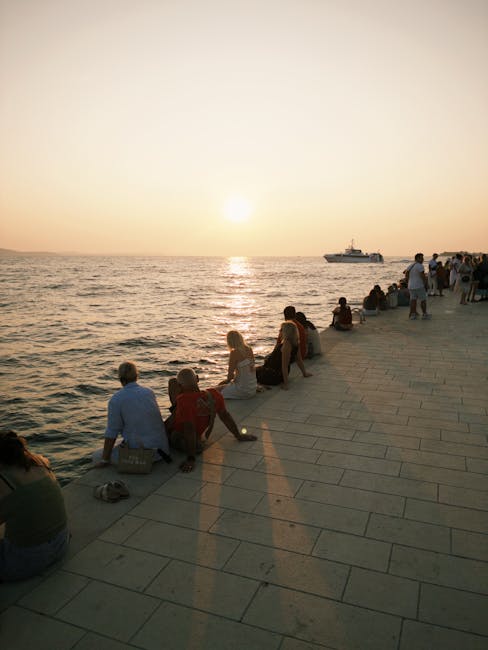
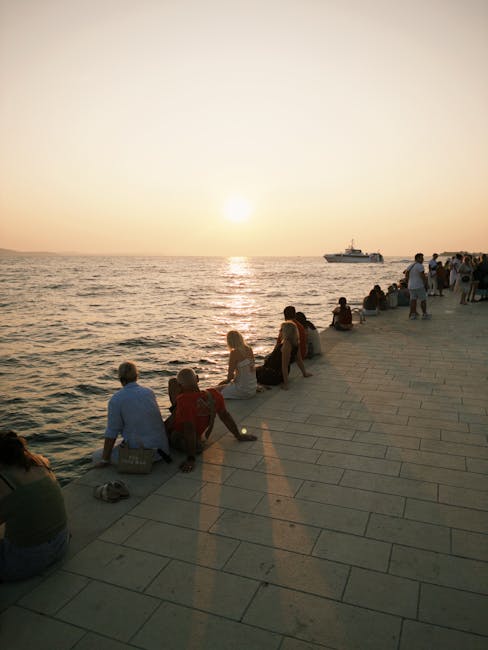
- Start on the Riva (Obala kneza Višeslava, 23000 Zadar) to listen to the Sea Organ (Morske orgulje). The Sea Organ is a public installation set into the waterfront steps; access is free 24/7. At sunset the atmosphere is especially moving.
- Greeting to the Sun (Pozdrav Suncu) — same general waterfront location. Public installation, free to visit; best seen at sunset when the panels light up.
- Roman Forum — Trg Petra Zoranića / Trg tri bunara (Roman Forum). Address: Trg tri bunara, 23000 Zadar. Exterior site open to the public; informational panels detail the history. Free entry.
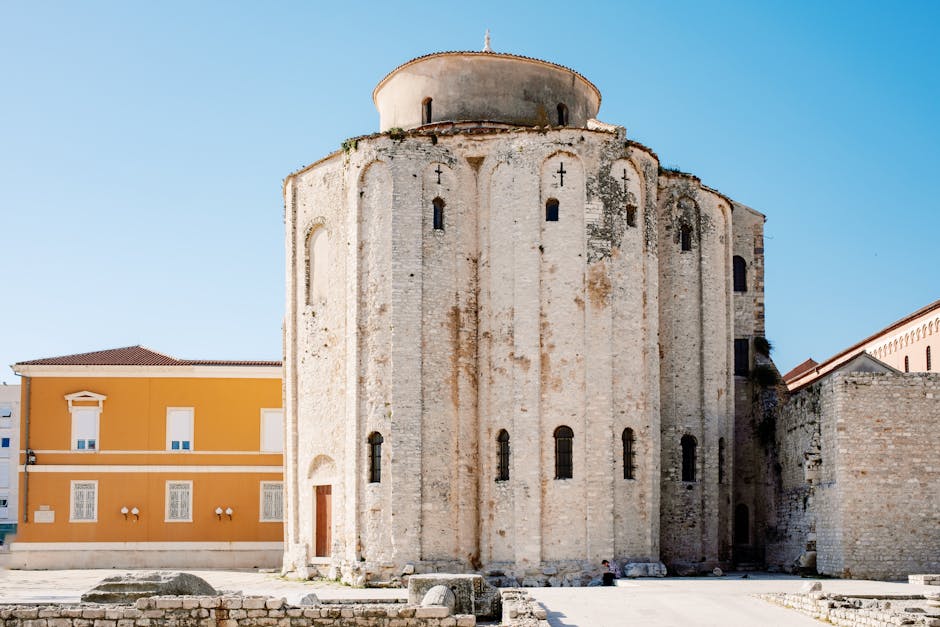
- St. Donatus Church (Crkva sv. Donata) — Address: Trg Petra Zoranića 2, 23000 Zadar. This 9th-century pre-Romanesque church is one of Zadar’s icons. Opening times (may vary): generally 08:00–19:00 in summer, 09:00–17:00 off-season. Fees: free entry or a suggested donation of €2–€5 during events. Concerts are sometimes held inside; ticket prices vary by event.
- Cathedral of St. Anastasia (Katedrala sv. Stošije) — Address: Trg sv. Frane 1, 23000 Zadar. Opening hours: 09:00–18:00 (tourist season). Cathedral entry is free; bell tower visit is paid, about €3–€5 for panoramic views.
- Museum of Ancient Glass (Muzej antičkog stakla) — Address: Ulica Jurja Barakovića 5, 23000 Zadar. Typical hours: 09:00–18:00 (Apr–Oct), 10:00–16:00 (Nov–Mar). Admission: around €4–€6. Interactive exhibits and glassblowing demonstrations.
Other points of interest within walking distance:
- The city walls and Gate of the Old Town (Vrata Grada) — free access, great for panoramic photos and understanding the medieval layout.
- Kalelarga (street) — the main shopping street, full of cafés, pastry shops and small artisan stores.
- Square of the Three Wells (Trg tri bunara) — a useful historical landmark with a calm daytime atmosphere.
Local tips for walking tours:
- Wear sturdy shoes: cobblestones and steps can be slippery when wet.
- Visit early in the morning or late afternoon to avoid heat and summer crowds. The most magical moments are sunrise and sunset by the water, when the Sea Organ plays and the Greeting to the Sun lights up.
- Carry some cash (coins and small bills) for small shops or paid visits that don’t always accept cards.
- For a deeper historical immersion, book a guided walking tour (local guides typically charge €15–€30 per person for 1.5–2 hours). Guides can point out architectural and historical details you might otherwise miss.
Conclusion — Choosing the best way to discover Zadar based on what you want
Zadar lends itself to three complementary approaches: by boat for escapes to islands and hidden coves, by bike to cover more ground while staying close to the scenery, and on foot for a historical and sensory immersion. Each method offers practical and emotional advantages: the boat opens the horizon and allows unforgettable maritime escapes, the bike gives you the freedom to explore quieter roads and secluded beaches, and walking lets you touch the city’s soul through its stones, squares and sounds — especially the Sea Organ.
Before you go, keep these practical recommendations in mind: check seasonal timetables (ferries and museums often reduce frequency off-season), book private boat excursions in advance for high season, choose a bike suited to your route (e-bike if you plan longer distances or hills) and favor strolls early in the morning or at sunset for a quieter atmosphere and the best light. Also take time to taste local cuisine: a konoba by the water for grilled fish, tuna or fried seafood, or a tasting of olive products and local cheeses.
Finally, respect the environment and local customs: don’t leave litter, respect protected areas and private property, and be courteous to residents. Zadar rewards patient, curious visitors with unique sea panoramas, history-laden monuments and a rare Mediterranean quality of life. No matter which method you choose — boat, bike or on foot — you’ll leave with lasting images and sensations: the song of the waves in the Sea Organ, the breeze on an isolated island and ancient alleys bathed in golden light.
Have a great trip to Zadar: let the sea carry you, pedal toward the unexpected and walk slowly to listen to the history beneath your feet.