





Introduction: Marine strolls from Zadar — discover islands and coves few visitors see
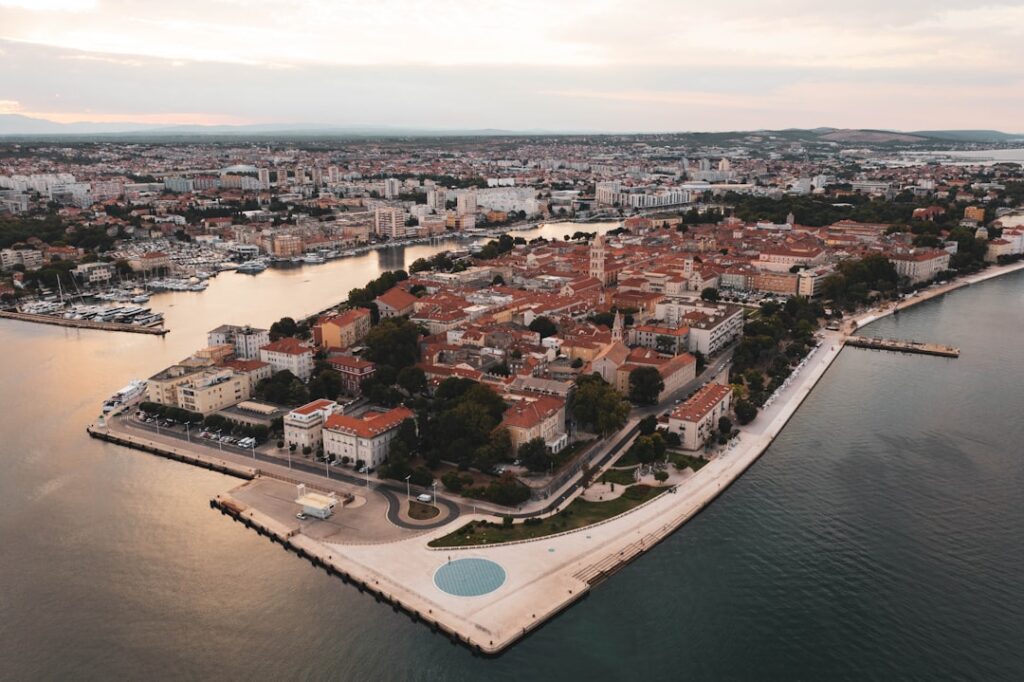
Zadar, a gem of northern Dalmatia set on an Adriatic Sea so blue it almost seems unreal, is best known for its rich historical heritage and sunsets praised by Alfred Hitchcock. But just a short sail from the old town, a lesser-known archipelago offers intimate marine experiences: tiny inhabited isles, secret coves, pebble beaches, pine trees that tumble right down to the water, and villages where time feels paused. This guide takes you off the beaten path for marine strolls around Zadar, detailing islands and coves few tourists visit — with addresses, opening hours, prices and local tips to help you plan your outing.
Whether you love snorkeling, sea-kayaking, coastal hikes or simply absolute calm, these itineraries suit all paces. We cover islands like Ošljak, Rivanj, Sestrunj, Iž and Rava, as well as isolated coves reachable from Preko (Ugljan), Tkon (Pašman) or directly from Zadar port. You’ll find practical info here: where to embark (terminal addresses and local operators), indicative fares in euros, seasonal timetables (high/low season), and immersive descriptions of each spot — scents, colors, textures and light — so you can pick the outing that matches your mood.
Regular ferries, fast links (catamarans) and private rentals offer different options depending on your budget and desire for independence. Note that some coves are only served by private boats or organized tours — a great way to find almost-deserted beaches on weekdays. For photographers and silence-lovers, we also point out the best times of day to avoid crowds and capture the ideal light. Finally, enjoy local tips (where to eat, which fishing shops are open, rules for swimming and respect for private property) so your trip stays sustainable and respectful of these small island ecosystems.
Ošljak and Žalište Cove — a tiny island with big charm
Ošljak, Croatia’s smallest inhabited island, makes a perfect short escape for anyone seeking peaceful immersion less than an hour from Zadar. With under 50 permanent residents, the island still feels almost private: stone houses, small churches, rocky shores and hidden coves. The most convenient departure point is Zadar’s ferry terminal — Zadar Ferry Port (Obala kneza Branimira 21, 23000 Zadar, Croatia) — where local boats and water taxis run regularly in high season. A taxi-boat typically costs €25–40 round-trip for 1–4 people depending on negotiation and season. Timetables vary, but in high season (June–September) there are early departures from 08:00 and frequent returns until around 19:00.
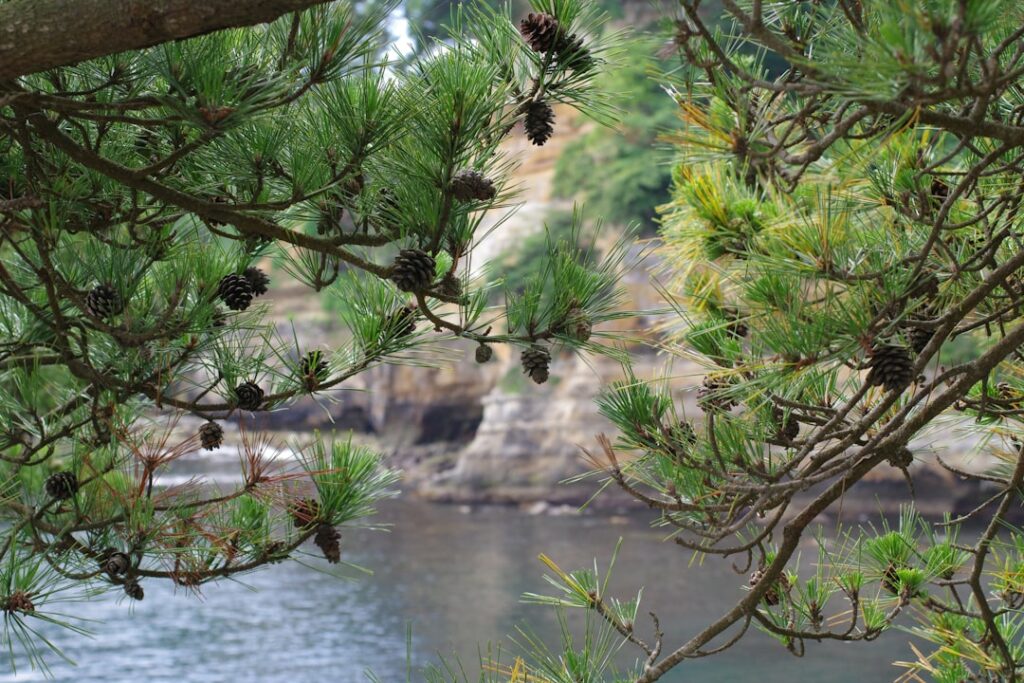
Ošljak’s best-known cove is Žalište: a small bay of fine pebbles and crystal-clear water, sheltered by low cliffs and blessed with almost total silence. The water is surprisingly warm from late May, ideal for swimming and snorkeling — fins and mask recommended to explore the underwater rocks teeming with colorful fish. On the island, the nearest restaurant is Konoba Ošljak (local, Ošljak Island Pier, Ošljak 23234), open mainly in summer — expect local catches like brudet (fish stew) priced around €10–18 per dish. Facilities are limited: bring drinking water, biodegradable sunscreen and bags for your rubbish.
Local tip: head out early in the morning to find the cove nearly empty. If you rent a kayak in Preko (Ulica Put Sv. Mihovila 3, 23273 Preko — indicative rental €20–30/day), you can make the return trip in 2–3 hours depending on the wind. Respect private areas close to homes and avoid anchoring on seagrass beds (Posidonia) — these meadows are protected and vital to the marine ecosystem.
Rivanj and Sestrunj — twin islands for tranquillity and snorkeling
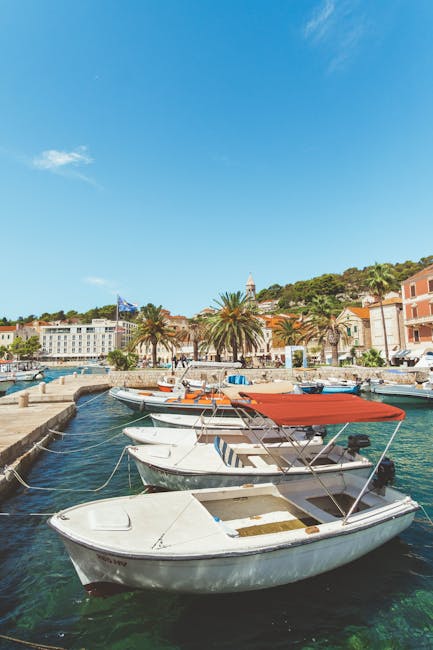
West of Zadar, Rivanj and Sestrunj are islands that don’t always make it onto tourist itineraries, yet offer an outstanding mix of wild coves, rocky scenery and peaceful villages. Connections mainly depart from Zadar port (Riva promenaded area — Obala kneza Branimira 21, 23000 Zadar) with local operators or through Jadrolinija seasonal services (Jadrolinija Ticket Office, Riva Obala 1, 23000 Zadar — approximate fares: €5–12 one-way depending on route; timetables vary by season). Fishing boats and private hires (around €80–160/day for a boat without a license, depending on size) can reach coves off the official routes.
Rivanj is almost entirely fringed by low cliffs and small pebble beaches, perfect for snorkeling; Krivica bay is a shallow inlet with clear water and rocks ideal for underwater exploration. Sestrunj, a touch more agricultural, features olive groves and walking paths that lead to viewpoints over the Adriatic. Sestrunj coves like Potok and Šimuni are small pebble beaches shaded by pines. Services on the islands are limited: a few konobas open during high season — a typical fish meal costs €12–20. Accommodation is scarce: private apartments rent from €35–60/night in summer.
Practical tips: bring water shoes for climbing over rocks, and consider a jellyfish net if you travel in July–August (jellyfish are sporadic). For snorkeling, favor calm mornings: the sea often picks up in late afternoon, making cove access more adventurous. Respect local agriculture — don’t pick olives without asking, and keep trails clean.
Iž, Rava and the eastern coves — coastal hikes and tiny tavernas
The islands of Iž (Veli Iž and Mali Iž) and Rava, located southeast of Zadar, combine easy coastal hikes with sheltered little beaches. Regular ferries serve these islands from Zadar on the « islands to Žman/Tkon » line during high season; timetables and fares are available at Jadrolinija (Jadrolinija Zadar, Riva 11, 23000 Zadar — indicative Zadar–Iž ticket: €6–9 one-way). For Iž, disembark at Mali Iž (port: Mali Iž, 23283 Mali Iž) and follow coastal paths toward Veli Iž; the short crossing between the two islands can be done by water taxi (about €3–6).
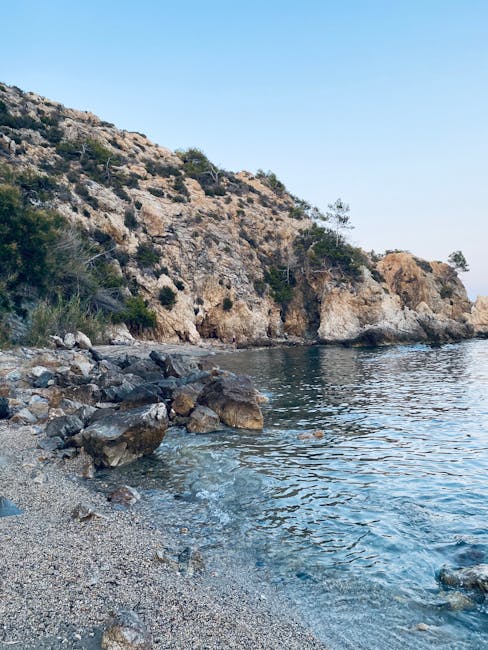
Iž is known for its stone quarries and its picturesque little harbor. Coves like Žal and Klančić are family-friendly: shallow seabeds, pebble beaches and easy access from inland roads. Rava is wilder and has coves such as Supać and Lučina, harder to reach but offering near-total tranquillity. Carry a topographic map or an offline GPS app: some trails are rocky and poorly marked.
Local food: expect simple, fresh dishes — grilled squid, sardines, and Iž’s specialty: artisanal olive oil and sheep cheese. Typical prices range from around €6 (starter) to €15–20 (main). Konobas usually open from 11:00 to 23:00 in summer; in low season they often reduce hours (commonly 13:00–20:00 and closed some days). Hikers should bring bottled water (some water points are intermittent in summer).
Getting out from Zadar: ports, companies, timetables and navigation tips
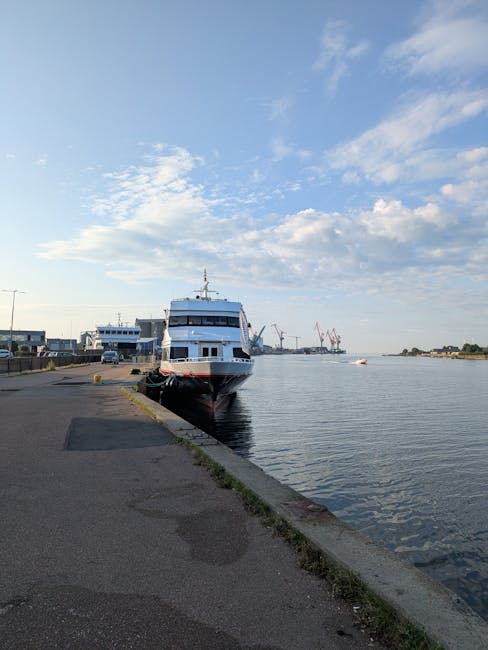
The central departure point for most marine strolls is Zadar port. Practical address: Zadar Ferry Port (Obala kneza Branimira 21, 23000 Zadar). Several options are available to visitors:
- Jadrolinija (main ferry operator) — tickets sold at the main port office. Indicative fares: €3–12 depending on destination and boat type; schedules vary by season (check jadrolinija.hr for exact timetables). Typical high-season hours: early morning departures (06:30–08:00) and evening returns (until around 20:00–21:00).
- Local water taxis — flexible departures from the waterfront (Riva). Average price: €20–50 round-trip for short distances (1–4 people). Services are negotiable; confirm the price before boarding.
- Boat rentals — several agencies offer license-free boats for 4–6 people. Rates: €80–200/day depending on size and season. Typical rental locations: Marina Zadar, Obala kneza Branimira 11, 23000 Zadar (examples of rates and terms available on site).
- Organized excursions — full or half-day tours including snorkeling, a meal and a guide. Average price: €35–90/person depending on itinerary and inclusions (equipment, lunch). Duration: 4–8 hours.
Practical boarding tips: arrive 30–45 minutes before departure to buy tickets and pick a spot, especially in high summer (July–August). Weekdays are quieter; weekends often attract locals and Croatian holidaymakers. Always check the weather: the bora wind, sudden and strong, can make seas rough, especially outside summer. Pack a windbreaker, towel, water shoes and biodegradable sunscreen. Respect local rules: don’t leave rubbish and avoid anchoring near Posidonia meadows.
Local tips, ethics and safety — enjoy without harming
The islands around Zadar are ecologically and culturally sensitive. Locals often live from small-scale fishing and tourism; their welcome can be warm yet understated. Here are practical and ethical recommendations to get the most from your marine strolls while respecting the places:
- Respect nature: don’t anchor on Posidonia oceanica meadows (often visible as dark green areas under the water). These meadows are protected and essential to local biodiversity.
- Waste: take your rubbish with you; the islands have limited waste management infrastructure, and leaving trash can attract pests and harm wildlife.
- Responsible consumption: favor family-run konobas and local products (fresh fish, olive oil, cheese). Paying for local meals helps sustain island life.
- Sea safety: always check local weather bulletins (Meteo.hr or marina offices). Bring a life jacket and tell someone your route if you’re sailing alone.
- Timing: high season (mid-June to mid-September) guarantees open services and warmer seas, but May–June and September–October often offer calm water, fewer people and gentler prices.
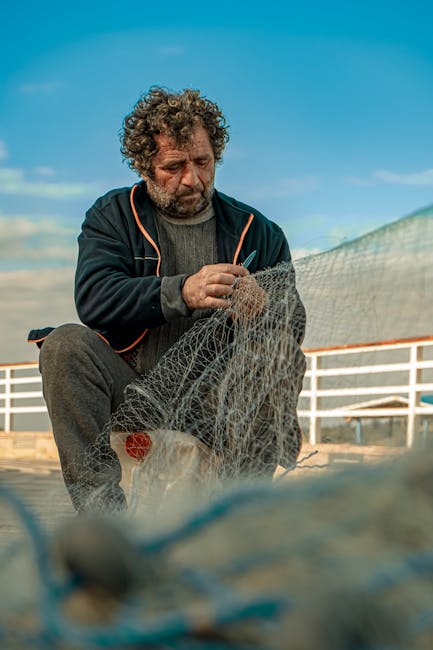
For a deeper immersion, chat with local fishermen when they return from sea: they’re often happy to share island stories and tips for lesser-known coves. And if you want to extend your stay, several guesthouses and small apartments on the islands offer nights from €35–70 depending on season.
Conclusion: why pick the lesser-visited marine walks around Zadar
Exploring the islands and coves few visit around Zadar isn’t just about hunting for a great photo: it’s about connecting with an authentic Mediterranean way of life, respecting fragile ecosystems and savoring rare tranquillity. These small islands — Ošljak, Rivanj, Sestrunj, Iž, Rava — offer different but complementary experiences: secluded coves for swimming and snorkeling, paths for contemplative walks, and konobas where fish is eaten almost as soon as it’s caught. The practical details provided (approximate terminal addresses, indicative prices in euros, seasonal timetables) help you plan your day with confidence. Remember that rates change with the season and some services are strictly seasonal: in low season, check schedules and call ticket offices before you go.
For the responsible traveler, these outings are an opportunity to learn and to conserve. Follow navigation and environmental guidelines, support local businesses (rentals, konobas, small lodgings) and bring back souvenirs that aren’t trash: a photograph, the memory of a sunset over an empty cove, or the taste of an island olive oil. In short: plan your route, choose the right transport (ferry, water taxi, rental), leave early to beat the crowds, and leave each place as you found it — or better.
Enjoy your marine strolls around Zadar: may you return each day with salt on your skin, images in your head, and the calm of a lesser-visited archipelago — ready to share your own secrets, always with respect.