





[COUNTER-CURRENT] Skip the Greeting to the Sun: Why Locals Steer Clear of Zadar’s Most Famous Spot
Introduction — Zadar is a city caught between sea and history, where every cobbled lane tells a chapter of the Adriatic. For visitors, two contemporary waterfront installations are almost mandatory: the Sea Organ (Morske orgulje) and the Greeting to the Sun (Pozdrav suncu), both designed by architect Nikola Bašić. Yet behind the postcard sunsets and Instagrammable moments, there’s a more complicated local reality: many Zadar residents deliberately avoid the Greeting to the Sun area for several concrete reasons — acoustic, social, economic and environmental.
In this practical overview, I’ll explore not only what works in Zadar but also why the Greeting to the Sun has, paradoxically, become an attraction locals tend to flee. You’ll find immersive descriptions, exact addresses, euro prices where relevant, practical opening times, and local tips for enjoying the city off the beaten path. This guide is for the mindful traveler: understanding why a popular site can disappoint residents will help you plan better, avoid the crowds and discover more authentic alternatives.
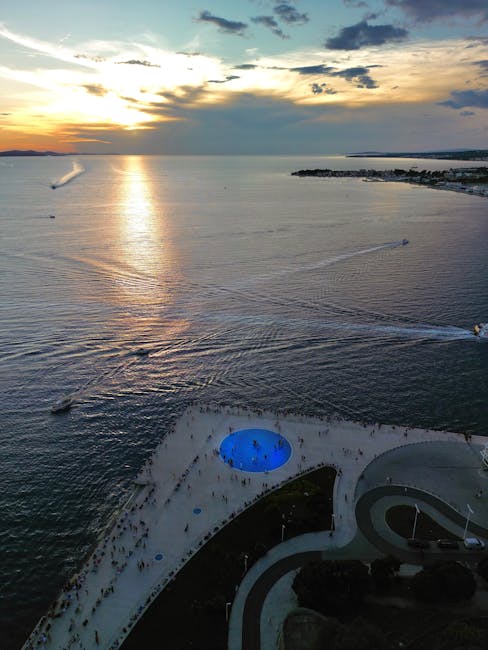
The Greeting to the Sun is spectacular: 300 photovoltaic discs embedded in the promenade that light up at night in response to the light. But technological beauty brings drawbacks too — noise, nightly gatherings, informal commerce and a trivialization of public space that has changed how locals use the area. In the sections that follow, we’ll dig into four key aspects: the architectural and tourist context, impacts on local life, recommended nearby alternatives and practical advice for visiting without disturbing or being disappointed. Expect precise addresses like Obala kralja Petra Krešimira IV for the Riva, Ulica Mihovila Pavlinovića 1 for the Museum of Ancient Glass, plus concrete info on prices, hours and services.
1) Architectural and tourist context: why the Greeting to the Sun attracts and annoys
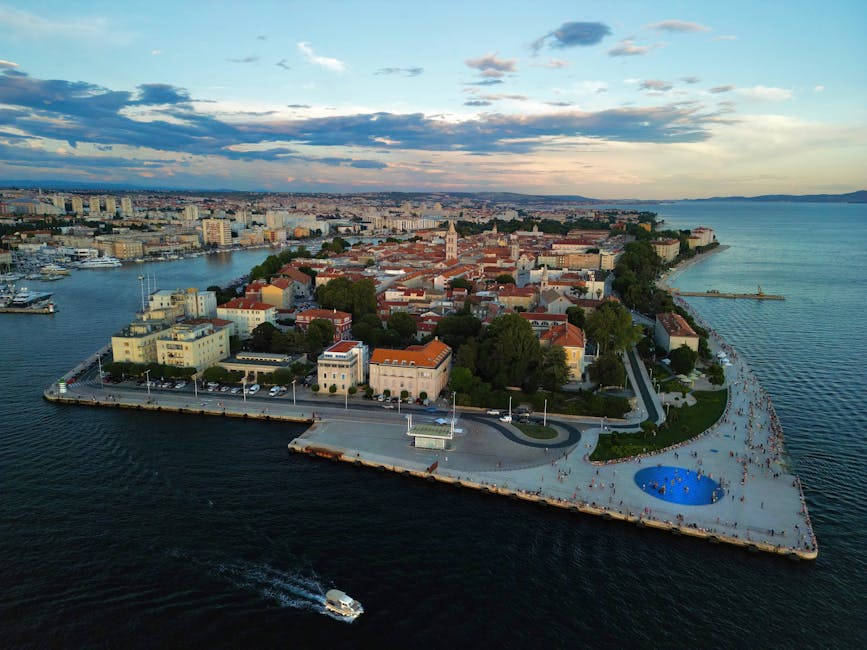
The waterfront promenade at Obala kralja Petra Krešimira IV, 23000 Zadar, is the city’s tourist backbone. That’s where the famous contemporary installations sit — the Sea Organ (Morske orgulje) and the Greeting to the Sun (Pozdrav suncu). The Sea Organ, right on the Riva, produces a wind-like sound caused by waves pushing air through pipes beneath the steps; it’s free and open 24/7. The Greeting to the Sun, right next to it, is a circular surface of solar panels (also free) that illuminate at dusk to create a synchronized light show.
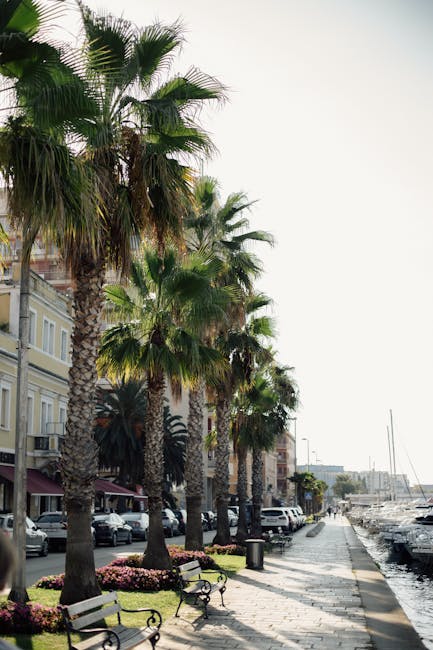
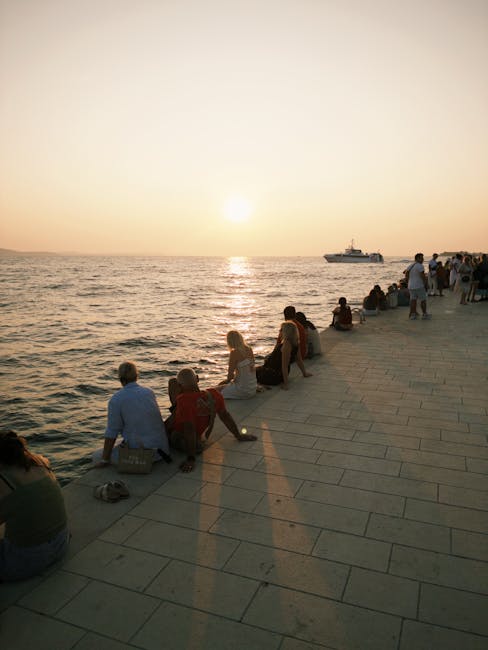
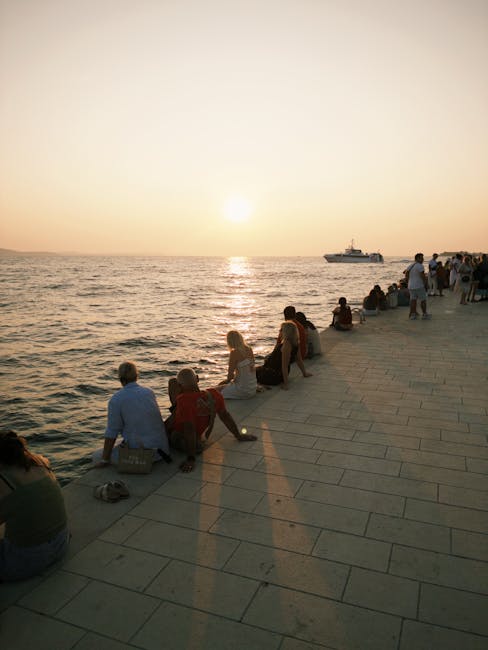
Tourists flock for two reasons: the sunset is stunning and the installations make striking photos. However, many locals say these same features have turned the area into a mass attraction. In high season (June–August), the Riva and the Greeting to the Sun area get noisy from about 7pm until midnight, lowering residents’ quality of life. Nightly gatherings generate litter, alcohol and sometimes rowdy behavior. For a local seeking peace and friendly neighborhood vibes, it feels like the public space has been turned into a theme park.
Another issue is commercialization. Street vendors, pop-up stalls and photographers offer paid services around the site — paid selfies, electric scooter rentals and small commercial entertainments. Residents complain about identity dilution: a public space once dedicated to strolling and resting becomes a temporary commercial hub every summer. That’s the main reason some locals prefer to deliberately avoid the Greeting to the Sun area, even while they acknowledge the artistic value of the work.
2) Social and environmental impacts: noise, safety and shoreline wear
The Greeting to the Sun is free but not without social costs. Heavy footfall strains infrastructure: overcrowded benches, insufficient public toilets and accumulating litter. Public clean-ups are organized by the city of Zadar (Grad Zadar), but during peak season cleaning can’t always keep up with nightly disturbances. Residents also report more mosquitoes and other nuisances tied to leftover food scattered along the promenade.
On the safety side, while Zadar is generally safe, the concentration of informal parties at night increases occasional police interventions. Local parents sometimes avoid the area with young children. The intense lighting from the Greeting to the Sun also disturbs residents whose homes face the Riva, especially during extended light shows. Finally, the environmental footprint is tangible: the installation itself is technological and sustainable (photovoltaic panels), but trampling, temporary structures and mass tourism contribute to coastal erosion and increased pressure on local resources.
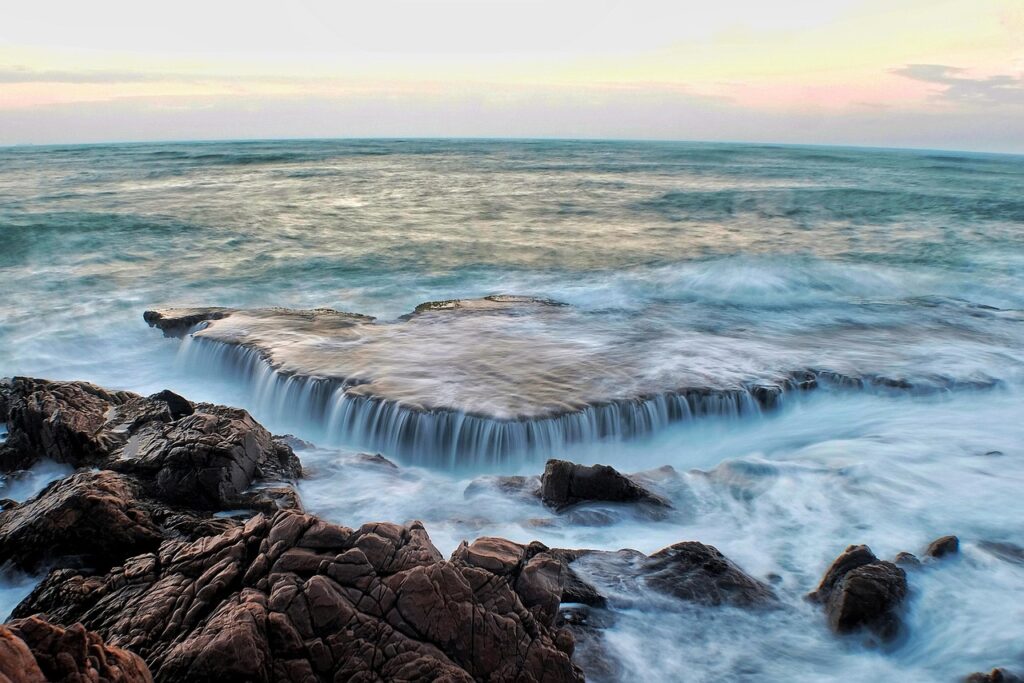
3) Quieter local alternatives: where to go instead of the Greeting to the Sun
Locals have their own spots to escape the crowds. Here are concrete alternatives with addresses, hours and tips:
- Sea Organ (Morske orgulje) — Obala kralja Petra Krešimira IV, 23000 Zadar. Free, open 24/7. Although it’s close to the Greeting to the Sun, listening in the morning or early afternoon offers a more peaceful experience. Local tip: arrive before 09:00 in summer to enjoy the sound without crowds.
- Museum of Ancient Glass — Ulica Mihovila Pavlinovića 1, 23000 Zadar. Indicative price: €6 adult, discounts for students and seniors (check on site). Opening hours (high season): 09:00–20:00. It’s a cultural option to escape crowded beaches and learn about the coastal glassmaking history.
- Vladimir Nazor Public Garden — Poljana Šime Budinića 1, 23000 Zadar. Free. A shaded park perfect for a picnic away from the waterfront, much loved by local families.
- Borik Beach — Borik, 23000 Zadar. A pebble beach less touristy than the main waterfront, ideal for early-morning swims. Free access, paid parking in some seasons.
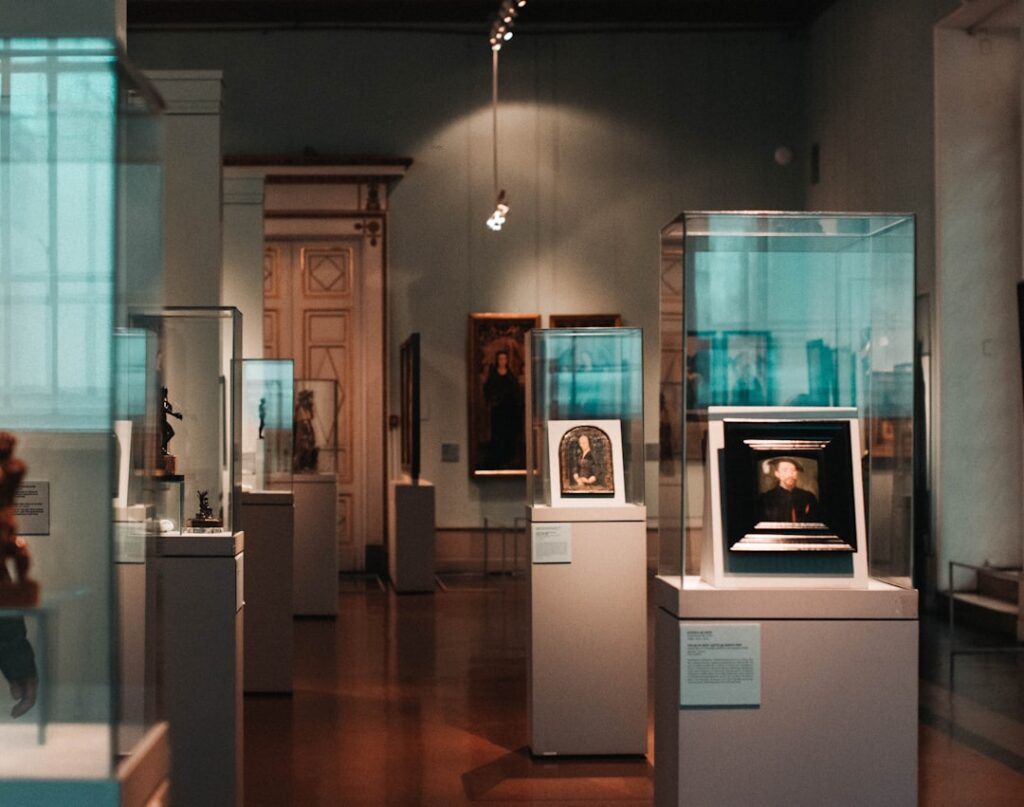
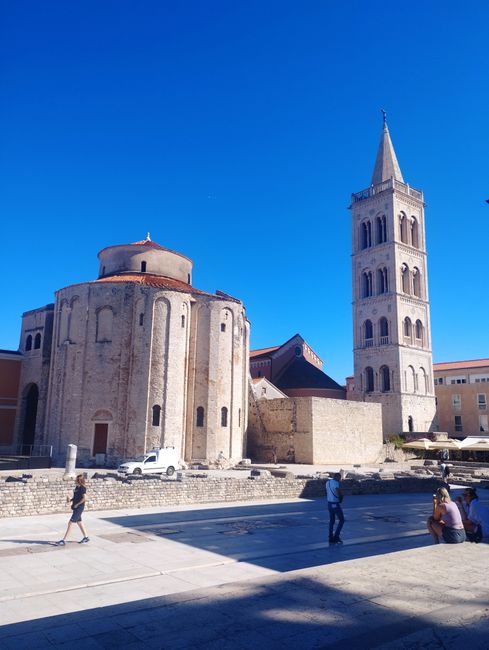
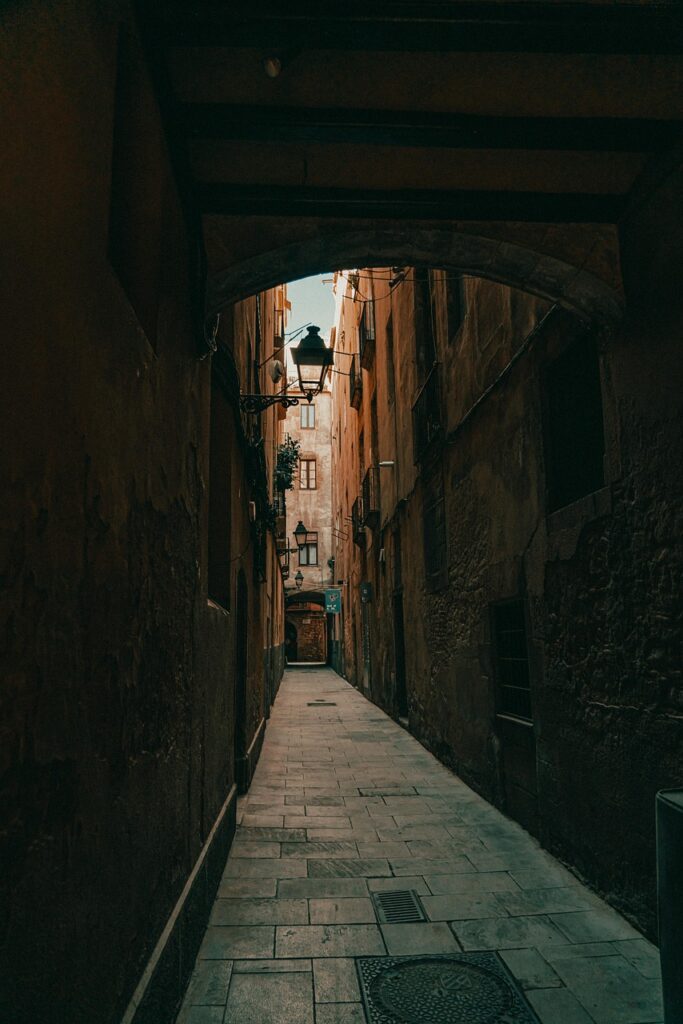
These alternatives show that Zadar is far richer than a single light show. Locals often favor morning relaxation, neighborhood restaurants and strolls through the medieval alleys around St. Donatus Church (Crkva sv. Donata, Trg Petra Zoranića, 23000 Zadar), a quieter, history-packed site.
4) Practical tips for visitors: see without harming, love without overcrowding
If you absolutely want to see the Greeting to the Sun, follow a few common-sense rules locals appreciate:
- Visit early morning (before 09:00) or late evening (after 21:30) outside peak tourist times to avoid the crowds.
- Avoid large bottles of alcohol and noisy groups: they draw police attention and upset residents.
- Don’t leave any trash behind — bring a bag for your waste, even if the city collects regularly.
- Favor backstreet cafés and neighborhood restaurants (e.g.: Pizzeria Pet Bunara, Trg tri bunara 4) over overcrowded waterfront places; the food is often better and prices fairer.
- If you take professional photos (drone, lighting), check local permits and respect residents’ privacy.
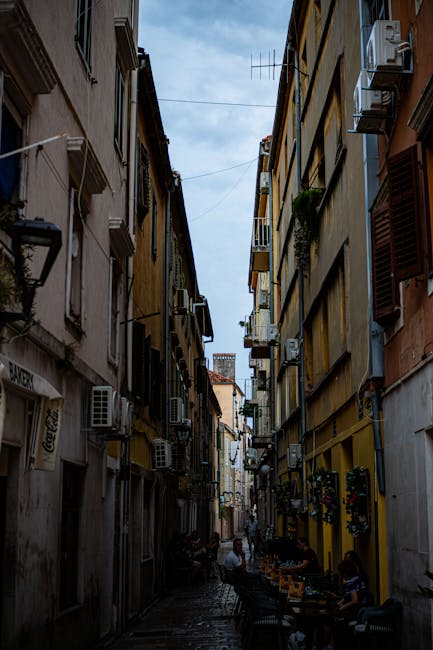
By following these tips you’ll reduce your impact and are more likely to be welcomed by Zadar locals. Many visitors leave disappointed because they expected an intimate experience but found a tourist fair; a respectful, well-timed visit makes all the difference.
Conclusion
Zadar offers unforgettable scenes — the mellow roar of the Sea Organ, the glowing carpet of the Greeting to the Sun, and the natural theater of sunsets over the Adriatic. But popularity comes at a cost: the conversion of public space into a mass attraction, with noise, litter and local tensions. Understanding why residents avoid the Greeting to the Sun is to recognize that tourism success can sometimes clash with local quality of life. Zadar residents don’t denigrate the artistic and technological achievement; they mainly want to preserve the peace of their neighborhoods and the dignity of public space.
To make the most of Zadar, shift your perspective: favor off-peak hours, explore museums like the Museum of Ancient Glass (Ulica Mihovila Pavlinovića 1, 23000 Zadar, about €6), stroll through parks like Vladimir Nazor, and enjoy neighborhood dining away from the Riva. Trips to Borik or nearby coves offer calmer water and more privacy. By acting responsibly — no excessive noise, no litter, respect for residents — you’ll help preserve this unique city. Ultimately, Zadar remains a jewel best discovered at a leisurely pace; accepting that you don’t have to see everything from the promenade at dusk is often the key to a more authentic and respectful experience.