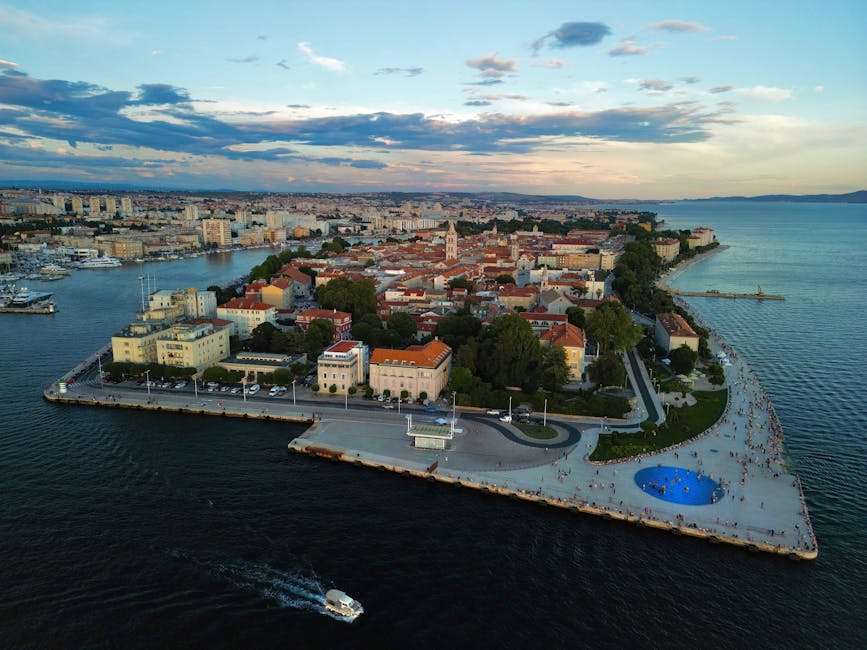






Introduction — Why this guide to spotting fake guides in Zadar?
Zadar, a gem on Croatia’s Dalmatian coast, has long drawn travelers looking for history, Mediterranean light, and authentic atmosphere. Between its Roman lanes, Byzantine churches and the famous Riva promenade, the city begs to be explored. But as with any popular tourist spot, unlicensed guides, overpriced excursions and shady middlemen can turn a pleasant visit into a frustrating — or costly — experience. This guide aims to give English-speaking visitors clear, practical tools to recognize fake guides in Zadar, avoid scams, and find trustworthy professionals.
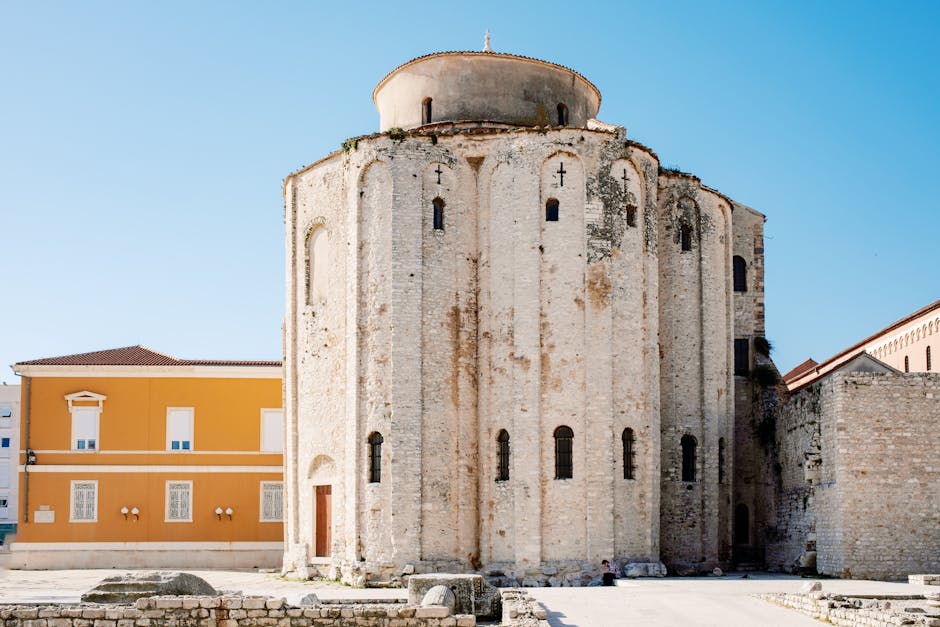
Telling the difference between a qualified local guide and an ad-hoc entertainer matters for several reasons: safety — an official guide knows local rules, safe routes and opening hours; quality of information — a real guide provides historical context, verifiable anecdotes and cultural references; and compliance — licensed guides pay taxes and often work with tourist offices. In Zadar, that distinction can be the difference between a rich, informative stroll in front of St. Donatus Church (Church of St. Donatus, symbol of early medieval architecture) and a rushed tour that costs too much and offers too little.
This guide isn’t just a list of red flags. It also gives practical references: exact addresses for tourist offices and landmarks, price ranges in euros for common services (walking tours, boat trips, transfers), suggested times to check availability, and immersive descriptions that help you spot inconsistencies when someone offers an “exclusive” old-town tour. You’ll also find local tips — how to negotiate politely, how to check credentials, and what questions to ask to gauge a guide’s professionalism.
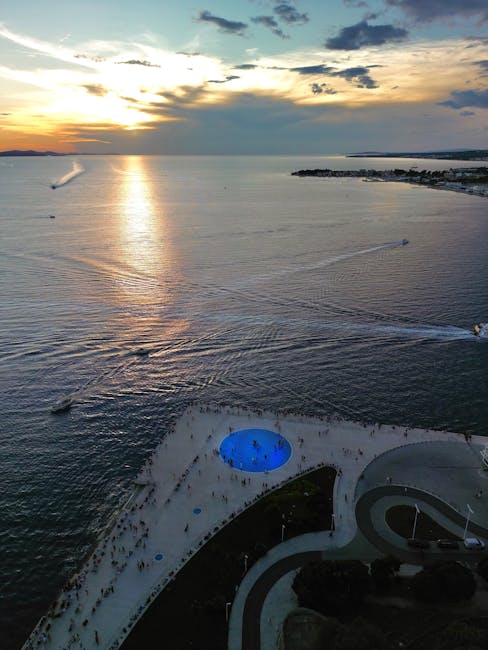
Finally, the guide includes visual cues and photo markers (shown by  ), designed so you can quickly identify the places mentioned. Whether it’s your first time here or you’re a regular of the Adriatic coast, these practical tips will help protect you from fake guides and let you fully enjoy Zadar’s highlights: the Sea Organ, the Greeting to the Sun, the Roman Forum, the cathedral and the sunset views over the Kornati islands.
1) Visible signs of a fake guide: behavior, appearance and sales tactics
Fake guides often give themselves away through behavioral and commercial clues. In Zadar, especially around the Riva (Obala kneza Branimira / Obala kralja Petra Krešimira IV) and the Roman Forum, you may see people approach tourists as soon as they step off a bus or leave a boat. Be wary of those who use pushy or over-enthusiastic lines like “special price for you,” “last minute exclusive tour,” or “I’m the only guide who can take you now.” Legitimate guides operate on set schedules, meet in designated spots, and usually prefer bookings via an agency or the tourist office.
Appearance: a real guide will often wear an official badge, a hat or a uniform provided by their agency, or at least carry a visible professional card. Fake guides sometimes use counterfeit badges or unofficial laminated cards. In Zadar, the title “official guide” should correspond to accreditation recognized by the Croatian Chamber of Tourist Guides (Hrvatska komora turističkih vodiča). Don’t hesitate to ask to see the accreditation — a professional guide will happily show it.
Sales tactics: watch out for offers that tack on unwanted services (forced shopping stops, “mandatory” kayak rentals for part of the tour, hidden fees) or that demand cash payment before the service begins. In Zadar, standard walking tours usually last between 90 minutes and 3 hours. For a private 2-hour old-town tour expect to pay around €80–€120 depending on season and language (May–September). If someone offers a 3-hour tour with private van transport and wine tasting for €10 per person, it’s probably too good to be true.
Practical checklist: if you’re approached spontaneously, always ask for:
– The agency name and exact address (e.g. Turistički informativni centar Zadar, Trg Petra Zoranića 1, 23000 Zadar).
– The total price in euros, all taxes included.
– The exact number of hours and a schedule (start and finish times).
– The guide’s accreditation number.
A genuine guide will also give references or offer to book through an official website or the tourist office.

2) Check credentials and go to official points: reliable addresses, opening hours and fares
To verify a guide’s credibility, start with official institutions. In Zadar the main tourist information point is Turistički informativni centar Zadar, located on the main square: Trg Petra Zoranića 1, 23000 Zadar. Indicative opening hours: high season (May–Sept) generally 08:00–20:00, low season 09:00–16:00; call or check the local official site for exact times. Staff at the center can provide a list of licensed guides, their working languages and recommended rates.
Other useful addresses:
– Muzej antičkog stakla (Museum of Ancient Glass), Ulica Kraljice Jelene 1, 23000 Zadar — opening hours 09:00–18:00 (seasonal variations), admission €6–€8 depending on the exhibition.
– Narodni trg / Roman Forum (Forum) — open site, free access; guided visits may be available for a fee (around €10–€15 per person for groups).
– Katedrala sv. Stošije (Cathedral of St. Anastasia), Trg Petra Zoranića (nearby) — visiting hours vary with services; suggested donation €2–€4.
Ask the guide about their affiliation. Reputable local agencies include:
– Localni vodiči Zadar (local guides agency) — address usually provided by the tourist office.
– Licensed cruise operators based at Zadar port (port address: Luka Zadar, Obala kneza Branimira 2) — official boat companies display licenses at their ticket desks.
Prices: for a 4-hour boat trip to the Kornati archipelago budget €40–€80 per person depending on the operator and whether lunch is included (peak season: €60–€90). Private airport transfers from Zadar Airport (Zračna luka Zadar, Put Bokanjca 1) to the city center typically cost €25–€40 for 1–3 people; official taxis use meters, so refuse aggressively offered flat rates.
Opening hours: use the fact that official sites have standard hours to your advantage. If someone claims a public monument will be closed except for your private group (for an extra fee), be suspicious — public sites rarely close just for a private tour without prior booking. Check opening times on the information boards at entrances or ask the tourist office beforehand.
3) Pricing, payment and contracts: how to recognize financial scams
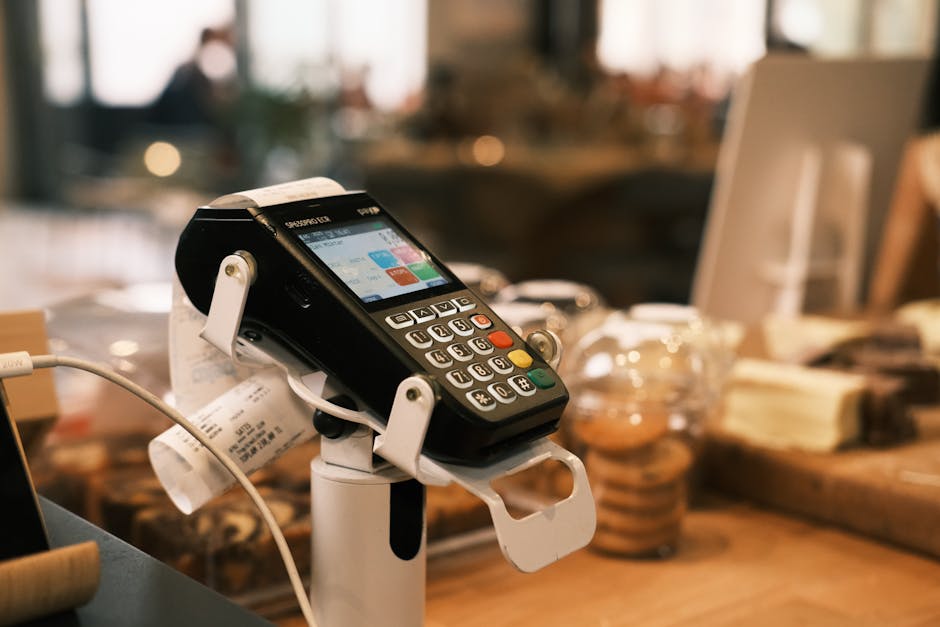
One clear sign of a fake guide is how they bill for services. A professional will usually provide a written quote, a receipt or invoice, and accept several payment methods (card via terminal, bank transfer, cash). Beware of people demanding full cash payment up front or pressuring you to pay immediately under the pretext of a “one-time offer.” Typical prices observed in Zadar are:
– Walking tour of 90–120 minutes in French: €80–€120 for the group (1–6 people).
– Private half-day tour (4 hours) around the old town and viewpoints: €150–€220 depending on language and group size.
– Full-day boat trip to nearby islands: €50–€95 per person, including guide, skipper and sometimes a simple lunch.
Contracts and confirmations: before agreeing, ask for a contract or written confirmation (an email is fine) that details the itinerary, duration, price in euros, meeting point (exact address) and cancellation terms. A serious professional will also give a local contact number for emergencies. If the booking is through an international platform (GetYourGuide, Viator, etc.), check reviews and the refund policy.
Payment tips: prefer card payments or bank transfers when possible and keep a screenshot or receipt. If you pay cash, request a receipt. Refuse to pay extra amounts en route for “local taxes” or “entry fees” if these weren’t listed in the original quote. For visits that include paid reservations (for example a tour that includes entry to the Museum of Ancient Glass), compare the official ticket prices displayed at the ticket office — if you’re charged double, that’s a red flag.
Signs of patience: a fake guide will often try to close the sale quickly and separate you from the group to charge you more. A real guide gives you time to think, offers alternatives (standard or private tour), and welcomes questions before taking a deposit. Note that for some services (e.g. private tastings in a konoba), a 20–30% deposit is common, but this must always be written down.
4) Know the area: local landmarks, common routes and questions to ask
A simple and effective way to spot a fake guide is to learn a few local landmarks and typical routes in Zadar. A real guide will naturally include these points or explain why they choose a different route. Old town must-sees include:
– Sea Organ (Morske orgulje), Obala kneza Branimira (Riva) — free, open 24/7, best at sunset.
– Greeting to the Sun (Pozdrav Suncu), Obala kralja Petra Krešimira IV — circular solar installation with nightly lighting, free.
– Church of St. Donatus (Crkva sv. Donata), Trg Petra Zoranića — exterior visits and sometimes concerts (check local schedules).
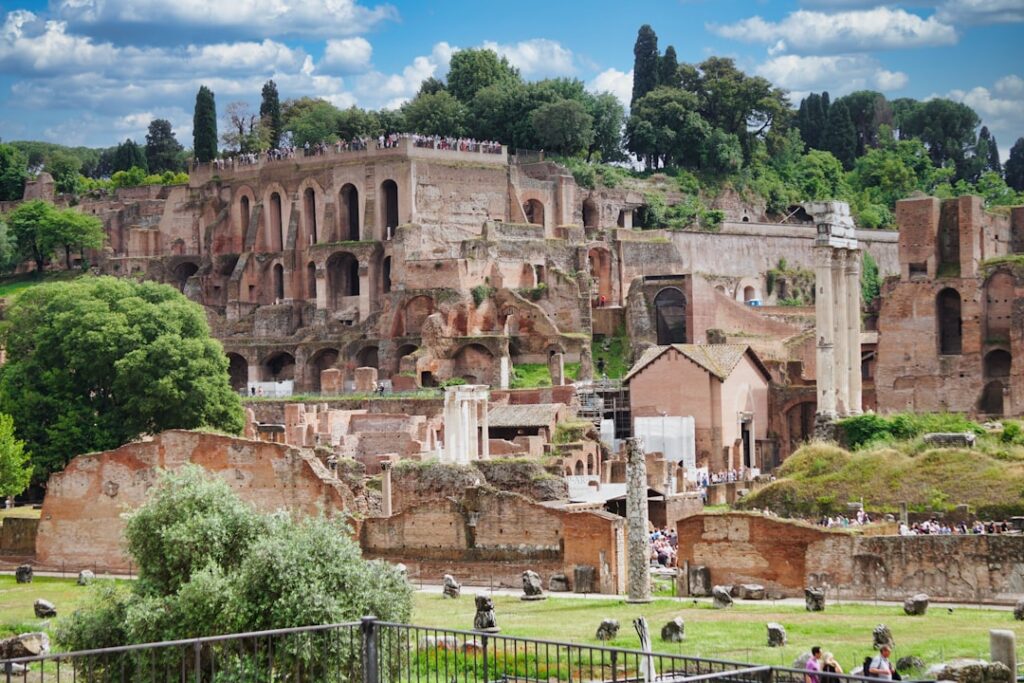
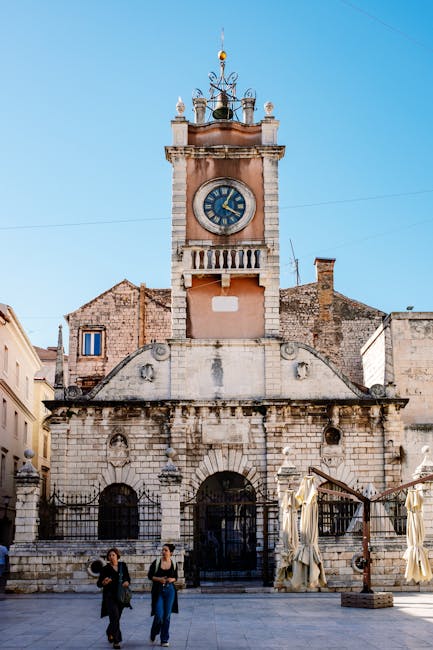
– Roman Forum (Forum), Trg tri bunara / Trg Petra Zoranića — Roman-era remains in the city center.
– Katedrala sv. Stošije (Cathedral of St. Anastasia) — often free entry or donation-based.
An authentic guide will explain the history and architecture and give verifiable anecdotes about these sites.
Questions to test competence:
– “Can you tell me when St. Donatus Church was built?” (Expected answer: 9th century, pre-Romanesque, built on the Roman Forum site.)
– “What cultural events happen on the Riva in summer?” (Expected answer: concerts on the square, festivals, nighttime installations around the Sea Organ and Greeting to the Sun.)
– “Can you recommend an authentic local restaurant near the port?” A genuine guide will be able to name specific places with addresses and specialties (e.g. Konoba Tinel, Ulica Kraj Sv. Frane 14 — while places change, an honest guide knows current addresses and specialties).
Alternative routes: be cautious about offers to go “off the beaten path” without explanation. Some fake guides will take you to workshops, shops or restaurants where they receive a commission. A professional guide will warn you before a commercial stop and explain why they recommend it.
Finally, check reviews: consult online review platforms (TripAdvisor, Google Reviews) and ask the Tourist Info staff for recommendations of guides who speak your language. For hikes and boat trips, check reviews for safety and vessel condition (hull condition, availability of life jackets).
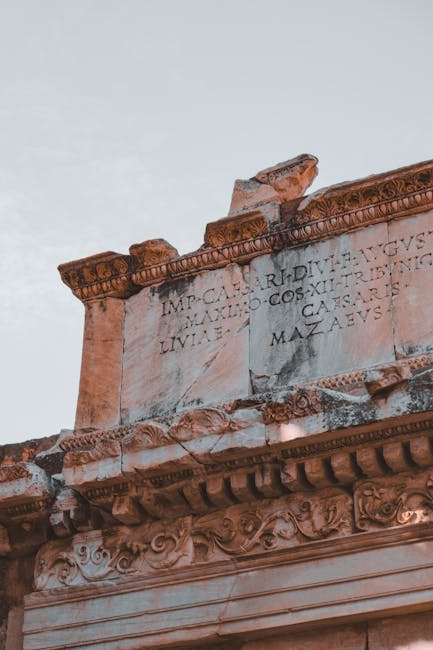
Conclusion — Travel smart: enjoy Zadar with confidence
Zadar is a place where history meets the present: waves play music on the Sea Organ, solar installations light up, and the old town invites you to wander. To keep your experience positive, it’s essential to know how to spot fake guides and questionable commercial practices. By relying on the signs outlined in this guide — behavior, appearance, payment methods, credential checks, and using official points like Turistički informativni centar Zadar (Trg Petra Zoranića 1, 23000 Zadar) — you’ll reduce your risk of being scammed and support professionals who respect their craft and the destination.
Favor transparency: always ask for written confirmation, verify the total price in euros, the schedule and the itinerary, and insist on a receipt. Trust guides who know the city’s details — the exact location of the Roman Forum, the history of the Church of St. Donatus, the best times to hear the Sea Organ or admire the Greeting to the Sun. Serious guides won’t try to wow you with unsubstantiated “special” offers; they highlight their expertise, accreditation and references.
Finally, adopt a few simple habits on site: note the tourist office contact details (opening hours vary by season), check notice boards and ticket prices at museums (for example admission prices at the Museum of Ancient Glass and the Archaeological Museum vary and are always displayed at ticket counters), and don’t hesitate to ask a shopkeeper or hotel staff member about any offer that seems suspicious. By doing so you’ll support honest local guides and enjoy a safe, rich and memorable visit to the beautiful city of Zadar.