





Introduction — When to Visit Zadar: Context, Climate and First Impressions
Zadar, a jewel on Croatia’s Dalmatian coast, is a place where Roman and medieval history meet the deep-blue Adriatic. Located in Zadar County, this compact, walkable city offers dramatic coastline, cobbled lanes, historic churches and a modern waterfront punctuated by two unique sound-and-light attractions: the Sea Organ and the Greeting to the Sun. Picking the right time to visit Zadar depends as much on what you want (beaches, weather, festivals, tranquility or nightlife) as on practical constraints (prices, transport, crowds).
This detailed guide gives you a month-by-month calendar and practical tips to help you decide when to travel to Zadar. You’ll find general weather pointers, the best seasonal activities, suggested times to visit sights, exact addresses, typical prices in euros and useful info to make the most of your stay — whether you’re into swimming, photography, hiking, culture or simply a relaxed seaside pace.
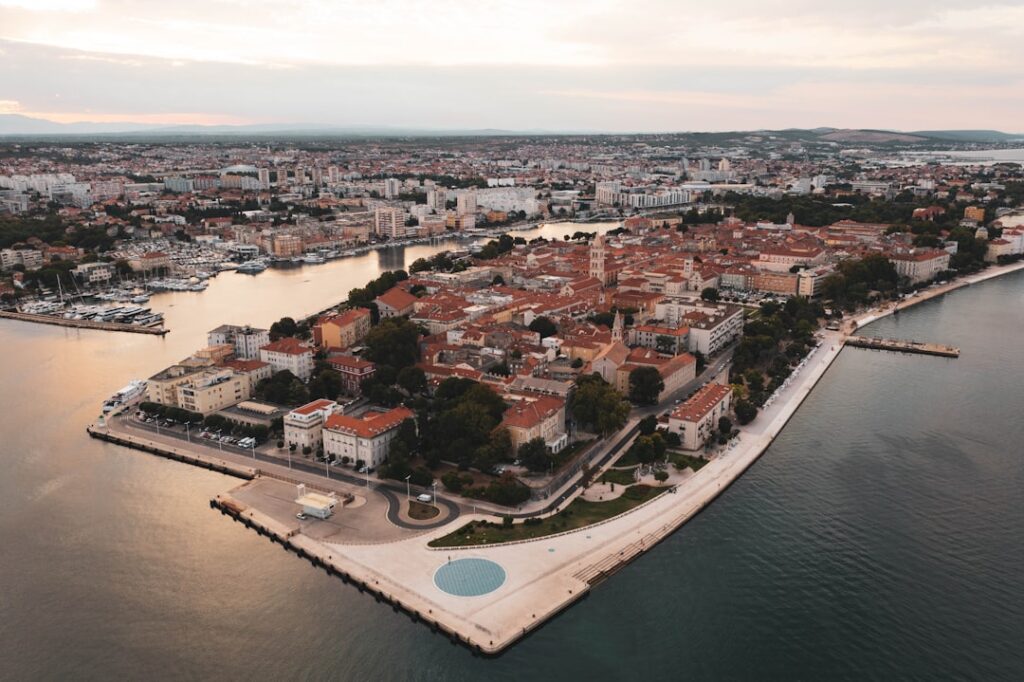
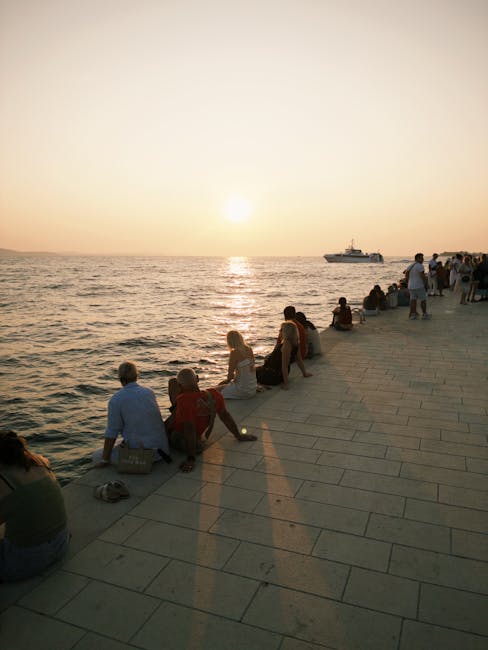
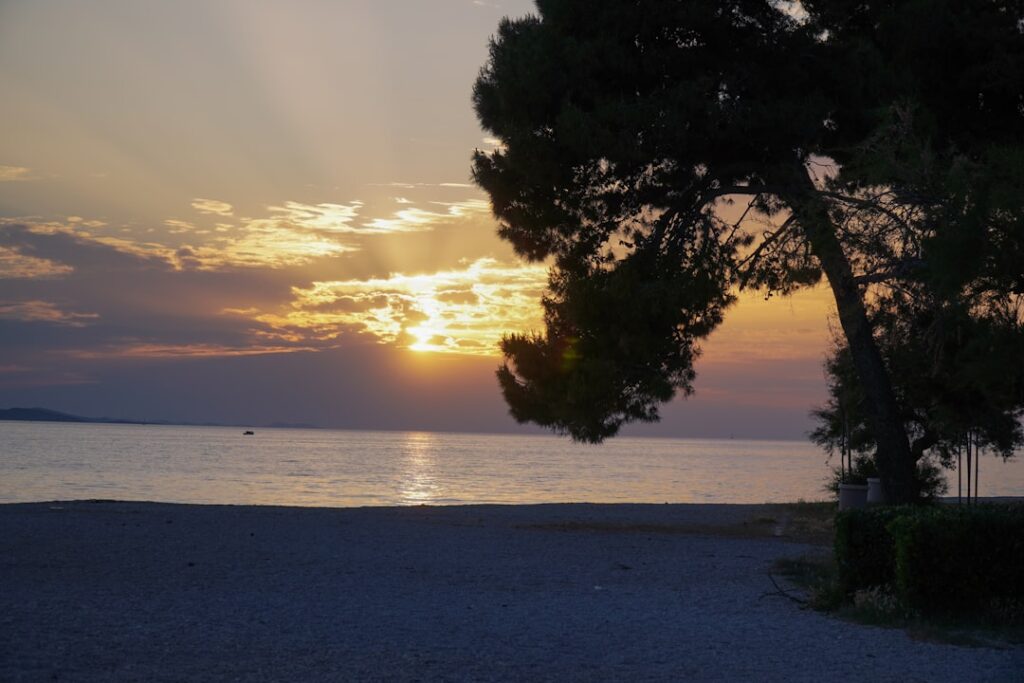
Two images capture Zadar’s spirit: the waves that make the Sea Organ sing along the Obala kneza Branimira promenade and the luminous show of the Greeting to the Sun installed right next to it that lights up every evening. These installations are free and accessible 24/7, but the experience varies greatly by timing: sunrise for peaceful contemplation, sunset for dramatic colors and lively evenings when nearby cafés stay open. Zadar isn’t just a summer destination — shoulder seasons have a more intimate charm, less crowded museums and more attractive accommodation rates.
This guide is organized into practical, illustrated sections to walk you through the year by month and by season. You’ll also find tips on where to stay (recommended neighbourhoods and price ranges), transport (getting there by plane, ferry, car hire) and recommendations for visiting specific sites with addresses, typical opening hours and usual admission fees in euros. Always double-check times and prices online before you go: they can change with the season and public holidays.
Seasons & Weather: January to June — quiet, cultural discoveries and first warm days
January to March (winter) — climate, activities and tips
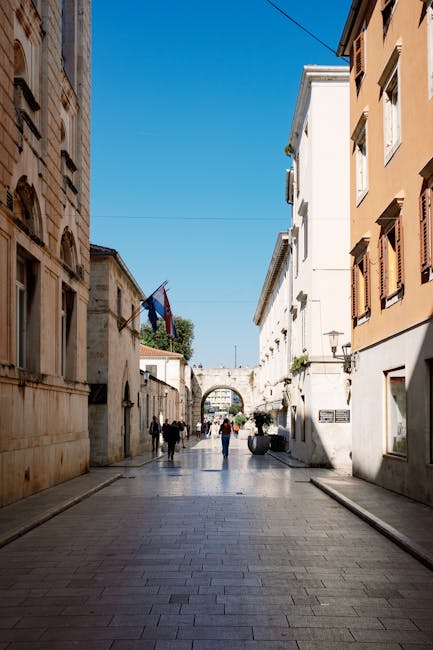
January and February are Zadar’s coolest and quietest months. Average temperatures range from 2 °C to 10 °C, with sunny days possible but chilly nights. The sea is far from warm: swimming is rarely an option except for winter-plunge enthusiasts. This is the perfect time to enjoy the old town without crowds, take contemplative strolls along the Obala kneza Branimira waterfront and visit museums.
- Museums & addresses: Archaeological Museum Zadar (Zadarski arheološki muzej), Trg opatice Čike 1, 23000 Zadar — indicative price €5–€7, typically open 9:00–17:00 (may be closed Monday). Check the official site before you go.
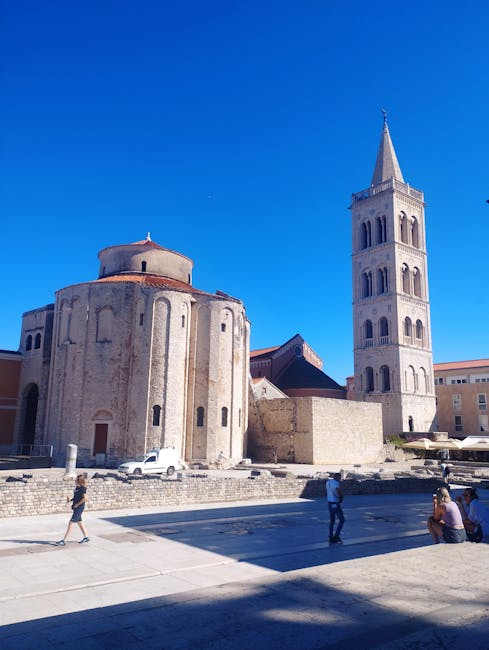
- Churches: Cathedral of St. Anastasia (Katedrala svete Stošije), Trg Petra Zoranića, 23000 Zadar — cathedral entry is free, bell-tower access often charged (≈ €2–€3), hours 9:00–18:00 in season, reduced hours off-season.
- Atmosphere: perfect for architectural photos, cosy cafés and lower accommodation rates (double rooms in B&Bs often from €35–€60/night).
April to June (spring) — warming up and first swimmers
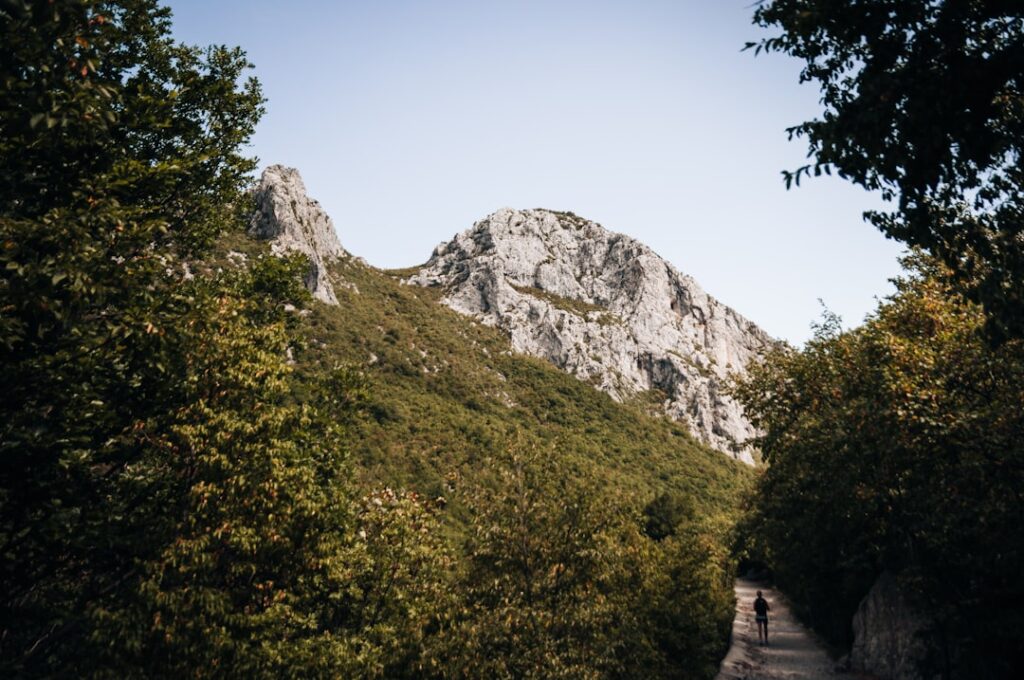
April often brings a very pleasant spring to Zadar: average temperatures 12–20 °C. This is an excellent time for hiking (for example in Paklenica National Park about 45 km away), visiting nearby islands (ferries from the port) and enjoying the city before the summer rush. Beaches start to get busier in May–June and the sea gradually warms up (around 18–22 °C in June).
- Excursions: boat trips to Dugi Otok or the Kornati islands. Zadar Port (Luka Zadar), Obala kneza Branimira 2, 23000 Zadar — operators such as Jadrolinija run crossings: indicative prices €8–€25 depending on distance and season; check seasonal timetables (services more frequent April–Sept).
- Events: music and cultural festivals begin to appear in May/June; nightlife awakens especially along the promenade and in bars in the historic centre.
- Practical tips: in April–May, book accommodation if you want a beachfront apartment (prices €60–€120/night depending on standard). Museums and sites have more regular opening hours and queues are still manageable.
Seasons & Weather: July to December — scorching summer, mild autumn and practical advice
July to August (summer) — high season, heat and busy beaches
July and August are Zadar’s peak months. Average temperatures range from 25 °C to 32 °C and can occasionally hit 35 °C. The sea is at its best (22–26 °C), perfect for swimming, water sports and boat trips. Expect a very lively city, crowded beaches and peak accommodation prices (double rooms from €90–€250/night depending on location and category).
- Sites to visit: Sea Organ (Morske orgulje), Obala kneza Branimira, 23000 Zadar — public attraction, free and open 24/7; the best time is at sunset to combine the organ’s sound with the light show of the Greeting to the Sun. Greeting to the Sun (Pozdrav Suncu) sits right next to it on the waterfront: a circle of photovoltaic installations that light up at night.
- Beaches: Kolovare Beach (Plaža Kolovare), Obala kneza Branimira (close to the centre) — pebbles, easy access, public showers; quieter beaches further out like Punta Bajlo.
- Tips: book ferries and excursions early (boat tours to the Kornati or Telašćica cost about €40–€90 per person). Favor early morning or evening visits to avoid heat and crowds.
September to December (autumn and early winter) — mild weather, grape harvests and gradual quieting
September remains an excellent month: temperatures often around 20–25 °C, the sea still warm and crowds thinning after mid-September. October brings mild days and autumn colors and accommodation prices drop. November and December get cooler — bring a coat. Museums stay open but some ferry and tour services become rarer or stop in low season.
- Festivals & events: autumn markets, wine festivals and local celebrations — a great chance to discover Dalmatian cuisine in konobas (traditional taverns).
- Transport budget: flights to Zadar Airport (Zračna luka Zadar), Address: Ulica Putnik, 23000 Zadar — in low season, airfares and car hire are noticeably cheaper. Car hire: around €25–€60/day depending on period and model.
- Tips: November–December are good for travellers seeking a cultural stay, low prices and a more local Zadar. Check reduced opening hours for attractions and restaurants in low season.
Practical Tips & Useful Addresses — accommodation, transport, visits and detailed budgets
Accommodation — neighbourhoods and price ranges
Old Town — ideal to be at the heart of history, a stone’s throw from main sights. An example boutique property: Boutique Hostel Forum, Narodni Trg 1, 23000 Zadar — double rooms in low season ≈ €60–€100/night, summer ≈ €120–€220/night. Book well in advance for July/August.
Waterfront (Riva) — apartments and hotels on Obala kneza Branimira offer sea views. Example: Hotel Porto, Obala kneza Branimira 14, 23000 Zadar — double rooms ≈ €90–€180/night depending on season, breakfast included. Kolovare/Kastel — better for families, beaches nearby, often more moderate prices (double rooms ≈ €70–€140/night in summer).
Transport — how to get there and get around
- Plane: Zadar Airport (Zračna luka Zadar), Ulica Putnik, 23000 Zadar — shuttles and taxis available; trip to the centre ≈ 15–20 minutes by taxi (≈ €15–€25). Several low-cost carriers serve Zadar in season.
- Ferry: Luka Zadar (Ferry Port), Obala kneza Branimira 2, 23000 Zadar — Jadrolinija and other operators connect to the islands: prices €8–€40 depending on distance and season. Tickets for cars and passengers available at kiosks and online.
- Bus: Zadar bus station, Trg Petra Zoranića 1 — regular lines to Split, Zagreb, Plitvice. Indicative prices: Zadar–Split ≈ €8–€15, Zadar–Plitvice (via Gračac) ≈ €18–€30.
Visits, typical opening hours and admission fees
- Sea Organ (Morske orgulje) — Obala kneza Branimira, 23000 Zadar — free access 24/7.
- Greeting to the Sun (Pozdrav Suncu) — Obala kneza Branimira, 23000 Zadar — public installation, lights turn on automatically at sunset.
- Museum of Ancient Glass (Muzej antičkog stakla) — Ul. Jurja Trogiranina 3 (or in the old town, check local address), indicative fee €4–€6, hours 9:00–17:00 depending on season.
- Archaeological Museum Zadar — Trg opatice Čike 1, 23000 Zadar — entry ≈ €5–€7, hours 9:00–17:00. These prices are indicative; many discounts exist for students and seniors.
Local tips and practical advice
- Best time for photography: sunrise and sunset on the Riva, café terraces on Narodni Trg for soft light.
- Food: try brodet (fish stew), local anchovies, Pag cheese (Paški sir) — konoba Reful, Ul. Jurja Dalmatinca 2 (example of a konoba), meal budget ≈ €12–€30 per person depending on dish and wine.
- Money & payments: cards are widely accepted but carry some euros in cash for small purchases and markets in low season.
- Safety: Zadar is generally very safe; watch out for bag snatching in very crowded tourist areas during summer.
Conclusion — Summary of the Best Times to Visit and Final Recommendations
Choosing when to visit Zadar depends on your priorities: for swimming and lively atmosphere, pick July and August (warm sea, nightlife, but highest prices and crowds). For the best compromise between good weather, warm sea and fewer people, aim for June or September. Travellers after quiet, low-cost cultural stays will prefer October to April, with the caveat that some tourist services will be reduced.
Practical final recommendations: book accommodation at least 2–3 months ahead for summer; budget according to the season (high season: accommodation €120–€250/night for a mid-range seafront hotel, low season: €35–€90); book boat excursions to the Kornati, Telašćica or Dugi Otok early — prices ≈ €40–€90; check up-to-date opening hours for museums (Archaeological Museum Zadar, Museum of Ancient Glass) and religious sites (Cathedral of St. Anastasia) as they vary off-season.
Finally, don’t miss the unforgettable free experiences: listen to the Sea Organ at sunset and watch the Greeting to the Sun light up. For a tasty souvenir, buy Pag cheese (Paški sir) at a local market or specialty shop. Zadar offers a unique mix of history, seascapes and seasonal atmosphere: every month has its reasons to visit. With the weather and practical tips covered here, you’ll be set to make the most of this Dalmatian gem.