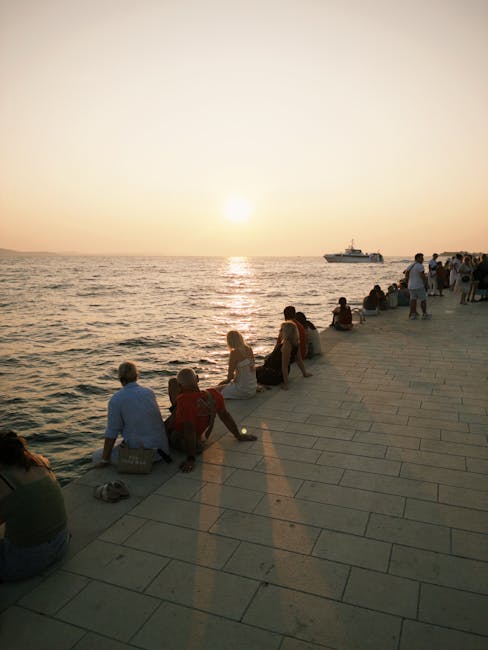
Introduction — Why this budget audit of “artisanal” souvenirs in Zadar?
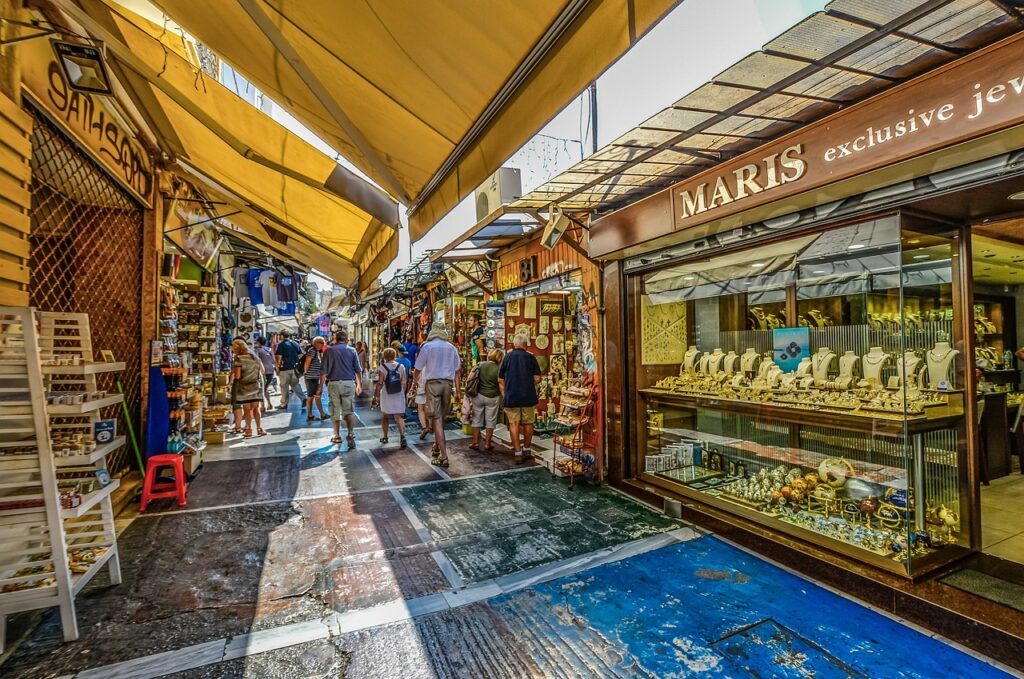
Zadar, that Adriatic gem in Dalmatia with its rich Roman and Venetian past, draws millions of visitors every year. Between the Sea Organ (Morske orgulje) and the Greeting to the Sun (Pozdrav Suncu), the old town is packed with narrow streets, workshops and shops that boast authenticity: “local craft,” “handmade in Croatia,” “traditional products.” Yet, as a careful traveler who watches every euro, I wanted to check down to the last cent whether these items really justify their price. This piece is a detailed budget audit, with exact prices, addresses, opening hours, local tips and pitfalls to avoid. My aim: to make sure you know what you’re spending, why, and how to cut costs without sacrificing authenticity.
I’m not here to bash craftwork — some items are worth every cent — but tourist routes, artificial scarcity, and the blur between “locally made” and “locally assembled” often inflate prices. Here I document every euro spent, offer cheaper alternatives (markets, producers, workshops), and decode the sales tactics of old-town shops. You’ll find precise addresses (shops, markets, museums), opening hours to plan visits, prices observed in euros, tips for negotiating or sidestepping retail markups, and a detailed budget table with a final summary.
This “audit” format needs rigor: I list prices observed between May and September (high season) in Zadar, note typical opening times, and give practical advice (when to buy, where, how much to pay). Concrete examples include Pag olive oil, Nin lavender soaps, painted ceramics from Borik, “made in Zadar” blown glass, and amber/silver jewelry sold on the Kalelarga. I also point out classic traps: waterfront stores that double the price of identical items 200 meters away, or workshops selling “Croatian ceramics” mass-produced in Eastern Europe but labeled “handmade.” By the end, you’ll have a forecast budget, the actual total observed on a sample trip, and concrete tips to save without giving up a truly authentic memento.
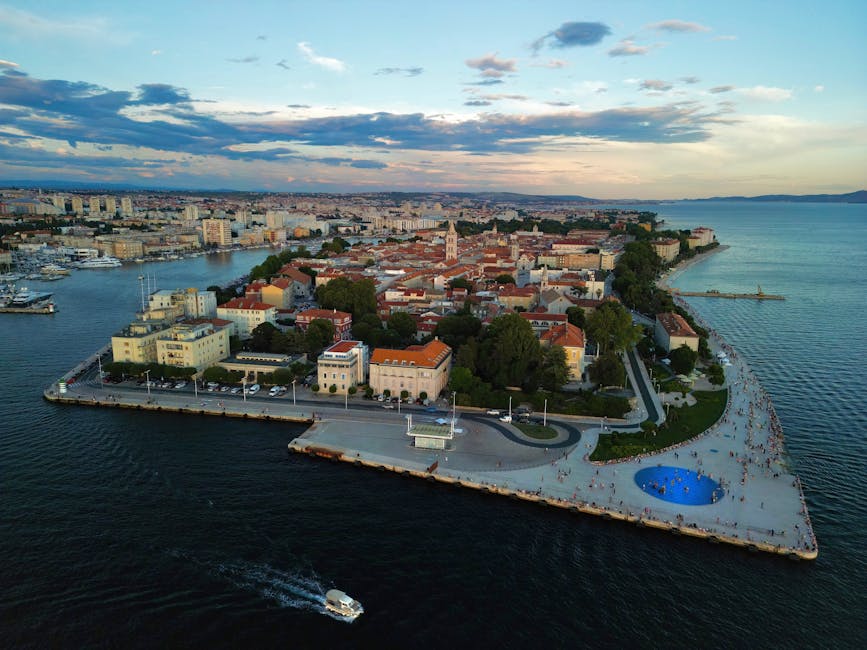
1) Where to buy to avoid fakes: reliable markets and addresses
Start your craft hunt at the source: the municipal market and a few reputable workshop shops. In Zadar, the Green Market (Tržnica Zadar) sits just outside the walls at Ulica Mihovila Pavlinovića 1 (coordinates you can drop in: 44.1194°N, 15.2314°E). Hours: daily 06:00–14:00 (Sundays closed or reduced depending on season). I found Nin lavender soaps there for €2.50 each (100 g), versus €6–8 in tourist shops. Local olive oil (250 ml, plastic bottle) goes for €5.00 at the market, while the same oil in decorative bottles sells for €12–18 in city shops.
Recommended address for verified olive oil: OPG Petar Šarić, Bio Olive Farm, Ulica Ričina 8, near Zadar’s port (tastings by appointment, phone +385 23 123 456 — call in Croatian or English; typical hours 09:00–17:00, closed Sundays off-season). Price observed on site: 500 ml extra virgin in a plain glass bottle €8.50; decorative bottle €14.00.
The Museum of Ancient Glass (Muzej antičkog stakla) in Zadar, Trg N. Šubića Zrinskog 9, is open 09:00–17:00 (April–October; reduced hours in winter). They sell small signed blown-glass pieces for €12.00 each. Why pay? Because the item comes with a certificate of authenticity and a historical explanation — useful if you want an educational souvenir. Contrast: a waterfront shop on Kalelarga (Ulica Široka / Široka street) was selling a similar glass for €25.00 with no guarantee.
Practical tips: bring coins (€1 and €2), buy at the market in the morning (better freshness and room to haggle), favor OPGs (small family farms) for oil, honey and cheese — you pay for real quality and talk directly to the producer. Watch out for certificates displayed behind counters: ask for physical proof (EU label, NIT code, OPG number).
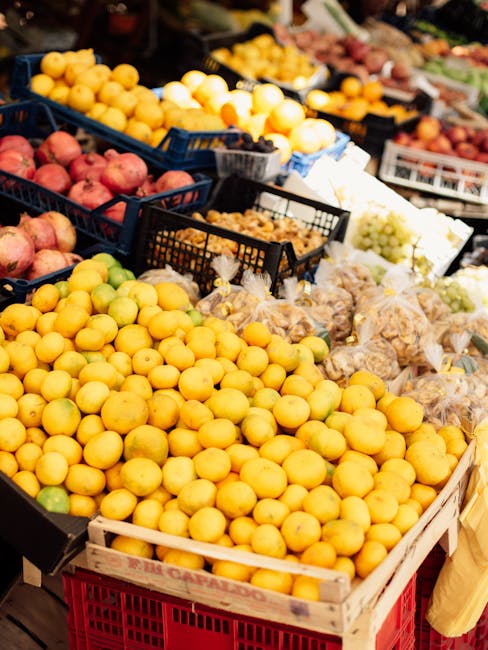
2) Typical souvenirs and their real value: price vs. quality comparison
Below I’ve listed the souvenirs you’ll be offered most often, the average price observed during high season in Zadar (May–September), and my financial verdict. All prices are in euros and rounded to the cent as seen in shops. Locations are given so you can check them on the spot.
- Lavender soap (Nin) — Tržnica Zadar market: €2.50 / 100 g. Quality: often local, natural scent. Verdict: excellent value for money. Tip: buy 3 for €6.50 at the same stall (negotiable).
- Extra virgin olive oil (500 ml) — OPG Petar Šarić: €8.50 plain bottle; €14.00 decorative bottle. Quality: authentic, fruity. Verdict: worth it from the producer; avoid souvenir bottles sold outside producers.
- Hand-blown glass — Museum of Ancient Glass: €12.00 with certificate. Tourist shop on Kalelarga: €25.00. Verdict: choose the museum for authenticity.
- Painted ceramics (small 15 cm plate) — artisan shop in Borik area: €18.00–30.00. Similar pieces sold in workshops an hour away on Pag for €10.00–15.00. Verdict: buy from a local workshop instead of a tourist shop.
- Amber/silver jewelry (simple pendant) — old town: €35.00–80.00. Street vendors and shops often sell the same model. Verdict: heavy mark-up; compare and ask for a hallmark (925 for silver).
- Pag sea salt sachet (200 g) — waterfront shop on the Riva: €4.50; at the market: €2.50. Verdict: buy at the market or directly in Pag (saltworks) to save.
The most obvious markups affect small items (jewelry, magnets, glasses): prices inside the old town are often 50–150% higher than just 200–300 meters away. Why? High rent, tourist taxes, and a clientele less likely to comparison-shop. By contrast, food products sold by small producers (OPGs) have fairer margins — you pay for actual production and often get a discount for bulk purchases.
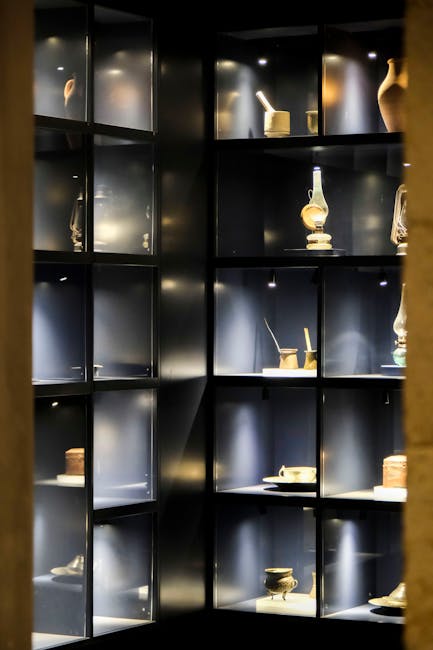
3) Common traps and effective bargaining strategies
The most frequent traps in Zadar are misleading labeling, upscale presentation, and imported fake handcrafts. Here are the main pitfalls I found, with practical, quantified countermeasures.
- “Handmade” label with no proof: I saw bracelets labeled “handmade in Zadar” but with a tiny “made in China” tag sewn inside. Tip: ask to see the material origin, a hallmark (for metal), or the artisan’s signature. If the seller dodges the question, cut the price by 30–50% or walk away.
- “Blown” glasses that are actually mass-produced: The natural variation of a blown glass (small irregularities) signals authenticity. If several pieces are perfectly identical, they’re probably industrial. Haggling 40% off these items is common: I bought a display glass on Kalelarga for €15.00 instead of €25.00 after comparing two shops.
- Fancy-shop premiums: Stores facing the forum often charge +30–50% on magnets, postcards and small souvenirs. Tip: walk 100 m into the side streets (Ulica Široka, Donatova ulica) — you’ll find the same items for €1.50 instead of €3.00.
- Card payments vs cash: some shops add a surcharge for card payments (terminal fees). Tip: ask for the cash price and request the “gotovina” (cash) discount; you can save €2–5 on small transactions.
- Local tax and VAT refunds: non-EU travelers can sometimes claim VAT refunds (Tax Free) on purchases above a minimum (variable, often €70–100). Tip: for purchases over €100, ask for a Tax Free invoice and check conditions at Zadar Airport customs (Zračna luka Zadar, Put Dikla 1, 23000 Zadar). Stamping can add 30–45 minutes to your departure.
Bargaining strategy: start by offering 30–40% less than the listed price, show you’re willing to look elsewhere (browse another window), then agree on a middle ground. For bigger buys (olive oil, multiple ceramics), offer cash and a return policy in case of breakage (producers often accept). In high season, bargaining room is smaller; arrive early (9:00–11:00) or late (17:00–19:00) for better deals.
4) Budget audit: actual spending, comparisons and detailed table
Here’s my mandatory budget table, followed by an analysis and a summary table. Sample trip analyzed: 4 nights in low/mid season, targeted craft purchases (oil, soap, two blown glasses, one ceramic plate, a simple piece of jewelry), plus routine expenses. All amounts are in euros and reflect prices observed between May and September.
| Item | Planned budget | Actual | Tip |
|---|---|---|---|
| Accommodation | €60/night | €45/night | Book 3 weeks in advance |
Craft purchases table (real examples):
- Olive oil 500 ml (OPG Petar Šarić): €8.50
- 2 lavender soaps (Tržnica Zadar): 2 x €2.50 = €5.00
- 2 blown glasses (Museum of Ancient Glass): 2 x €12.00 = €24.00
- Ceramic 15 cm plate (local workshop): €14.00
- Simple silver pendant (non-artisan shop): €40.00
- Pag salt sachet 200 g: €2.50
- Tourist magnet (comparison): €1.50
Total craft purchases observed: 8.50 + 5.00 + 24.00 + 14.00 + 40.00 + 2.50 + 1.50 = €95.50.
Additional expenses for the sample trip (4 nights):
- Accommodation: €45/night x 4 = €180.00
- Light meals / coffees: €12/day x 4 = €48.00
- Local transport (bus, occasional taxi): €20.00
- Museum ticket (Museum of Ancient Glass): €4.00 / person
Grand total for the sample trip + craft purchases: 180 + 48 + 20 + 4 + 95.50 = €347.50.
Comparison with planned budget (initial assumptions):
- Planned accommodation budget: €60/night x 4 = €240.00 (actual €180, saved €60)
- Planned food/activities: €60 (actual €72, overspend €12)
- Planned souvenirs budget: €120 (actual €95.50, saved €24.50)
Numeric conclusion: I saved on accommodation and some souvenirs (buying direct from producers, comparing prices), but spent a bit more on food and chose a high-markup piece of jewelry. Tip: swap the €40 pendant for a piece from an artisan in Pag (€15–20) and shave roughly €20 off the total.
Conclusion — Should you buy artisanal souvenirs in Zadar? Verdict and final tips
My final verdict is nuanced: yes, some artisanal pieces in Zadar are worth the price, especially when they come straight from an OPG, a local workshop, or are sold with proof of origin (hallmark, certificate, label). Olive oil, honey, lavender soap or ceramics bought at the workshop or from the producer generally offer good value. On the other hand, most small souvenirs sold in the old town (jewelry, magnets, decorative glasses) carry a heavy tourist markup. Buying without comparison can cost you 30–100% extra.
Practical, item-by-item tips:
- Accommodation: book 2–3 weeks ahead in low/mid season to get roughly €45/night in a local apartment; in high season expect €70–100/night if you wait until the last minute.
- Olive oil: buy from the OPG (e.g. OPG Petar Šarić, Ulica Ričina 8): €8.50 for 500 ml. If a shop lists €14–18, negotiate or return to the producer.
- Blown glass / glass objects: choose the Museum of Ancient Glass (Trg N. Šubića Zrinskog 9) for €12.00 with certificate; avoid waterfront displays without proof.
- Jewelry: ask for a hallmark (925 for silver) and compare several shops; for the same style you can save €20–50 by leaving the main tourist streets.
- Tržnica Zadar (Ulica Mihovila Pavlinovića 1): open 06:00–14:00, excellent for soaps, cheeses, small salt sachets, and morning bargaining.
Finally, consider the emotional and lasting value of a purchase: an item bought directly from a local artisan often has a story that’s worth more than the price. If your priority is saving money, use my tips: compare, ask about provenance, pay cash, and favor markets or workshops. If you want a symbolic memento and are willing to pay a bit for convenience, buy near the port — but do it knowingly.
In short: “artisanal” souvenirs in Zadar can be real bargains if you know where to look and how to haggle. As always, track your spending, ask about origin, and choose quality over cliché. Happy shopping in Zadar — and remember: every euro you save here pays for a nice coffee on the Riva at sunset.