





[COUNTER-CURRENT] Why Zadar’s waterfront is less rewarding than its alleys
Introduction
Zadar is often sold as a seaside destination built around two iconic installations on its promenade: the Morske orgulje (Sea Organ) and the Pozdrav Suncu (Greeting to the Sun). Those two attractions on Zadar’s Riva make perfect Instagram shots and draw crowds hunting the “perfect” sunset. But — and this is the point of this contrarian piece — the real cultural, sensory and historical riches of Zadar lie in its narrow alleys: those medieval mazes where Romanesque and Venetian architecture, intimate squares, artisan workshops and tiny cafés tell a far richer story than the long seaside promenade. In this introduction I’ll set the scene: what the waterfront offers, why it draws people, and why it ultimately feels more superficial than the walled old town.
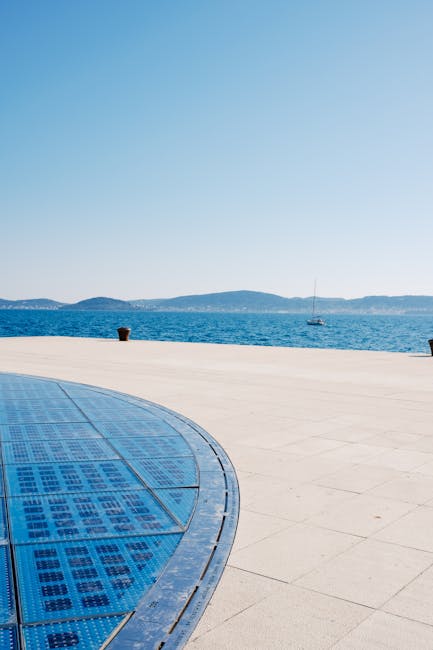
The waterfront is accessible, visible and endlessly photogenic. The Sea Organ, located on the Riva (Riva, 23000 Zadar, Croatia), is a free public sound installation that uses pipes under limestone steps to make marine-like tones when the waves push air through them. The Pozdrav Suncu (Greeting to the Sun), a large disc of photovoltaic panels that stores daylight and puts on a light show at night, is also free and hugely popular at sunset. Both are great for a quick stop and deliver instant memories. 
However, these installations are designed for immediate impact and don’t require visitors to learn anything about local history, crafts or the city’s layered architecture. By contrast, deliberately getting lost among the old alleys reveals places like St. Donatus Church (Crkva sv. Donata, Trg tri bunara 1, 23000 Zadar), the Roman Forum (Trg rimskog Foruma, 23000 Zadar), the Museum of Ancient Glass (Museum of Ancient Glass, Trg Petra Zoranića 1, 23000 Zadar), and countless pottery workshops, galleries and tiny restaurants. These spots demand time, observation and curiosity, but they reward you far more durably than a sunset photo. 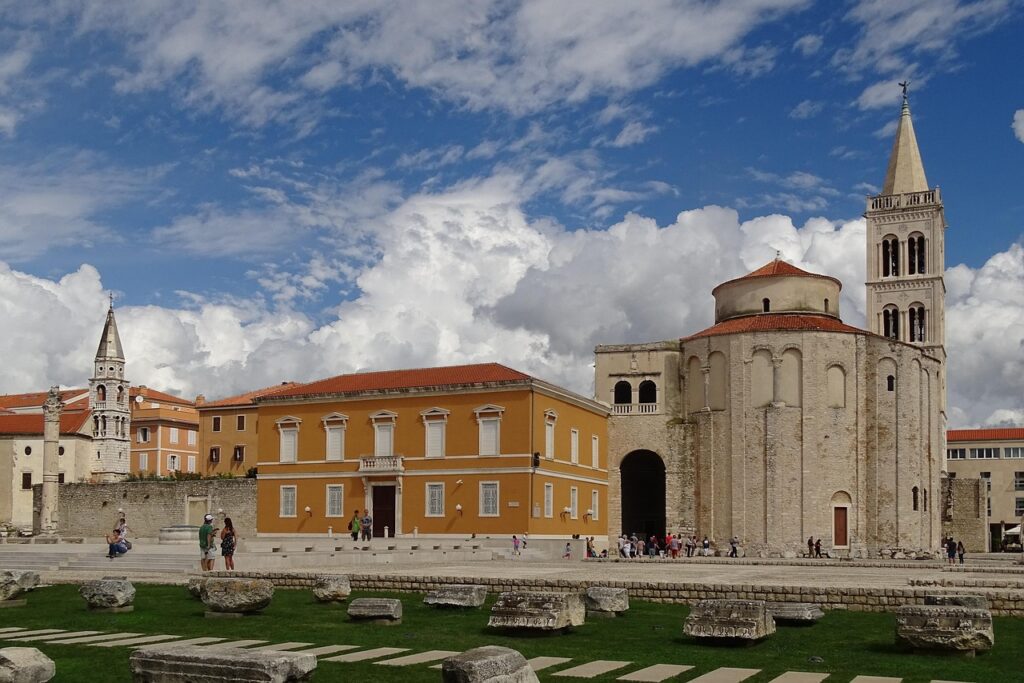
This guide argues that for curious visitors, the heart of Zadar — its narrow streets, little squares, sacred buildings and modest museums — deserves more time and attention than the waterfront. In the sections that follow we’ll cover suggested routes, exact addresses, opening hours, prices in euros, immersive descriptions and practical tips to get more out of the alleys than the Riva. If you’re planning a trip, think less “sunset” and more “long walks” with coffee stops and food discoveries: that’s where Zadar reveals its soul.
1) The waterfront attractions: what they actually offer (and their limits)
Zadar’s waterfront is perfect for an immediate sensory experience. The Sea Organ (Morske orgulje) sits on the Riva, 23000 Zadar. It’s a free public installation, open 24/7. Its mechanism is simple: pipes and air chambers built into the stone steps produce notes when pushed by the sea. The experience is calming, almost meditative; at sunset the organ’s melody combined with the sparkling lights of the Pozdrav Suncu draws crowds. 
The Pozdrav Suncu (Greeting to the Sun), also on the Riva, is a circular area made of solar panels that stores energy during the day and lights up at night, putting on a light display. Price: free; open year-round; best seen at dusk when the lights come on. 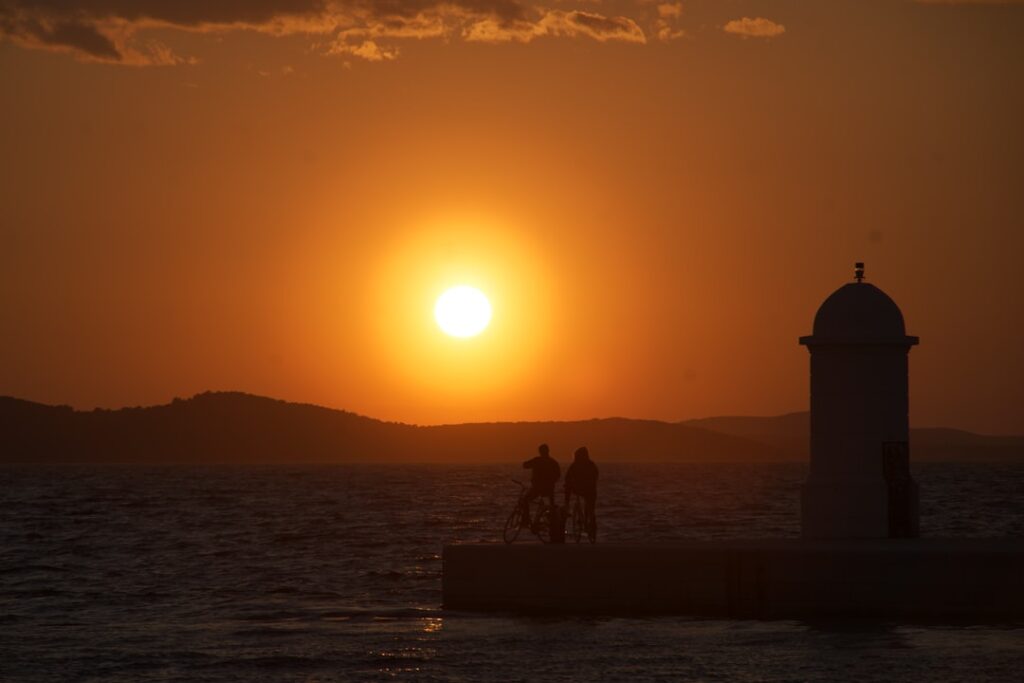
These attractions are free and open to everyone, which explains their popularity. But they’re primarily contemporary installations: made to dazzle visitors in a matter of minutes. They don’t require historical context, they don’t offer interaction with local craftsmen, and they don’t prompt you to dig into Zadar’s successive historical layers. Moreover, in high season (June–August) the Riva can get crowded, noisy and full of street vendors. Sunsets, while beautiful, become mass-tourism events where finding a peaceful spot is difficult.
Practical tip: if you absolutely want to see the Sea Organ and the Pozdrav Suncu, come early in the morning (around 6:00–8:00) for a more intimate experience. Alternatively, visit after 22:00 when crowds have thinned. Tourist information: Zadar Tourist Board, Trg Petra Zoranića 4, 23000 Zadar. Office hours: typically 8:00–20:00 in summer; 9:00–17:00 off-season. 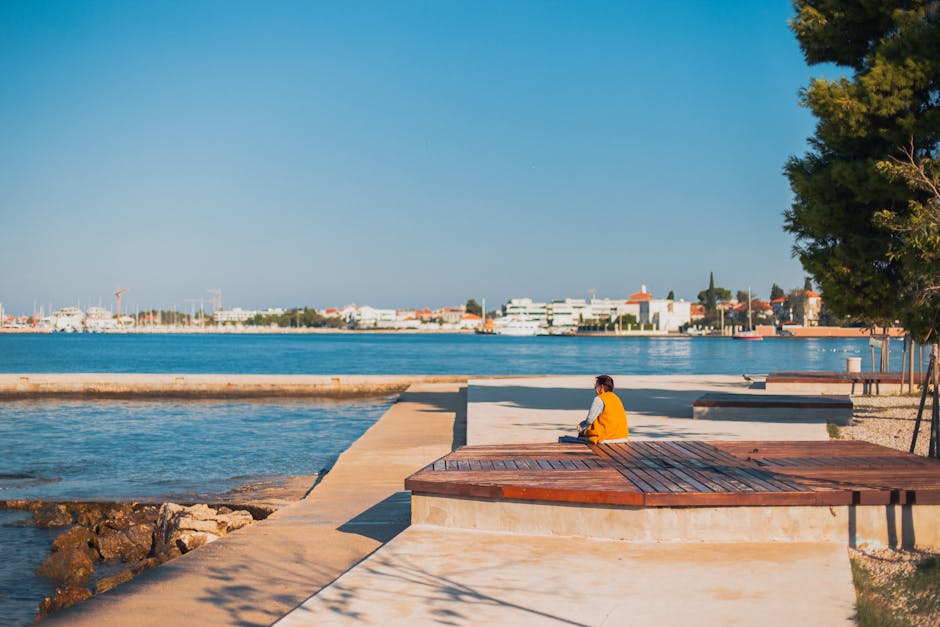
2) Why the alleys tell the story better: architecture, churches and hidden squares
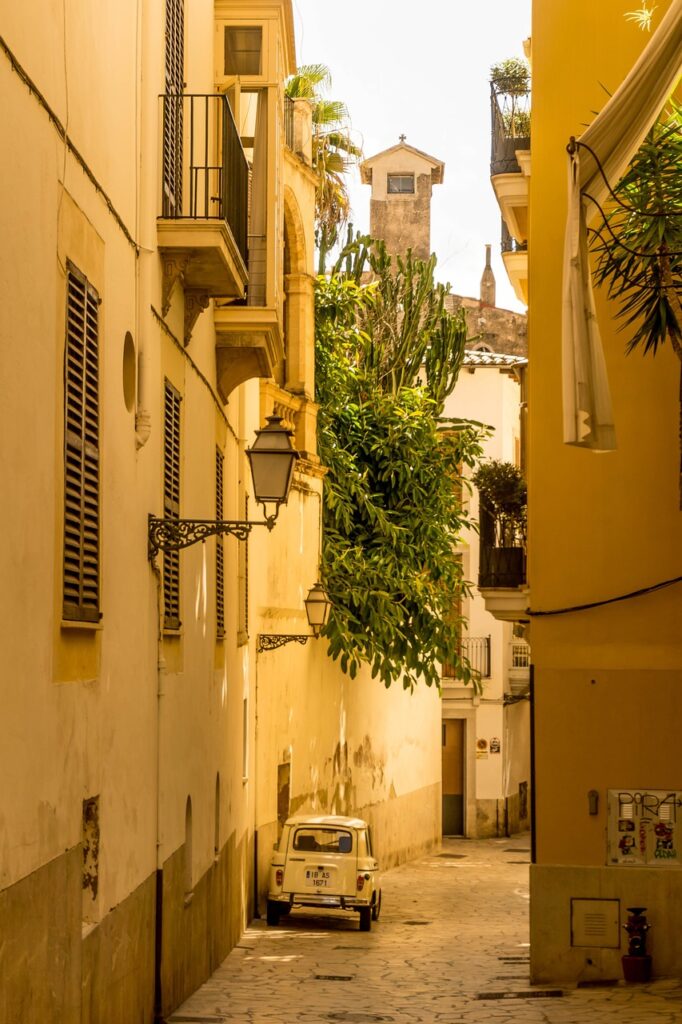
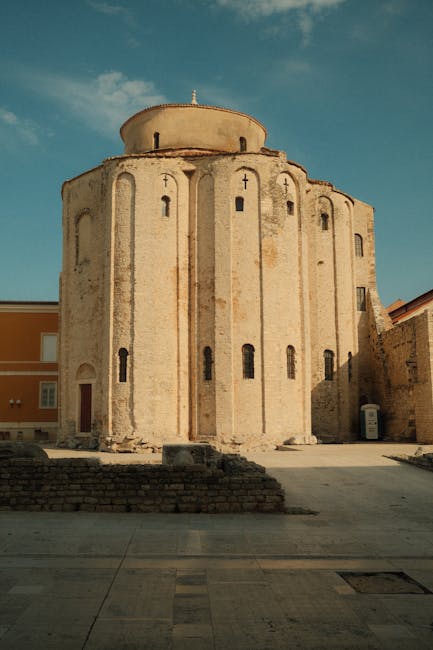
Walk away from the Riva and into the old town, and you step into a world where every stone has a story. The compact old town concentrates traces of Roman, medieval and Venetian rule. Start with the Church of St. Donatus (Crkva sv. Donata, Trg tri bunara 1, 23000 Zadar) — a circular 9th-century building iconic to Zadar. The interior is spare; its height and acoustics make it exceptional for small musical performances and for feeling the continuity of history. Admission: usually free; some guided visits with commentary cost around €3–€5. 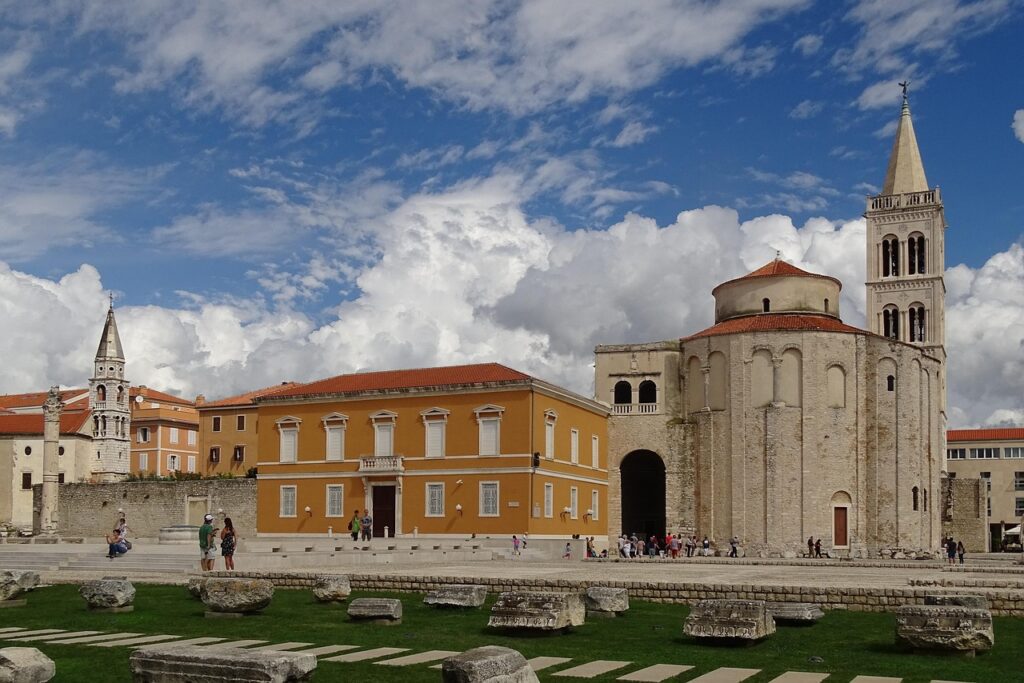
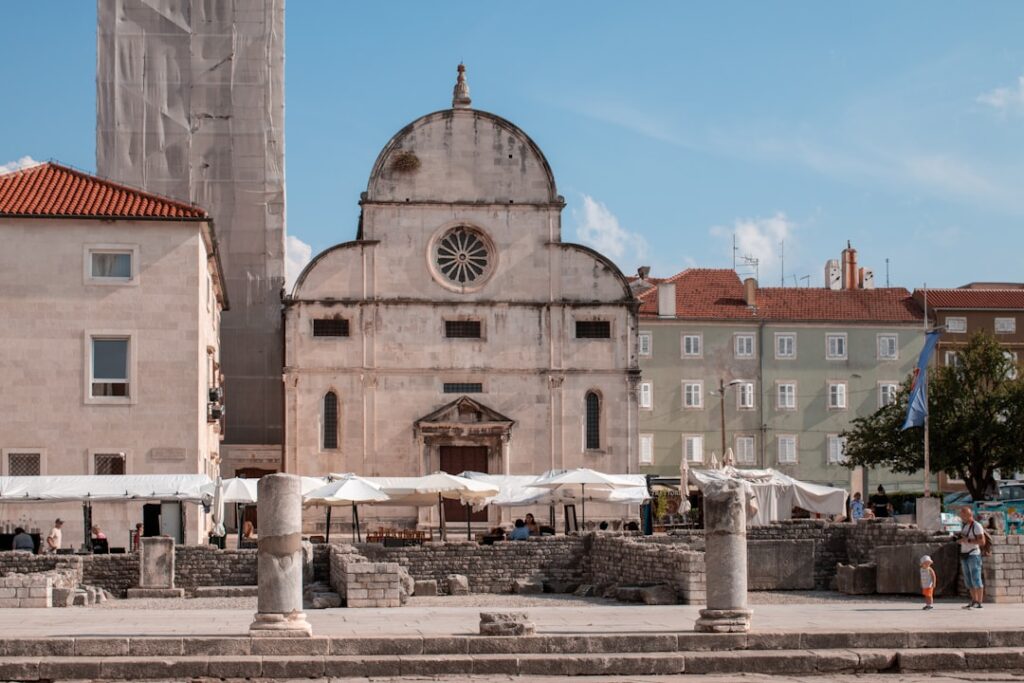
Just next door is the Roman Forum (Trg rimskog Foruma, 23000 Zadar), the civic center of Roman times. The stone remains, columns and inscribed fragments tell of Zadar’s importance in antiquity. Walking here is like reading history in the very layout of the streets. Close by, the Cathedral of St. Anastasia (Katedrala Svete Stošije) often offers tours: a main reference point for orientation in the old town; typical opening hours 9:00–19:00 in summer; entry to the crypt or tower: €3–€5 depending on the season. 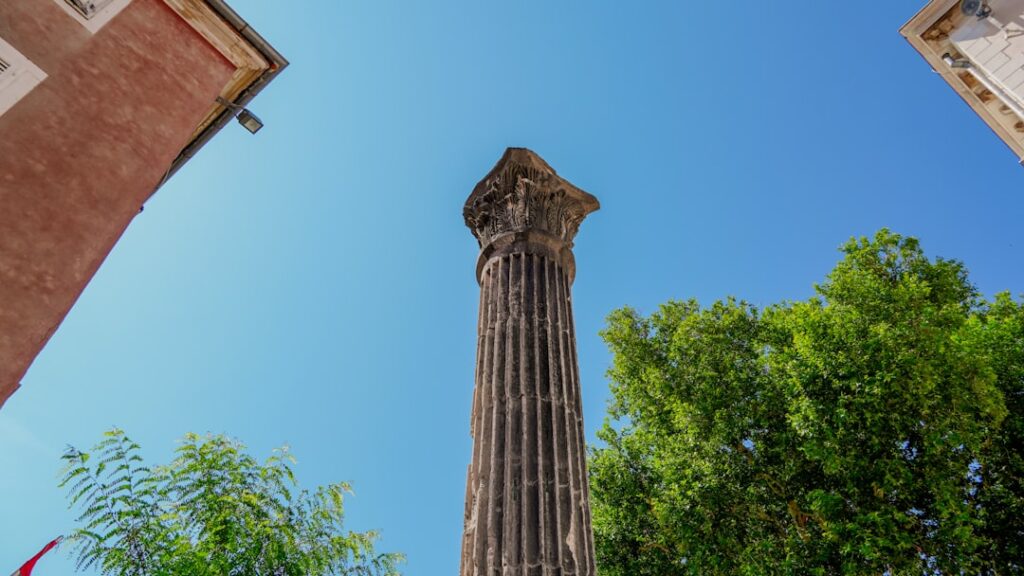
Small squares like Narodni trg (Narodni trg, 23000 Zadar) or Trg Petra Zoranića are living places where markets, cafés and impromptu concerts take place. Here you’ll meet bakers, booksellers and artisans: the glass workshops (Museum of Ancient Glass, Trg Petra Zoranića 1) offer demonstrations and unique pieces. Museum of Ancient Glass: address Trg Petra Zoranića 1, 23000 Zadar; opening hours: generally 9:00–17:00 (may vary in high season); admission: around €6–€8. Watching a glassblower work on traditional instruments is a sensory experience the Riva simply can’t provide. 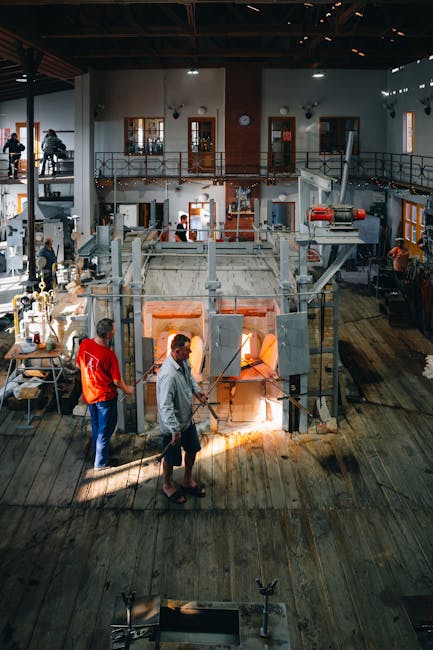
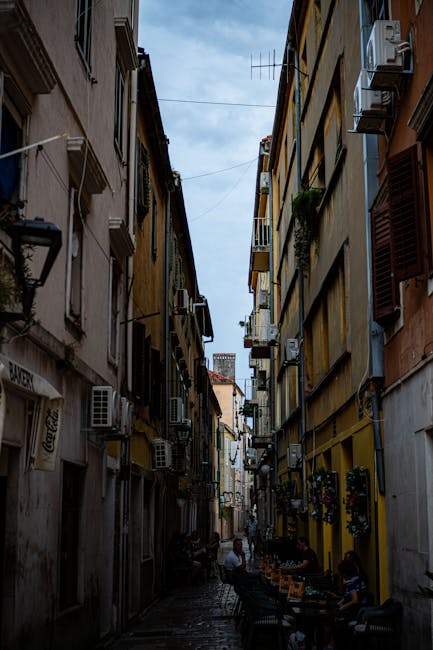
Local tips: wander without a map in the morning up to 11:00 to catch shops opening, then return late afternoon for café vibes. Take time to step into small chapels — many are free and surprisingly tranquil. Ask museum staff about demonstration times: they are often posted on boards outside entrances.
3) Food and crafts: why the alleys win on culinary experience
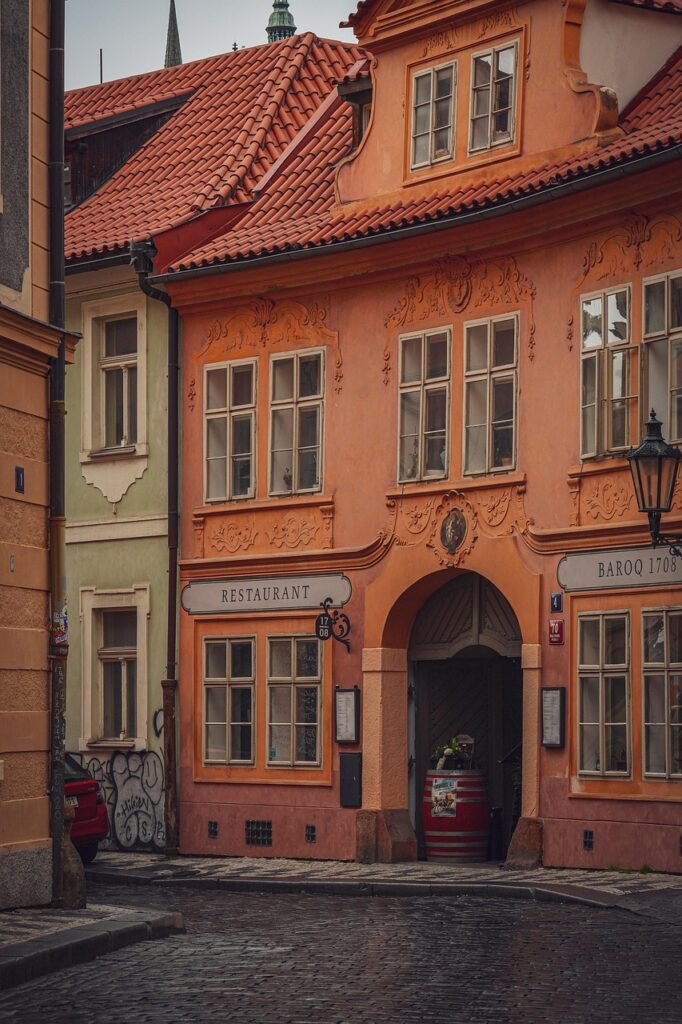
The waterfront has decent cafés and restaurants, but the alleys hide places where the cuisine is deeply tied to local produce and know-how. In the small streets you’ll find konoba (traditional taverns) and family-run restaurants where the menu changes with the day’s market. A few concrete places worth noting:
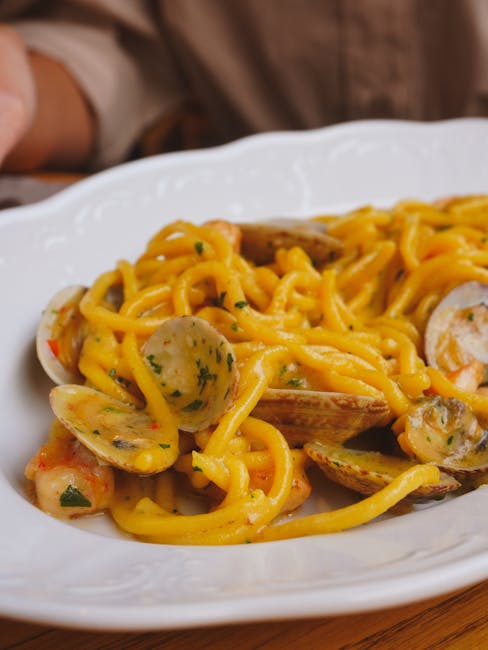
- Konoba Skoblar (Ulica Bazilike 4, 23000 Zadar) — a typical Dalmatian konoba: fresh fish, homemade pasta, local olive oil. Hours: 11:00–23:00. Average main courses: €10–€18.
- Museum of Ancient Glass Shop (Trg Petra Zoranića 1, 23000 Zadar) — buy handcrafted blown-glass pieces from €15–€60 depending on size. Shop hours: 9:00–17:00.
- Pekara Karin (Ulica Petra Zoranića 6, 23000 Zadar) — local bakery to try sourdough bread and burek. Hours: 7:00–14:00. Price: burek €1.50–€3.
The alleys house small workshops: cheesemakers and olive oil producers selling directly to customers. Buying in these places allows for an exchange: tastings, conversations about production methods and sometimes a quick visit to the local producer — experiences rarely found on the waterfront. Small wine bars (enotecas) offer Dalmatian wine tastings (prices: €5–€15 for a 3-wine tasting), a good way to understand the local wine landscape. 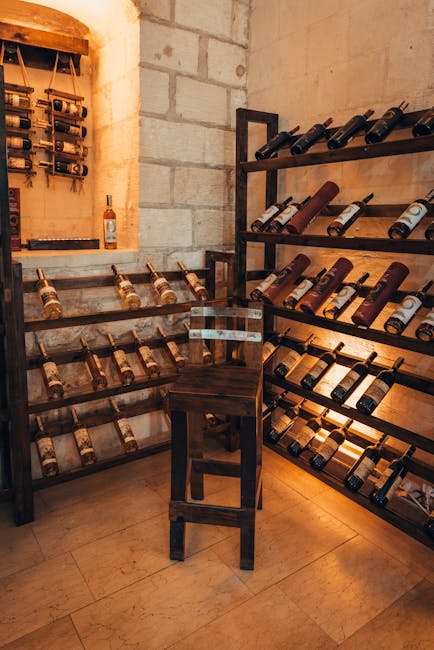
Practical tips: for better value, avoid restaurants facing the harbor; opt for streets like Perivoj, Trg Petra Zoranića and the areas around Trg tri bunara. Always ask « danas što imate? » (what do you have today?) to learn the fresh fish dish of the day. For a local-style coffee, head to a small pekara before 10:00: espresso ≈ €1–€1.50.
4) Suggested route: half a day in the alleys to get to know Zadar
To show concretely why the alleys are worth more than the waterfront, here’s a detailed walking route you can do in about 4–5 hours, with addresses and recommended times.
- 9:00 — Breakfast at Pekara Karin: Ulica Petra Zoranića 6, 23000 Zadar. Coffee + pastry ≈ €2–€4. Opening hours 7:00–14:00.
- 9:30 — Visit St. Donatus Church: Trg tri bunara 1, 23000 Zadar. Free entry; occasional musical demonstrations. Recommended time: 30–45 min.
- 10:15 — Roman Forum and historic stroll: Trg rimskog Foruma, 23000 Zadar. Read the stones and inscriptions; duration 30 min.
- 11:00 — Museum of Ancient Glass: Trg Petra Zoranića 1, 23000 Zadar. Hours 9:00–17:00; ticket ≈ €6–€8. Recommended time: 45–60 min to see the collection and the demonstration.
- 12:30 — Lunch at Konoba Skoblar: Ulica Bazilike 4, 23000 Zadar. Dishes €10–€18; hours 11:00–23:00. Book ahead on weekends.
- 14:00 — Stroll Narodni trg and artisan shops: Narodni trg, 23000 Zadar. Free time for shopping and cafés.
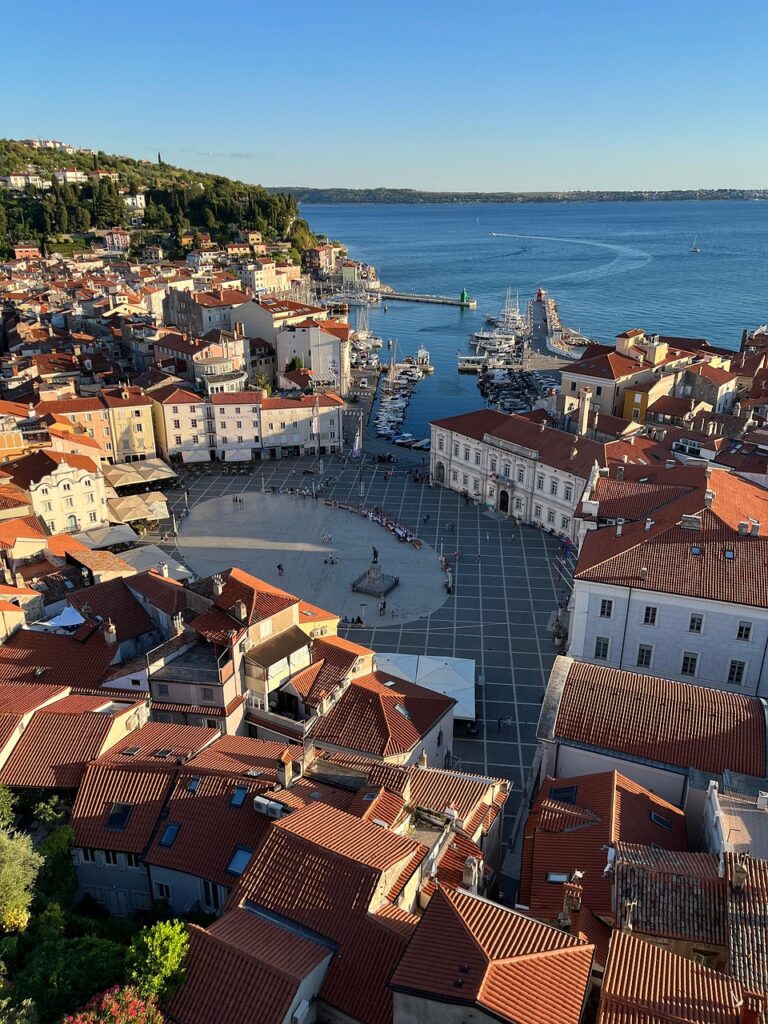
- 15:30 — Coffee and pastry break: return toward the Riva if you want a sea view, but choose a side street café to avoid the crowds.
This route emphasizes immersion: each stop delivers a discovery the waterfront can’t match. Museum and restaurant hours vary by season; in high season (June–August) arrive early or book. Prices are averages: budget a little extra for artisan purchases or tastings.
Conclusion: choose depth over spectacle
To recap: Zadar’s waterfront is undeniably photogenic, free and pleasant for a short relaxing moment — the Sea Organ and the Greeting to the Sun are must-sees for a brief visit. But if you want to truly understand Zadar, hear its historical layers, taste its products, meet its artisans and feel everyday life, the alleys are unmatched. They offer a rich narrative built on centuries of Roman, medieval and Venetian occupation, visible in stone, churches, squares and museums. Places like St. Donatus Church (Trg tri bunara 1), the Roman Forum (Trg rimskog Foruma), the Museum of Ancient Glass (Trg Petra Zoranića 1) and local spots (Pekara Karin, Konoba Skoblar) form the backbone of a genuinely memorable experience.
Practical: plan a full morning or half-day to explore the old town; check museum hours (generally 9:00–17:00) and the availability of craft demonstrations. Arriving early helps you avoid the Riva crowds and enjoy the alleys in peace. For spectacular sunsets, make a short evening visit to the waterfront, but treat it as the cherry on top — not the main course. 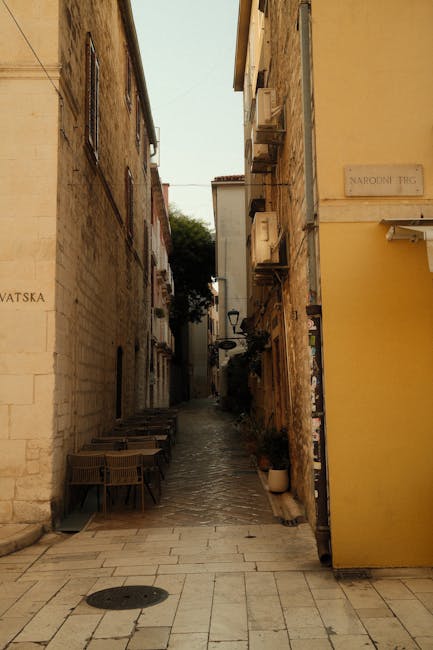
Finally, let curiosity lead: strike up a conversation with a seller, step into a glass shop, try the daily family-made dish. You’ll leave with memories deeper than any sunset photo over the Adriatic. Zadar is a city that rewards patience: by taking the time to get lost in its alleys, you’ll find an authenticity the waterfront, despite its immediate charm, can’t provide.