





Introduction — Zadar in 48 Hours: How to Combine Biking, Island Hopping & Walking
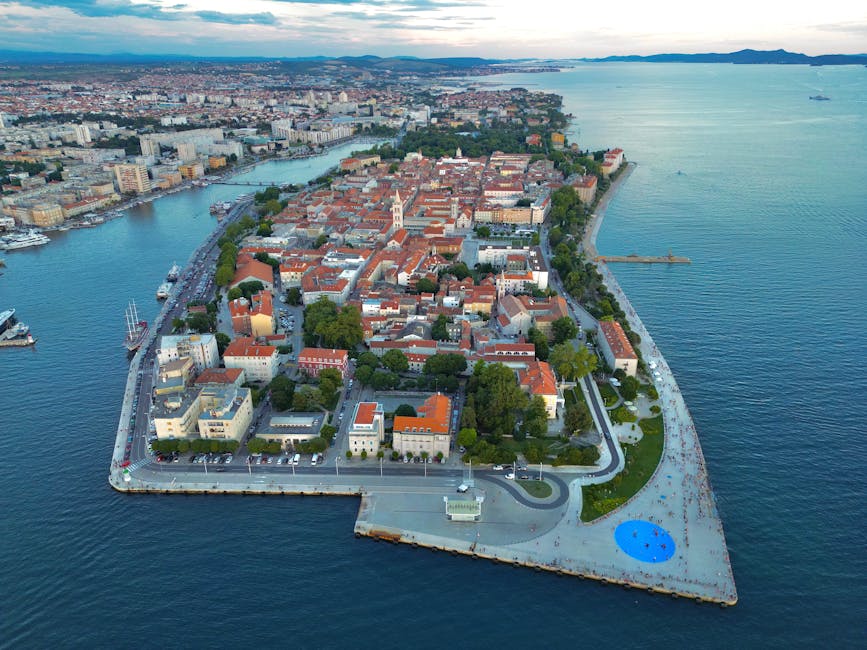
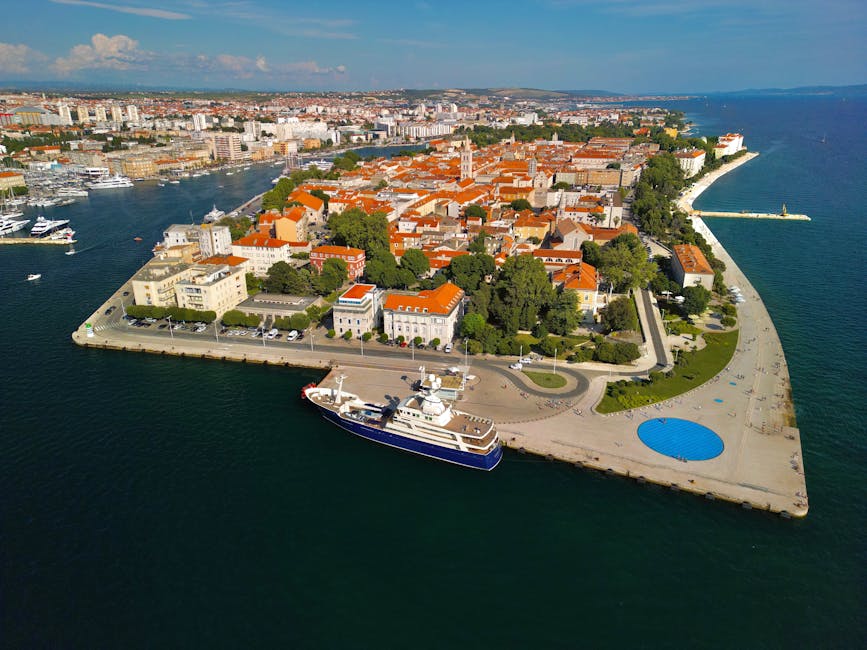
Zadar, a gem on Croatia’s Dalmatian coast, packs a rare combo of history, seascapes and architecture — Roman ruins, medieval streets and contemporary installations — all doable in 48 hours if you smartly mix biking, boating and walking. This hands-on, immersive guide is aimed at active travelers who want to squeeze the most out of two intense days: breathe the salty air along the Riva, pedal coastal bike paths, hop to an island for an afternoon, then return for an unforgettable sunset accompanied by the sounds of the Sea Organ (Morske orgulje).
In 48 hours Zadar reveals itself in layers: the pedestrian layer of the old town — cobbled lanes, shaded squares, Roman remains; the cycling layer along the shore and through residential neighborhoods hugging the bay; and the maritime layer that links Zadar to nearby islands (Ugljan, Pašman, Dugi Otok) and gives access to coves and beaches unreachable otherwise. This guide lays out a structured itinerary, exact addresses, opening times and prices in euros, plus practical local tips to make every minute count.
We’ll cover how to pick the right bike (hybrid or electric), where to rent a boat or book a boat trip, which paths and piers to favor for walks, and how to time your journeys to catch the best morning light and spectacular sunsets. Practical info includes exact addresses of key sites — Sea Organ (Morske orgulje), Greeting to the Sun (Pozdrav Suncu), Church of St. Donatus (Crkva sv. Donata), the Roman Forum (Foruma), the Cathedral of St. Anastasia (Katedrala sv. Stošije) — plus opening hours and indicative entry fees. You’ll also find food recommendations to refuel after a day exploring: fish taverns, traditional konoba and cafes along the waterfront.
Finally, this guide focuses on logistics: how to move between the ferry port (Trajektna luka Zadar), bike rental spots and boat excursion terminals, with addresses and price ranges. Practical pointers will help you avoid queues, choose the best season to visit, and experience the historic capital of Zadar County like a local — including tips for listening to the sea through the Sea Organ and fully enjoying the visual show that is the Greeting to the Sun.
1. First contact: arrival and settling in — ports, stations and first steps
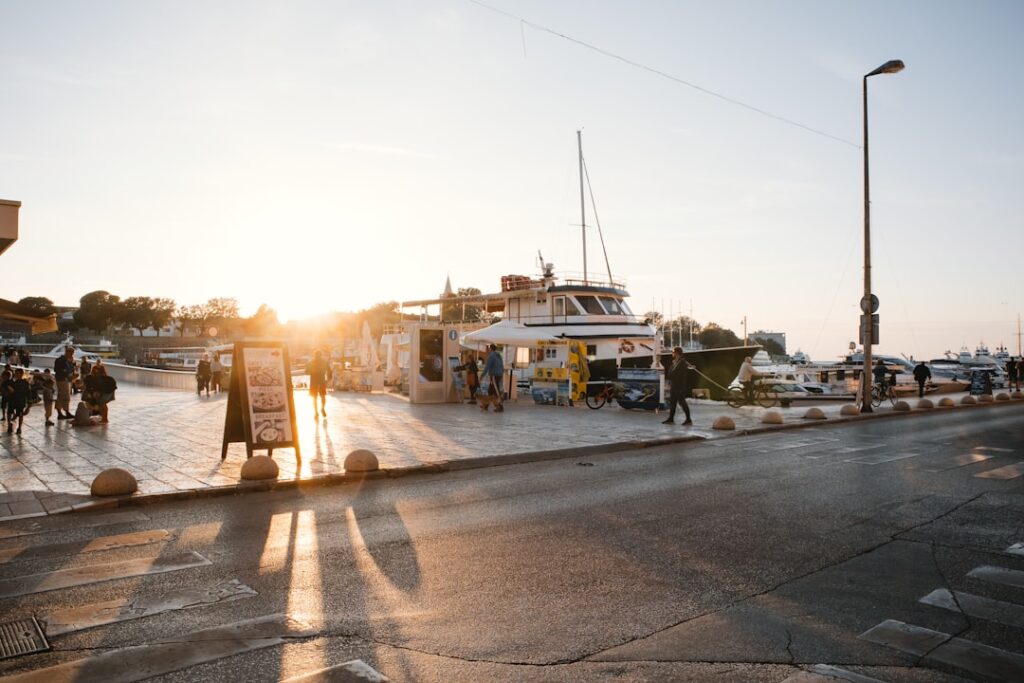
Most visitors reach Zadar by road, rail or ferry. The Ferry Port — Trajektna luka Zadar is located at Obala kneza Branimira 1, 23000 Zadar. From there the old town is a 10–15 minute walk along the waterfront (Riva). If you arrive by bus, the main bus station Autobusni kolodvor Zadar is at Obala kralja Petra Krešimira IV 1B, 23000 Zadar, about a 20-minute walk to the historic center.
For accommodation, the old town has plenty of options: hotels, B&Bs and apartments. If you want to get on a bike as soon as you arrive, choose a place near the Riva (Obala kneza Branimira) or in the streets around the Roman Forum (Forum 1, 23000 Zadar). Prices vary widely by season: in high season (July–August) expect €80–180 per night for a 3–4 star hotel in the center; off-season the same rooms can be €50–100.
Logistics tip: if you arrive early, drop your bags at reception (many hotels offer free luggage storage) and head straight out on a bike for an initial ride along the promenade — it’s the best way to gauge wind, light and to spot boat departure points for excursions.
2. Renting a bike: where, how and costs
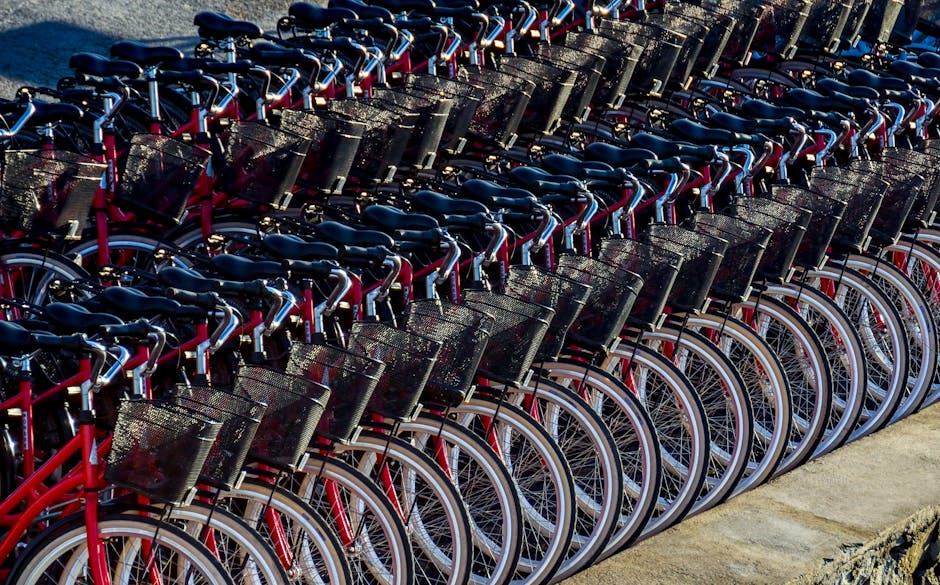
Getting around by bike saves time and lets you cover more ground without overexerting yourself. Two reliable rental spots:
- Bike Zadar — Ul. Jurja Barakovića 5, 23000 Zadar. Hours: 08:00–20:00 (high season). Rates: standard bike 24h €12–15; electric bike 24h €35–45.
- Zadar Rent a Bike — Obala kneza Branimira 10, 23000 Zadar (near the Riva). Hours: 07:30–19:30. Rates: hybrid bike 1 day €10–18; helmet and lock included. Hourly rentals available: €3–5/hour.
Pick a hybrid bike for cobbled streets and short hills, or an electric bike to save energy if you plan longer rides or hillier routes. Always check brakes and tires and ask for a map of local cycle paths. Most rentals provide a lock and helmet for free; some offer hotel delivery for €5–10.
Local tip: rent early in the morning to avoid summer heat and often snag better rates. If your schedule is tight, book online the day before via the rental’s website to ensure availability.
3. Morning Day 1: coastal bike ride and nearby beaches
Start your first morning with a bike loop along the coast, leaving from the Riva (Obala kneza Branimira) heading northwest. Follow the seaside bike path toward the Puntamika neighborhood then on to Diklo for a peaceful coastal escape (loop roughly 12–18 km depending on the route).
Highlights and recommended stops:
- Kolovare Beach — Obala kneza Branimira, 23000 Zadar. Free access, great for a morning swim. Showers and a café nearby. Perfect mid-ride stop.
- Puntamika promenade — residential stretch with sea views and small coves; great photo spots and cafes open from 08:00.
- Coastal viewpoint near Diklo, ideal for panoramic bay and island views.
Estimated time: 2–3 hours including photo stops and a swim. Budget €5–10 for a coffee and snack, or €15–25 for a full breakfast at a local kafana. Bring sunscreen, a water bottle and a lock if you want to leave the bike and explore on foot.
4. Back to the center: walking the historic core — Roman Forum and St. Donatus
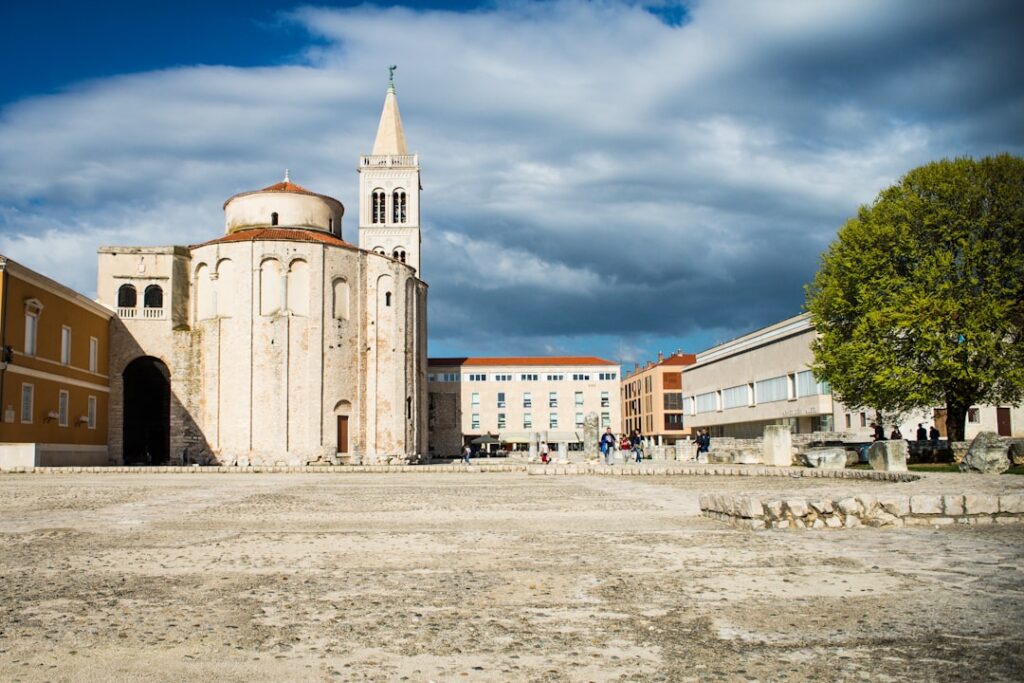
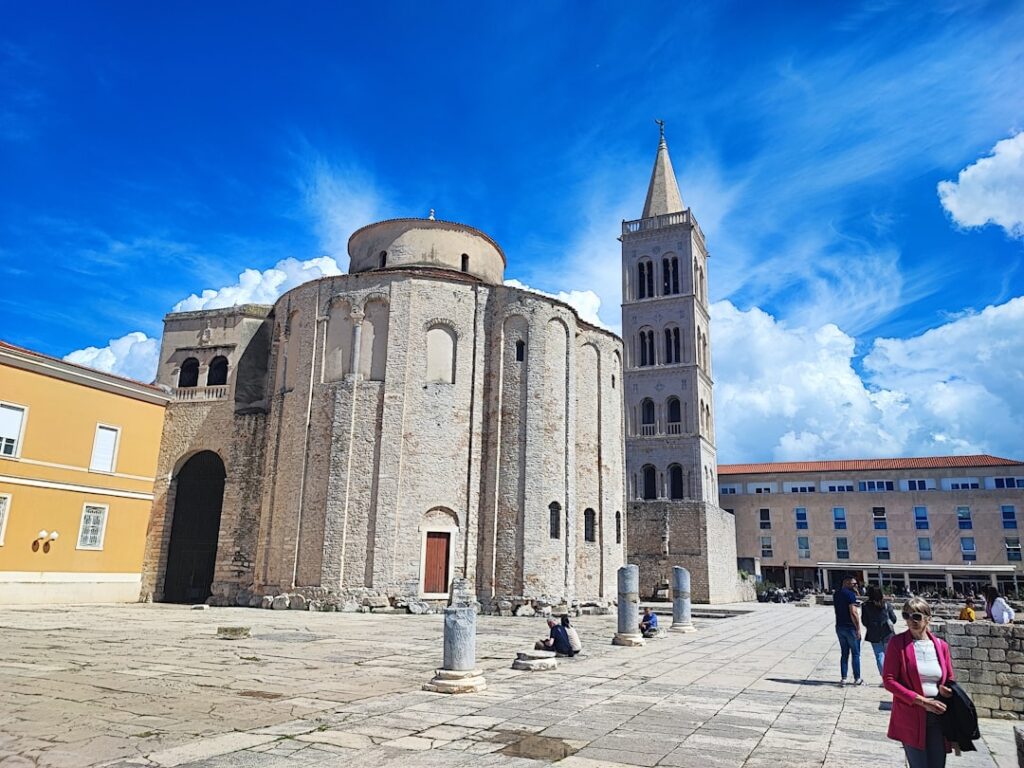
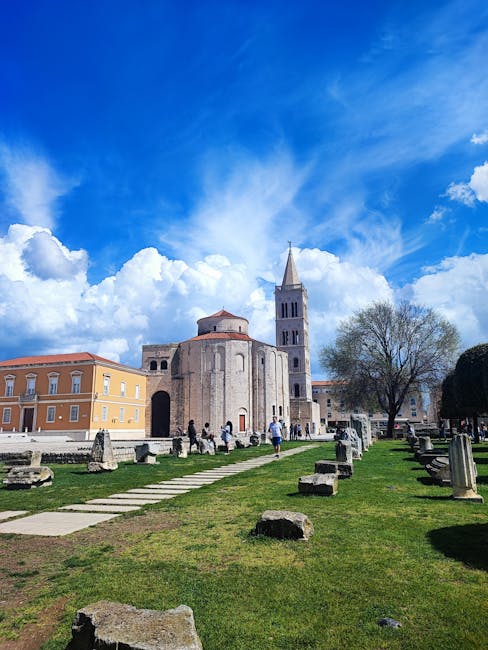
After your coastal loop, park the bike near the old town entrance and explore the historic heart on foot. The Roman Forum (Foruma) sits at Trg Petra Zoranića / Forum, 23000 Zadar; it’s a large esplanade lined with columns, often animated by musicians and markets. Right next to it, the Church of St. Donatus (Crkva sv. Donata) is at Trg Petra Zoranića 2, 23000 Zadar — a circular Byzantine-era building from the 9th century, famed for its acoustics.
Hours and fees: the Forum is open 24/7. The interior of St. Donatus is generally open 09:00–17:00 (closed during some services); suggested donation/entry fee €2–5 depending on season. Check locally for detailed visiting times and for morning/evening concerts that showcase the building’s unique sound.
Cultural tip: the Forum and St. Donatus are especially pleasant just after 10:00 when most tour buses haven’t yet rolled in; use that quieter time to listen to the city and scout cafés for lunch.
5. Lunch and break: local specialties and recommended addresses
For lunch, opt for a konoba (tavern) to taste Dalmatian dishes. Two recommended spots:
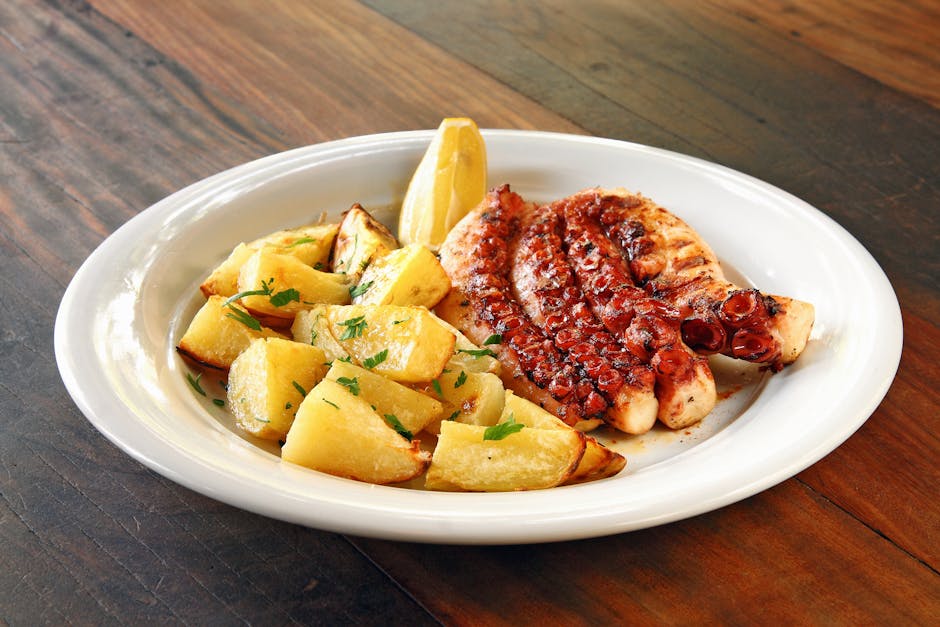
- Konoba Mati — Ul. Jurja Barakovića 5, 23000 Zadar. Hours: 11:00–23:00. Recommended dishes: grilled octopus, brodetto (fish stew). Prices: mains €10–18.
- Restaurant Bruschetta — Kraj Svete Stošije 9, 23000 Zadar. Hours: 08:00–22:00. Recommended: seafood risotto, Dalmatian salad. Prices: €8–20 per dish.
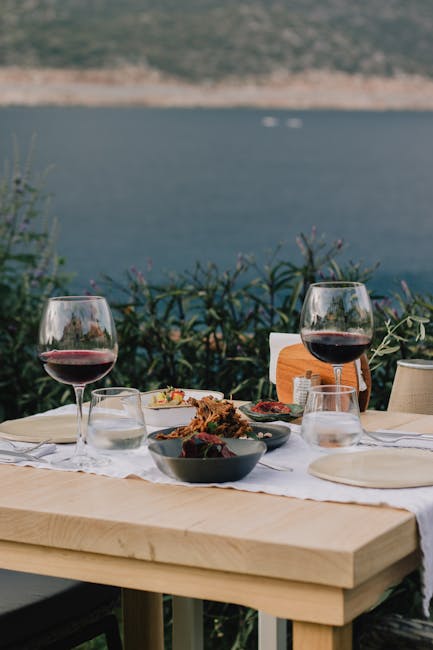
Local tip: pair your fish with a glass of Malvazija or Pošip (local wines); a glass costs about €3–6, a bottle €15–30 depending on quality. If you want a quick option, the outdoor market near Narodni trg offers fruit, cheeses and cold cuts for €5–8 a takeaway plate.
6. Afternoon Day 1: museums, cathedral and panoramic views
Spend the afternoon exploring the old town’s interior and museums. Three key stops:
- Museum of Ancient Glass (Muzej antičkog stakla) — Trg pet bunara 1, 23000 Zadar. Hours: 10:00–18:00 (winter 10:00–16:00). Admission: adults €5–7; reduced €3–4.
- Cathedral of St. Anastasia (Katedrala sv. Stošije) — Ul. Svete Stošije 5, 23000 Zadar (historic center). Hours: 08:00–19:00 (varies with masses). Exterior visit is free; bell tower tours €3–6.
- Trg Pet Bunara (Square of Five Wells) — Trg Pet Bunara, 23000 Zadar. Iconic spot for photos and a coffee break.
Climbing the cathedral bell tower gives panoramic views of the sea and Zadar’s rooftops — an ideal late-afternoon activity. Allow €3–6 for the tower and 30–45 minutes for the visit and photos.
7. Iconic evening: Sea Organ and Greeting to the Sun at sunset
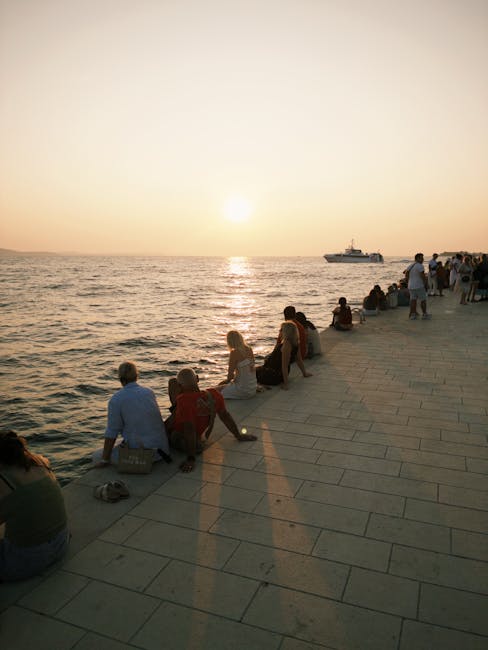
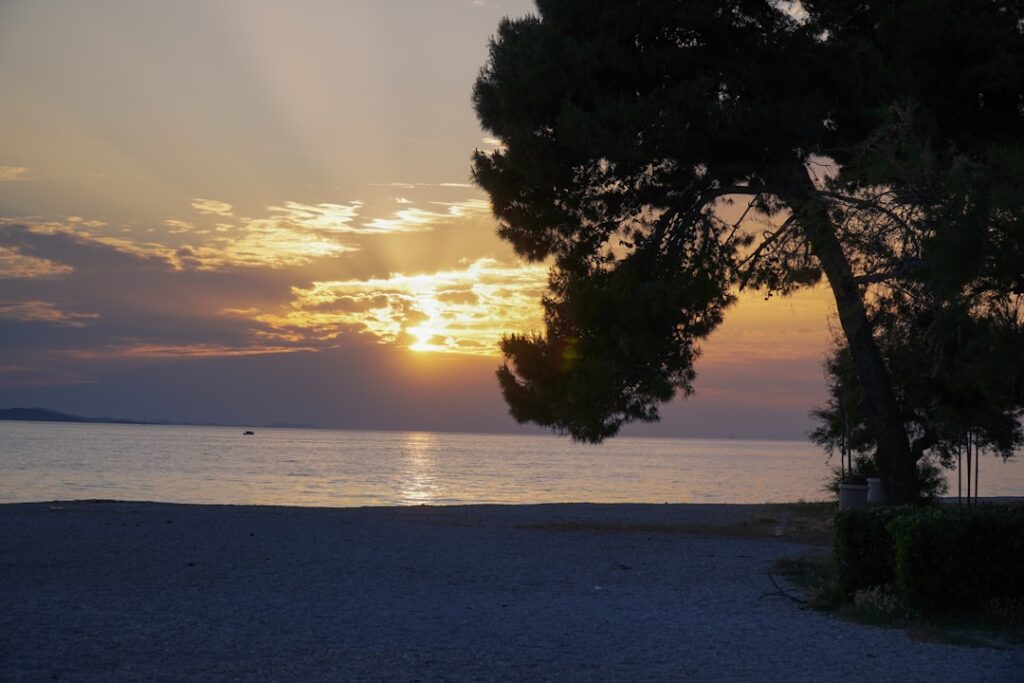
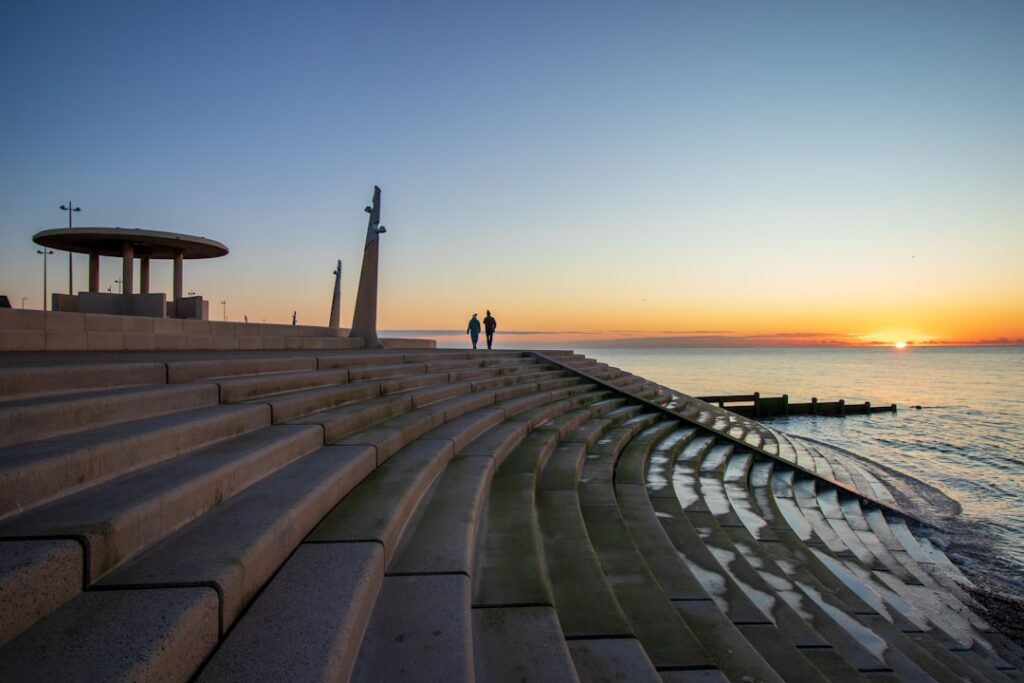
The most famous Zadar moment is sunset, paired with the Sea Organ’s mechanical music. The Sea Organ (Morske orgulje) sits on the promenade Obala kneza Branimira, 23000 Zadar. Access: free, open 24/7. Beside it is Greeting to the Sun (Pozdrav Suncu), a circular solar installation that lights up after dark.
Plan: arrive 30–45 minutes before sunset to claim a comfy spot on the steps. Atmosphere: families, street musicians and visitors captivated by the light displays. The show is free, but consider tipping street musicians if you enjoy an impromptu performance.
Photo tip: bring a compact tripod for long exposures of the light installations; in high season the area fills up quickly — combining bike + walk makes you more mobile.
8. Night 1: nightlife options and late-night dining
After sunset, Zadar has options for late dining or drinks. A few picks:
- Pet Bunara Bar — Trg Pet Bunara 2, 23000 Zadar. Hours: 18:00–02:00. Cocktails €6–10.
- Restaurant Kornat — Obala Kneza Branimira 10, 23000 Zadar. Hours: 12:00–23:00. Seafood-focused menu, €12–25.
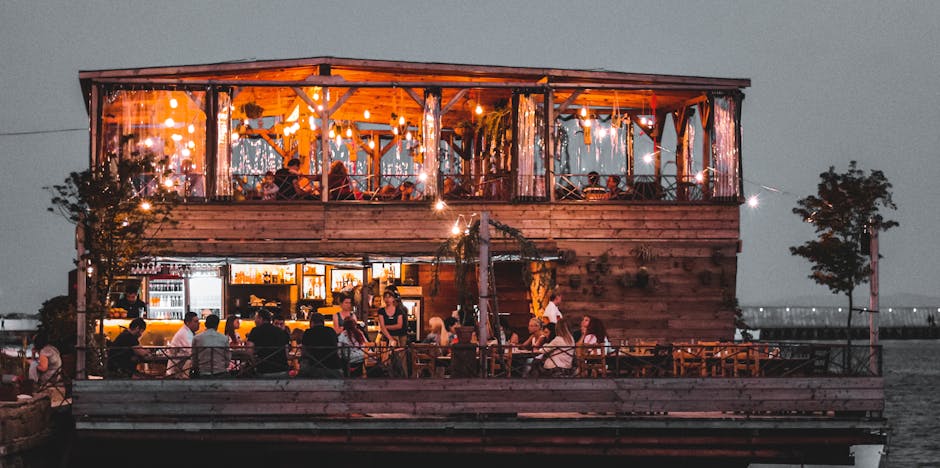
Local tip: for a relaxed evening choose a terrace bar on the Riva to listen to the Sea Organ’s final chords and chat with locals. Musicians and old sailors love to swap stories — a great way to discover secret routes for the next day.
9. Morning Day 2: boat to an island — Ugljan or Dugi Otok
On day two, dedicate the morning to a boat trip to a nearby island. Two popular choices:
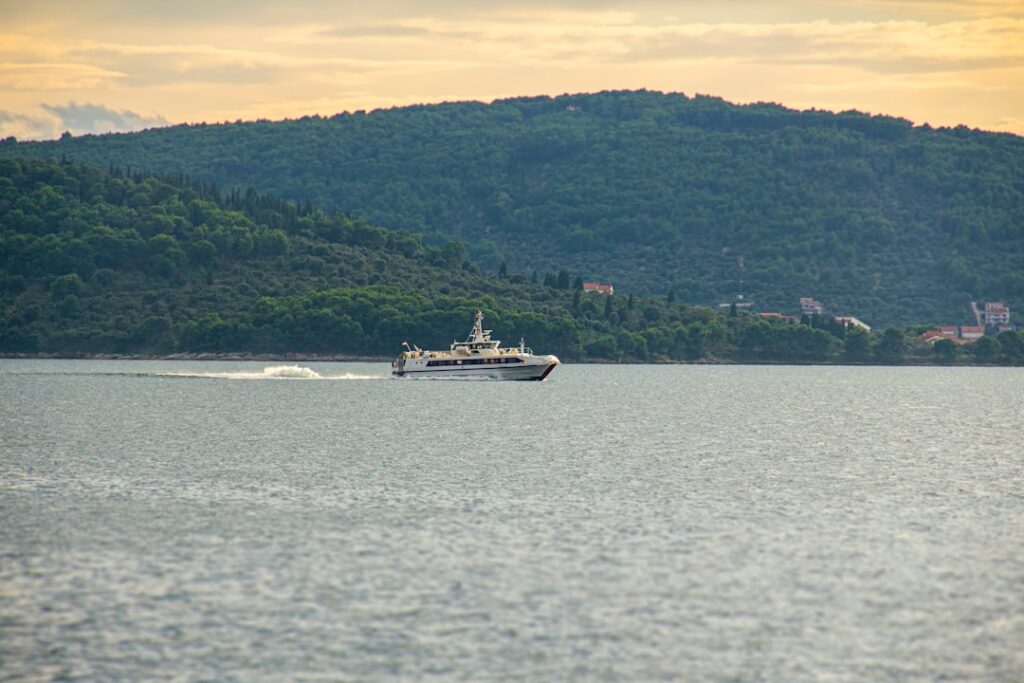
- Ugljan (island) — departures from the Passenger Terminal Zadar, Obala kneza Branimira 1, 23000 Zadar. Duration: 20–40 minutes depending on the line. Ferry fare: €4–6 one way (foot passenger); bikes usually extra €1–3.
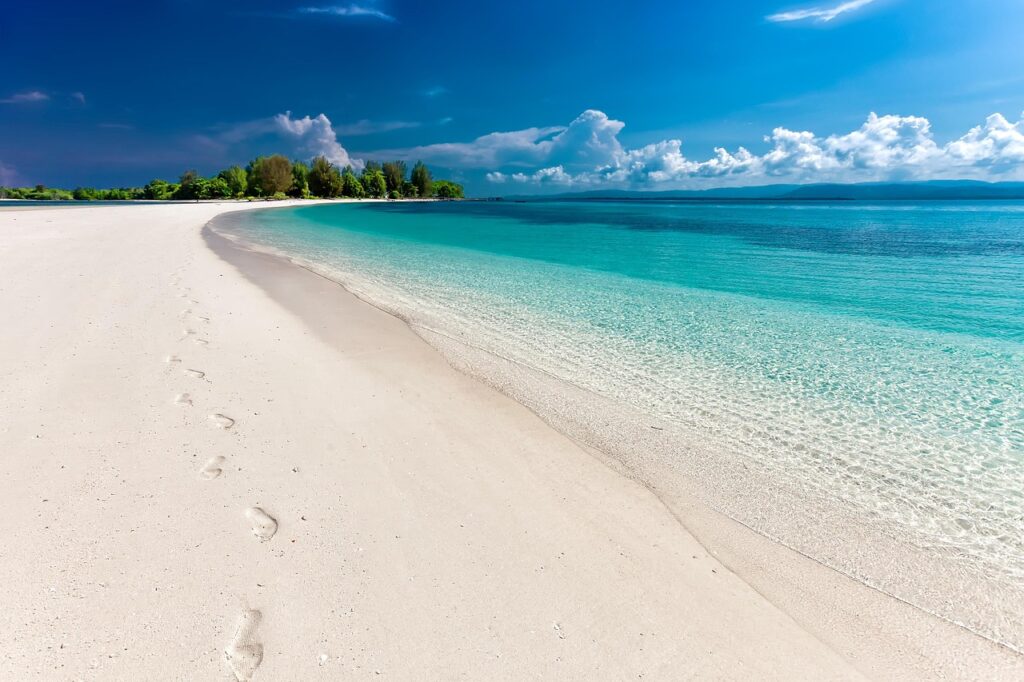
- Dugi Otok (island) — Sakarun Beach — private boat operators run trips from the port, duration: 1–1.5 hours. Day-trip price: €25–45 including lunch and swim stops, depending on the operator.
Book early (on site or online) to secure space and a bike spot if you plan to cycle on the island. Regular ferries often accept bikes — check the ticket office for the bike supplement. Bring a dry bag for valuables and budget €10–20 for lunch on the island if you don’t pack a picnic.
10. Afternoon Day 2: island cycling/hiking, beaches and coves
Options vary by island chosen:
- Ugljan: quiet cycling routes between villages like Kali and Preko; rocky beaches and small fish taverns. Recommended time: 3–5 hours. Bike rentals on the island: €10–20/day.
- Dugi Otok: lighthouse hikes, the white-sand Sakarun Beach, secluded coves. Organized trips often include snorkeling stops and lunch: €30–45 per person.
Practical tip: check return ferry times (the last services vary by season). On Ugljan there are frequent evening connections; on Dugi Otok you may need to book a line ferry or a reserved shuttle back.
11. Back to Zadar late afternoon: nap, coffee and prep for the evening
Back in Zadar late afternoon, take time for a short nap or a coffee in the old town. Recommended cafés:
- Caffe Bar Central — Narodni trg 10, 23000 Zadar. Hours: 07:30–23:00. Prices: espresso €1.20–1.80.
- Book Caffe & Bar — Zadarska riva 7, 23000 Zadar. Hours: 08:00–23:00. Calm atmosphere, great for planning dinner.
Logistics tip: drop beach gear in a hotel locker or luggage storage if you’re going out on a final bike ride. Charge your camera gear and secure memory cards — Zadar sunsets are photo-worthy but require ready equipment.
12. Final evening: walking route, specialties and night panorama
To wrap up your 48 hours, plan a walking loop revisiting favorites under night light: the illuminated Roman Forum, the cathedral, then back to the Riva for one last Sea Organ and Greeting to the Sun moment. Dine at a restaurant that stays open late and serves local produce:
- Pet Bunara Restaurant — Trg Pet Bunara 1, 23000 Zadar. Hours: 12:00–23:30. Mains €12–28.
- Restaurant Kastel — Ulica Jurja Barakovića 3, 23000 Zadar. Hours: 11:00–00:00. Menu varies €10–30.
Insider tip: ask your server for local wine recommendations (Pošip, Plavac Mali) and a portion of Paški sir (Pag cheese) if available. Enjoy a final drink on the Riva while listening to the Sea Organ’s closing notes — a fitting farewell to a town where the sea plays music.
13. Final practical tips: safety, seasons and time-saving
Safety: Zadar is generally safe, but watch your belongings in busy spots (Riva, ferry terminals). Always lock your bike with the provided lock; don’t leave luggage visible in rental cars. Useful numbers: Local police/Croatia — 192, emergency services — 112.
Season: the main visiting season runs June–September. To avoid crowds while keeping pleasant weather, aim for May–June or September–October. In winter the weather is cooler but prices (accommodation and rentals) drop significantly.
Save time: combine bike + boat + walking to cut transfer times. Example: take a morning ferry to an island for a half day, return for an afternoon of museums and finish with the Sea Organ at sunset. Book bikes and boat tickets the day before during high season to save time.
14. Additional transport: taxis, local buses and bike parking
Taxis: main rank near the port, Obala kneza Branimira 1. Approx fares: short city trips €3–5, longer rides €7–15. Taxis often take cards but carry cash for small fares.
Local buses: Promet Zadar runs urban lines. Fares: 10–15 HRK (€1.5–2) per ride depending on distance; schedules vary by line and season. Major stops are on the Riva and near the bus station.
Bike parking: many racks along the Riva and near attractions. Some hotels offer secure storage or bike parking for €3–5/day. If leaving a bike for a long period, ask the rental for a sturdier lock.
15. Alternative activities: kayaking, diving and private boat trips
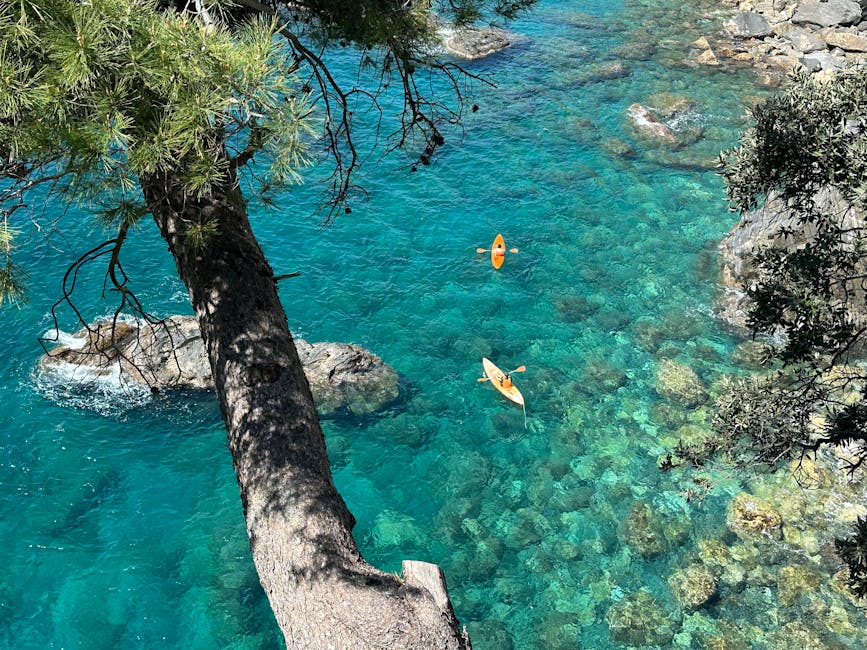
If you prefer a more active day than an island trip, consider sea kayaking (guided day tours €30–60) or a diving intro (try dive €40–70 depending on site and operator). Several providers operate from the Riva and port:
- Adriatic Explorers — Obala kneza Branimira 12, 23000 Zadar. Kayak and snorkeling trips. Half-day kayak rates €30–45.
- Zadar Dive Center — Ul. Kraljina Jelena 7, 23000 Zadar. Try dive €45–70.
Tip: book these activities in the morning for calmer seas and better underwater visibility. Operators supply equipment; bring your swimsuit and towel.
16. Shopping and souvenirs: markets, local products and addresses
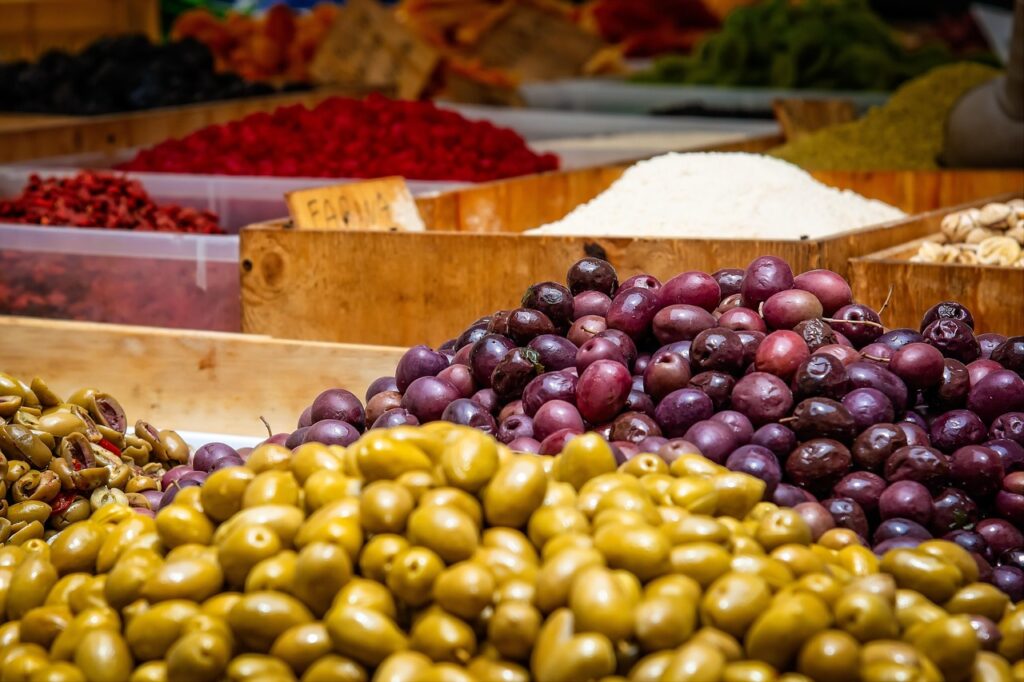
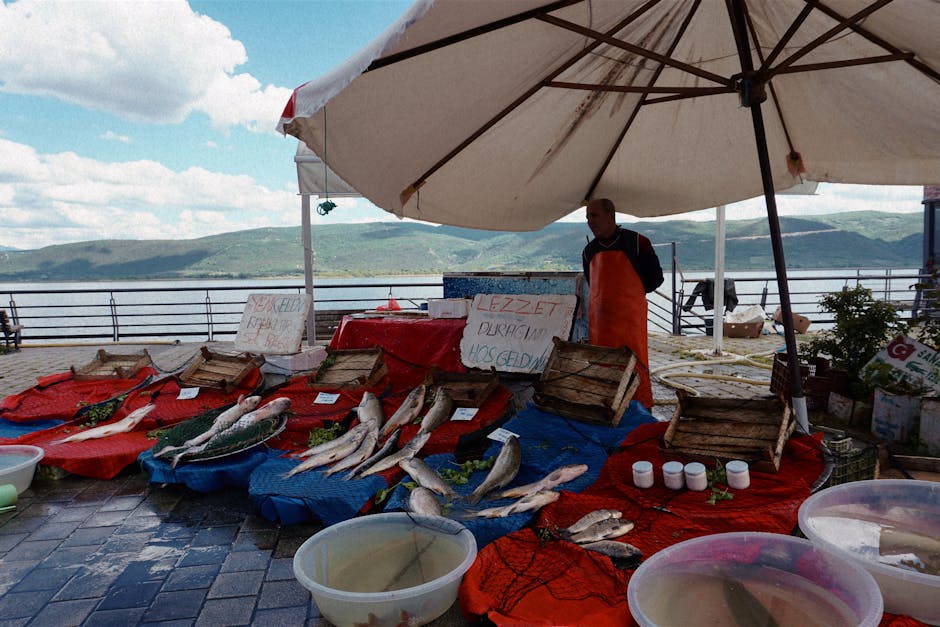
For authentic souvenirs, visit the daily market near Narodni trg (People’s Square): local produce, olive oils, herbs and cheeses. Useful addresses:
- Open Market Zadar — Trg Petra Zoranića 3, 23000 Zadar. Hours: 07:00–13:00 (some stalls open afternoons in summer). Products: fruit €1–3, olive oil €6–20/bottle.
- Paški Sir vendors — seasonal stalls on the Riva and at the market. Pag cheese price: €12–25/kg.
Tip: haggle gently on handicrafts; carry small change (euros are accepted in many tourist spots but often at a less favorable rate).
17. Alternative route for experienced cyclists: peninsula and hill tour
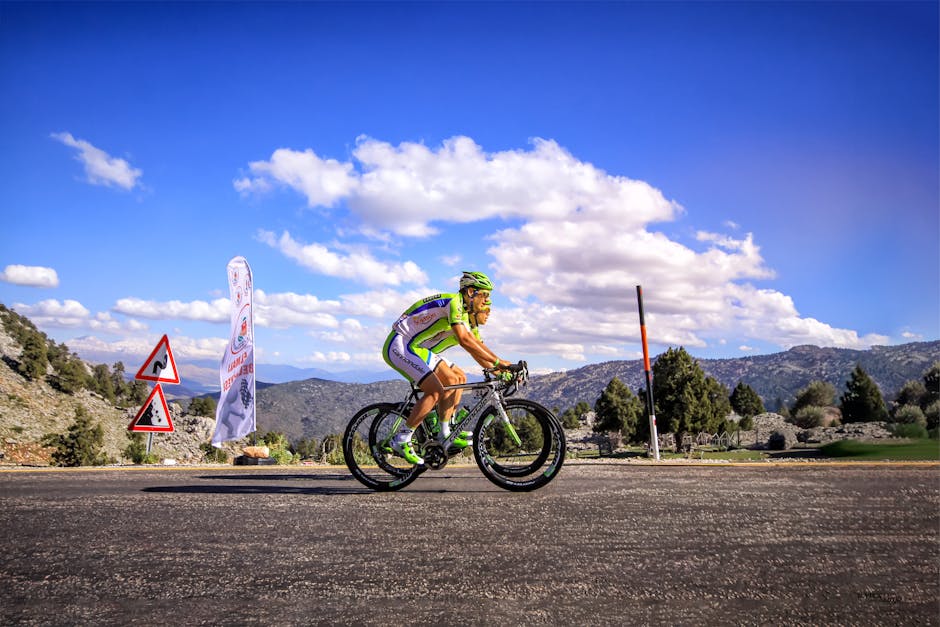
For fit cyclists who want to leave the coast, a 30–50 km loop inland toward the Velebit nature area offers dramatic scenery. Start in Zadar, head toward Zemunik Donji and climb gradually into the massif. Water stops and small konobas dot the route. Duration: 4–6 hours depending on fitness.
Safety tip: watch for unshaded stretches in summer — bring 2–3 liters of water and a repair kit. Check the forecast: Velebit can be windier and cooler than the coast.
18. Indicative budget for 48 hours
Reasonable per-person range (excluding flights/trains) for 48 hours:
- Accommodation: €60–180 (1 night) depending on category and season.
- Bike rental: €10–45/day depending on model.
- Ferry / island trip: €4–45 depending on destination / organized tour.
- Meals: breakfast €3–8, lunch €8–18, dinner €12–30.
- Museum entries and tours: €3–10 per site.
Estimated total: €130–350 for 48 hours, adjustable by activity choice, dining and lodging.
19. Accessibility and family tips
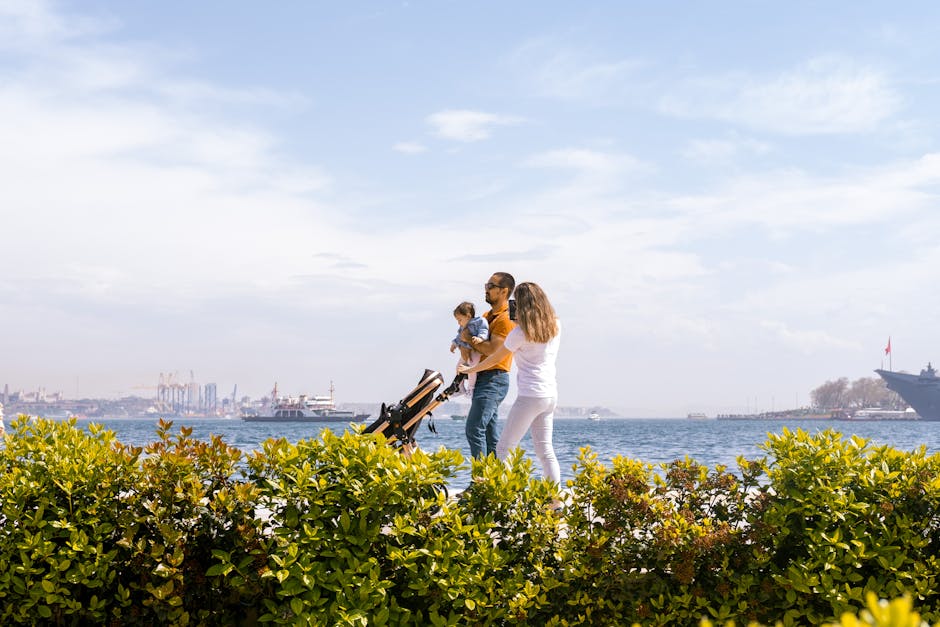
Zadar is generally family-friendly: wide sidewalks along the Riva, beaches with gradual entry to the water, and ferries that accept strollers. For families with young kids:
- Favor Kolovare Beach (easy access, fine sand/pebbles).
- Book an electric bike or child seat from rentals (extra €5–10).
- Plan frequent breaks and bring hats and sun protection for kids.
20. Local tips — customs, tipping and unwritten rules
People in Dalmatia are warm and relaxed. Usual practices:
- Tipping: 5–10% in restaurants if service is good (sometimes included). Round up fares for taxis.
- Language: Croatian is official; English is widely spoken in tourist areas.
- Recycling: recycling bins are available — follow local rules.
Tip: for a truly local experience, ask the server about a “špancir” (authentic neighborhood) or a family-style dish off the menu — often that’s where real Dalmatian cooking shines.
21. Photography: best spots and times
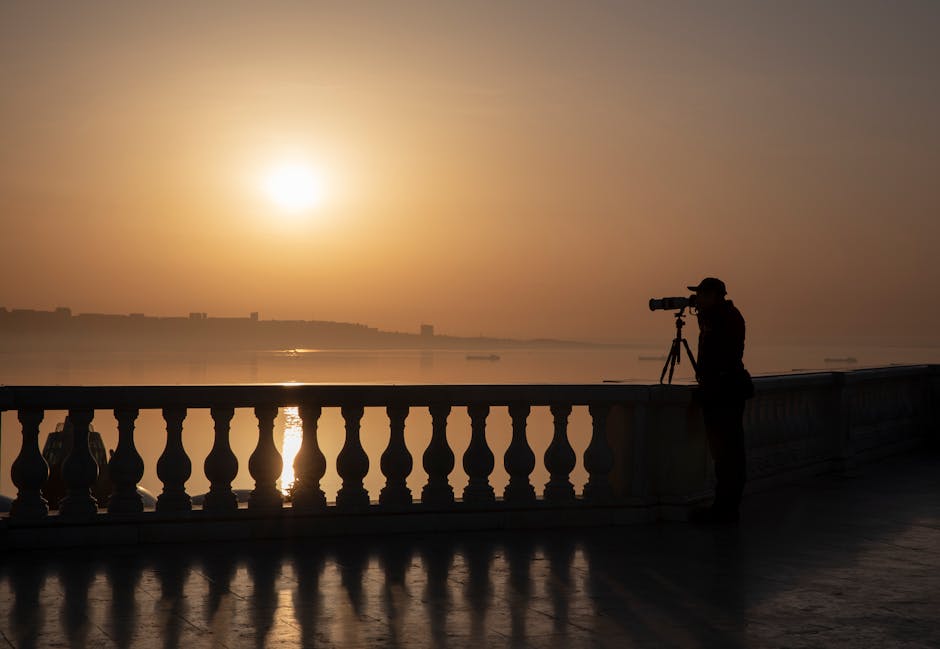
Best times: morning golden hour (06:00–08:00) for lanes, and especially sunset (20:00–21:30 in summer) for the Riva and sea installations. Must-shoot spots:
- Sea Organ steps (Obala kneza Branimira) — silhouettes and wave patterns.
- Cathedral bell tower — panoramic sea and rooftop views.
- Roman Forum in the morning — soft light and fewer crowds.
Technical tip: for the Greeting to the Sun’s lights use long exposures and an ND filter to capture light trails.
22. Health and precautions
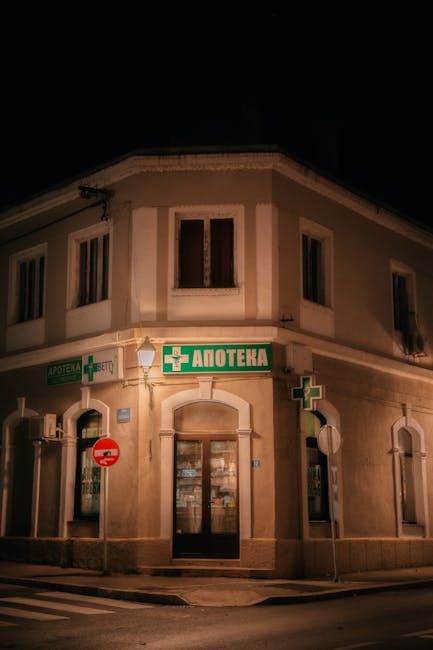
Bring basic meds (antiseptic, bandages, motion-sickness tablets if you plan boat trips) and sun protection. Pharmacies are common; Pharmacy Zadar — Ul. Kneza Domagoja 6, 23000 Zadar — is usually open 08:00–20:00 (some are 24h in summer).
Tip: if you’re prone to seasickness, take a preventative pill 30–60 minutes before boat departure.
23. Culture and events: concerts, festivals and seasonal markets
Zadar hosts a variety of events: summer music festivals, classical concerts in St. Donatus, and artisan markets in high season. Check the city’s cultural calendar before you travel: from June to September many free events take place on the Riva and main squares.
Tip: consult the official Zadar tourist office website or the municipal Facebook page for weekly updates on concerts and exhibitions.
24. Conclusion — make the most of your 48 hours in Zadar
Zadar in 48 hours is a rich, compact experience: blending biking, boating and walking lets you hit the historical highlights, enjoy the sea and memorable dinners, and live sensory moments like the Sea Organ sunset and the illuminated Greeting to the Sun. The proposed route focuses on efficiency without sacrificing immersive discovery: a coastal bike loop, an afternoon of culture in the old town, and an island escape to breathe the sea air and swim in crystalline waters.
Plan ahead by booking bikes and ferry tickets during high season, favor morning hours to avoid crowds and optimize transfers by pairing transport modes: bike for flexibility, boat for island escapes, walking for historical immersion. Don’t forget the small but crucial items: a bike lock, sunscreen and small change for incidental purchases. Above all, leave room for the unexpected — a street musician, a market stall, an invitation to share a glass of wine — it’s those unplanned moments that will turn your 48 hours in Zadar into a lasting memory.