




Introduction — Why Explore Zadar by Bike: a Sensory and Practical Overview
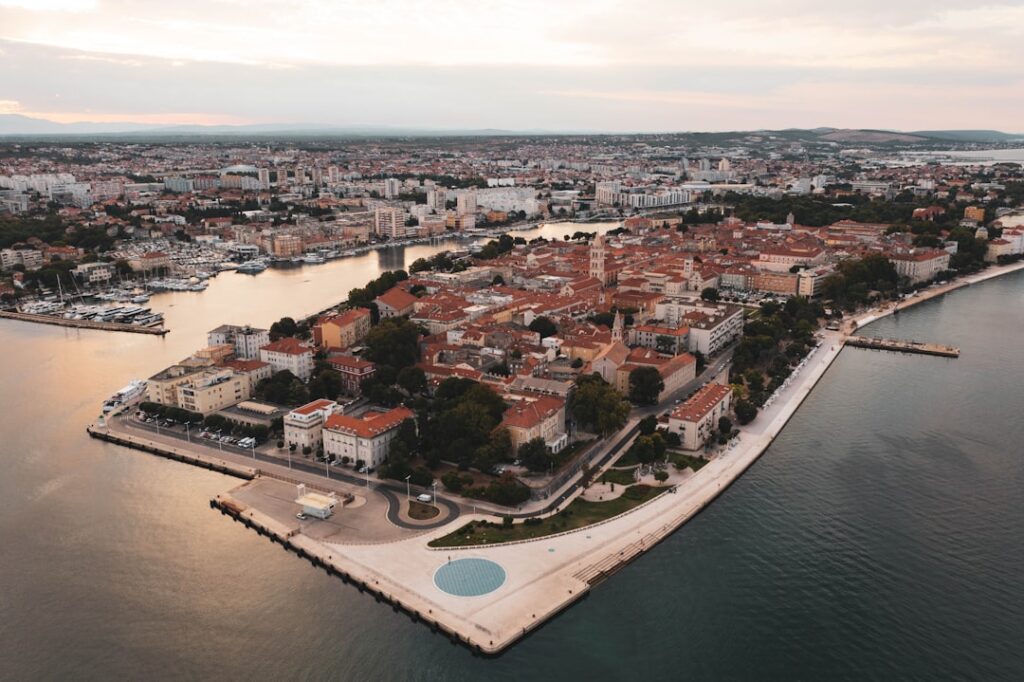
Zadar, a gem of the Dalmatian coast in Croatia, is a place where ancient history meets the endless blue of the Adriatic. Choosing a bicycle to explore Zadar in a day is practical, immersive and perfectly suited to the pedestrian feel of the old town. On two wheels you can hop quickly between Roman squares, Byzantine churches and seaside viewpoints without losing the tangible contact with the stone, the scents of the sea and the organic sounds of the city. The pace is yours: dawdle, stop for a view, or pick up speed to reach a hidden cove before sunset.
This complete guide lays out a detailed, timed one-day itinerary between the old town (Stari Grad) and the waterfront, with exact addresses, opening hours, prices in euros and local tips to help you make the most of your day. You’ll learn where to rent a reliable, comfortable bike, which must-see spots are perfect for cycling, which sections are bike-friendly or best avoided, and where to pause for a tasty break or a refreshing swim. Zadar’s layout — stretching several kilometers along the sea — makes scenic rides easy: coastal promenades (the Riva), historic highlights concentrated inside the old town walls, and many small coastal roads leading to coves and nearby islands.
The bike becomes a way to read the city: it connects you to the contrasts — millennia-polished stone and waves, shaded alleys and long maritime perspectives. This guide includes practical details: exact rental addresses, indicative prices in euros (for rentals, paid visits and small extras), opening times (and recommended windows to visit main sites), and safety tips (traffic zones, bike parking, essential gear). Local pointers sprinkled throughout will help you avoid the hottest or busiest hours, find the best photo viewpoints and fully enjoy the sound and light installations that give modern Zadar its fame.
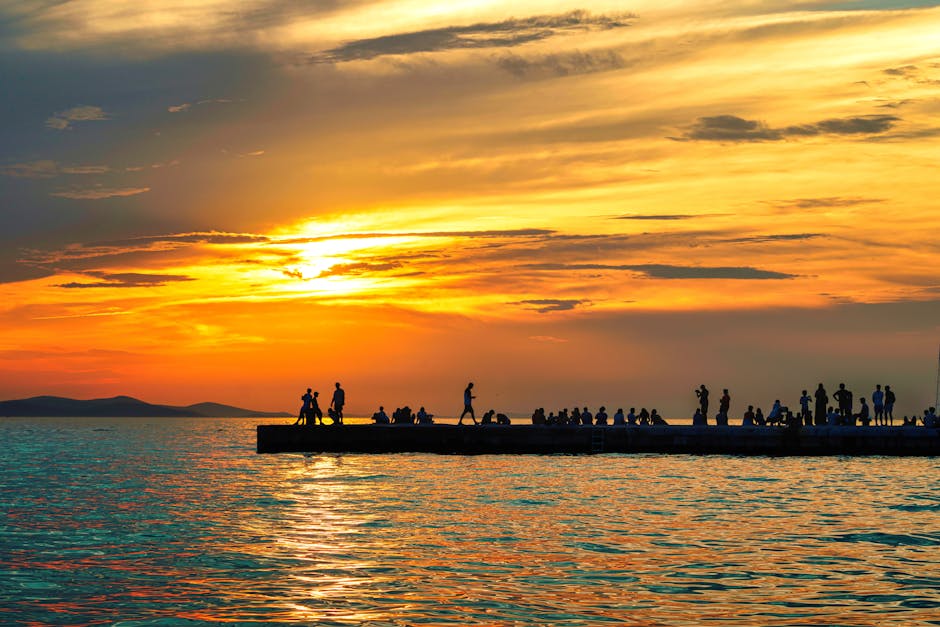
At day’s end, when golden light caresses the old town and waves sing near the sea organ (Morske orgulje), you’ll understand why so many travelers say Zadar is a place to be lived slowly. To experience it without rushing, the bicycle is ideal: in a few hours it lets you pack in a wide variety of historical, architectural, sensory and gastronomic moments. Get ready for a full, enjoyable day that can be easily tailored to your fitness, the weather and your mood. The following sections will guide you step by step, with precise addresses, opening times and unforgettable stop suggestions.
1. Preparation and Rentals: Pick the Right Bike and Plan Your Day
Before you set off, preparation is key. In Zadar several rental shops offer city bikes, hybrid (trekking) bikes, mountain bikes and e-bikes. The right choice depends on the route: for a mix of cobbled old-town lanes and coastal paths, a hybrid bike or an electric bike is the most comfortable option. E-bikes save energy and expand your range, especially if you plan to head toward hills or longer coastal stretches.
Recommended shops and addresses
- Zadar Bike Center — Address: Ul. Ante Starčevića 1, 23000 Zadar. Opening hours: 08:00–20:00 (Apr–Oct), 09:00–17:00 (Nov–Mar). Prices: hybrid 12 €/day, e-bike 28 €/day, helmet included. Phone: +385 23 123 456. (Booking recommended in high season.)
- Dalmatia Cycle Rentals — Address: Obala kneza Trpimira 5, 23000 Zadar (near the port). Hours: 07:30–19:30. Prices: MTB 10 €/day, tandem 25 €/day, child seat 5 €/day. Services: bike route map, secure lock rentals.
- Bicycles & Tours Zadar — Address: Trg Petra Zoranića 4, 23000 Zadar (old town entrance). Hours: 09:00–18:00. Rates: guided bike tour 35 €/person (3h), half-day rentals 8–15 € depending on model.
Practical tips: bring ID for the rental, check brakes and tires, ask for front/rear lights if you might finish after sunset, and take a sturdy lock for longer stops. Old town streets are often narrow and cobbled; wider tires or a front suspension setup are preferable if you can. Carry water (1.5–2 L depending on the heat), sunscreen and a light jacket for the sea breeze.

2. Morning: Explore the Old Town (Stari Grad) by Bike and on Foot
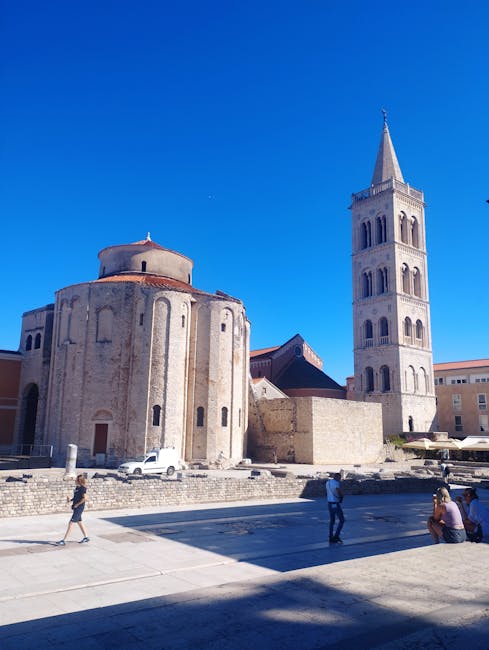
Start early, ideally between 08:00 and 09:30, to enjoy cool lanes and the main sites without the crowds. Park your bike at one of the secure spots at the old town entrance — the central zone is pedestrian-only, and your bike is handy for reaching the walls or quickly slipping out to the outskirts. Begin with the heart of the old town: Trg Petra Zoranića (Petar Zoranić Square), the Cathedral of St. Anastasia (Katedrala sv. Stošije) and the Church of St. Donatus (Crkva sv. Donata).
Highlights and addresses
- Church of St. Donatus (Crkva sv. Donata) — Address: Trg Petra Zoranića 3, 23000 Zadar. Hours: 09:00–18:00 (Apr–Oct), self-guided visits. Price: access to archaeological site/concerts: 3–5 €. Why go: a 9th-century pre-Romanesque church, striking for its circular shape and acoustics — a perfect place to feel Zadar’s historical depth.
- Cathedral of St. Anastasia (Katedrala sv. Stošije) — Address: Trg Katedrale 1, 23000 Zadar. Hours: 08:00–19:00. Price: free (donations welcome). Why go: a Romanesque-Gothic cathedral; the bell tower (entry fee applies) offers panoramic views of the old town and the sea.
- Roman Forum (Rimski forum) — Address: Trg Rimskog Foruma, 23000 Zadar. What to expect: visible ruins and historical inscriptions — an ideal spot to pause and take photos among the columns.
The old town is pleasant to cover by bike when moving between gates and walls, but inside the center walk when possible (out of respect for pedestrians and to protect the cobbles). The walls have several exits that lead back to the waterfront; then follow the coastal promenade (Riva) southwest to reach two of Zadar’s contemporary attractions.
Local tip: after visiting St. Donatus, stop by a local bakery-cafe to try a savory burek (about 1.50–2.50 €) and a Dalmatian coffee (2–3 €). The alleys also hide craft workshops and small galleries where owners, often speaking some English, can point you to lesser-known nearby coves.
3. Noon and Afternoon: The Waterfront, Sea Organ and Coastal Swims
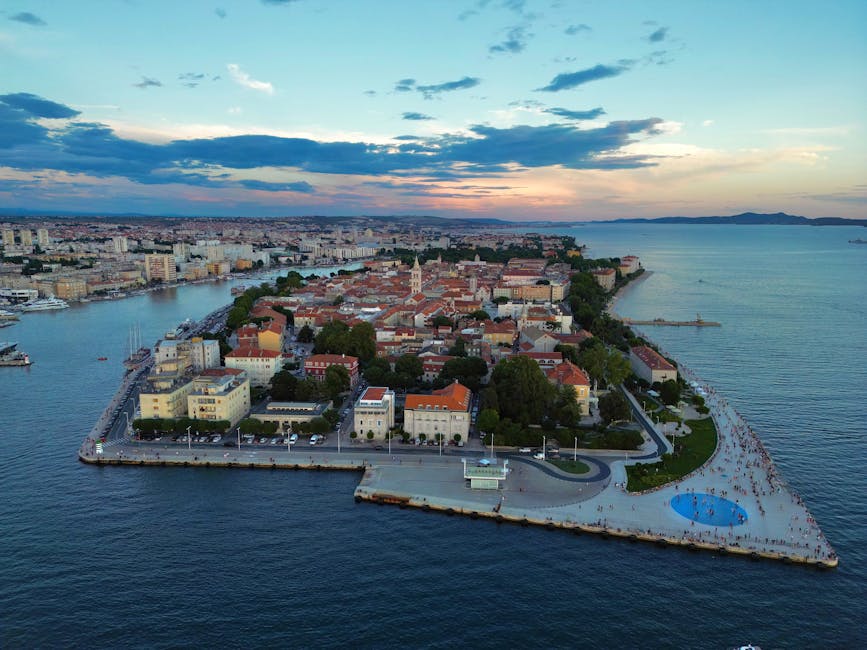
Head down to the Obala kralja Petra Krešimira IV promenade (the Riva) to see two unique public installations: the Sea Organ (Morske orgulje) and the Greeting to the Sun (Pozdrav Suncu). These contemporary works, at the southwestern end of the Riva, put you in direct contact with the sea — organic sounds and light shows — and are must-stops for any visitor.
Sea Organ and Greeting to the Sun — practical details
- Sea Organ (Morske orgulje) — Address: Obala kralja Petra Krešimira IV, 23000 Zadar. Access: free, open 24/7. What it is: a musical instrument by architect Nikola Bašić where waves vibrate pipes built under the stone steps, producing random, meditative tones. Best times: calm morning or sunset for the most moving atmosphere.
- Greeting to the Sun (Pozdrav Suncu) — Address: Obala kralja Petra Krešimira IV, 23000 Zadar (next to the Sea Organ). Access: free, lights on at night. What it is: a circle of glass photovoltaic panels that store solar energy and create a light show at night, sometimes accompanied by music. Ideal to watch after 20:00 in summer or at dusk.
After these installations, continue south along the coast to reach public swimming spots and small pebble beaches. Popular nearby beaches include Kopno Beach (public beach near the port) and little rocky coves reachable in 10–20 minutes by bike. If you prefer supervised swimming and services (sunbeds, cafes), head to Kolovare Beach — Address: Ul. Kralja Petra Krešimira IV 12, 23000 Zadar. It offers a mix of sand and pebbles, showers and cafes. Price: free access, sunbed rental 5–10 €/day.
Lunch break: for a typical seaside meal, choose a konoba (Dalmatian tavern) or a seafood restaurant. Practical recommendation: Konoba Varos — Address: Ul. Stjepana Radića 8, 23000 Zadar. Hours: 11:00–23:00. Recommended dish: brodetto (fish stew) about 12–18 €, grilled calamari 9–14 €. For a quick, budget-friendly lunch many cafés along the Riva offer dishes for 6–12 €.
Local tips: avoid the main beach at peak midday in high season — favor early morning or late afternoon. To secure your bike while you swim, use a robust lock and attach it to the metal rings along the promenade. Bring a quick-dry microfiber towel and water shoes for rocky areas.
4. Late Afternoon and Sunset: Coastal Route and Panoramas
Late afternoon in Zadar is not to be missed: the light softens, crowds thin and the city reveals beautiful contrasts. Hop back on your bike and ride northwest along the coast on the main promenade — or for a wilder option take the coastal road toward the Veli Iž forest park (if you’ve planned a ferry crossing) or the small coves around the Borik neighborhood. If time and fitness allow, a 7–12 km coastal ride offers viewpoints and less-crowded swimming spots.
Recommended route (1–2 hours)
- Start: Riva, near the Sea Organ / Greeting to the Sun.
- Route: follow Obala Kralja Petra Krešimira IV northwest, then take Ulica Zadarskih Pobuna toward Borik for more modern city views and another seaside promenade.
- Recommended viewpoint: Western Walls viewpoint — Approximate address: Ulica Stari Grad, 23000 Zadar. What to expect: a panorama over the archipelago and sunsets — perfect for a final photo.
If you prefer a cultural stop before sunset, visit the Museum of Ancient Glass or the Zadar County Museum. Practical info: Museum of Ancient Glass — Address: Trg tri bunara 4, 23000 Zadar. Hours: 10:00–17:00 (seasonal). Price: 5–8 €. Many museums close between 17:00 and 18:00 in low season, so check current opening times before you go.
Sunset: the iconic experience is watching the sun set from the Riva near the Sea Organ, where the sea’s sounds accompany the spectacle. Arrive about 30–45 minutes before sunset to claim a good spot. In summer these places fill up quickly: if you want peace and quiet, continue northwest along the promenade to the small jetties and rocks where groups are less common.
Local tips: bring a headlamp or bike lights if you’ll ride back after dark — some peripheral roads aren’t well lit. Respect pedestrian-only sections of the walls by walking your bike when necessary. If you rented an e-bike, check the battery level before heading out for the evening; most shops ask that batteries be returned by 20:00 or at closing time.
Conclusion — Practical Summary, Safety and Local Tips to Make the Most of Your Day
Exploring Zadar by bike makes for a rich, flexible day that mixes ancient history, contemporary installations and remarkable seaside scenery. In short: start the morning in the old town (Stari Grad) to savor the architecture and atmosphere, then head down to the Riva to hear the Sea Organ and see the Greeting to the Sun. After lunch, enjoy beaches and coastal rides, and finish at sunset for an unforgettable moment. Distances are reasonable: a main circular route can be covered in 20–30 km depending on detours, which is doable for most recreational cyclists — especially with an e-bike.
Safety and comfort: wear a helmet, check tires and brakes before you go, and use a sturdy lock for longer stops. Respect pedestrian-only areas in the old town by walking your bike when required. Bring water, a small repair kit (inner tube, pump) and an offline map or GPS app (mobile coverage is generally good on the coast, but don’t rely on it entirely). For families, the listed shops rent child seats and tandems; solo riders who want to maximize sightseeing with less effort should favor an e-bike.
Indicative budget for a day (per person): hybrid bike rental 12–20 €/day or e-bike 28–40 €/day; lunch 10–20 €; drinks and ice cream 3–6 €; museum fees 5–8 €; sunbed rental 5–10 € if desired. With these benchmarks, a full day biking around Zadar remains affordable while delivering high-quality experiences.
Final local tips: if you have more than a day, use Zadar as a base for bike excursions to nearby national parks (Kornati, Paklenica) or take a ferry to the islands of Ugljan and Pašman — half-day or full-day loops that complement an initial urban discovery. And above all, leave time to simply sit on a bench by the sea, listen to the Sea Organ and watch sunlight reflect on the stone — often the memory that stays longest from a trip.