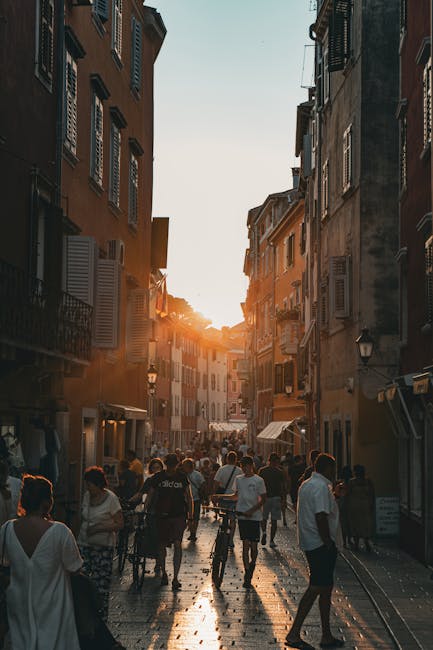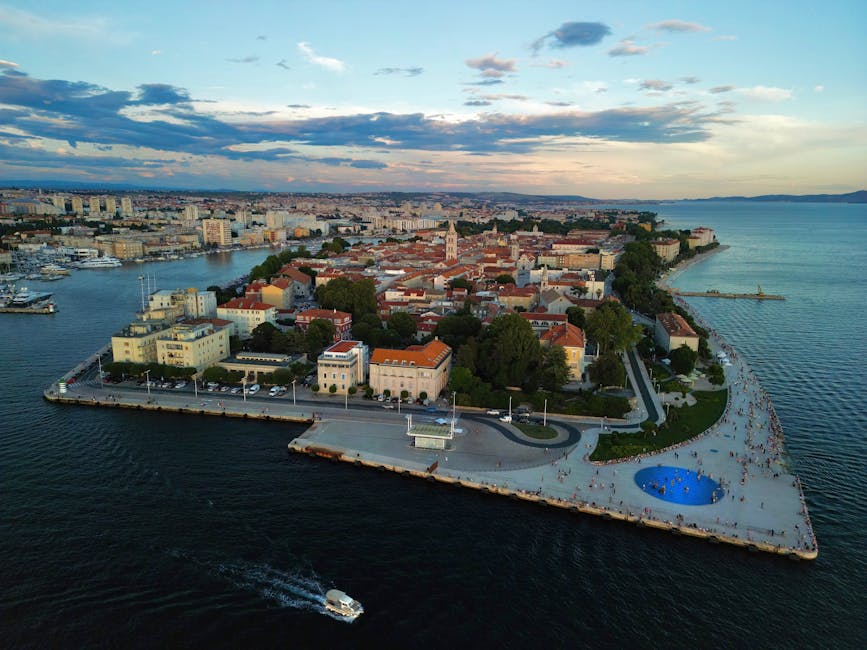






Introduction: Why This Guide to Zadar’s Markets and Shops Is a Must-Read
Zadar, a gem on the Dalmatian coast, is more than ancient ruins, epic sunsets, and the famed sea organ. It’s also a place where locally produced quality — freshly caught seafood, sun-ripened vegetables, artisan olive oils and Dalmatian wines — shines at neighborhood markets and small shops. Yet, like many popular tourist spots, inflated prices are a reality: around busy sights, aimed at rushed visitors, and sometimes even in stores that look “local” but aren’t.
This guide was written for travelers who want the best deals without being overcharged. You’ll find concrete addresses, practical opening hours, price ranges in euros and vivid descriptions so you learn not only where to buy, but how to buy in Zadar: when to haggle, how to spot genuine products, which streets to avoid at certain times, and which local alternatives to favor. The goal isn’t to turn you into an expert in a weekend, but to give you practical, verifiable tips to reduce the risk of paying too much while still enjoying high-quality experiences.
We cover fresh-produce markets, fishmongers, small specialty stores, souvenir shops and a few spots for higher-end purchases — all with opening hours, postal-style addresses (23000 Zadar) and example prices in euros so you know what to expect. You’ll also get local hacks: how to tell if a fish is really fresh, how to buy olive oil without paying for fancy packaging, how to find artisans’ workshops instead of overpriced souvenir stalls, and which days are genuinely best for shopping.
This guide is made for use on the ground: read the introduction for an overview, then dive straight into the detailed sections that follow — city-center markets, fishmongers and seafood, craft shops, delicatessens and local supermarkets. Each section offers practical advice, specific addresses, typical opening times, indicative prices in euros and sensory descriptions so you’ll know exactly what to expect when you step into a market or shop in Zadar.
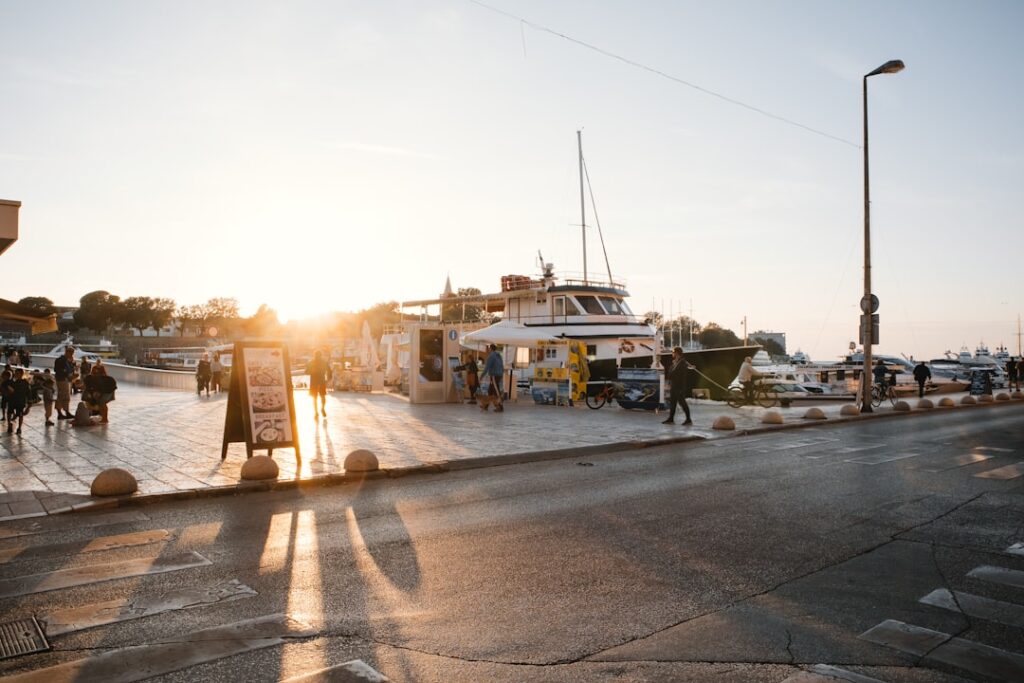
Fresh-Produce Markets and Zadar’s Central Market
Zadar’s central market, often called Tržnica Zadar or the municipal market, is the go-to spot for fruits, vegetables, local cheeses and small producers. Typical address: Tržnica Zadar, Ulica Široka / Kalelarga, 23000 Zadar — located along the main pedestrian street (Kalelarga). Usual opening hours: Monday to Saturday, 06:00–14:00 (many stalls closed on Sunday). Note that some greengrocers pack up around 13:00 in high season if the heat rises. These hours are the most reliable for fresh goods.
Indicative prices:
- Local tomatoes (per kg): €1.20–€2.50 depending on season
- Peaches / nectarines (per kg): €1.50–€3.00
- Artisan goat cheese (per 300 g): €4.00–€8.00
- Fresh eggs (box of 10): €1.80–€3.50
These prices fluctuate with the season and a stall’s location. Stalls on the market edge facing tourist streets sometimes charge 10–30% more than vendors set up inside or a little off to the side.
Tips to avoid inflated prices:
- Get there early: 06:00–09:00 is the best window for freshness and for bargaining on small quantities. Vendors may drop prices late morning to shift produce that’s nearing its limit.
- Compare stalls: the same variety can differ by €0.50–€1.00 per kilo depending on the stall. Walk 50–100 meters and compare.
- Know the season: buying strawberries in August is smart; buying them in November will be pricier and less tasty.
- Avoid the “tourist guide” effect: markets beside strictly tourist attractions tend to have higher prices.
- You can haggle for bulk: for 3–4 kg of fruit or a cheese platter, a 10–15% discount is often possible.
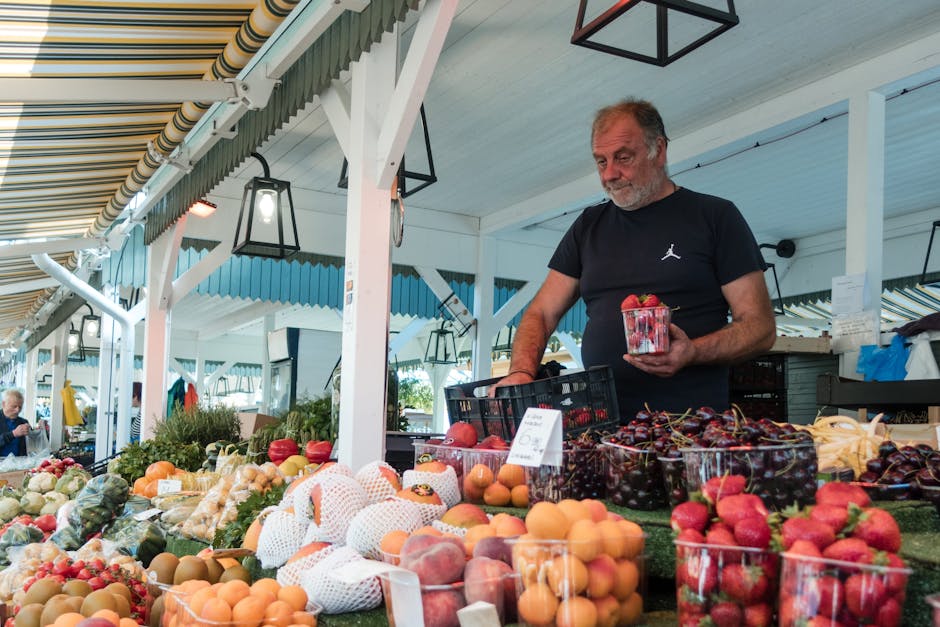
Fishmongers & Seafood: Where to Buy Without Getting Ripped Off
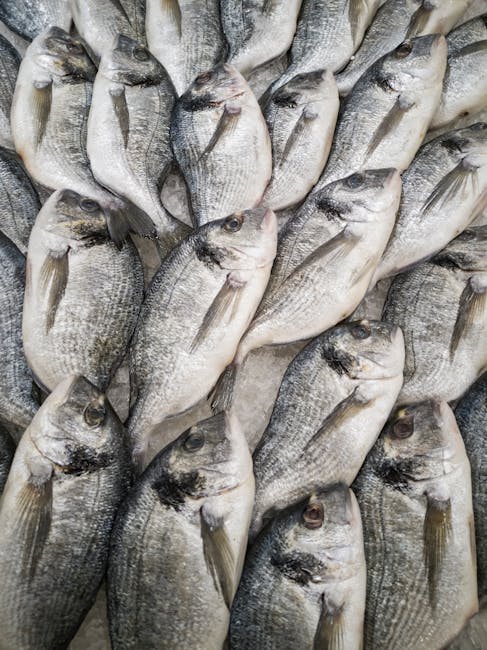
Zadar’s coastline is famous for seafood; however, it’s also where prices can swing the most. The best-known fish market is often referred to as Ribarnica Zadar or Zadar Fish Market, located near the harbor: Ribarnica Zadar, Obala kneza Branimira 1, 23000 Zadar. Typical hours: 05:30–13:00 every day (may close on Sundays in low season). The fish market faces the sea and fishermen unload early, which guarantees freshness but also attracts restaurants and tourists happy to pay a premium.
Indicative prices (direct from fisher, in euros):
- Local white fish (sea bream/dorada): €8–€14 / kg
- Sardines (small fish): €3–€6 / kg
- Fresh squid: €10–€18 / kg
- Local shrimp (can be pricier): €12–€25 / kg
Fishmongers in the town center or on the port often charge 10–30% more than buyers going straight to the fishermen, especially in high season.
How to avoid scams:
- Ask where it came from: ask “Is it fresh?” and “Where is it from?” (local = Jadran / Adriatic). An honest seller will name the landing port (e.g. Zadar, Pag, Biograd).
- Look for freshness signs: clear, bulging eyes; red gills; firm flesh. Avoid fish with sunken eyes or brownish gills.
- Avoid stalls with overly retouched photos or tourist-style packaging: that often signals a price based more on presentation than on quality.
- Compare with the indoor market: if a restaurant sells you “local” fish for double the price, ask for proof and check local fish stalls.
- Buy early: the best fish goes on sale from 06:00–08:00.
Craft Shops & Souvenirs: Telling Genuine from Staged
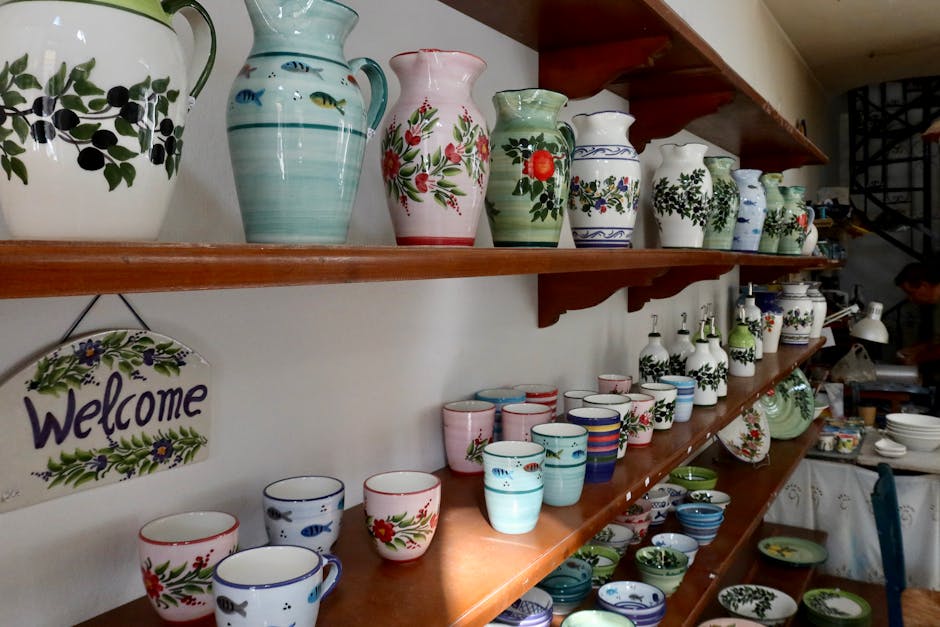
Zadar has several craft shops selling pottery, amber jewelry, textiles and boutique-sized olive oils. The most touristy streets for souvenirs are Kalelarga (Ulica Široka) and the little alleys around Narodni trg. A few trustworthy spots:
- Galerija Dalmata, Narodni trg 2, 23000 Zadar — gallery and local artisans’ shop (hours: 10:00–18:00, closed Monday in low season).
- Olive & Sea, Ulica Kralj Dmitar Zvonimir 4, 23000 Zadar — specializes in olive oils and local products (hours: 09:00–19:00)
- Artisans’ Corner, Ulica Široka 12, 23000 Zadar — handmade jewelry and objects (hours: 10:00–20:00 in high season)
Indicative prices:
- 500 ml bottle of artisan olive oil: €8–€25 depending on quality and PDO
- Small jar of local honey (250 g): €4–€9
- Amber pendant (simple): €15–€60
- Handmade ceramic pot: €10–€45
Higher-end shops reflect quality and traceability; touristy stalls can have a large markup.
Smart buying tips:
- Ask about origin: request the olive oil’s provenance, and note if the seller talks about the producer and shows a spec sheet (harvest, olive variety, extraction method).
- Find the workshops: real artisans often have an adjacent workshop or a modest storefront rather than a flashy stall near the port. Ask to see inside, look at tools and smell the place (wet clay, varnish, metal).
- Beware tourist “sets”: gift boxes with sample products packaged for tourists are often 30–50% overpriced.
- Reasonable haggling: offering 10–15% less than the listed price is acceptable in small shops if you buy several items, but don’t push too hard in fine boutiques where margins are slim.
Delicatessens, Indoor Markets & Local Supermarkets
To avoid blown-up prices, it’s often wise to mix market buys with purchases at local delicatessens. Zadar has several specialty shops and supermarkets where local products sell at more standardized rates. Useful addresses:
- Konzum Zadar, Obala kneza Branimira 10, 23000 Zadar — national chain, handy for basics (hours: 07:00–21:00, some stores open 24h in high season).
- Tommy Supermarket, Ulica Mihovila Pavlinovića 8, 23000 Zadar — wide range of local and imported products (hours: 07:00–22:00).
- Delicatessen Dalmatia, Ulica Kneza Trpimira 5, 23000 Zadar — fine foods specializing in cold cuts, cheeses and regional wines (hours: 09:00–19:00).
Indicative prices in supermarkets (Konzum/Tommy):
- Local bread (medium round loaf): €0.60–€1.50
- Bottle of local wine (entry level): €4–€8
- Commercial olive oil 1 L: €6–€15
- Local yogurt (125 g): €0.60–€1.20
Delicatessens like Delicatessen Dalmatia may sell artisan items at higher prices, but you usually get traceability and quality.
Strategies to lower costs:
- Use supermarkets for non-perishables (coffee, pasta, oil) — fixed prices mean fewer surprises.
- Keep the market for fresh items (fruit, veg, fish), but compare prices off the seafront.
- Buy in bulk if you can store it (lower cost per kilo).
- Check unit prices: price per kilo/litre helps you compare properly between shops and supermarkets.
Fashion Boutiques & Local Clothing Shops: Avoiding the “Tourist Look” Trap
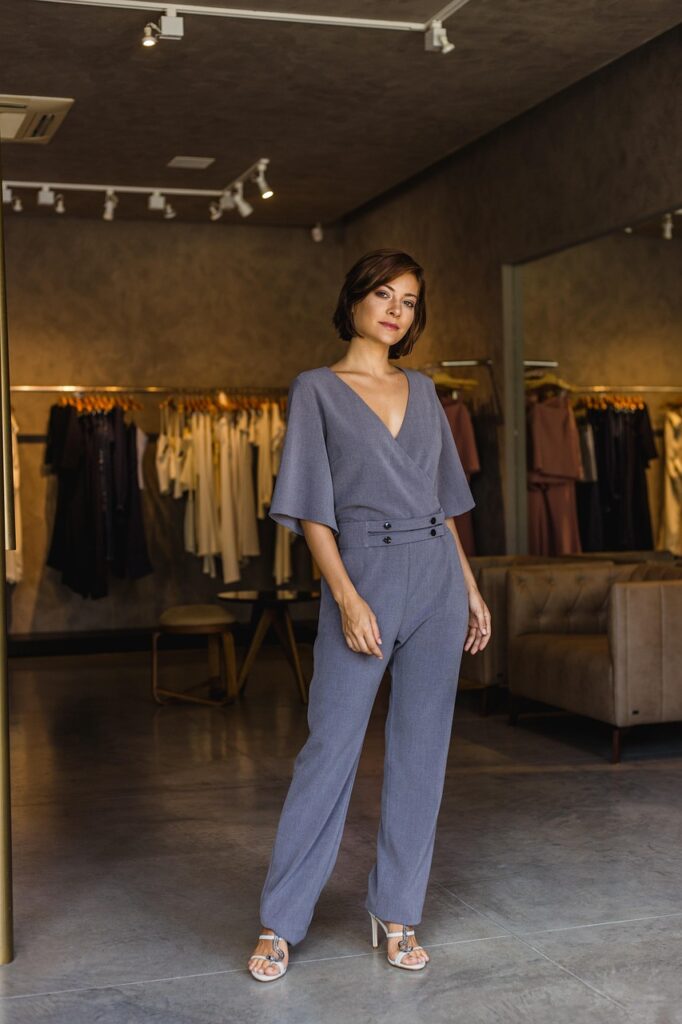
Zadar also has a small network of fashion and accessory shops: local designers, small Croatian brands and a few international labels. The areas around Narodni trg and Ulica Široka host most boutiques. Examples:
- Studio Moda Zadar, Ulica Široka 18, 23000 Zadar — local designer clothing (hours: 10:00–19:00)
- Sea Breeze Boutique, Kalelarga, Ulica Petra Zoranića 7, 23000 Zadar — beachwear, linen accessories (hours: 09:00–20:00)
Indicative prices:
- Locally printed T-shirt: €12–€30
- Light dress from a local designer: €40–€150
- Handmade linen bag: €25–€70
Prices in these shops often reflect design and local production. But be aware: knock-offs and imported pieces are sometimes sold as “local” — stay alert.
Tips to avoid being trapped:
- Ask about composition and origin: a “made in Croatia” label is a good sign.
- Inspect the finish: seams, lining and zips — visible quality justifies higher price.
- Be wary of items labeled “unique” just because of packaging: some stalls mark up normal goods wrapped in “local” paper.
- Favor small shops with a workshop or business card: that makes returns or repairs possible and supports the local economy.
Practical Local Tips for Bargaining, Transporting and Storing Your Purchases
Here are practical tips, tried by frequent visitors and locals, to optimize shopping in Zadar and avoid overpaying:
- Carry local currency: although the euro is widely accepted in tourist spots, small vendors may prefer kuna (when the euro isn’t offered). Having local change makes bargaining easier. (Note: Croatia adopted the euro as its official currency in 2023 — check current exchange details if you’re coming from outside the eurozone.)
- Travel light for shopping: an insulated bag lets you carry fish and cheese for a few hours without spoilage.
- Use off-peak hours: mornings are best for freshness; early afternoons are good for discounts on unsold items.
- Learn a few words: a simple “molim” (please), “hvala” (thank you) and “koliko košta?” (how much is it?) helps interactions and shows respect.
- Hide valuable purchases: in busy tourist areas, keep small valuable items (jewelry, expensive souvenirs) in a closed bag and avoid flashy displays.
- Ask for product ID: request a label or paper showing origin (producer, oil mill, fisherman) — it reduces the chance of being cheated and can justify the price.
Conclusion: Smart Shopping in Zadar — Pleasure, Quality and Common Sense
Zadar offers a rich, varied shopping experience: lively markets, seaside fishmongers, artisan shops and delicatessens. The main trick to avoid inflated prices is a mix of curiosity, comparison and timing. Favor mornings for freshness, compare a few stalls before you buy, choose workshops and shops that show product origin, and remember that tourist-facing presentations usually cost more.
If you’re after authenticity, head to the smaller streets a little off the waterfront and take time to chat with sellers: most are proud of their products and happy to explain production methods, seasonality and the best ways to store what you buy. Zadar’s markets are also a cultural experience: tasting, smelling and seeing products in context lets you bring home not only objects but stories.
Finally, remember that supporting small producers and artisans enriches your trip and the local economy. Paying a fair price — neither too low nor excessive — honors the work behind a bottle of olive oil, a freshly caught fish or a handmade piece of jewelry. This guide gives you the keys to shop smart in Zadar: do your research, compare, haggle politely and enjoy the culinary and craft generosity of Dalmatia.