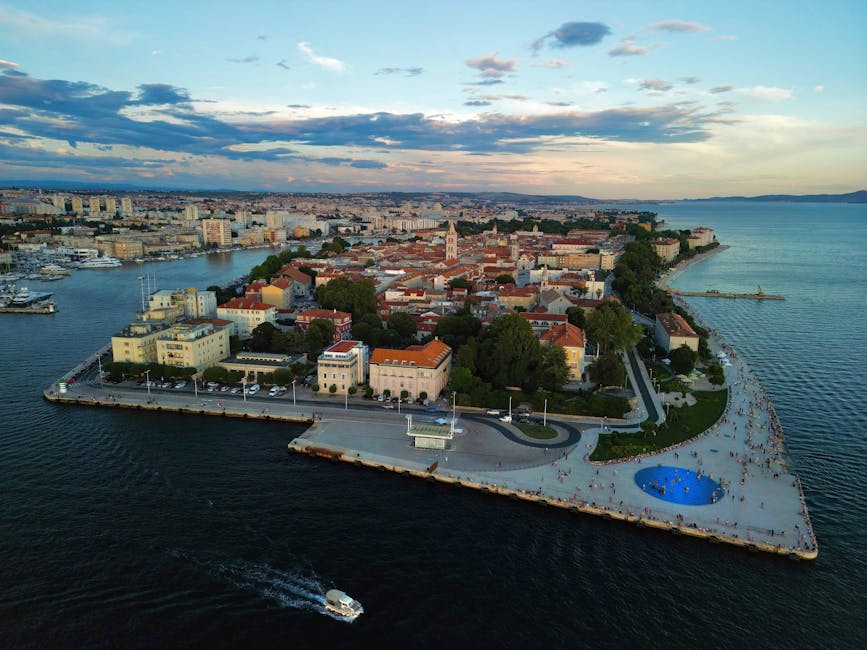






Introduction — Zadar markets: a deep dive into tourist and local stalls
Zadar, a coastal city in central Dalmatia, blends Roman history, modern attractions like the Sea Organ, and a Mediterranean way of life that shows up clearly in its markets. Visitors often expect the usual tourist fare — postcards, magnets, small bottles of olive oil — but behind those displays lie real crafts, local production and supply chains worth understanding. This guide aims to lift the veil on what Zadar’s tourist stalls actually sell: food products, handmade goods, souvenirs, and mixed offers where authentic items sit next to prepackaged goods and repackaged products aimed at visitors.
We’ll walk you through several specific spots in Zadar, give exact addresses, cite average prices in euros, usual opening hours, and provide immersive descriptions so you’ll know what to expect as you wander the stalls. Whether you like to stroll early at the fish market, haggle over a jar of artisan olive oil, or hunt for a piece of embroidered linen typical of Pag, this information will help you separate the genuinely local from the items made mainly for tourists.
Throughout the article you’ll also find local tips: how (and when) to bargain, how to spot a truly extra virgin olive oil, which cheeses are best for travel, and the times of day when stalls are liveliest. We’ll also cover the informal rules of trading in historic squares and fair prices for typical souvenirs (mother-of-pearl crafts, Pag lace, Maraschino liqueur) so you avoid disappointing or overpriced buys.
Finally, to make the article more visual and guide your eye as you explore Zadar, we’ve included photographic landmarks 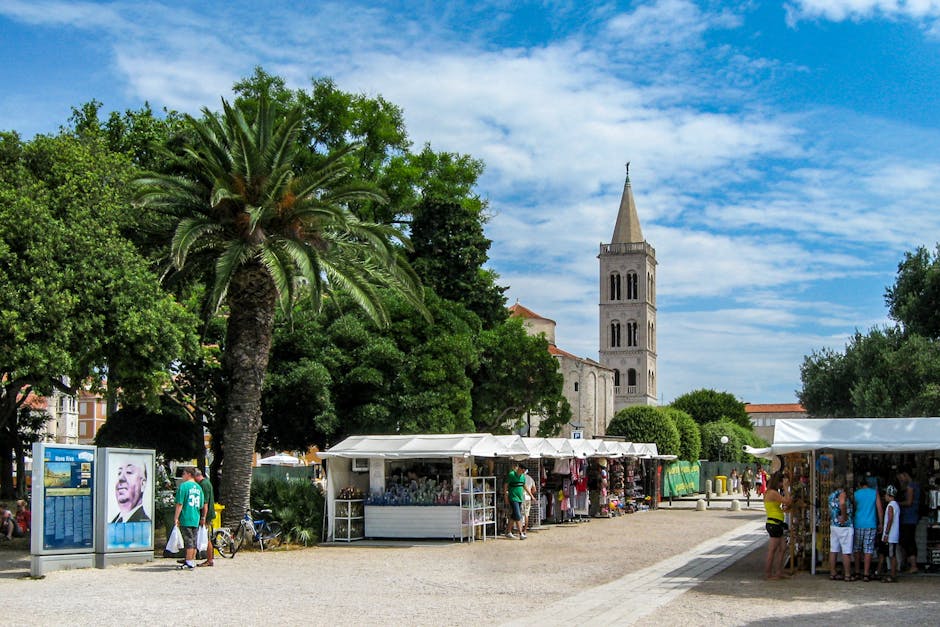 placed where the scene is most revealing — colourful stalls, freshly landed fish, artisans at work, and the silhouette of the old town in the background. Be ready to discover that behind many “tourist” stalls you’ll find local producers, but also imports and relabelled goods designed to appeal to the hurried traveller.
1) Tržnica Zadar / Zadar City Market — The heart of fresh produce and local goods
Address: Trg Petra Zoranića 1, 23000 Zadar, Croatia. Opening hours: covered market and stalls open Monday to Saturday, 07:00–13:00 (some vendors stay until 15:00), closed on Sunday. Often called the “Zadar Green Market” by English speakers, it’s steps from the main artery of the old town and the most reliable place to find fresh produce, cheeses, cured meats, artisanal honey and olive oil sold in bulk.
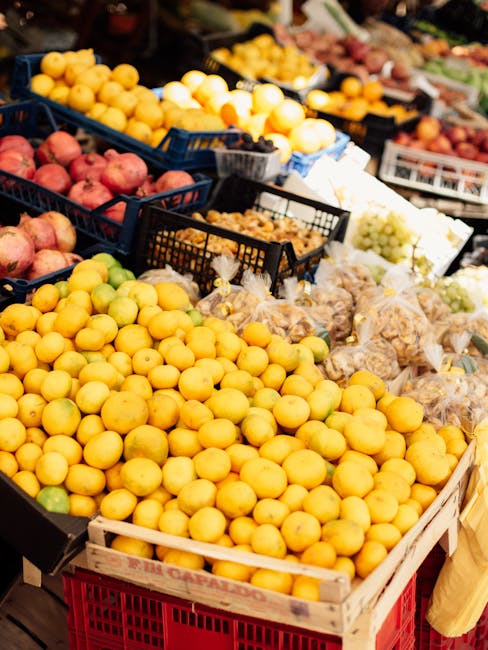
Immersive description: in the morning the air carries scents of fresh herbs, citrus and sea salt from the nearby port. Fruit and vegetable stalls display ribbed tomatoes, sweet peppers, fresh figs (indicative price: €2.50–€4.00/kg depending on season) and local courgettes (€1.20–€2.00/kg). Cheese stands highlight Paški sir (cheese from the island of Pag) sold by the piece: €18–€28/kg depending on aging. Butchers offer prsut (Dalmatian smoked ham) at €20–€35/kg. Local beekeepers sell multifloral honey at €8–€15 for a 250 g jar depending on rarity.
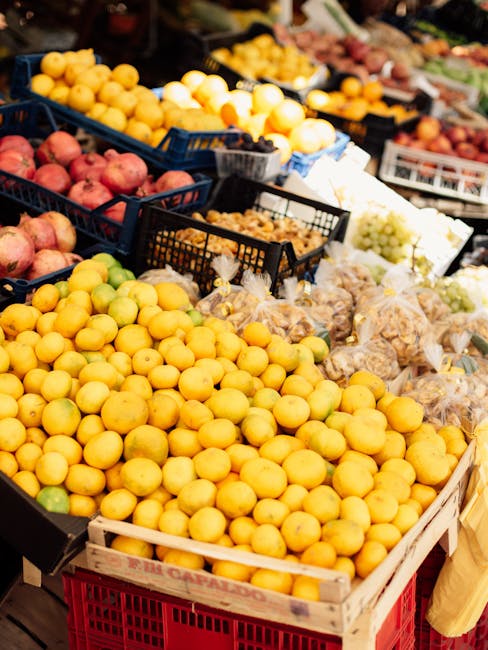
Practical tips: bring reusable bags and arrive early for the best selection. If you buy in quantity (cheese, oil), ask whether the vendor can vacuum-seal items for travel — it’s commonly offered and useful for travellers. Prices are usually fixed; haggling is limited but possible for bulk purchases (for example, a €3–€5 discount on 3–5 kg of olive oil depending on the season).
What to watch for: small bottles of “artisan” olive oil sold at €8–€12 for 250 ml can be genuine, but check the label (designations such as “extra djevičansko ulje” indicate extra virgin). Be wary of glass bottles labelled only in English, especially if the price is low (€5–€7) — they may be blends of uncertain origin.
2) Foša Fish Market & Riva stalls — Fish, seafood and preserved sea products
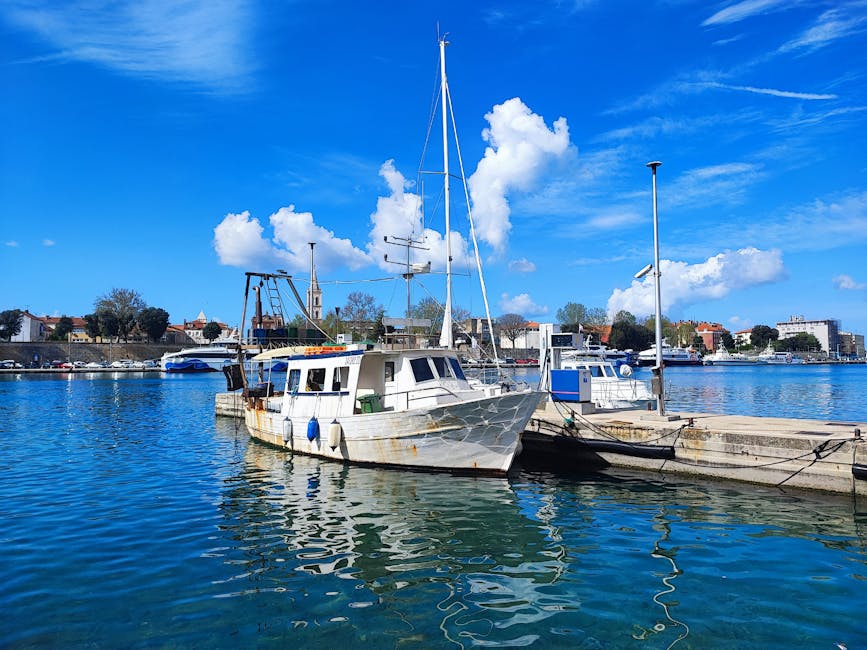
Address: Foša (Poluotok Foša), 23000 Zadar, Croatia. Opening hours: fresh fish and seafood daily from 06:00 to 11:00 (best time 06:30–09:00), some Riva shops open 09:00–19:00. The Foša area, near the waterfront and the city walls, welcomes fishermen at dawn. You’ll see the day’s catch displayed on ice — everything from mussels to whole octopuses, sea bream and mackerel.
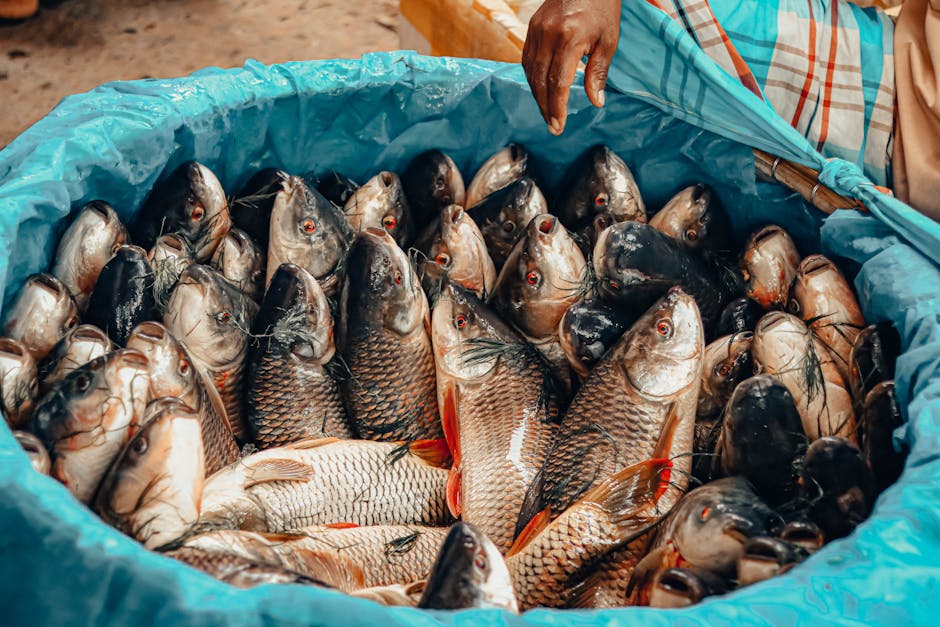
Immersive description: the slanting seaside light makes fish shimmer on the ice. Stalls list sardines (sardela) around €6–€10/kg, sea bream (orada) €10–€18/kg, octopus (hobotnica) sold at €12–€25/kg depending on size, and local mussels €3–€6/kg. Many small stands also offer ready-to-eat preparations: grilled calamari €8–€12 a portion, octopus salads €7–€10.
Local tips: if you buy raw fish to cook, ask the seller to clean and fillet it (often charged €1–€3). For air travel, ask for vacuum sealing or an insulated box; local fishmongers are used to tourists and will adjust packaging for an extra €2–€5. Reference price for a homemade dinner for two: 3–4 medium grilled fish plus sides for €20–€35 if you prepare it yourself.
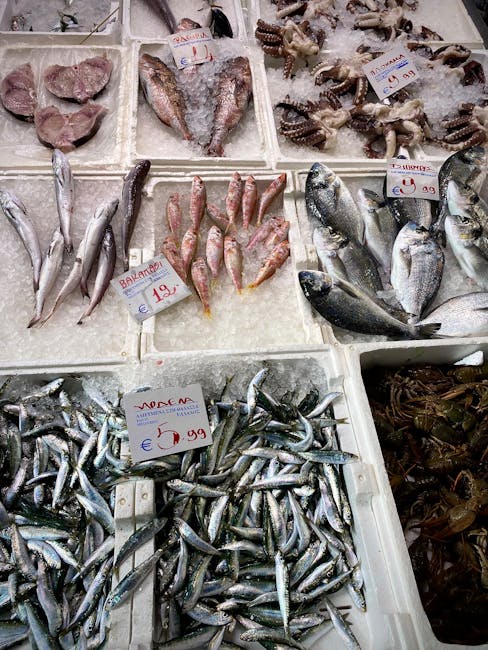
Note: some stalls near the Riva sell dried marine-inspired items (shells, small decorative nets) clearly targeted at tourists (€3–€15). These products are often lower in artisanal value and bought wholesale. For preserved seafood products (house-made anchovy pastes, salted fillets), check the canning date and the stated origin on the label.
3) Souvenirs and handicrafts in the old town — Between tradition and tourist merchandising
Main areas: Narodni trg (People’s Square), Trg Petra Zoranića, Ulica Kalelarga, near the Land Gate (Kopnena vrata). Opening hours: shops and tourist stalls typically 09:00–21:00 in high season (June–September), reduced hours in low season. This section covers small shops and street vendors that fill the historic lanes and main squares.
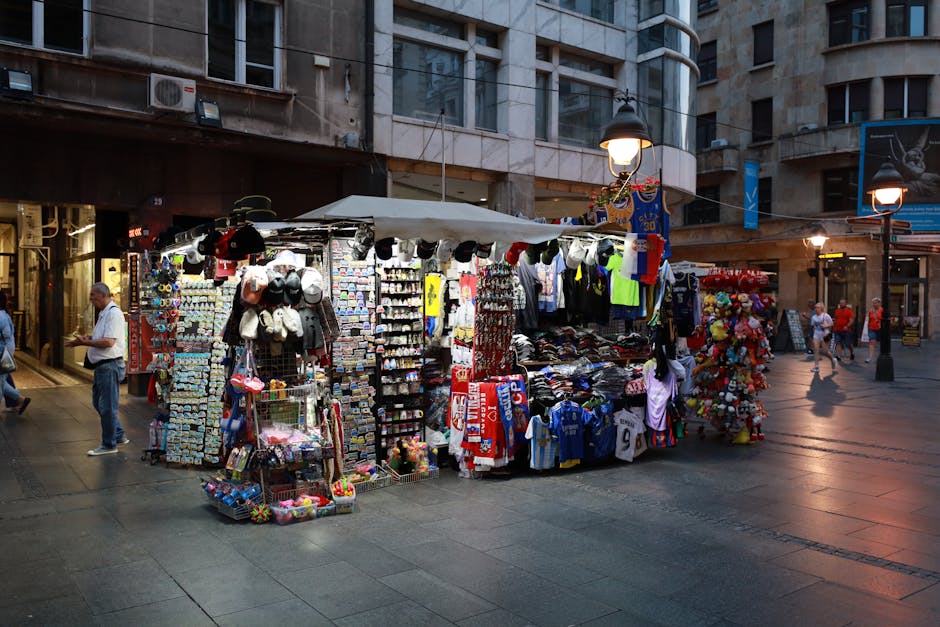
Immersive description: crossing Narodni trg you’ll find typical items: Pag lace (Paška čipka) sold as doilies and scarves, often €25–€120 depending on complexity; Maraschino liqueur produced in Zadar, 0.5 l bottles €12–€25; artisanal olive-oil soaps scented with lavender or rosemary €3–€6 each. Magnets and keychains sell for €2–€6 each. Mother-of-pearl jewellery, often imitating local styles, ranges from €15 to €60.
Important differences: authentic handicrafts (e.g. handmade lace) usually command a higher price and come with a small information card about origin. Cheaper versions (€10–€30) are often machine-made or repackaged. Well-identified specialist shops — for example those linked to local workshops — will indicate the production address; sometimes you can see the workshop from the street.
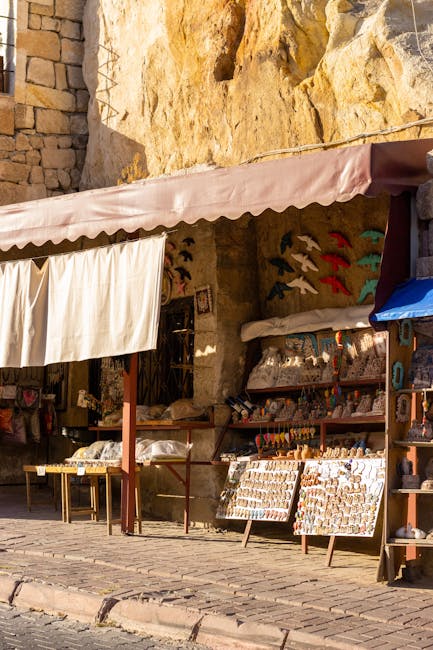
Buying tips: if you’re interested in lace or textiles, ask to see the certificate of origin or photos of the making process. Maraschino vendors often offer free tastings. For soaps and oils, smell the product and prefer packaging that lists the percentage of olive oil. For low-cost souvenirs (magnets, t-shirts), compare 2–3 shops before buying — prices can vary 30–50% for identical items.
4) Pop-up markets and seasonal fairs — Local produce, street food and contemporary crafts
Typical locations: Trg Petra Zoranića, Ulica Široka, Foša and along the Riva. Opening hours: seasonal events (night markets, food fairs, Christmas markets) during summer and holidays — often 17:00–23:00. These markets let local producers and artisan start-ups test products with tourists: jams, tapenades, homemade cookies, as well as contemporary jewellery and upcycled textiles.
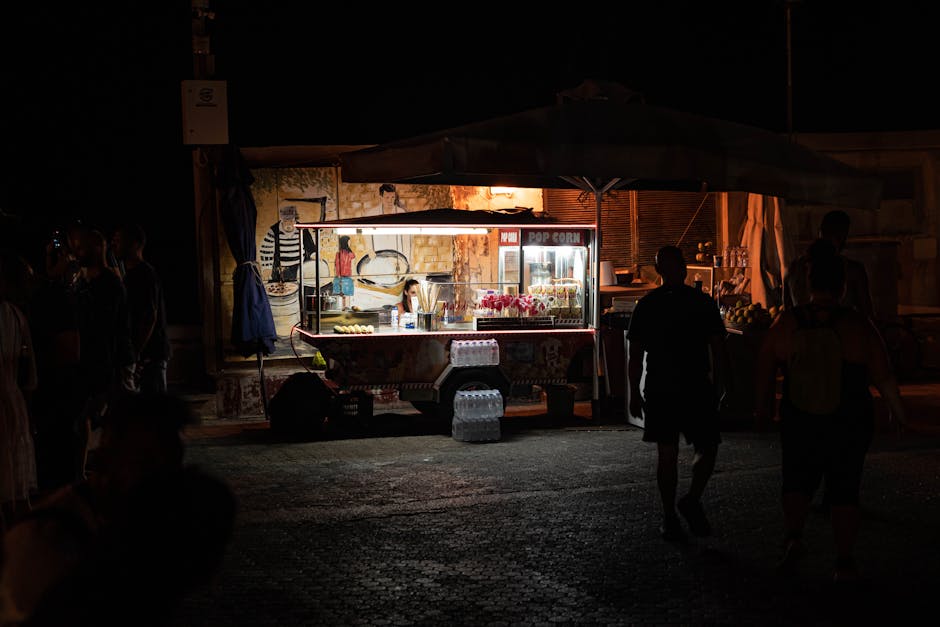
Immersive description: at a night market the walk turns festive. Stalls offer Dalmatian pancakes, ćevapčići (small meat sausages) street-food portions (€4–€6), glasses of local wine (0.1 l — €2–€4) and plates of sheep’s cheese for snacking. Makers display modern creations: recycled leather bags (€50–€120), painted ceramics (€20–€60), and local photography (€10–€40). Night markets are an excellent place to taste wines from Benkovac and Pag — bottles €8–€20 depending on producer.
Practical tips: bring cash for small stands (many accept cards now, but not all). Take advantage of demonstrations: some workshops run short sessions where you can learn to braid a bracelet or press olives to make a small sample of oil (usually a token fee of €5–€12). Pop-up markets are also great for spotting new products before they reach tourist shops.
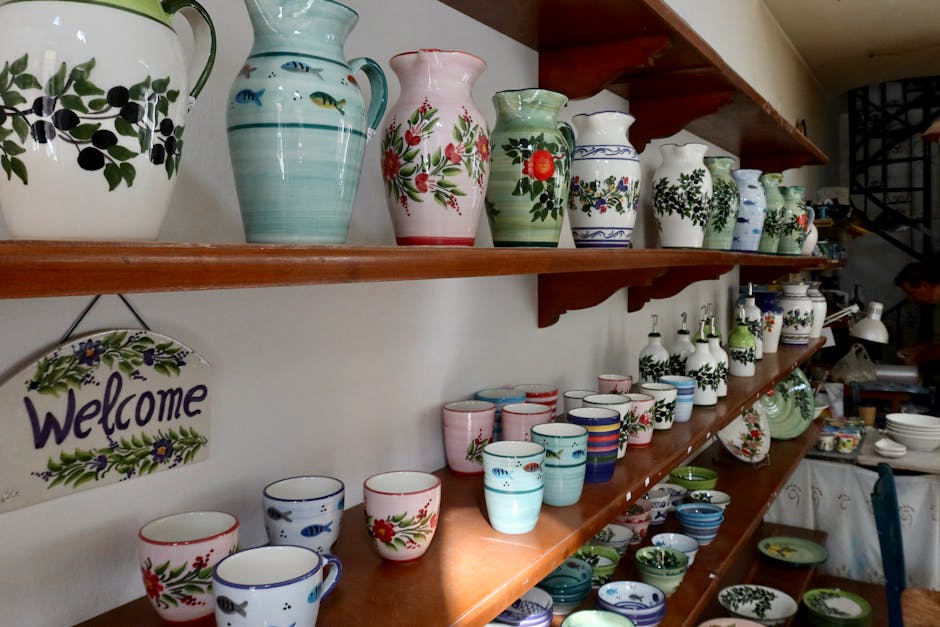
Note: prices at seasonal markets can be slightly higher than what producers charge at the covered market because they include space and service costs. Still, you’re often paying for the experience — music, lighting, atmosphere — and the quality is frequently more artisanal than permanent tourist stalls.
Conclusion — How to shop smart in Zadar and bring back meaningful items
Visiting Zadar’s markets is a sensory experience full of sea air, sunshine, dried herbs and warm bread. The savvy shopper will recognise four main dynamics: (1) fresh local produce (best early morning at Trg Petra Zoranića and Foša), (2) authentic traditional crafts (Pag lace, Maraschino, extra virgin olive oil) found in specialist shops or craft fairs, (3) tourist stalls that repackage industrial products under local-style packaging and (4) contemporary initiatives at night markets and fairs, often delivering innovation and quality.
Final tips: plan food purchases with transport rules in mind (vacuum-seal items, choose aged and pre-wrapped cheeses, check airline rules for liquids and fresh products). Prefer buying food at the covered market (Trg Petra Zoranića 1) in the morning for freshness. For crafts, ask about origin and how items were made — a short conversation will help you spot authenticity. Finally, remember most vendors appreciate politeness and a few local words (hello — « dobar dan », thank you — « hvala »).
Beyond sticker prices and brochures, Zadar’s markets are a window onto Dalmatian culture: land products, sea flavours and textile know-how. With these reference points you’ll be able to tell what’s worth the investment (a 500 ml bottle of extra virgin olive oil €12–€20, a chunk of Paški sir €18–€28/kg, a bottle of Maraschino €12–€25) and what’s mainly merchandising (keychains, magnets €2–€6). Happy shopping and great discoveries as you wander Zadar’s lanes and quays!