





Introduction — Why Zadar and how this month-by-month guide will help you
Zadar, a gem on Croatia’s Dalmatian coast, packs history, culture, sea and authentic local life into a surprisingly compact area. Located in the Lika-Senj region, Zadar features on many travelers’ routes who want to combine beaches, Roman and Venetian heritage, Mediterranean cuisine and quirky experiences like the Morske orgulje (Sea Organ) and Pozdrav Suncu (Greeting to the Sun). Rather than treating Zadar as a one-size-fits-all destination, this month-by-month guide will help you decide when to go depending on what you want: swimming and festivals, quiet autumnal olive groves, or wintry cultural escapes.
This guide is practical, detailed and designed for use on the ground. For each time of year you’ll find:
- a description of the climate and local vibe;
- a list of recommended activities (sights, swimming, day trips);
- exact addresses for must-see and useful spots;
- opening hours and prices shown in euros so you can plan your budget;
- local tips to avoid crowds, save time or make the most of a day depending on the weather.
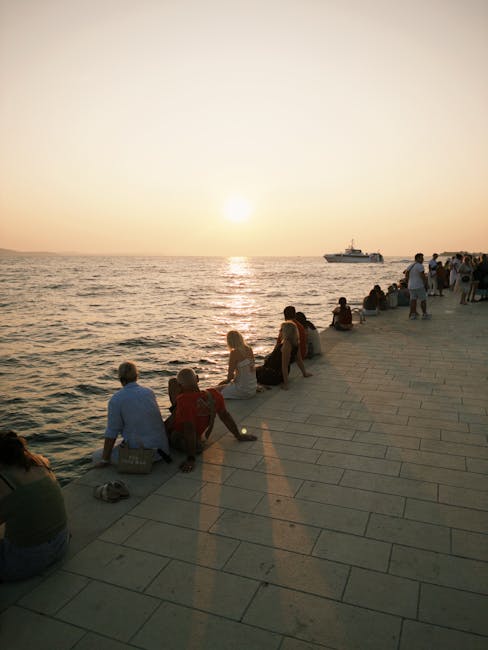
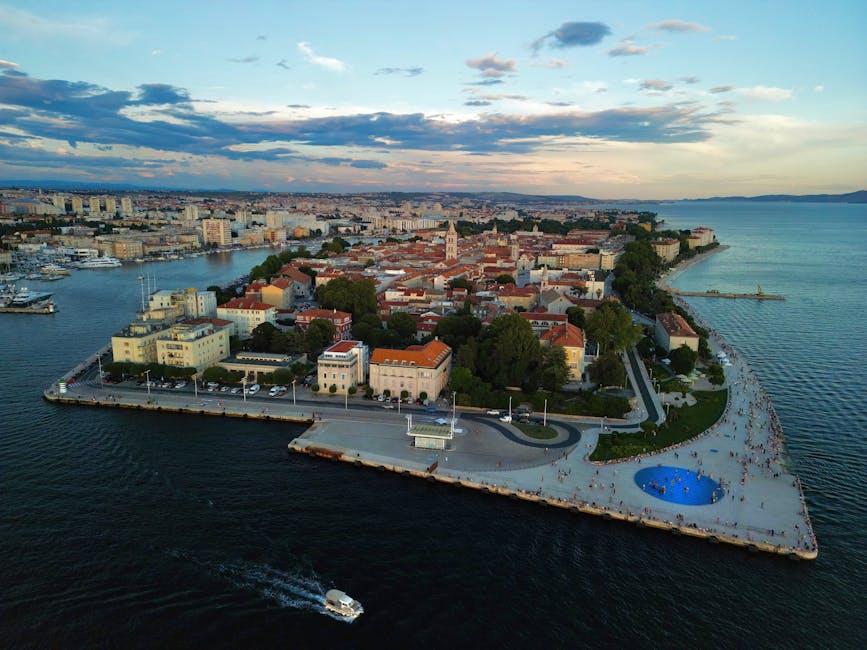
Zadar’s geography and urban layout create captivating contrasts: a lively seafront (the Riva), tight medieval streets, Roman remains, and contemporary installations facing the sea. The Sea Organ (Morske orgulje) and Greeting to the Sun (Pozdrav Suncu) are two unique sound-and-light experiences that draw visitors at sunset. Beaches like Kolovare or Puntamika offer clear waters, while the hinterland has nature parks and olive-growing villages. This guide will walk you through the year so you can pick the best time to match your priorities: solitude, swimming, local festivals, sunset photography, or off-season museum visits.
January to March — low season, rich in history and calm
January, February and March are Zadar’s low season: cool temperatures (around 2–12 °C), occasional rain and shorter days. This period is perfect if you’re after cultural discovery, peace and savings on accommodation. The old town’s streets are almost empty, turning visits to monuments into an intimate experience.
Things to do:
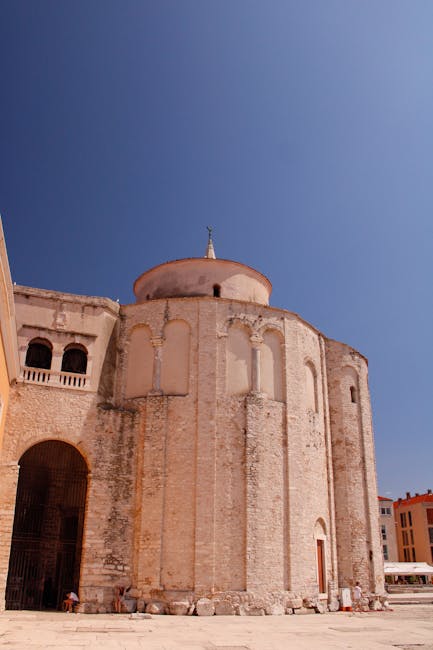
- Visit the Church of St. Donatus (Crkva sv. Donata) — Trg Petra Zoranića 3, 23000 Zadar. Opening hours: generally 09:00–17:00 (hours may vary on public holidays). Entry: often free for the building; temporary exhibitions 3–5 € depending on the event. Why go: the 9th-century circular architecture is dramatic against a winter sky — very photogenic and peaceful.
- St. Anastasia’s Cathedral (Katedrala sv. Stošije) — Trg Pet bunara 1, 23000 Zadar. Hours: 08:00–18:00 (bell tower visits 10:00–16:00). Fee to climb the tower: around €3.50 for adults. Why go: winter views over the rooftops and the harbor; soft light for photographers.
- Museum of Ancient Glass (Muzej antičkog stakla) — Obala kralja Petra Krešimira IV 1 (Riva), 23000 Zadar. Hours: 09:00–17:00, closed Mondays. Entry: around 4–6 € (adult ticket).
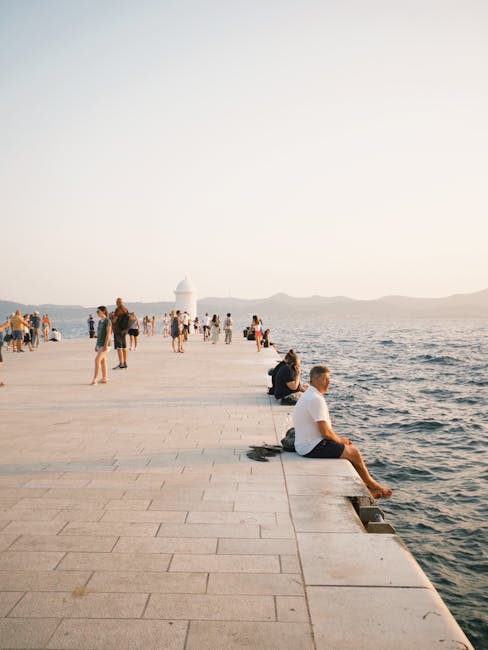
- Walk the Riva — Riva (waterfront), 23000 Zadar. Access: free, 24/7. Why go: the Sea Organ plays year-round; hearing its sea-driven notes on a cold winter morning can be surprisingly moving.
Local tips:
- Bring a windbreaker and slip-resistant shoes: the quays can be wet and windy.
- Fish restaurants are less crowded: take the chance to try slow-cooked dishes and smoked fish. Example: Restaurant Pet Bunara — Ulica Petra Zoranića 2, 23000 Zadar. Hours: 12:00–23:00. Main fish dish: €12–20.
- Transport: Zadar Airport (Zračna luka Zadar) is 8 km away. Address: Zadar Airport, Ul. Zračne luke 1, 23231 Zemunik Donji. Shuttle bus: around €1.50–3 per trip, with reduced frequency in winter.
April to June — spring: blooms, events and warming temperatures
April, May and June are among the best months to visit Zadar if you want a pleasant climate and plenty to do. Temperatures rise steadily (12–25 °C), the sea starts to warm up (18–22 °C in June) and the city comes alive with markets, exhibitions and concerts. Prices remain reasonable compared with high season, and the spring light is excellent for photography.
Things to do:
- Concerts and strolls at the Sea Organ (Morske orgulje) — Riva (waterfront), 23000 Zadar. Access: free; a natural instrument played by the sea. Best time: sunset, especially in May–June.
- Greeting to the Sun (Pozdrav Suncu) — Riva (next to Sea Organ), 23000 Zadar. Works at night (LED lighting). Free and spectacular at dusk; plan several visits to capture different lighting moods.
- Day trip to Kornati National Park — Departures from Gaženica Port (Luka Gaženica, 23000 Zadar). One-day trips: about €40–80 depending on the boat (sometimes lunch included), duration 6–9 hours. Bookings recommended from April to June.
- Kolovare Beach — Put Kolovare, 23000 Zadar. Free access; sunbed rental €5–10 / day, umbrella €8–12.
Practical tips:
- Museums (City Museum of Zadar, Archaeological Museum) often extend opening hours in May–June; check online before you go. Museum fees: generally €3–6.
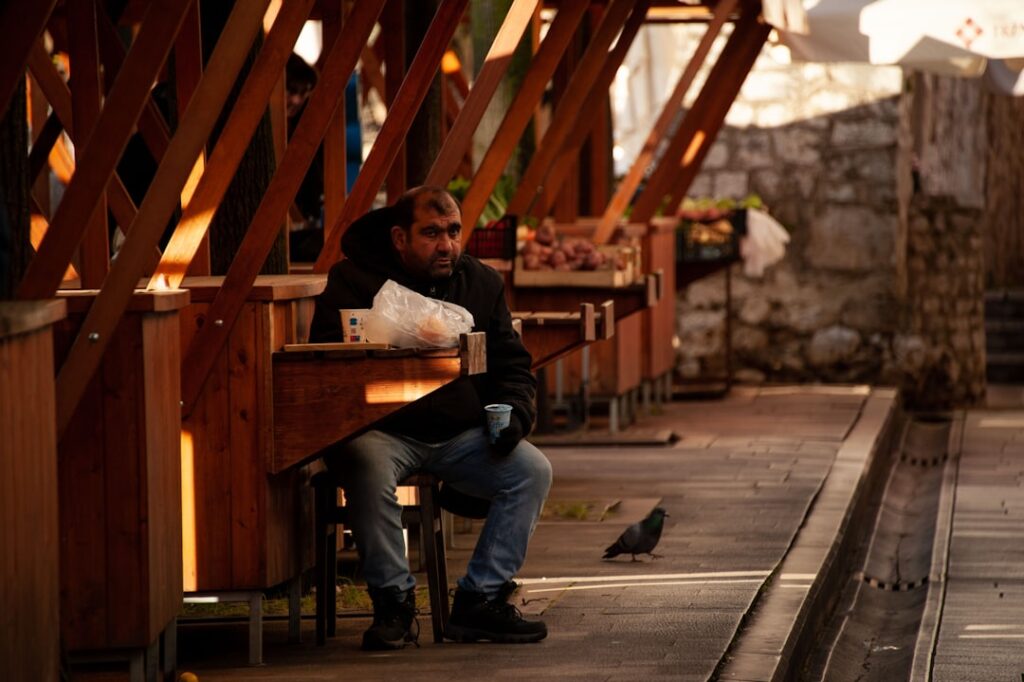
- May is ideal for local markets (Market on the Foša) and the fish market (Ribarnica) without the summer crowds. Fish market hours: usually 06:00–10:00 daily.
- If you visit the cathedral, try to climb the bell tower in the morning (10:00–12:00) to avoid queues and get soft light for sea and tile-roof photos.
July to September — high season: beaches, festivals and full sun
July, August and September are Zadar’s high season. This is the time for warm seas (24–27 °C) and a packed cultural calendar: music festivals, open-air concerts and food events. Expect heavy crowds, higher accommodation prices and the need to book well in advance.
Highlights and key spots:
- Sea Organ and Sunset Experience — Riva, 23000 Zadar. Sunsets draw crowds; arrive 45–60 minutes before sunset for a good spot (especially in August). Free.
- Zadar Summer Festival (ZADAR Summer Nights and music programs) — various venues around the Riva and the Roman Forum. Tickets for paid events: €10–50 on average.
- Popular beaches — Kolovare (Put Kolovare, 23000 Zadar), Borik (Ul. Vice Vlatkovića, 23000 Zadar) and Puntamika. Facilities: showers, paddle and kayak rentals; equipment hire €10–25 / hour depending on gear.
- Day trips to Plitvice Lakes National Park — Day tours from Zadar: €45–90 depending on transport and guide (duration ~7–10 hours). Departures usually early morning (06:30–07:30) to avoid heat and crowds.
Local tips:
- Book restaurants and excursions at least 2–3 weeks ahead in July–August. Restaurant Foša (Foša 1, Riva, 23000 Zadar) is popular; fish dishes €18–35.
- To avoid the crowds at the Sea Organ, visit early morning or late at night; still, the sunset remains the most beloved experience despite the crowds.
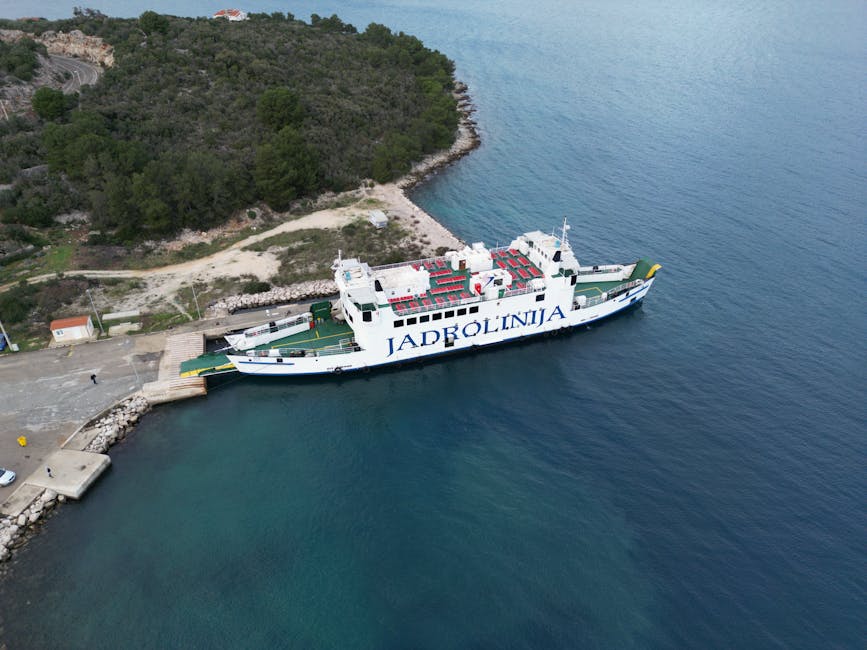
- Transport: Zadar ferry terminal (Luka Zadar / Gaženica Port, 23000 Zadar) is very busy. Check ferry schedules for nearby islands (Ugljan, Pašman); fares €4–10 depending on distance.
October to December — autumn and early winter: colors, harvests and regained calm
October, November and December mark the golden season and the slide into winter. October often brings mild weather (15–22 °C) and pleasant days for hiking and exploring. November and December cool down (5–12 °C), but the city stays lively with year-end markets, heated restaurants and a more intimate local vibe.
Things to do:
- Coastal walks and sunset watching — The Riva and the city walls offer dramatic autumn sunsets. Free access, with fewer people and great light.
- Olive oil tastings and visits to olive groves — The Zadar hinterland (nearby islands and around Nin) offers tastings; tour prices: €10–25 per person depending on the format (tasting included).
- Christmas markets and local crafts — November/December: stalls on Narodni trg (People’s Square) and around the cathedral; handcrafted gifts €5–30.
- The Sea Organ (Morske orgulje) still plays in winter — great for a meditative, crowd-free experience away from the summer bustle.
Practical tips:
- From November to March, some boat services to the islands run less often; plan trips accordingly.
- Shops may close earlier in December; however, traditional restaurants usually stay open and offer seasonal menus (stews, smoked fish, local sweets).
- If you want private guided tours (history, architecture), this is the ideal time to negotiate intimate tours at reduced rates (around €15–40 / hour depending on the guide).
Practical tips and useful info year-round
Transport:
- Airport: Zadar Airport (Zračna luka Zadar) — Ul. Zračne luke 1, 23231 Zemunik Donji. Shuttles, taxis and car rentals available. Shuttle bus to the center: €1.50–3 (as of 2024). Taxi from the airport to the city center: €15–25 depending on traffic.
- Ferries and ports — Luka Gaženica, 23000 Zadar (Port of Zadar). Island fares: about €4–12 depending on destination. Book in high season.
Health & safety:
- Croatia is an EU member; the European Health Insurance Card is useful for European residents. Pharmacies (Apoteka) are in town with extended daytime hours and some night/weekend on-call pharmacies.
- Avoid leaving valuables on the beach; use hotel safes or closed bags. Zadar is generally safe, but opportunistic thefts can occur in summer.
Currency and spending:
- Croatia has used the euro (EUR) since 2023. Typical costs: coffee €2–3, mid-range meal €12–25, fish dishes €15–35, gelato €2–4.
- For museums and attractions: expect €3–8 per entry outside major exhibitions; some churches ask for a small contribution to help maintain monuments (€2–4).
Conclusion — Pick the best time based on what you want
Zadar adapts to very different interests depending on when you visit. If you’re after tranquility, cultural discovery and savings, winter and spring (January–March and October–December) will offer an authentic, calm experience. For swimming, sea activities and a festive atmosphere, high summer (July–August) is unbeatable—but you’ll need to book well in advance and accept the crowds. Spring (April–June) and autumn (September–October) strike the ideal balance: pleasant weather, moderate crowds, stunning landscapes and more reasonable prices than peak summer.
This month-by-month guide should help you plan according to your priorities: quiet panoramas for photographers, warm water and festivals for beach lovers, or a slower pace and museums for heritage buffs. Remember to check up-to-date opening hours and prices before you travel (museums and some sites adjust their schedules seasonally) and to reserve excursions and restaurants during high season. Finally, take the time to listen to the Sea Organ at least once: this unique acoustic experience on the Riva, often accompanied by the light show of the Greeting to the Sun, captures the spirit of Zadar — a place where the sea speaks to stone and every hour reveals a different side of Adriatic beauty.