





Introduction: Why a month-by-month guide for Zadar?
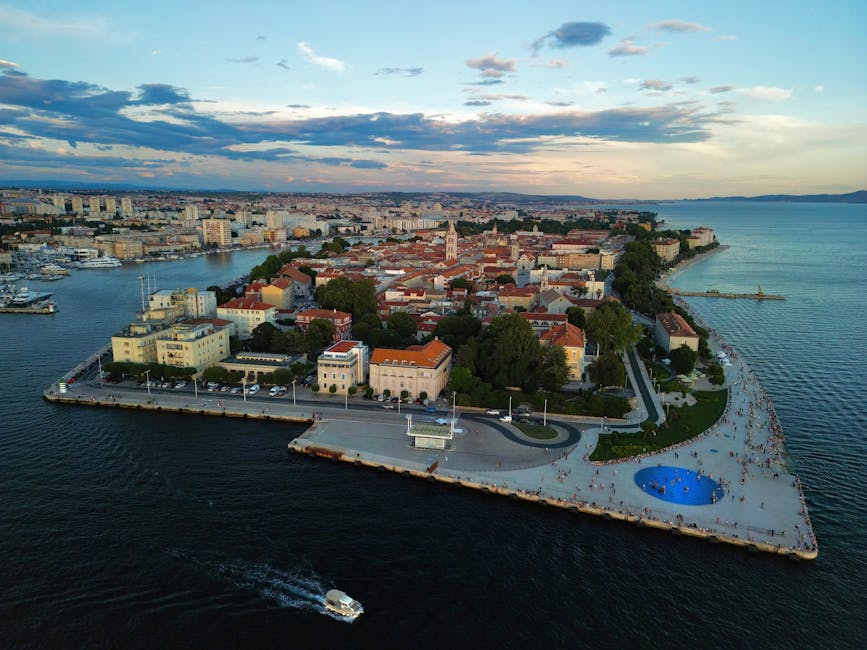
Zadar is a Croatian city on the Adriatic coast, steeped in Roman and Venetian history, dotted with medieval churches and modern waterfronts where the sea talks back to the architecture. Picking the right month to visit can turn a simple getaway into an unforgettable experience: some months have sun-drenched beaches, others are full of cultural and food festivals, and some let you explore the Old Town without the summer crowds. This month-by-month guide is designed to help you answer the question every careful traveler asks: “Which month should I choose based on what I want?”
We’ll look at Zadar from several angles: weather, tourist crowds, rough costs, local events, sea activities, cultural sights and practical tips (transport, lodging, restaurants). Each section mentions specific places with addresses, typical opening hours and indicative prices in euros, so you can plan without surprises. Iconic attractions like the Sea Organ (Morske orgulje) and the Greeting to the Sun (Pozdrav Suncu) are free but feel different depending on the season; some museums and excursions have set fees and seasonal schedules.
This guide isn’t just about facts: it aims to immerse you in Zadar’s atmosphere. Expect sensory descriptions: the rasp of waves at dusk, the smell of grilled fish by the harbor, warm stone underfoot in medieval alleys, and sunsets that have earned the town an international reputation. Plus, you’ll find local tips to make the most of your days: how to avoid the midday heat in summer, where to book a boat to the islands, which beaches are family-friendly, and the best times to visit the Cathedral, the Museum of Ancient Glass or the Roman Forum.
Before we dive into the month-by-month calendar, here’s what to keep in mind: summer (June–August) is high season for beaches and festivals; June and September offer a great compromise with fewer crowds and warm sea; spring (April–May) is ideal for hiking and cultural discoveries; autumn (October) still often has pleasant water and brings grape harvests and food events. Winter (November–March) is the quietest time — perfect for slow travel, lower prices and bracing seaside walks.
April – May: Active spring — culture and hiking
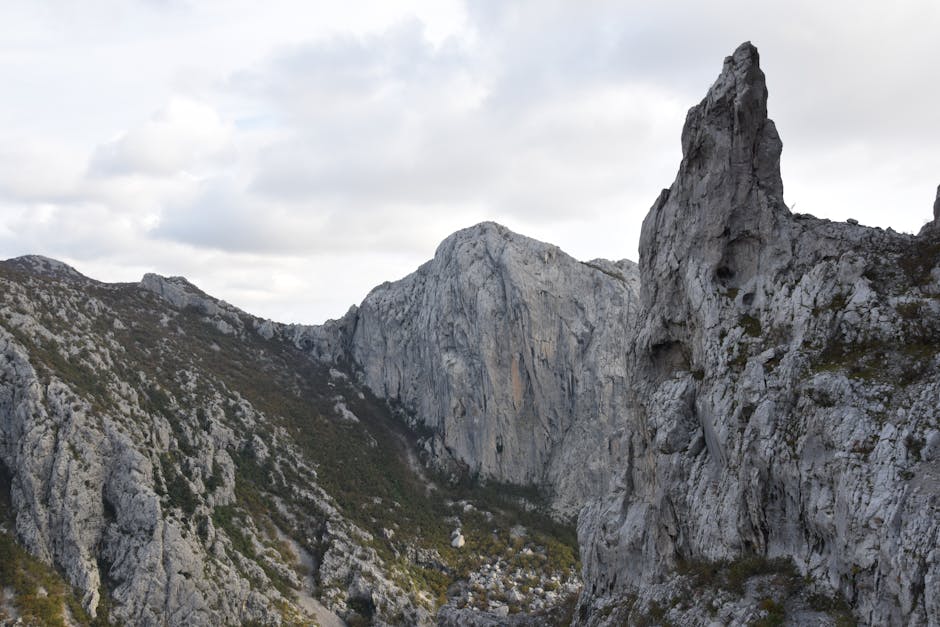
Why pick April or May? These months offer one of the best experience-to-value ratios for visiting Zadar: mild temperatures (average 12–20°C), blooming landscapes, moderate prices and still-manageable crowds. The Old Town’s alleys are easy to stroll without summer heat, and beaches start to be usable for the adventurous. It’s also a great season for coastal trails and nearby national parks like Paklenica National Park and the Kornati National Park.
Don’t miss:
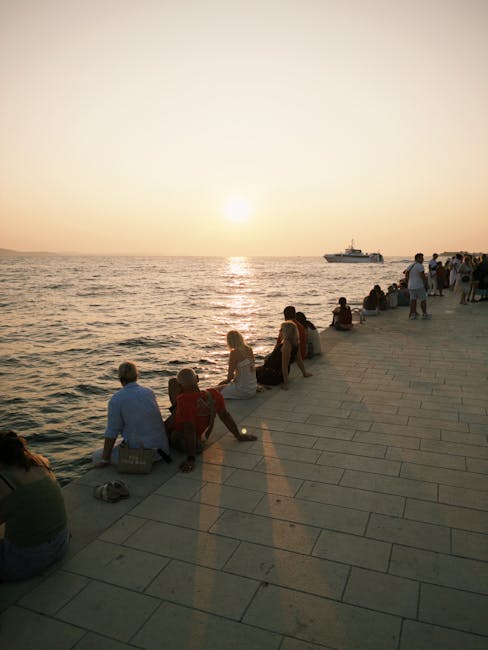
- Sea Organ (Morske orgulje) – Riva, 23000 Zadar, Croatia. Free access. Description: this sound instrument built into the promenade plays sea-music as waves push air through pipes; in spring the sounds are softer but very clear. Perfect for an evening stroll. Tip: bring a light jacket—sea breezes can be cool at night.
- Greeting to the Sun (Pozdrav Suncu) – Obala kneza Branimira, 23000 Zadar, Croatia. Free access. A circular photovoltaic installation that lights up after dark. In spring, long afternoons and soft light create great photo opportunities.
- Museum of Ancient Glass – Obala kralja Petra Krešimira IV 2, 23000 Zadar. Hours: April–May typically 10:00–18:00 (check locally). Price: around €6–8 (reduced ~€4 for students/seniors). Description: a collection of Roman glassware, with glassblowing demos in high season.
- Roman Forum and Cathedral of St. Anastasia – Trg Petra Zoranića 1, 23000 Zadar (main address by the historic square). Hours: 09:00–17:00 (may vary). Bell tower visit price: ~€3–5. Description: the Romanesque cathedral is less crowded in spring; climbing the tower gives panoramic views without long lines.
Recommended activities: hiking in Paklenica (park entry ~€8–15 depending on the trail), half-day boat trips to the Kornati (prices €35–€70 depending on the operator), cycling along the Riva promenade. Practical tips: book car rentals or excursions in advance on weekends since locals also take May long weekends; bring hiking shoes for karst trails and a windbreaker for the coast.
June – August: High summer — beaches and festivals
June through August is Zadar’s high season. Temperatures range from 25°C to 35°C, the Adriatic is at its warmest, and the town fills with beachgoers, nightlife seekers and festival crowds. If you love a lively atmosphere, terrace dining and lots of swimming, summer is your season. Keep in mind, though, that accommodation prices and bookings for restaurants and excursions rise noticeably.
Top spots and activities:
- Kolovare Beach (Plaža Kolovare) – Kolovare, 23000 Zadar. Public access. Description: the main city beach close to the center, a mix of pebbles and developed areas, great for families thanks to services (showers, sunbed/umbrella rentals). Tip: get there early for a shaded spot; lifeguard coverage varies.
- Borik Beach (Plaža Borik) – Put Dikla 1, 23000 Zadar. Public areas and private resorts. Description: a larger beach with water-sport options (jetski, paddleboarding). Activity prices: jetski ~€40–€80/30min, paddle ~€10–€20/hour.
- Zadar Summer Theatre Festival – various venues around the city, mainly July–August. Prices: shows range from around €5 for street events to €30–€50 for plays or concerts. Description: a packed cultural calendar with open-air concerts and theater in the Old Town.
- Boat trips to the islands – Departures from Zadar port (Obala kralja Petra Krešimira IV, 23000 Zadar). Prices: day trips to the Kornati €50–€90, Dugi Otok trips to Sakarun beach ~€40–€70. Tip: book early—best companies sail early in the morning; bring strong sunscreen and a hat.
Tips for handling high season:
- Booking: hotel and apartment prices jump; book 2–3 months ahead for reasonable rates.
- Timing: visit sights early (09:00–11:00) or late afternoon (17:00–20:00) to avoid heat and crowds.
- Transport: the bus station and port get busy. The Zadar–Škoren (Sukosan)–Kornati ferry mainly runs in high season; check local timetables (often morning and midday departures, prices roughly €10–€50 depending on destination).
- Budget: expect to pay more for meals on terraces; a typical dinner in a konoba (traditional restaurant) can cost €20–€35 per person (main course + drink).
September – October: Gentle season — warm sea and harvest time
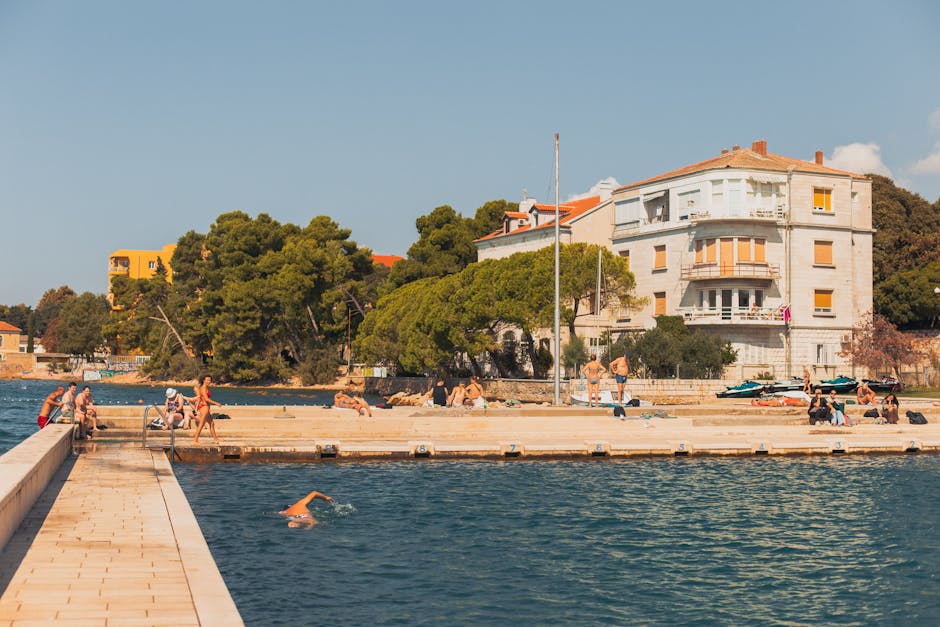
September is often regarded as one of the best months to visit Zadar: the sea stays warm (20–24°C), daytime temperatures are comfortable (20–28°C), and the tourist numbers drop significantly. In October the days shorten and the first rains arrive, but autumn light gives the Old Town’s stones a special glow. These months suit travelers who want a mix of swimming, cultural discovery and local gastronomy.
Activities and places to favor:
- Local markets and gastronomy: Gruž market (local market) and small stalls near the harbor sell fresh produce, fish, olives and cheeses. Example: Zadar Market (Poljoprivredni Tržnica) – Ul. kneza Trpimira/Trg Petra Zoranića, 23000 Zadar. Hours: usually mornings, especially until around 13:00. Tip: try pršut (Dalmatian cured ham), local olive oil and regional wines (Dingač, Plavac Mali).
- Harvest & wine events: in September–October you’ll find small wine and harvest festivals in the area (Kornati, Nin, Bibinje). Prices: tastings typically €10–€30 depending on the event. Bookings recommended for winery visits.
- Cultural exploration: visit the Archaeological Museum Zadar (Trg opatice Čike 1, 23000 Zadar). Hours: often 09:00–17:00 (check locally). Price: ~€5–€8. Description: collections from prehistory through Roman and medieval periods.
Practical tips: in September boat tours still run but on reduced schedules; you can often negotiate better prices. In October, check museum and attraction hours since some reduce opening times off-season. For photography, autumn light is ideal for capturing stone textures and dramatic sunsets at the Sea Organ and Greeting to the Sun.
November – March: Low season — quiet and great value
November through March is Zadar’s low season. Many accommodations offer reduced rates, the streets are nearly empty and the city feels more local. Temperatures range from 5°C to 15°C depending on the month, the sea is cold and swimming becomes an exception (for the brave). This period suits travelers looking for calm, low prices, deeper cultural visits and winter hiking.
What you can do in low season:
- Slow cultural visits: enjoy museums (Museum of Ancient Glass, Archaeological Museum) and the Cathedral in a more intimate setting. Local guides may offer private tours at negotiable rates. Winter hours are often reduced (check ~10:00–16:00). Reduced prices: some sites offer lower winter rates (~€3–€6).
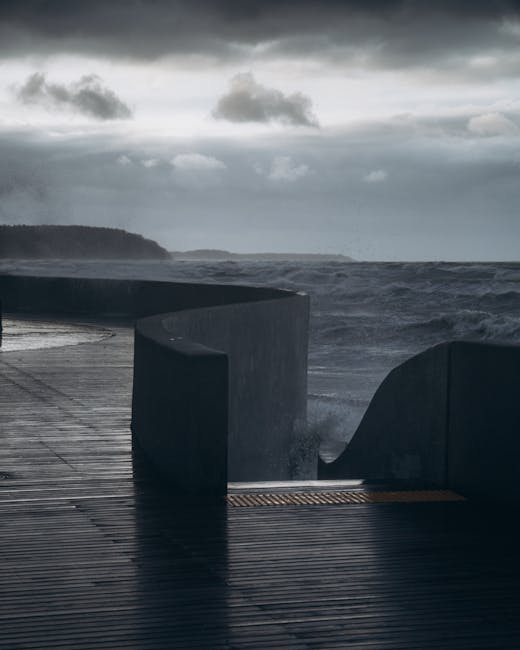
- Winter strolls along the Riva: the waterfront remains open, letting you appreciate the conversation between sea and sound installations (Sea Organ) without crowds. Photo tip: winter waves make dramatic audio-visual patterns for striking images.
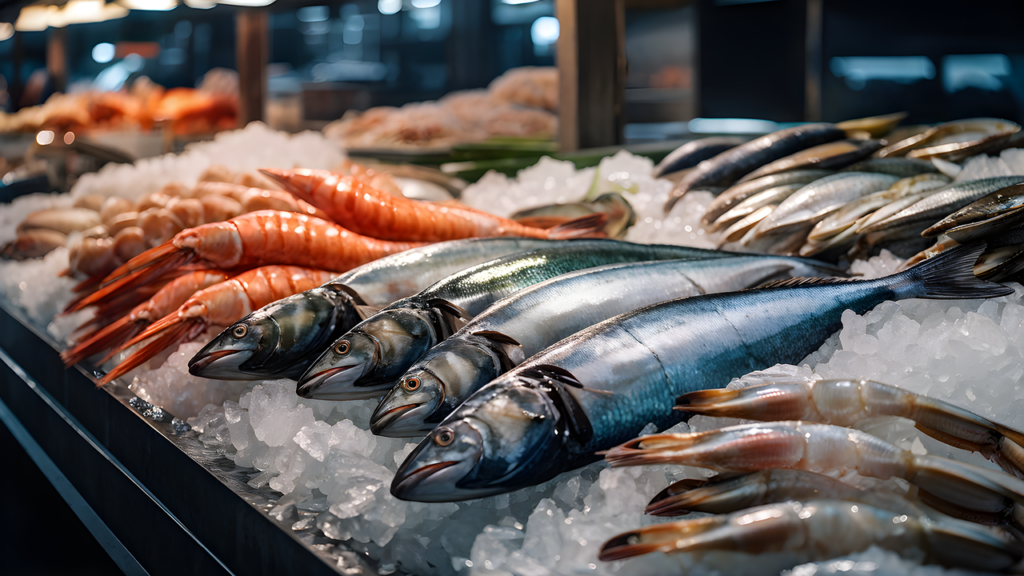
- Local food experiences: low season is perfect for exploring konobas and seafood restaurants without waits. Examples: Konoba Varos (Ul. Sv. Šime 6, 23000 Zadar) – seafood dishes ~€10–€25; Restaurant Bruschetta (Obala kralja Petra Krešimira IV 3, 23000 Zadar) – mains €12–€30. Typical restaurant hours: 11:00–23:00 but check locally.
- Winter events: Christmas market (December) with craft stalls and local specialties; occasional temporary ice rinks. Prices: entrance usually free, food and drink paid.
Winter travel tips: check the forecast before you go as days can be rainy and windy; prioritize waterproof shoes. Public transport runs less frequently outside high season: plan connections, especially for excursions outside the city (Paklenica, Plitvice). Finally, enjoy the opportunity to negotiate accommodation prices and have more genuine interactions with local shopkeepers, who are often more available for conversation.
Practical tips for all seasons: lodging, transport, safety
Accommodation: Zadar offers a wide range of places to stay: hostels, private apartments, 3–5 star hotels and villas. Typical rates:
- High season (June–August): hostel €20–€40/night, 3* hotel €70–€150/night, 4–5* hotel €120–€300/night.
- Shoulder season (April–May, September): hostel €15–€30/night, 3* hotel €50–€100/night.
- Low season (Nov–Mar): hostel €10–€25/night, 3* hotel €40–€80/night.
Booking via online platforms or contacting apartment owners directly can sometimes cut fees. For recommended areas, consider: the Old Town to be in the heart of history, Borik/Kolovare for families and beach access, and Diklo for a quieter residential vibe.
Transport:
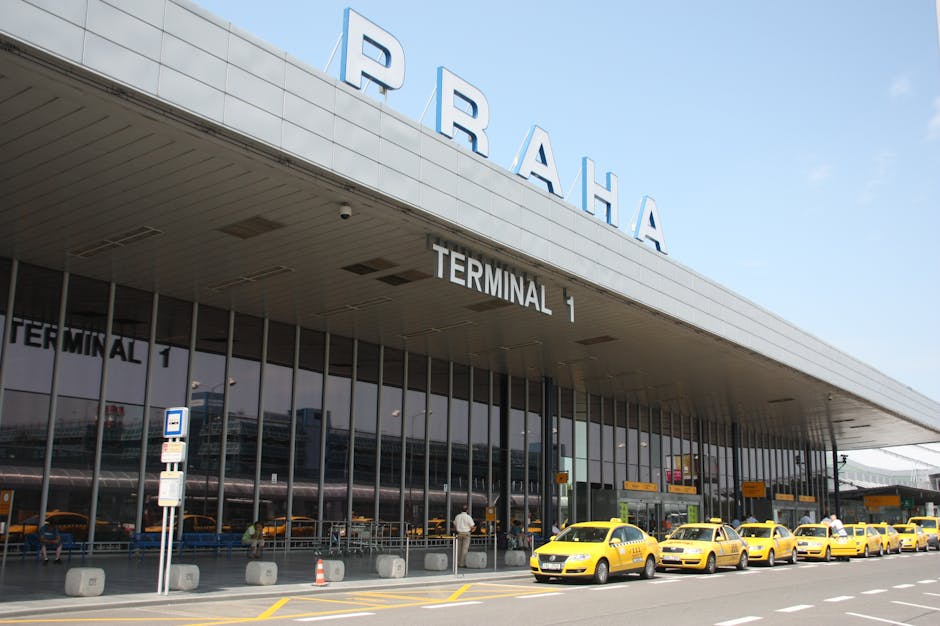
- Plane: Zadar Airport (Zračna luka Zadar) – Address: Ul. Zračna luka 1, 23000 Zadar. Taxi to Old Town ~€15–€25; shuttle bus ~€4–€6 per person. Check seasonal flight schedules.
- Bus: the central bus station (Autobusni kolodvor Zadar) – Address: Obala kralja Petra Krešimira IV 12, 23000 Zadar. Timetables vary by route; book long-distance trips in advance during high season.
- Ferries and excursions: main port (Obala kralja Petra Krešimira IV, 23000 Zadar). Prices and schedules change by season; for Kornati or Dugi Otok, pre-booking is recommended.
- Car: renting a car gives freedom to explore the hinterland and national parks. Paid parking near the Old Town; check blue/yellow zone rules and rates for the period.
Safety and health: Zadar is generally safe. Take usual precautions: watch your belongings in busy tourist spots, be alert for pickpockets in summer, and obey swimming signs (lifeguarded areas). Pharmacies operate on rotation for emergencies; main hospital: Opća bolnica Zadar – Ul. dr. Franje Tuđmana 6, 23000 Zadar.
Money and payments: Croatia uses the euro (€); cards are widely accepted, but carry cash for small shops and markets.
Conclusion: Which month should you choose?
Which month to visit Zadar really depends on your priorities. If you want beaches, buzz and festivals, aim for June to August: the water is warm, services are in full swing and the town is alive — but expect higher prices and crowds. For the best balance of pleasant weather, warm sea and fewer people, favor September (and sometimes June): it’s often the best value-for-experience month for most travelers.
If you love cultural discovery, hiking and spring atmospheres, April and May are excellent: mild weather, blooms and more opportunities for Paklenica trips or museum visits without the tourist pressure. For travelers seeking peace, savings and a more intimate local experience, low season (November–March) brings great rates and authentic encounters, provided you accept cold sea water and reduced opening hours for some attractions.
No matter which month you pick, some highlights will always be within reach: the waterfront promenade (Riva) with the Sea Organ (Riva, 23000 Zadar), the Greeting to the Sun (Obala kneza Branimira, 23000 Zadar) for postcard-worthy sunsets, museums like the Museum of Ancient Glass (Obala kralja Petra Krešimira IV 2, 23000 Zadar) for a historical deep-dive, and the Old Town’s alleys that reveal layers of history. Remember to check exact opening hours and prices before you go (the figures in this guide are estimates), and book popular activities during high season.
Finally, leave room for the unexpected: a chat with a local fisherman, a family offering you pršut, an impromptu boat ride to a hidden cove or discovering a tiny konoba off the beaten path can become the most precious moments of your trip. Zadar suits both organized tourism and aimless wandering fueled by curiosity — pick the month that matches your pace, and come back; the city has a way of revealing new facets with every visit.