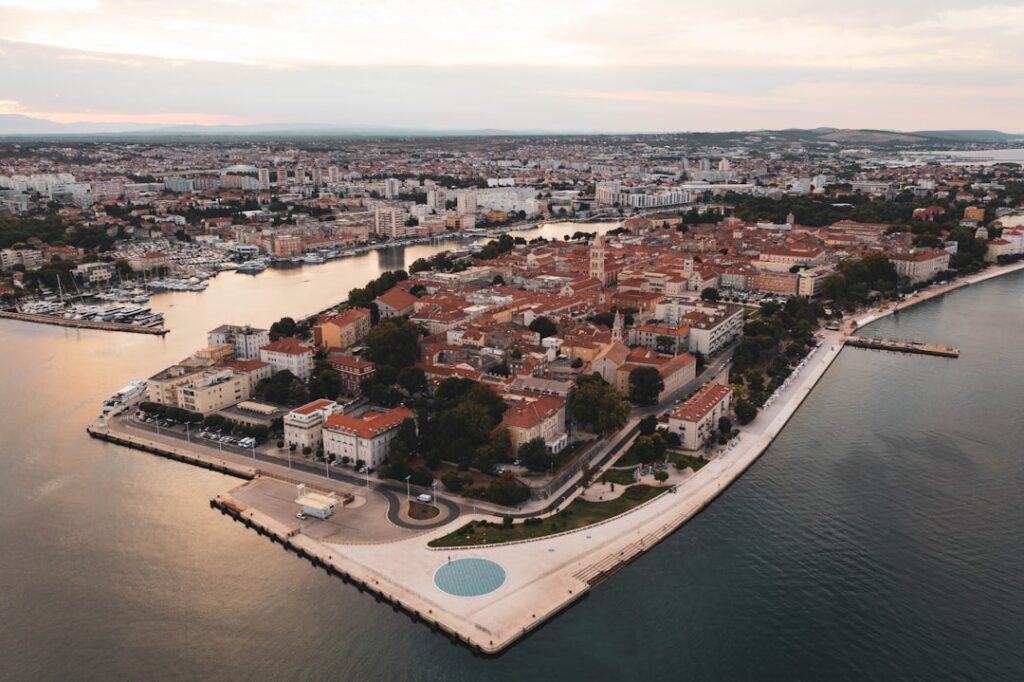






Introduction — Cultural Zadar: a Mediterranean microcosm away from the crowds
Zadar, anchored on Croatia’s Dalmatian coast, is often celebrated for its sunsets, sea organ and Roman ruins. Yet beyond the major tourist draws, the city hides a vibrant network of museums, artisan workshops and intimate cafés that make up its true cultural heart. This guide is for curious travelers who want to step off the beaten track and explore places where history, contemporary creation and everyday local life intersect.
Wandering the old town’s alleys or taking quieter streets, you’ll discover niche collections, studios where glass, ceramics and textiles are made, and family-run or young creative cafés. These spots offer not just objects to admire but stories: glassmaking traditions that go back to antiquity, crafts passed down after wartime, and post-socialist aesthetics meeting today’s European avant-garde.
This detailed guide gives precise addresses, typical opening hours, prices in euros and immersive descriptions for each type of venue—museums, workshops and cafés—chosen for their quality and atmosphere away from the crowds. You’ll also find practical tips to make the most of your visits: best days and times to go, how to approach artisans, how to book a hands-on workshop, and recommendations for pairing your discoveries with an authentic coffee break.
Keep in mind that opening hours and prices can change with the season (peak tourist season: June–September) and many small places close certain days of the week (often Monday). We list general time windows and euro prices based on the latest available info, but it’s always wise to double-check before you go via the official site or a phone call.
Above all, this guide focuses on experience: stepping into a small gallery where the lighting reveals ancient glassware, feeling wet clay in a pottery studio, or chatting with a café owner about Zadar’s culture. These micro-experiences are often what turn a tourist visit into a memorable immersion. Grab your notebook, bring your curiosity, and follow these routes to discover cultural Zadar—away from the crowds.
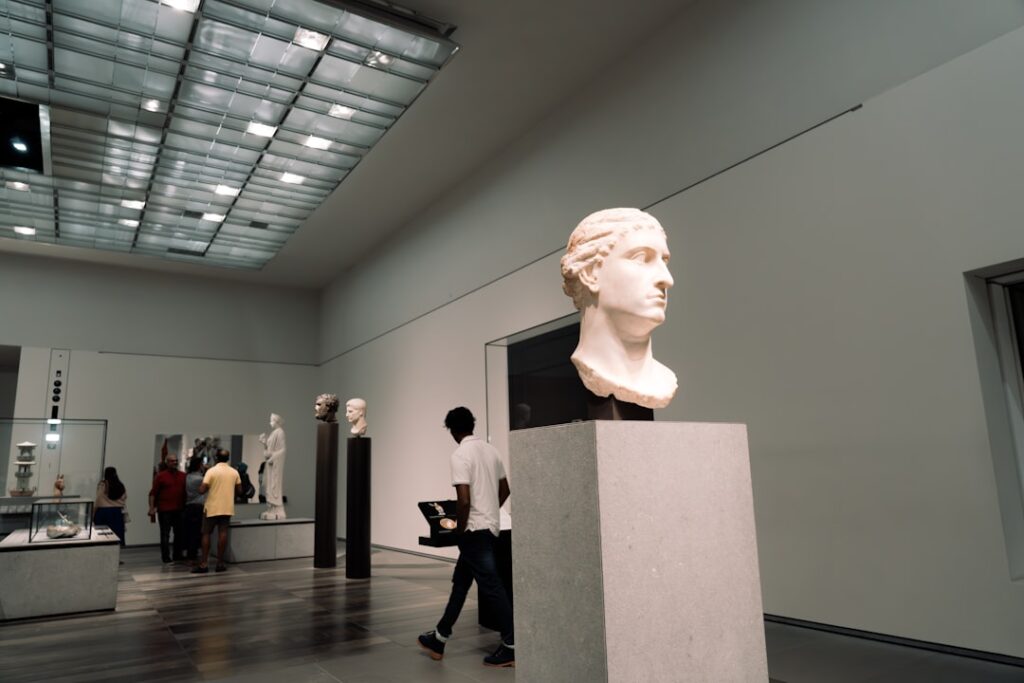
Hidden and specialized museums: gems to visit
Zadar has several small museums rich in history and rare objects. They don’t compete in size with major capital institutions, but their specificity makes them essential stops to understand regional culture. Here’s a curated selection for an intimate, well-documented immersion.
Muzej antičkog stakla — Museum of Ancient Glass
Address: Ulica Jurja Barakovića 1, 23000 Zadar.
Opening hours: Daily 09:00–19:00 (high season), 09:00–17:00 (November–March).
Price: General admission €8.00; student €5.00; children < 7 free.
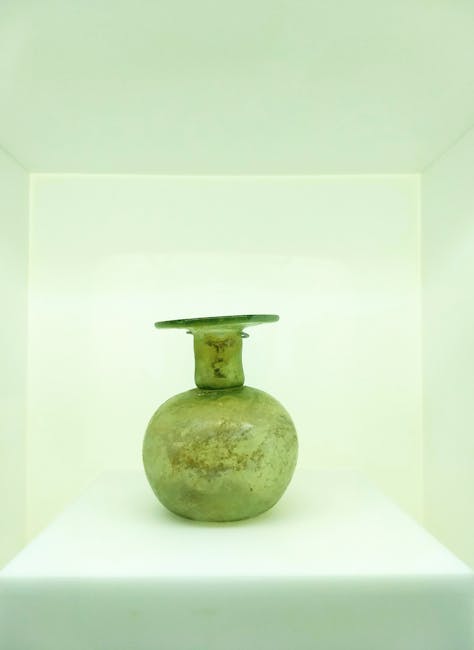
The Museum of Ancient Glass displays an outstanding collection of Roman and Byzantine glass objects—vases, flasks and mouth-blown fragments. The exhibition is arranged chronologically and thematically: manufacturing techniques, trade exchanges and everyday uses of glass. Display cases include English and Croatian explanatory panels, and the lighting is designed to bring out the hues and reflections of ancient glass. An English guided tour is often available by reservation for €30.00 per group.
Arheološki muzej Zadar — Archaeological Museum (selection)
Address: Trg opatice Čike 9, 23000 Zadar.
Opening hours: Tuesday–Sunday 10:00–18:00; closed Monday (check seasonal hours).
Price: General admission €6.00; reduced €3.50.
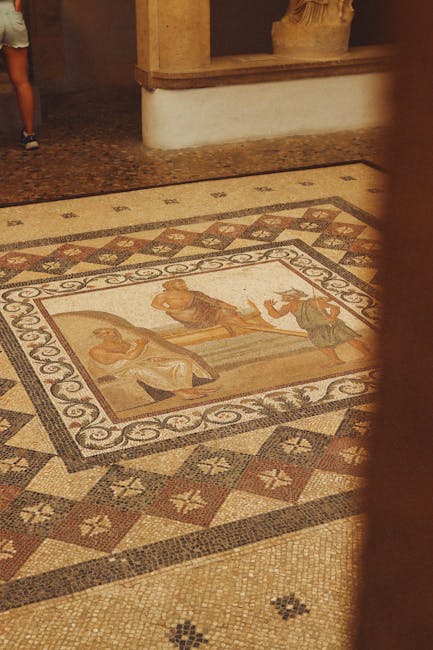
This local museum brings together archaeological finds from regional digs. Expect fragmentary mosaics, Latin inscriptions, funerary furniture and everyday tools. The museum’s charm lies in its hands-on approach: the space is modest, curators are approachable, and it’s common to spot a restorer at work in a publicly visible store room. For history lovers, it’s an excellent primer before exploring the city’s archaeological sites.
Museum of Illusions Zadar
Address: Trg Petra Zoranića 11, 23000 Zadar.
Opening hours: 10:00–20:00 daily.
Price: €10.00 adult; €7.00 child/student.
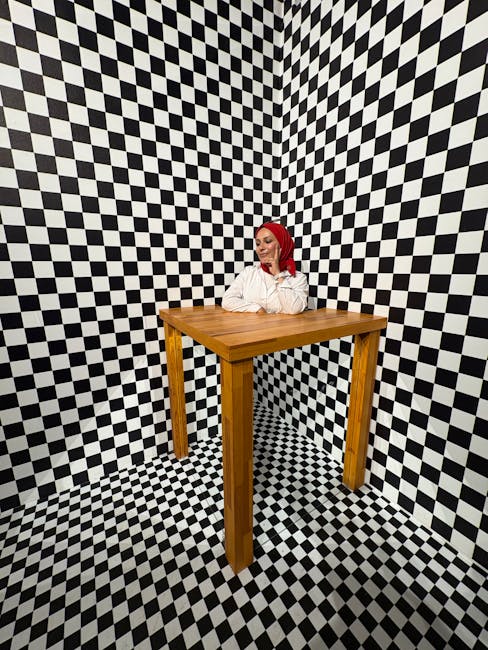
For a playful interlude, the Museum of Illusions offers interactive installations that play with visual perception. It’s great for families and anyone wanting a modern contrast to the city’s antiquities. Exhibits are made to be touched and experienced: Ames rooms, mirrors and optical perspective tricks. Photos are encouraged, so it’s also a perfect spot for creative travel shots.
Artisan workshops: glassblowers, potters and contemporary makers
Zadar’s craft tradition is alive and being renewed by contemporary artists who work with ancient techniques. Workshops—often run by small collectives or families—offer the chance to watch the making process and sometimes join introductory sessions. Here are some recommended studios with an intimate, educational approach.
Glass studio — Glass Studio Burić
Address: Ulica Zadarskih Pobuna 12, 23000 Zadar.
Opening hours: Tuesday–Saturday 10:00–16:00 (demonstrations at 11:00 and 15:00).
Price: Visit and demo €12.00; beginner workshop (1h) €45.00 per person (reservation required).
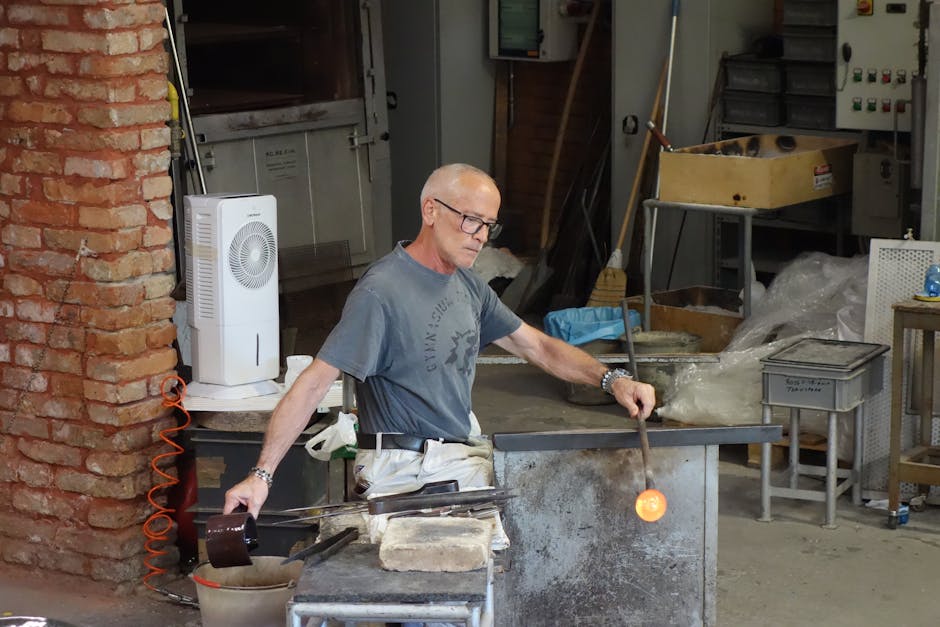
Glass Studio Burić is a small family workshop where the Burić family works with blown glass and decorative pieces inspired by antique models. The studio offers public demonstrations and supervised blowing sessions where visitors can participate in making a small object. Finished pieces can be shipped or picked up in person. Artisans are happy to explain the differences between Roman techniques and modern glasswork, as well as constraints related to temperature and annealing time.
Pottery and ceramics — Atelier Keramičar Dubrovnik-inspired
Address: Ulica Jurja Dalmatinca 5, 23000 Zadar.
Opening hours: Wednesday–Sunday 09:30–14:30; evening workshops by reservation.
Price: Intro workshop €35.00 (2 hours); items for sale €10.00–120.00 depending on size.
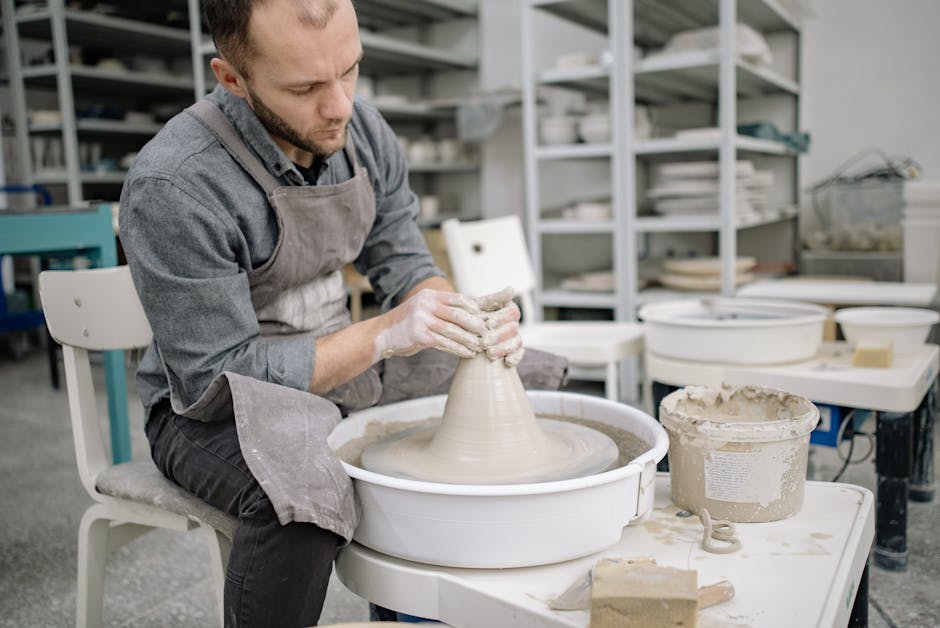
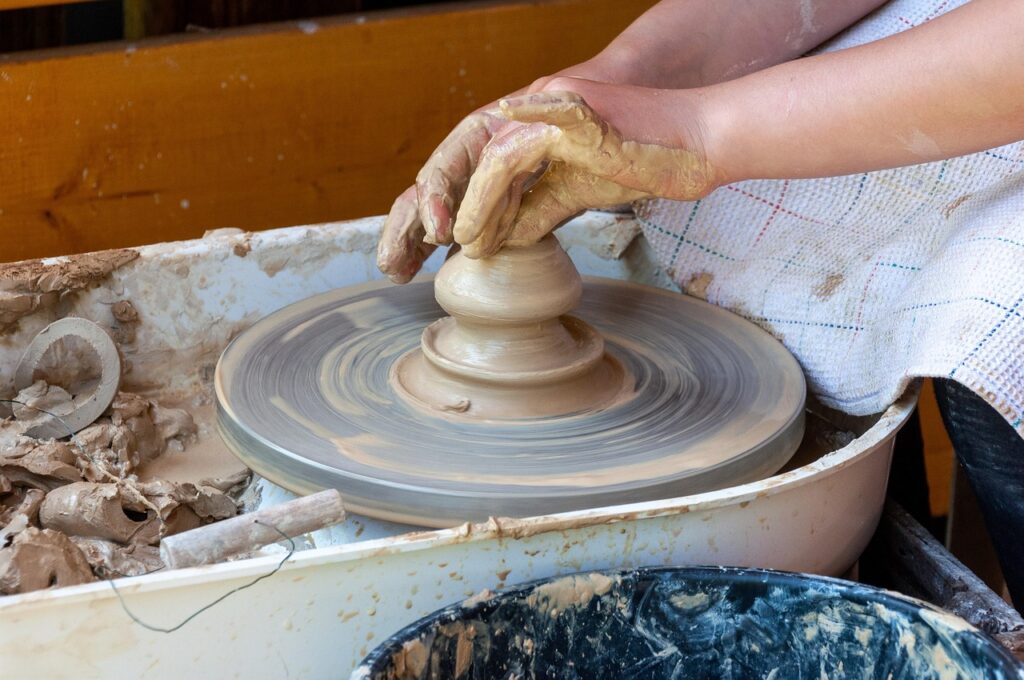
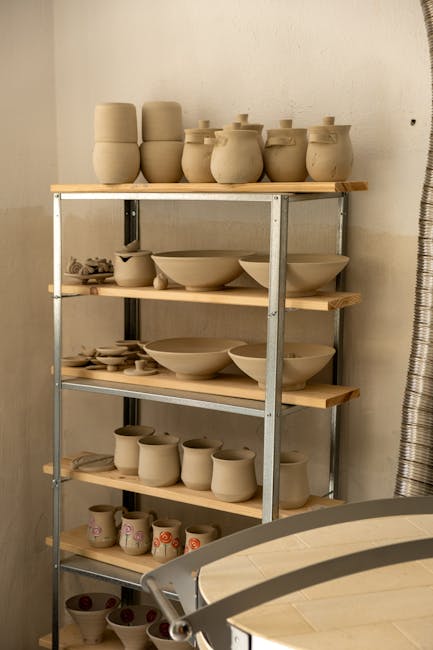
This small pottery studio offers immersion in local ceramic techniques: wheel-throwing, slips and firing. Run by a local potter who also takes commissions (plates, mugs), the studio organizes sessions for visitors wanting to make their own personalized mug. The place blends tradition with contemporary design and has an attached shop with unique pieces.
Textile and embroidery workshops — Studio Textilna
Address: Ulica Petra Svačića 7, 23000 Zadar.
Opening hours: Tuesday–Friday 10:00–17:00; Saturday 10:00–14:00.
Price: Intro embroidery workshop €25.00 (2h); handcrafted pieces €20.00–80.00.
Studio Textilna brings together traditional Dalmatian embroidery techniques and contemporary design. The creators share local patterns, the use of natural threads and the symbolism behind decorations. Visitors can learn basic embroidery, buy handmade items and chat about sources of inspiration: folk costumes, maritime motifs and medieval geometry.
Cafés, tea rooms and quiet spots to pause away from the crowds
To complement your museum and workshop visits, Zadar offers a range of low-profile cafés perfect for reflecting, reading or meeting people. These places aren’t major tourist magnets but local anchors where you can feel the city’s rhythm. Here’s a selection with addresses, hours and tips to enjoy them fully.
Kavana Marina — seaside café
Address: Obala kralja Petra Krešimira IV 14, 23000 Zadar.
Opening hours: 08:00–23:00 daily.
Price: Espresso €1.80; cappuccino €2.60; pastries €2.00–4.00.
Set by the sea but slightly off the main tourist hotspots, Kavana Marina has a terrace overlooking a small marina and a local clientele. The café often roasts its own beans and offers filter coffee options. For a calm experience, avoid 18:30–20:00 (local aperitivo time) and favor the morning or early afternoon.
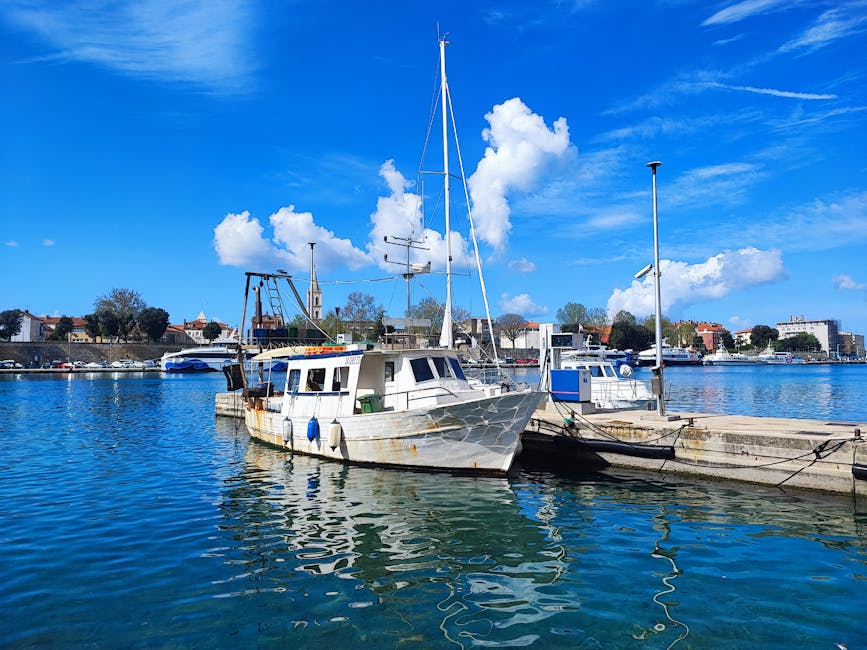
Café Bar & Bookshop — Biblioteka Kava
Address: Ulica Petra Zoranića 6, 23000 Zadar.
Opening hours: 09:00–19:00 (Monday–Saturday); closed Sunday morning.
Price: Espresso €1.50; special tea €3.00; light sandwiches €3.50–6.00.
A concept store combining an independent bookshop with a café. Biblioteka Kava is a quiet spot, perfect for reading a guide or browsing books about Dalmatian history. The owners sometimes host readings and meet-the-author events. Expect a cozy vibe, lounge music and a bilingual (Croatian/English) selection.
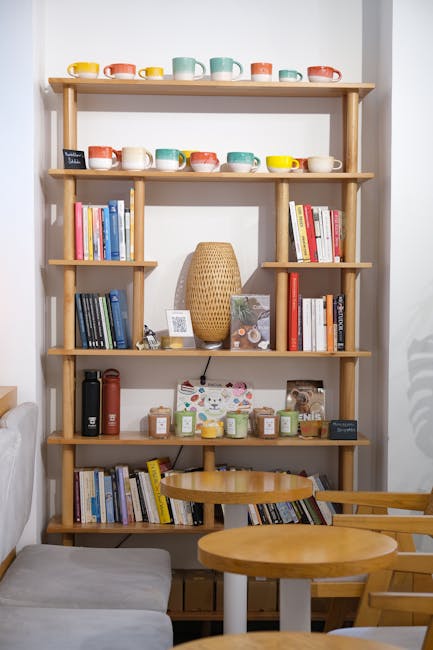
Artists’ café — Atelier-Café Loft 23
Address: Ulica Bože Peričića 23, 23000 Zadar.
Opening hours: Wednesday–Sunday 10:00–22:00; closed Monday and Tuesday.
Price: Espresso €2.00; caffeinated cocktails €5.00–7.00.
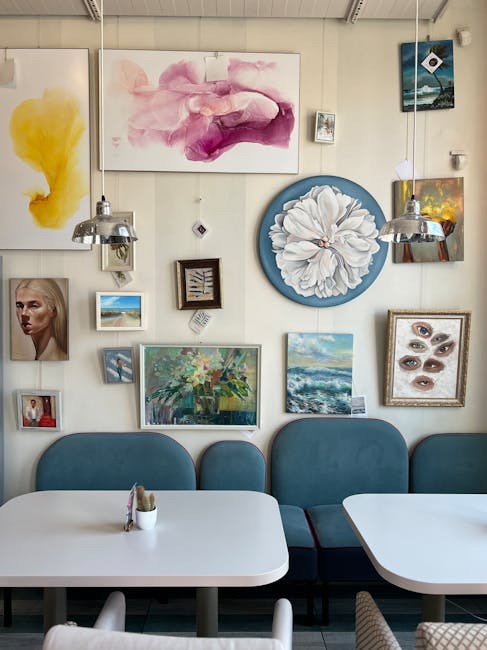
Loft 23 is a mix of art studio, pop-up gallery and café. You’ll find rotating exhibitions, acoustic music nights and weekend brunches. It’s a great place to meet local artists, buy small artworks and extend a studio visit with a relaxed conversation over coffee.
Cultural walks, concerts and practical tips to avoid the crowds
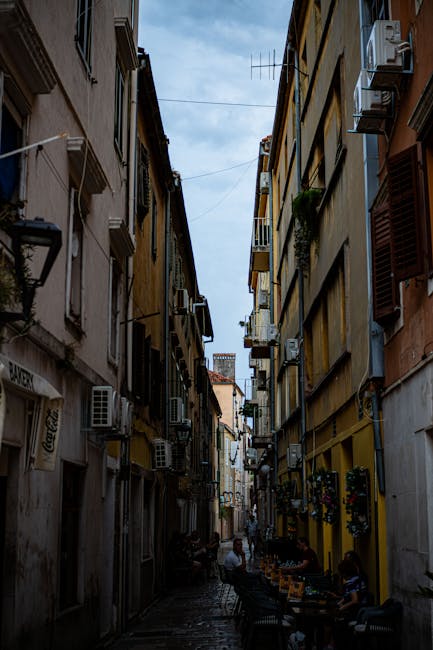
Zadar is best explored on foot, combining museums, workshops and café breaks at an unhurried pace. Here are suggested routes, crowd-avoidance tips and practical info to fully enjoy the cultural scene.
Suggested itinerary — morning museum, afternoon workshop, evening café-concert
- Morning: Start at the Museum of Ancient Glass (Ulica Jurja Barakovića 1) right at opening to beat the tour groups. Recommended time: 60–90 minutes.
- Noon: Lunch in a small konoba (tavern) away from the Riva. Look for dishes built around local produce (fish of the day, grilled vegetables) for €10–18 per person.
- Afternoon: Glass or pottery workshop with a reservation (Glass Studio Burić or Atelier Keramičar). Workshops usually last 1.5–2 hours and require booking 24–48 hours in advance during high season.
- Evening: Finish with a café-concert or reading at Loft 23. Shows are often free or ask for a small contribution (€5–10).
Tips to avoid crowds: visit museums in the morning (or late afternoon outside peak times), avoid weekend workshops in high season, and prefer weekdays for literary cafés. Always ask permission before photographing artworks or artisans. Also, bring a warmer layer for evenings—the sea breeze can cool things down even in summer.
Other practical tips: most small museums accept cash; some don’t take cards for small transactions. Carry euros and kuna (HRK) if possible, even though prices here are shown in euros for clarity. Check local public holidays (religious and national) as some workshops close. And don’t hesitate to strike up a conversation with owners—the cultural scene in Zadar is small-scale and direct contact often leads to perks (private tours, tastings, invitations to local events).
Conclusion — Immerse yourself in an authentic, understated Zadar
Cultural Zadar isn’t just a set of monuments; it’s a series of encounters and spaces where historical memory and contemporary creativity answer each other. Specialized museums like the Museum of Ancient Glass and small archaeological institutions provide keys to understanding the city’s temporal layers. Artisan studios—working in glass, ceramics and textiles—let you appreciate the demands of technique and the pleasure of manual craft, often in the presence of the maker.
Hidden cafés and hybrid venues (bookshop-cafés, studio-cafés) are meeting points between visitors and the local community: you share a drink, a story, sometimes an improvised musical moment. By organizing your days around these micro-locations, you’ll avoid tourist overload and enjoy memorable experiences—a glassblowing demo, a coffee shared with an artist, or a chat about Zadar’s evolving urban landscape.
To get the most from your stay: book workshops in advance, visit museums outside peak hours, and be open to encounters. Prices listed in euros help with budgeting, but always keep a little local cash for small shops and tips. Zadar lends itself beautifully to quiet discoveries: get happily lost in side streets, jot down the addresses of artisans you spot by chance, and come back the next day for a second look.
In short, this guide aims to offer an alternative cultural route that emphasizes quality encounters and the richness of local craftsmanship. Zadar off the beaten path is a city to listen to: it tells its stories to those who take the time to watch, notice small details and step into workshops. Whether your trip is a weekend or a week, these museums, studios and cafés will give you a fresh way to know Zadar—intimate, lively and decidedly creative.