





Introduction — Zadar off the beaten path: why leave the tourist map
Zadar is often unfairly reduced to its historic waterfront, the famous Sea Organ (Orgulje mora) and the light show of the Greeting to the Sun (Pozdrav Suncu). Yet the true soul of this Dalmatian town hides in its outer neighborhoods, its residential lanes, small coves and family-run konobas that the tourist buses don’t serve. This article is a practical, detailed guide for exploring Zadar off the beaten track: neighborhoods to walk through, exact addresses, typical opening hours, prices in euros, immersive descriptions and local tips for an authentic experience.
Why venture elsewhere? First, for variety: from the hills of Arbanasi to the wild tip of Puntamika, the quiet coves of Diklo and Borik’s waterfront, Zadar offers a palette of landscapes and experiences a standard itinerary won’t cover. Second, for the food: family taverns (konobas) and small producers serve simple, fresh Dalmatian dishes — often under €15 for a main course. Finally, for meeting people: locals live, work, fish and shop here; they’re curious but reserved, and welcoming to those who take the time to listen.
This guide is designed as a walking-and-immersion companion. You’ll find practical directions for each neighborhood (how to reach it on foot, by bike or taxi), exact addresses of points of interest (local museums, small chapels, markets), food recommendations with addresses and price ranges, plus typical opening times to plan your days. Timetables and prices are shown in euros and reflect common entry fees or consumption costs: they may change with the season. Suggested images, placed at visual points in the text, will help you picture each scene before you arrive.
Guide layout: after this introduction you’ll find themed sections, each focused on a neighborhood or topic (coastal walks, lesser-known heritage, family tables, maritime experiences and local markets). Every section includes exact addresses and practical tips. At the end, a conclusion sums up suggested routes for exploring from 1 to 3 days away from the tourist buses.
Before you go, a few general tips: wear closed shoes for cobbled lanes and coastal paths, pack a small torch for visiting old chapels, and always keep a few euros in cash for purchases at markets and local ferry stops. Taxis exist but can be pricey in high season; renting an electric bike for the day (around €20–35) is often the best way to cover several neighborhoods without time constraints. Now, let’s discover a side of Zadar the buses ignore.
Arbanasi: Ottoman villas, citrus gardens and historic lanes
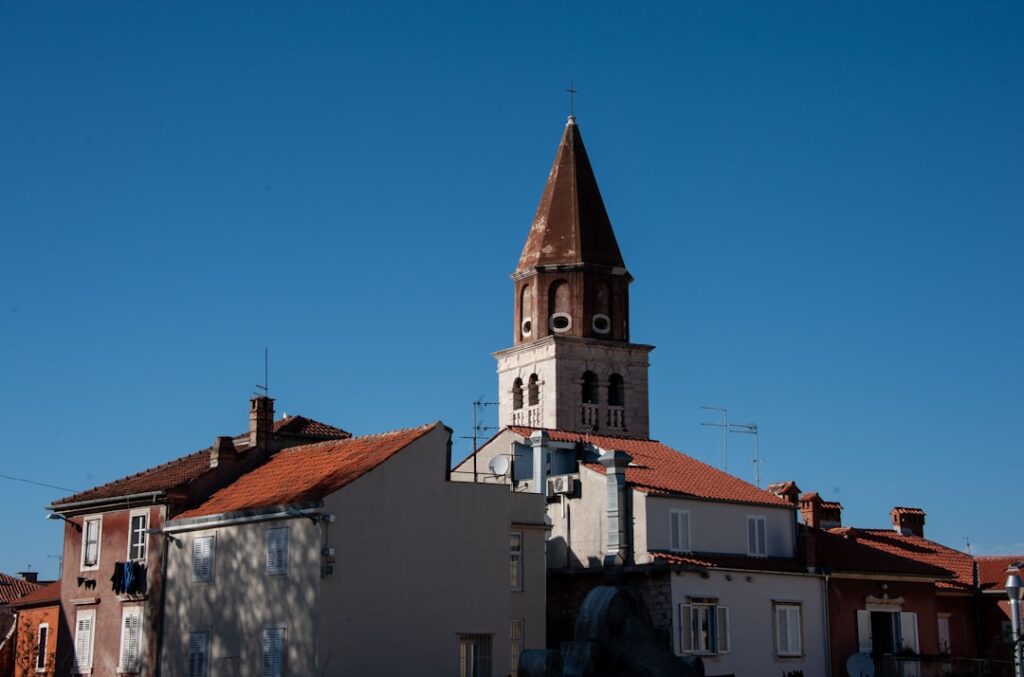
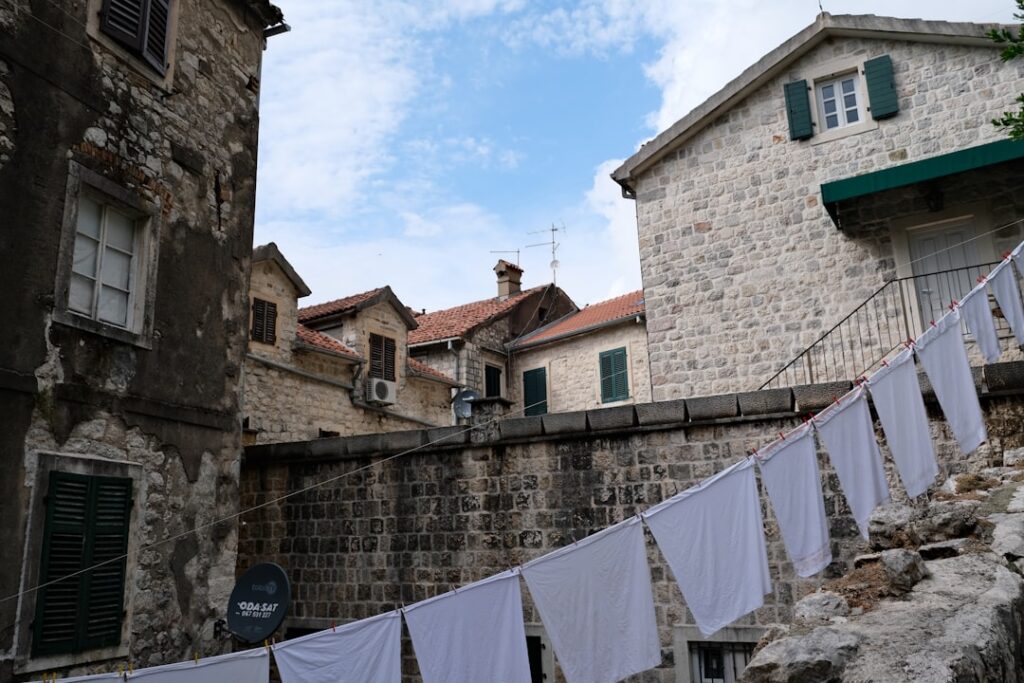
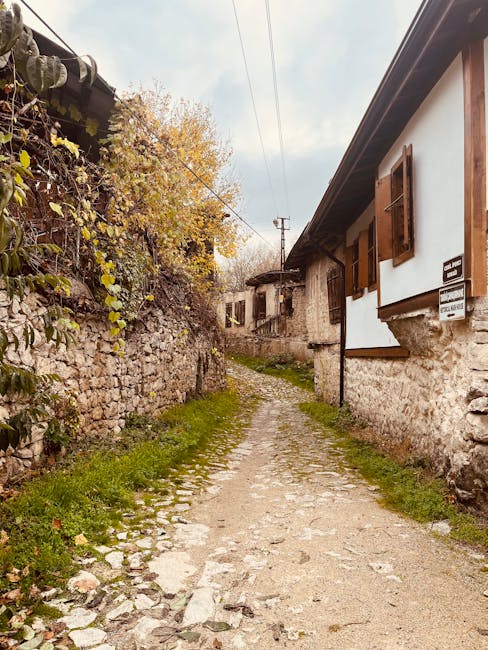
Located 2–3 km northeast of the old town, the Arbanasi neighborhood provides a unique transition between Zadar’s medieval core and the Dalmatian countryside. Once home to wealthy families and Austrian officers, Arbanasi still shows bourgeois stone houses, decorated façades and small citrus gardens. It’s a neighborhood best explored on foot to soak up the architecture and the sea views.
Suggested route: start at the Church of St. Michael (Crkva Sv. Mihovila), roughly on Ulica Fjanca Arbanaska, then follow the stepped lanes up toward Villa Arbanasi (central area, pedestrian access). For a longer walk, take Ulica Lucije Galic, which opens up to views over the islands and a few local cafés.
Points of interest and addresses:
- Small Local Gallery Arbanasi — Ulica Ljudevita Gaja 12, 23000 Zadar. Free entry most days; temporary exhibitions viewable 10:00–18:00 (closed Monday). Great for discovering local artists and regional photography.
- Church of St. Donatus (mini nearby) — while St. Donatus is in the old town, Arbanasi features several small chapels scattered through its lanes; look for the Sv. Kuzma i Damjan chapel on Ulica Sv. Kuzme i Damjana. Free access, sometimes open for local services.
- Konoba Arbanaska Kuća — Ulica Arbanaska 3, 23000 Zadar. Homestyle Dalmatian cooking, fish dishes and grilled vegetables. Main courses: €8–18; salads and starters: €3–6. Hours: 11:00–22:00, closed Tuesday.
Local tip: ask homeowners if they know of small private orchards open to the public during citrus harvest (late autumn and winter). The best time to visit is at sunset, when warm light brings out the ochres of the façades and the sea on the horizon. Taxis from the old town usually cost €3.50–6, or you can rent a bike for a half-day (about €12–20) and return along the coast.
Puntamika and the wild coast: secret pebble beaches and coves
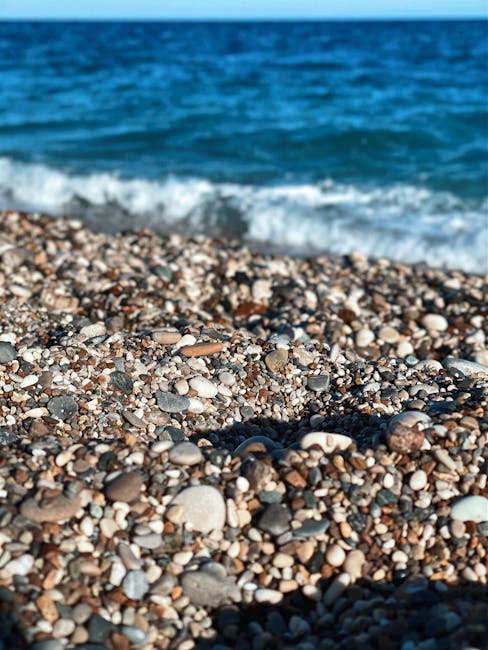
Puntamika is the northwestern tip that extends Zadar’s peninsula; it’s wilder and more residential than Borik’s central beaches. Tourist buses don’t always go there, making it a refuge for those seeking clear waters and pebble coves. Walkers will find coastal paths, small pebble beaches and rocky points ideal for snorkeling.
How to get there: on foot from the old town, allow 30–40 minutes following the coast (a scenic route), or take a taxi for €6–9. Cyclists can follow the coastal promenade that runs through Borik to Puntamika. Key streets to know are Ulica Puntamička Draga and Obala kneza Branimira along the shoreline.
Recommended beaches and coves:
- Puntamika Beach (main pebble beach) — Obala kneza Branimira, 23000 Zadar. Public access free. Seasonal beach bar: drinks €2–5. Accessible 24/7; beach services 08:00–20:00 in season.
- Cove Mala Petrcane — a small cove at the end of Ulica Puntamička Draga. Perfect for snorkeling. Free access; rocky and natural steps—wear water shoes.
- Punctum viewpoint — a small lookout at the end of Obala Knezova, great for watching sunsets and ferry traffic. Free, walkable.
Sea activities: for a more active experience, book a sea-kayak trip from Puntamika that reaches secluded coves and offers marine-life spotting. Duration 2–3 hours, about €35–50 per person (includes equipment, guide and water). Local operators set up near Puntamika’s main beach; typical departure times: morning at 09:00 and afternoon at 16:00 in high season.
Practical tips: bring water shoes — some coves have rocky seabeds — and a snorkel mask. Grocery shops in Puntamika open early (07:00–20:00); stock up on water and snacks before heading to an unserviced cove. Avoid carrying valuables onto the small beaches: coves are lightly supervised.
Diklo and Vlačina: local fishing, small churches and neighborhood taverns
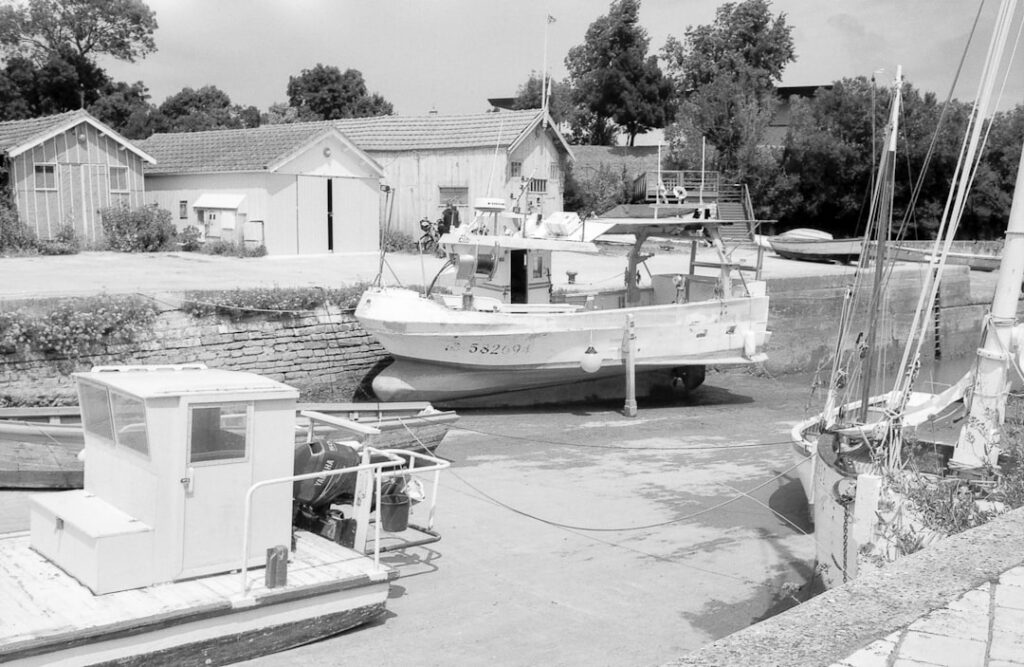
Diklo, further north, is a former fishing village turned residential neighborhood where daily life follows the rhythm of the sea. It’s an ideal place to observe traditional fishing methods, taste freshly caught seafood and wander quiet streets free of tourists. Intercity buses don’t always serve it: expect to get there by bike, car or taxi.
Addresses and spots:
- Harbor Diklo (Riva Diklo) — Obala Diklo 5, 23000 Zadar. Watch fishing boats and find small markets during morning arrivals. Free access; fish deliveries early morning (05:00–08:00).
- Konoba Dobra Riba — Ulica Diklo 7, 23000 Zadar. Small family konoba specializing in fish and calamari. Prices: starters €4–7, mains €10–18, bruschetta €3–5. Hours: 12:00–22:00, closed Wednesday.
- Chapel of St. Nicholas (Sv. Nikola) — Ulica Sv. Nikole, Diklo. Small chapel dedicated to sailors; free access and an intimate atmosphere during Sunday services.
Experiences: Diklo’s local fish market is worth an early wake-up — arrive before 08:00 to see the informal auction and buy directly from fishermen. Bargain politely: a kilo of fresh sea bream or sardines generally costs €8–14, depending on season. After buying, ask a local konoba if they can cook your catch: many will prepare your purchase for a service fee of €6–12.
Local tips: respect the neighborhood’s quiet hours (after 14:00 many families rest). If invited for coffee, accept — conversations with locals often reveal fishing stories and neighborhood anecdotes. For port photos, morning light is best: soft light, fishermen at work and sometimes a light Adriatic mist.
Borik and the coastal promenades: parks, sports and neighborhood cafés
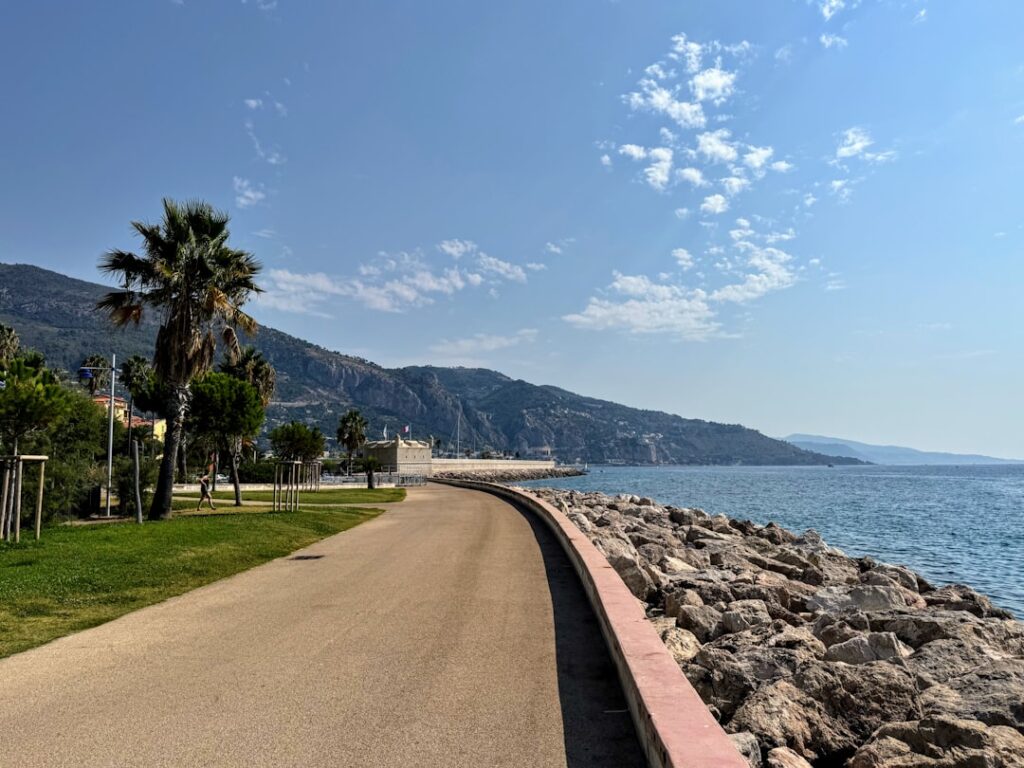
Borik is the most developed seaside neighborhood outside the old town, yet it still has residential areas less frequented by tourists. The long coastal promenade of Obala kneza Branimira runs through Borik and gives access to parks, sports fields and cafés that serve a strong espresso or Dalmatian breakfasts. It’s ideal for those seeking comfort and accessibility while staying away from the main tourist flow.
Practical spots and addresses:
- Borik Promenade (Obala kneza Branimira) — stretch between Ulica Hahlića and Punta Skala, 23000 Zadar. Open 24/7. Benches, playgrounds and outdoor fitness zones.
- Café Pansion Borik — Ulica Mate Bobana 2, 23000 Zadar. Small guesthouse café with homemade pastries. Coffee €1.20–2.50, breakfast €6–9. Hours: 07:00–19:00.
- Park Šime Budinića — Ulica Sv. Mihovila (small urban park), perfect for a picnic or a reading break. Free access.
Sports activities: Borik is perfect for outdoor pursuits — running along the coast, beach volleyball courts and nearby dive clubs. Renting a paddleboard for an hour costs about €10–15, while introductory diving lessons start at €45–70. For families, Borik’s beaches are well equipped with seasonal amenities (showers, toilets).
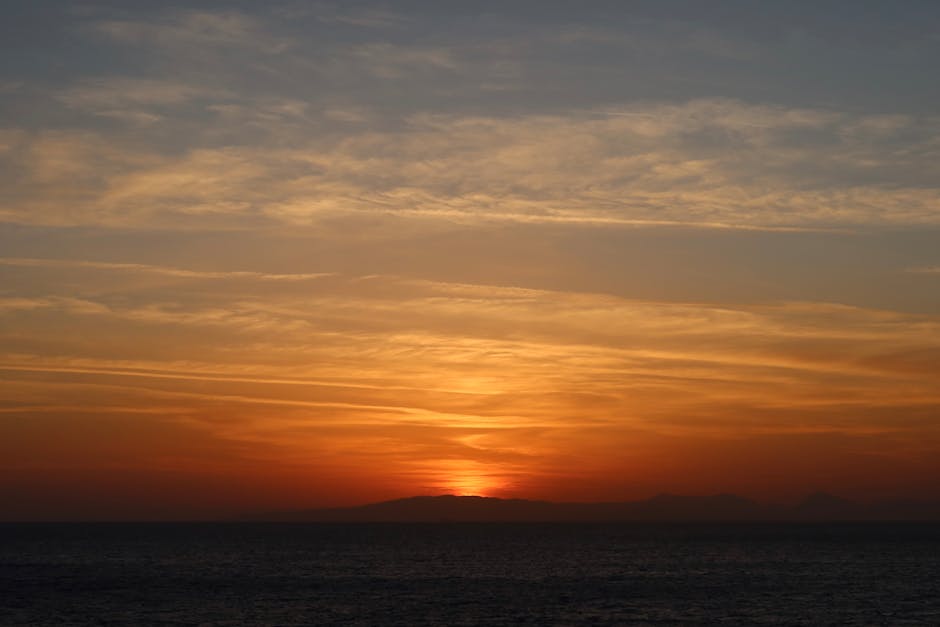
Local tip: if you want a clear sunset view away from the old town crowds, head to Borik’s northern tip 30 minutes before sunset. Local cafés often charge less than those in the historic center, and an evening swim is commonly shared with residents after work.
Markets, micro-museums and studios: local culture away from the crowds
Beyond the residential neighborhoods, Zadar has several micro-museums, craft studios and food markets that tourist buses don’t always stop at. These places unlock the material culture of the area: salt-making techniques, traditional glassblowing, mosaic workshops and small rural history museums.
Addresses and practical info:
- Archaeological Museum Zadar — Trg opatice Čike 1, 23000 Zadar. Entry: about €5–8 depending on the exhibition. Hours: 09:00–17:00 (seasonal variations), largely closed on Mondays. Collections: local excavations, Roman and medieval objects. Although close to the center, its lesser-known sections are often empty.
- Museum of Illusions Zadar (small private) — Ulica Tri bunara 6, 23000 Zadar. Entry: about €8–12. Hours: 10:00–19:00. A fun pick for families and photo enthusiasts.
- Local pottery and glassblowing studio — Ulica Svetog Filipa 11 (craft studio), workshops by appointment. Introductory classes (2 hours): €25–45. Perfect for leaving with a unique souvenir.
- Main farmers’ market (Tržnica) — Ulica Ante Starčevića 2, 23000 Zadar. Hours: 06:00–13:00 Tuesday to Saturday. Products: local olive oil, figs, sheep cheeses. Price examples: 500 ml olive oil ≈ €6–12, artisanal cheese 200–400 g ≈ €4–10.
Visiting tips: for private museums and studios, call or email to confirm openings and book a guided visit — many workshops operate by appointment. At the central market, arrive early for the freshest produce; by afternoon some stalls close and choices dwindle. Don’t be shy about asking for an olive oil or cheese tasting: vendors are proud of their products.
Conclusion — Recommended itineraries and final tips for a successful exploration
Exploring Zadar beyond the bus routes means slowing down, listening and walking. Arbanasi, Puntamika, Diklo and Borik each reveal a different side of local life: old villas and citrus gardens, quiet coves, fishing harbors and family promenades. Micro-museums and markets complete the picture by offering access to local crafts and regional products. To summarize options depending on the time you have:
- 1 day: Pair the old town with Arbanasi (morning in the old town, afternoon in Arbanasi). Lunch at Konoba Arbanaska Kuća (Ulica Arbanaska 3), a walk to the viewpoint and return along the coast.
- 2 days: Add Puntamika for the beach and a kayak trip (book the day before). In the evening, dine in Diklo (Konoba Dobra Riba, Ulica Diklo 7) for the catch of the day.
- 3 days or more: Include Borik for sporty walks and a market day at Ulica Ante Starčevića 2. Schedule a pottery or glassblowing workshop to make a one-of-a-kind souvenir.
Some additional practical recommendations:
- Currency: although the euro is accepted in some tourist spots, Croatia’s currency is the kuna (HRK) — always keep some cash for markets and small konobas. Prices here are shown in euros for simplicity (approx. conversion: €1 ≈ 7.5 HRK).
- Transport: taxis are convenient but sometimes expensive; renting a bike (electric or not) for €12–35 a day is the most flexible way to reach peripheral neighborhoods.
- Safety: Zadar is generally safe; however, for walks on rocky coasts wear appropriate shoes and avoid unmarked areas in winter or rough seas.
- Local respect: locals appreciate politeness and genuine interest in their traditions. A simple “hvala” (thank you) or “dobar dan” (good day) often opens doors.
In short, Zadar off the beaten path is an invitation to slow down: take time for a neighborhood breakfast, buy fish at Diklo’s market, attend a chapel mass in Arbanasi, swim in an isolated cove at Puntamika or chat with a glassblower in a local studio. These experiences, away from buses and crowds, reveal the gentle rhythm of a town that lives between sea and land. Take this guide with you, but leave room for the unexpected: Zadar’s most memorable discoveries often happen when you purposely get lost.