





Introduction — Old Town vs Zadar suburbs: a dilemma for first-time visitors
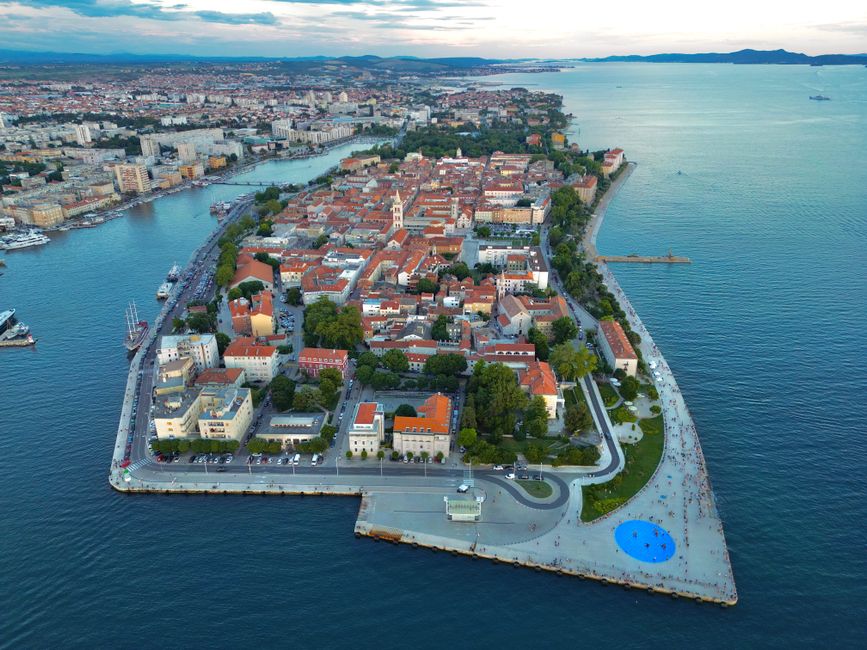
Zadar, a coastal city in northern Dalmatia, is a compact blend of ancient heritage, seaside promenades and Mediterranean beaches. Founded in Roman times and shaped by centuries of Venetian, Austro-Hungarian and Yugoslav rule, it offers a compact Old Town (the fortified city) backed by a spectacular waterfront, alongside newer, quieter suburban neighborhoods often oriented toward the sea. For a first-time visitor, choosing whether to stay in the Old Town or in the suburbs (Borik, Diklo, Petrčane, Kolovare, Puntamika) matters: each option brings advantages in comfort, cultural immersion, beach access and budget.
The Old Town is all about tangible history: stone alleys, landmarks like the Cathedral of St. Anastasia (Katedrala sv. Stošije), the Roman Forum, the Land Gate (Kopnena vrata) and iconic contemporary installations such as the Morske orgulje (Sea Organ) and Pozdrav Suncu (Greeting to the Sun). It’s mainly a walking city, with cafés and restaurants open late, plus museums and galleries that usually close between 5pm and 8pm. The Old Town is perfect if you want to maximize time at the sights, watch a dramatic sunset from the promenade, and enjoy a concentrated nightlife.
The suburbs offer a different experience: pebble and sandy beaches that are easier to reach (Borik, Kolovare), often cheaper apartments and hotels, green spaces and a more relaxed pace. The peripheral neighborhoods are great for families, travelers who want a quiet base after a day of exploring, or visitors planning to rent a car to get around (to Nin, Vransko jezero Nature Park, or the islands). However, staying in the suburbs means planning your trips: local buses, taxis or a rental car are needed, especially if you want to see the Old Town at sunrise and sunset.
This detailed guide will help you weigh pros and cons, with exact addresses, prices in euros, opening hours and practical tips so that, as a first-time visitor, you can choose the location that best matches your expectations in Zadar. We’ll cover the Old Town and its must-sees, the main suburbs and their beaches, access and logistics (transport, parking, costs), and accommodation recommendations for different traveler types. Each section includes concrete information — precise addresses, indicative prices and usual opening hours — to help you make an informed decision.
The Old Town: cultural immersion, addresses and costs
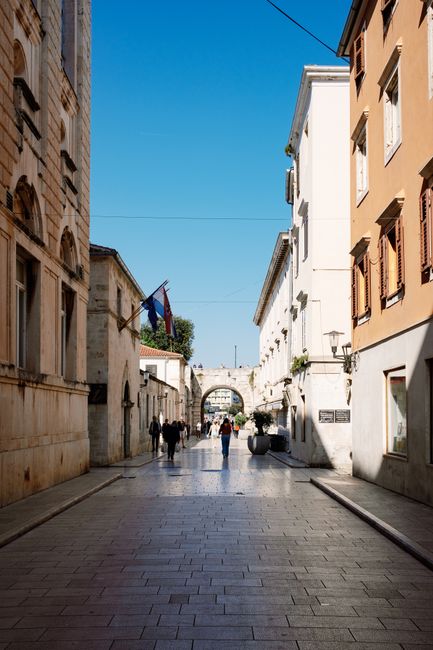
The heart of Zadar sits on an island connected to the mainland by several bridges and historic gates. Staying in the Old Town means being just steps from the main sights. Here are the must-see places, with addresses, opening hours and approximate prices:
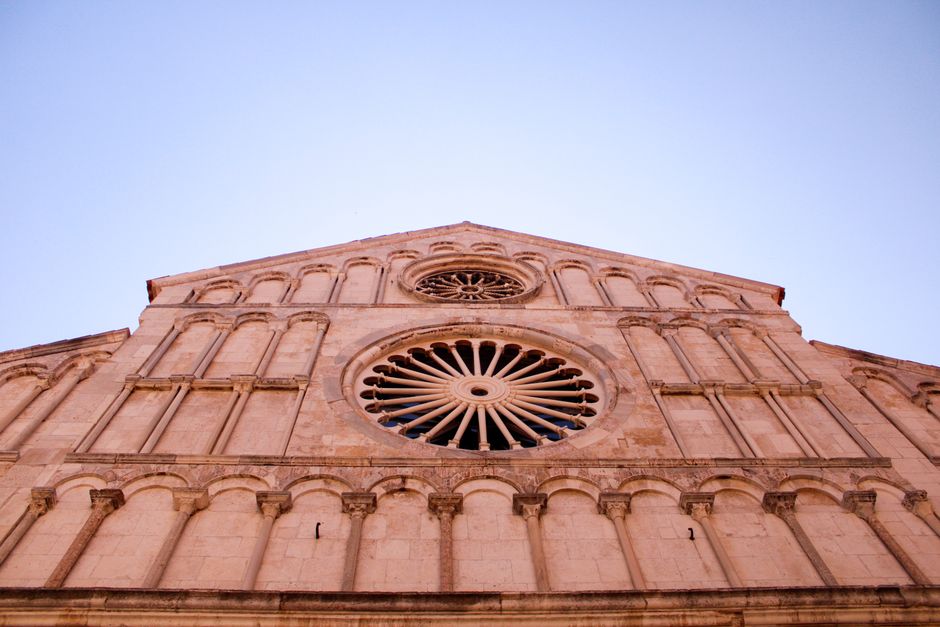
- Cathedral of St. Anastasia — Trg Petra Zoranića 1, 23000 Zadar. Hours: generally 07:00–19:00 (varies by season; religious services sometimes interrupt visits). Entry to the cathedral: free; access to the bell tower: around €3–5 (ticket sold on site).
- Roman Forum — Trg tri bunara, 23000 Zadar. Hours: outdoor site accessible at all times; nearby museums typically open c. 09:00–17:00. Entry: free for the forum; museums €3–8 depending on the exhibition.
- Morske orgulje (Sea Organ) — Obala kneza Branimira, 23000 Zadar. Accessible 24/7, free. A unique sonic experience producing different harmonies according to tide and wind.
- Pozdrav Suncu (Greeting to the Sun) — Obala kneza Branimira 2, 23000 Zadar. A circular ground installation of lights, free; it runs an automated light show at dusk (lights come on around 21:00–23:00 depending on the season).
- Museum of Ancient Glass (Muzej antičkoga stakla) — Ul. Jurja Barakovića 10, 23000 Zadar. Hours: 09:00–17:00 (high season often 09:00–20:00). Fee: approximately €4–6.
- Zadar Tourist Board (Centar za informiranje i promociju) — Trg Petra Zoranića 5, 23000 Zadar. Hours: 08:00–20:00 in high season. Useful for tickets, maps and personalized advice.
Accommodation in the Old Town: popular examples
- Hotel Bastion — Ul. Mihovila Pavlinovića 3, 23000 Zadar. Rooms from ~€100–150/night (seasonal), breakfast included depending on rate. Pros: historic location and higher comfort.
- Apartments Old Town Zadar — various addresses within the Old Town (book via platforms). Prices: €60–140/night depending on size and season.
Why choose the Old Town? You’ll be within walking distance of museums, high-end or traditional restaurants (pizzerias, konobas), and the lively evening atmosphere. Downsides: noise, higher accommodation prices and limited parking options (paid parking on the outskirts and blue zones). Parking: Parkiralište Branimir (Obala kneza Branimira 10) offers hourly rates — €0.80–2.50/hour depending on zone and season.
The suburbs and seaside neighborhoods: Borik, Diklo, Kolovare, Petrčane — addresses, beaches and vibe
Zadar’s suburbs curve along the coast and include neighborhoods popular for their beaches and calmer atmosphere. Here’s an overview of the main peripheral areas, what they offer and the costs to expect.
- Borik — General address: Borik, 23000 Zadar. Borik Beach (Put Borika, 23000 Zadar): a stretch of organised beaches, campsites and hotels. Access: city buses nos. 2/4/6 depending on season; taxi (~€3–5 from the centre, variable). Pros: equipped pebble beaches, sports facilities, promenades. Accommodation: hotels such as Hotel Kolovare (Put Bokanjca 2, 23000 Zadar) near Borik, prices from €70–120/night.
- Diklo — General address: Diklo, 23000 Zadar. A quiet residential area with small coves and pebble beaches, ideal for families. Regular bus services to the centre (city bus fare: 11 HRK / ~€1.5 per ride). Many private apartments for rent, often cheaper than in the centre.
- Kolovare — Kolovare Beach (Ul. kraljice Jelene Madije, 23000 Zadar). A beach close to the centre (10–20 minutes on foot) but with parking and facilities; a good compromise. Paid parking in adjacent streets: 5–10 HRK/hour (€0.7–1.3).
- Petrčane — Coastal village ~10 km north of Zadar. General address: Petrčane, 23231 Petrčane. Sandy beaches and tourist shops; reachable by intercity bus (ticket ~€1.5–3) or car (15–20 min). Accommodations tend to be apartments and villas, €50–120/night depending on season.
Practical fares and access
- Zadar city bus: single ticket ~11 HRK (~€1.5), multi-ride booklets (10 journeys) often available; main bus station: Autobusni kolodvor Zadar, Ul. Stjepana Radića 9, 23000 Zadar.
- Taxi: initial fare ~25 HRK (~€3.4) + per km ~10–12 HRK (~€1.3–1.6). Common company: Taxi Zadar, phone reservations locally.
- Public parking near beaches: 5–20 HRK/hour (~€0.7–2.7) depending on location and season; daily parking fees 40–100 HRK (~€5–13).
Why choose the suburbs? For tranquility, immediate access to beaches, and usually better value for families or longer stays. Downsides: daily travel if you want to visit the Old Town at different times (especially for sunset), and fewer immediate cultural options.
Transport, daily routes and practical tips: make the most of your time in Zadar
Logistics plays a big role in choosing where to stay. Here are concrete points to plan your days and avoid common mistakes.
- Getting to Zadar: Zadar Airport (Zračna luka Zadar, Address: Ulica Mihovila Pavlinovića 1, 23000 Zadar). Airport-center shuttle: buses and taxis available; taxi transfer to the centre ~10–15 min, fare ~60–90 HRK (~€8–12). Renting a car is convenient if you plan to explore Petrčane, Nin or nearby parks.
- City buses: Network run by Liburnija Zadar; main stops around the Forum and the bus station. Hours: 05:00–23:00 depending on the line (higher frequency in summer). Single ticket ~11 HRK (~€1.5).
- Parking: In the Old Town, pick a hotel that offers parking (additional cost often €10–20/night). In the suburbs, most private accommodations have free or low-cost parking.
- Boat excursions: Quays and agencies are along Obala kneza Branimira. Ferries to the islands of Ugljan and Pašman: tickets roughly €1.5–5 depending on distance; guided boat tours to the Kornati islands or national parks cost €40–100/person for a day trip.
- Museum and attraction hours: Generally 09:00–17:00 off-season, extended to 20:00 in high season (June–September). Always check in advance: some sites close on Mondays.
Local practical tips
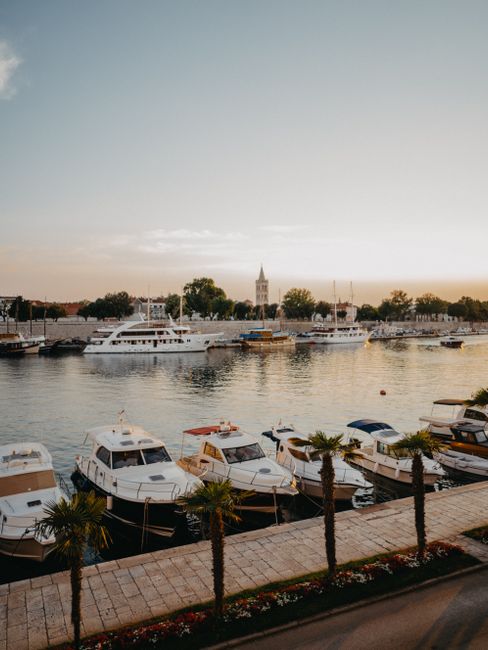
- The best time to visit the Old Town: early morning (07:00–09:30) to avoid crowds and enjoy the limestone glowing in soft light.
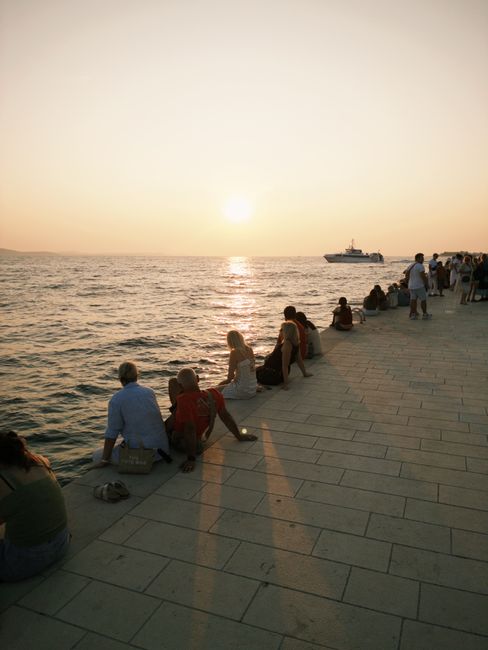
- For sunset: the promenade near the Sea Organ and the Greeting to the Sun fills up fast; arrive 30–45 minutes before sunset for a good spot.
- Wear slip-resistant shoes: the stone streets can be slippery, especially after rain.
- Bring some cash: many small shops accept cards, but cash in euros/HRK is useful for buses and markets.
Accommodation by traveler type and final recommendations for a first stay
Your choice of neighborhood should depend on your traveler profile: history lover, family, budget traveler, or someone looking to relax by the sea. Here are practical recommendations and concrete examples:
- For history buffs and time-pressed visitors: stay in the Old Town — Hotel Bastion (Ul. Mihovila Pavlinovića 3) or historical apartments around Trg Petra Zoranića. Pros: direct access to main sights, dining and cultural outings on foot. Prices: €90–160/night in high season.
- For families and relaxed stays: Borik or Diklo offer apartments with kitchens, easy beaches and less nightlife noise. Rates: €50–110/night for a 2–3 bedroom apartment.
- For budget travelers: look for hostels or guesthouses in the suburbs (Petrčane, Kolovare); prices from €30–60/night outside high season.
- For backpackers and long stays: apartments in the suburbs with free parking and bus access; more economical for extended trips.
Other useful addresses
- Zadar Bus Station (Autobusni kolodvor Zadar) — Ul. Stjepana Radića 9, 23000 Zadar. For local and intercity routes.
- Zadar Tourist Office — Trg Petra Zoranića 5, 23000 Zadar. For maps, brochures and last-minute bookings.
Final tip: if your stay is short (2–3 days) or you don’t like driving, prioritize the Old Town. If you plan more days, regional excursions, or are on a tighter budget, the suburbs (Borik, Kolovare, Petrčane) offer better value and a more relaxed vibe.
Conclusion — Which to choose for your first visit to Zadar?
In short, the choice between the Old Town and the suburbs in Zadar comes down to a trade-off between cultural immersion and seaside comfort. The Old Town places you at the heart of history, museums and local buzz: you’ll be within walking distance of the Cathedral of St. Anastasia (Trg Petra Zoranića 1), the Roman Forum (Trg tri bunara) and contemporary installations like the Sea Organ (Obala kneza Branimira) and the Greeting to the Sun (Obala kneza Branimira 2). Expect slightly higher accommodation rates (from ~€90/night for well-located hotels), but a full urban experience where most visits are on foot. If you have 48–72 hours and your priority is sightseeing, the Old Town is usually the best choice.
Conversely, the suburbs offer calm and direct beach access: Borik (Put Borika), Diklo, Kolovare (Ul. kraljice Jelene Madije) and Petrčane (23231 Petrčane) are excellent options for families, relaxed stays and tight budgets. Accommodations tend to be larger and cheaper (€50–120/night for apartments), with easier parking and accessible beaches. For many, Kolovare is the ideal compromise — very close to the centre (10–20 minutes on foot) while offering a more residential feel and organised beaches.
Practical local tip: to get the most from Zadar, base yourself in the Old Town for at least one night to catch the sunset on the promenade and hear the Sea Organ; then add a few nights in the suburbs if you want beach time and tranquility. Don’t forget to check seasonal museum hours (often 09:00–17:00/extended in summer), allow around €1.5 for a city bus ride, and arrive 30–45 minutes before sunset for a prime spot by the Greeting to the Sun.
Whichever you choose, Zadar will charm you with its light, its mix of old and new, and its shifting coastline. Whether you opt for the historical buzz or the gentle pace of the coastal neighborhoods, you’ll leave with memories of a unique spot on the Croatian coast.