





Introduction: understanding Zadar’s transport challenges
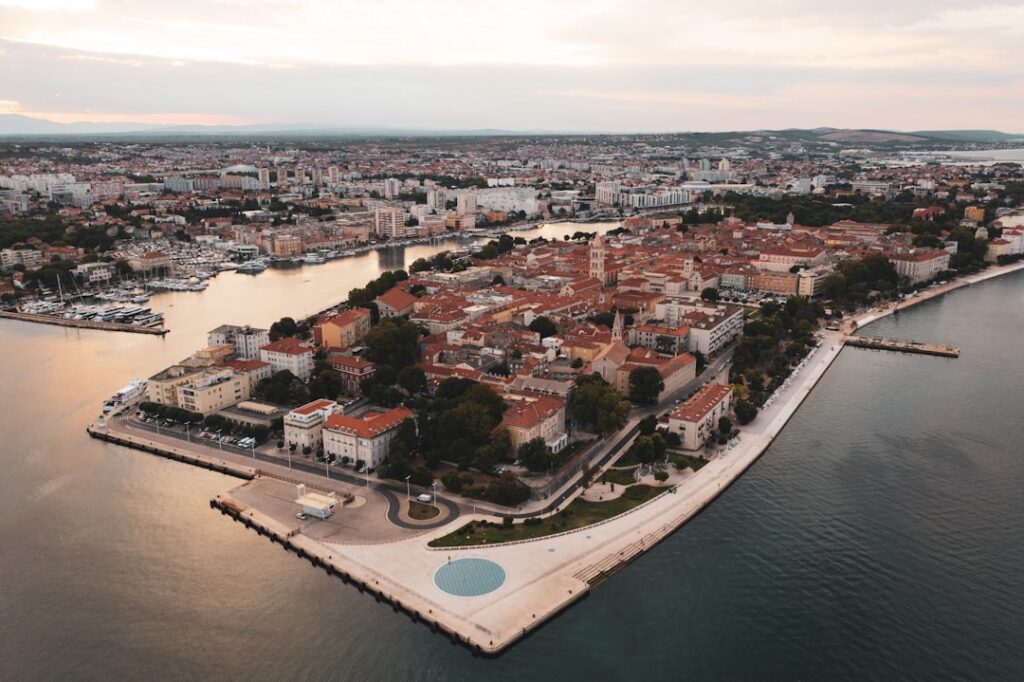
Zadar, a coastal gem in Croatia’s Dalmatia region, draws visitors for its medieval lanes, the unique Sea Organ, and ferry links to nearby islands like Ugljan and Pašman. Beyond the postcard views, getting around Zadar involves practical choices — and a few easy-to-miss traps: mixing up stations and ports, seasonal fare changes, unofficial taxis, limited parking in the old town, and rental car rules. This guide focuses on mistakes travelers commonly make and explains, step by step, how to avoid them, with exact addresses, typical schedules and indicative prices in euros so you can plan with confidence.
On the ground, Zadar combines airport, road, sea and local urban transport. Zadar Airport (Zračna luka Zadar) is the main air gate, while intercity and regional buses connect the city to the rest of Croatia. The Port of Zadar (Luka Zadar / Gaženica Port) is a hub for ferries and fast catamarans to the islands. Inside the city, options range from city buses to taxis, bike and e-scooter rentals and car hire. Each option has its own rules, timetables and fares — and that’s where the pitfalls hide.
This guide doesn’t just list problems: it details real situations, gives exact locations (so you can find official points), provides price ranges in euros (to estimate your budget) and suggests typical schedules (to avoid wasting time). You’ll also find local tips: where to buy a valid ticket, how to spot an official taxi, which apps to use, and how to avoid parking fines. By the end, you’ll be able to anticipate common issues — missed connections, overcharging, crowded ferries in high season — and travel smarter around Zadar.
This guide is for every kind of traveler: short-stay tourists, people driving through, or cycling groups. It prioritizes practicality and safety while staying realistic: there’s no magic solution, but simple practices can drastically reduce the risk of bad experiences. Read the sections that follow and keep this guide handy during your stay — it could save you time, money and peace of mind.
1) Arrival pitfalls: airport, connections and transfers
Arriving in Zadar is often the first chance to make mistakes: booking a transfer too late, accepting an informal taxi, or missing the bus into town. The main air gateway is Zadar Airport (Zračna luka Zadar), located in Zemunik Donji, 23206 Zadar, Croatia. Useful address: Zračna luka Zadar, Zemunik Donji 4, 23206 Zadar. Terminal hours vary a lot with the season: in high season (April–October) checks and flights start early (first departures around 05:30) and finish late (last flights often near 23:00). Off-season the frequency drops and some days the airport can feel nearly empty.
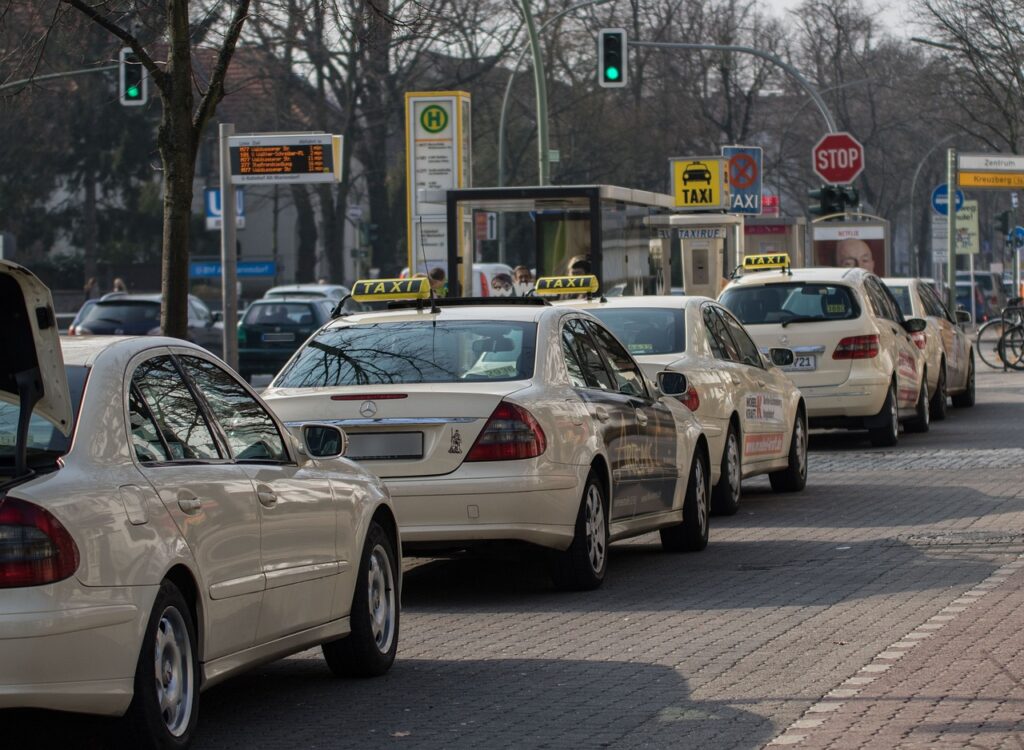
Common pitfall #1 — assuming airport taxis are always the best option: the typical official taxi fare between Zadar Airport and the old town (historic center, Riva area) is usually between €15 and €30, depending on time, traffic and number of bags. Official taxis are registered at the bus station and the airport; ask to see the meter, prioritize cars with the “TAXI Zadar” logo or locally registered plates. Avoid unmarked drivers offering a flat rate at the curb — they often overcharge when you’re tired.
Common pitfall #2 — not checking shuttle/bus schedules: a shuttle / public bus linking Zadar Airport to the main bus station (Autobusni kolodvor Zadar) typically runs according to flight schedules; a one-way ticket costs roughly €4.00–€6.00 per person (indicative price). Another useful address: Autobusni kolodvor Zadar, Obala kneza Branimira 4, 23000 Zadar. Urban and intercity buses often depart from the station; if you miss the last bus of the day, your only recourse may be a more expensive taxi.
Common pitfall #3 — confusing Gaženica Port with the old town quay: fast ferries and larger services often use Gaženica Port (the newer port on Zadar’s east side). Approximate address: Luka Gaženica, Ul. Bože Peričića, 23000 Zadar. The old quays by the Riva (Obala kneza Branimira) serve some local boats and excursions. Always check the pier printed on your ticket and allow an extra 30–45 minutes if you need to switch terminals.
- Practical tip: Book private transfers or taxis through official services (well-known companies or via the airport) and keep the exact arrival address.
- Budget tip: The airport–city bus is the cheapest option (≈ €4–6). If you travel as a couple with heavy luggage, compare that to a taxi (€15–30) for the time saved.
- Timing tip: In high season, allow 60–90 minutes between landing and a departing ferry/intercity bus.
2) Public transport in town: tickets, validation and timetables
Zadar’s urban transport network is made up of bus lines run by the local company “Liburnija” and other municipal operators (depending on the season). Main stops are around Obala kneza Branimira, the Riva, the bus station (Autobusni kolodvor Zadar) and the area near the Forum and old town. City buses typically run from about 05:00 to 23:30 on weekdays, with less frequent services in the evening and very limited schedules on Sundays. Lines to outer neighborhoods and industrial areas may only operate from 06:00 to 18:00.
Common pitfall #4 — boarding without a valid ticket or failing to validate: inspections are regular, especially at rush hour and near stations. A single ticket costs around €1.50–€2.00 (average price, payable in cash or via a local app); buy it at a kiosk/tabac (till stores: “Tisak”), at the station desk, or via the operator’s official mobile app (if available). Once on board, validate your ticket in the yellow validator: fines for no ticket can exceed €30.
Common pitfall #5 — not anticipating the tourist season: in July–August, some lines to beaches or ports get crowded. Travelers sometimes expect another bus to arrive “soon”; in reality you may wait 30–60 minutes. If you’re in a hurry, opt for a taxi or pre-book a transfer.
Common pitfall #6 — relying on outdated online info: printed timetables stuck to stops may not be updated every season. Before you go, check the official Zadar municipality site or ask at the bus station: Autobusni kolodvor Zadar, Obala kneza Branimira 4, 23000 Zadar. The ticket office usually opens early (≈ 05:30) and closes late (≈ 22:00) in high season.
- Buying tip: Purchase tickets at authorized kiosks (Tisak) or via the official app; keep the receipt and validate every time.
- Planning tip: For trips to beaches (Nin, Sukošan) and ports (Gaženica), head out early to avoid crowds.
- Local tip: Drivers appreciate polite passengers; always check if the bus is going to your specific stop (some vehicles only indicate the general direction).
3) Taxis, ride-hailing and car rentals: avoid scams and hidden costs
Taxis and ride-hailing: in Zadar official taxis display their fares and use a meter. Typical rates: base fare ≈ €2.50–€3.50, price per kilometer ≈ €1.00–€1.30; airport–city trip ≈ €15–€30 depending on time and luggage. Reference location: Taxi rank central, Trg Petra Zoranića (main square). Ride-hailing apps like Uber have been limited in Croatia, but local alternatives or app-based services (Bolt, Cammeo depending on availability) may operate; check local regulations before booking. Unlicensed drivers sometimes offer a “fixed” price on arrival: decline and go to the official taxi stand.
Common pitfall #7 — accepting an unofficial “fixed price”: in high season, some drivers offer a flat rate from the airport or station without using a meter. These fares are often higher than official ones. Insist on an official taxi, note the license plate and, if possible, photograph the company logo.
Car rentals: many international agencies (Avis, Europcar, Sixt, Hertz) operate at Zadar Airport and in town. Example: AVIS Rent a Car Zadar, Zračna luka Zadar, Zemunik Donji, 23206 Zadar (office often in arrivals hall). Indicative prices: small city car ≈ €25–€45 per day in low season, €50–€90 per day in high season (July–August); prices vary with insurance, mileage and period. Read the contract carefully: watch out for high excesses, fees for additional drivers and clauses about unpaved roads or cross-border travel (Bosnia-Herzegovina, Montenegro).
Common pitfall #8 — ignoring insurance and fuel rules: some firms advertise attractive rates but require additional insurance purchases at pickup. Ask for the final all-in price including taxes. Fuel policy is typically “full/full”: return the car with a full tank to avoid expensive refueling charges.
- Taxi tip: Find the official taxi stand at the airport and in town; note the number displayed on the car in case of dispute.
- Rental tip: Photograph the vehicle thoroughly at pickup and return (bodywork, tyres, odometer) and keep all receipts.
- Driving tip: If you plan to visit national parks (Plitvice, Paklenica), check tolls and vignette rules; the A1 motorway has tolls (cost depends on distance; expect €5–€20 for typical trips).
4) Soft mobility and parking: bikes, scooters, parking lots and rules to know
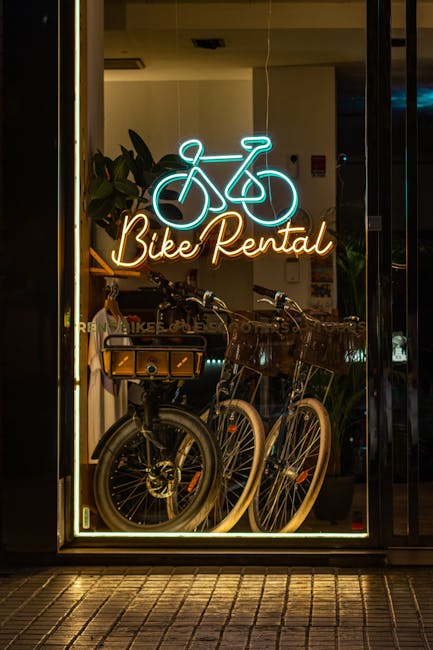
Getting around on foot or by bike in Zadar’s old town is pleasant and often the best option since many streets are pedestrian-only. The Riva (Obala kneza Branimira) and the Roman Forum see heavy foot traffic where a car is more of a hindrance than a help. Several rental shops offer bikes and electric scooters in the center; expect daily rates around €8–€20 for a standard bike and €15–€30 for an e-scooter. Example rental point: Rent a Bike Zadar, Obala kneza Branimira 8, 23000 Zadar (indicative address).
Common pitfall #9 — parking illegally in the old town: Zadar enforces paid parking zones (P1, P2, etc.) and carries out regular checks. Illegal parking fines often exceed €40–€60. Use official parking lots or paid garages near the center: Parking Garage (public), Obala kneza Branimira (near the Riva) — indicative rates €1.50–€3.00 / hour in the center during high season. Alternatively, park in free lots further out and walk or take a bus into the old town.
Common pitfall #10 — ignoring bike and scooter rules: some pedestrian areas ban fast electric scooters; use bike lanes where available and lock your bike/scooter with a quality lock (petty theft of bikes and scooters is a real issue during tourist season). Reputable rental shops often require a deposit (credit card) of €50–€200.
Common pitfall #11 — trusting unofficial parking offers: individuals sometimes offer “secure parking” in courtyards or small lots at attractive prices; these services may not give a receipt or accept responsibility for damage. Choose marked public parking lots and pay via the official app or meter, keeping the ticket visible on the dashboard.
- Bike tip: Prefer rental shops that include roadside assistance and helmets; avoid main roads without cycle lanes if you’re not comfortable.
- Parking tip: Expect the seafront (Riva) to be the most expensive; look for parking 5–10 minutes’ walk away for cheaper rates.
- Safety tip: Keep valuables out of sight in the car and don’t leave bags clearly visible on seats.
Conclusion: smart travel in Zadar — summary and final recommendations
Zadar is an attractive destination but its transport network requires a bit of preparation to avoid pitfalls. Practically, that means: always check schedules and piers (airport vs Gaženica port), stick to official points (taxis, stations, rental desks), buy and validate bus tickets, and take precautions with parking and vehicle rentals. The most expensive mistakes usually stem from impulsive choices on arrival (unofficial taxi), unvalidated tickets (fines) or poorly read rental contracts (insurance and hidden fees). By adopting a few simple habits — book ahead, photograph documents, ask for receipts, use official car parks — you’ll greatly reduce the risks.
Here’s a handy checklist to print or save on your phone:
- Keep useful addresses handy: Zračna luka Zadar, Zemunik Donji 4, 23206 Zadar; Autobusni kolodvor Zadar, Obala kneza Branimira 4, 23000 Zadar; Luka Gaženica, Ul. Bože Peričića, 23000 Zadar.
- Budget for airport transfer (bus €4–6, taxi €15–30) and possible car rental (€25–€90 / day depending on season).
- Buy and validate bus tickets; keep receipts; avoid taxis without a meter.
- Park in official lots and avoid undocumented “in-house” offers.
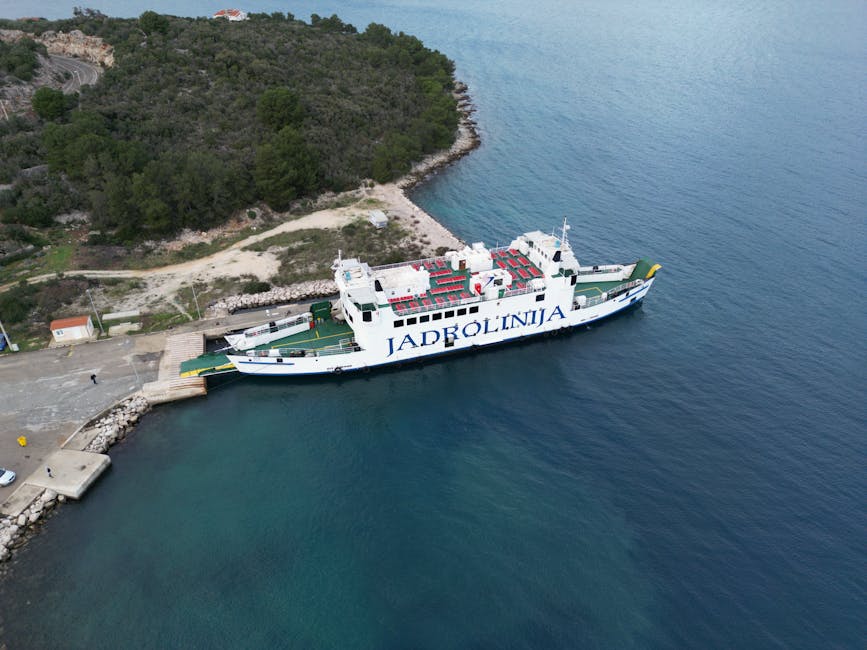
- For ferries to Ugljan, Pašman and other islands, confirm the pier (Gaženica vs center) and arrive 30–45 minutes before boarding in high season. Example ferry fare: Zadar–Preko (Ugljan) ≈ €4–€6 per person, varying by operator (Jadrolinija / Kapetan Luka).
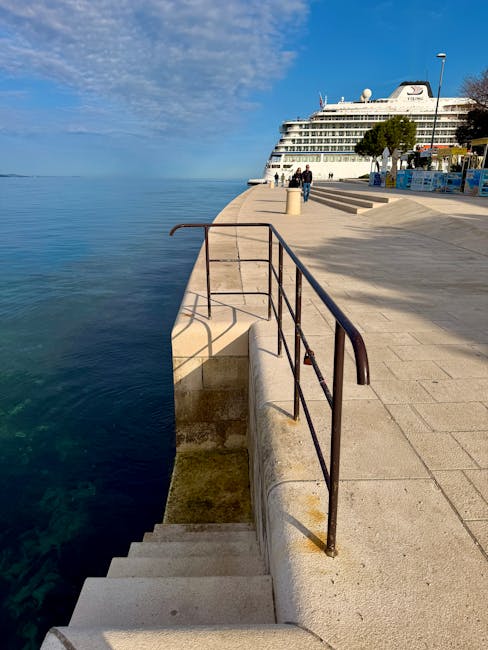
Finally, for a smooth stay, adopt a proactive mindset rather than a reactive one: check timetables the evening before, book key transfers in advance and note official contact details. Zadar’s locals are welcoming and usually ready to help — don’t hesitate to ask station staff or your accommodation for advice. Smart travel is above all about reducing surprises. With this guide you’ve got the tools to spot the most common pitfalls and work around them effectively. Enjoy your time in Zadar — watch the Riva sunsets, listen to the Sea Organ and let the city charm you without transport stress.