





Introduction — Zadar on Foot: 10 Unmissable Seaside Spots for the Perfect Coastal Walk
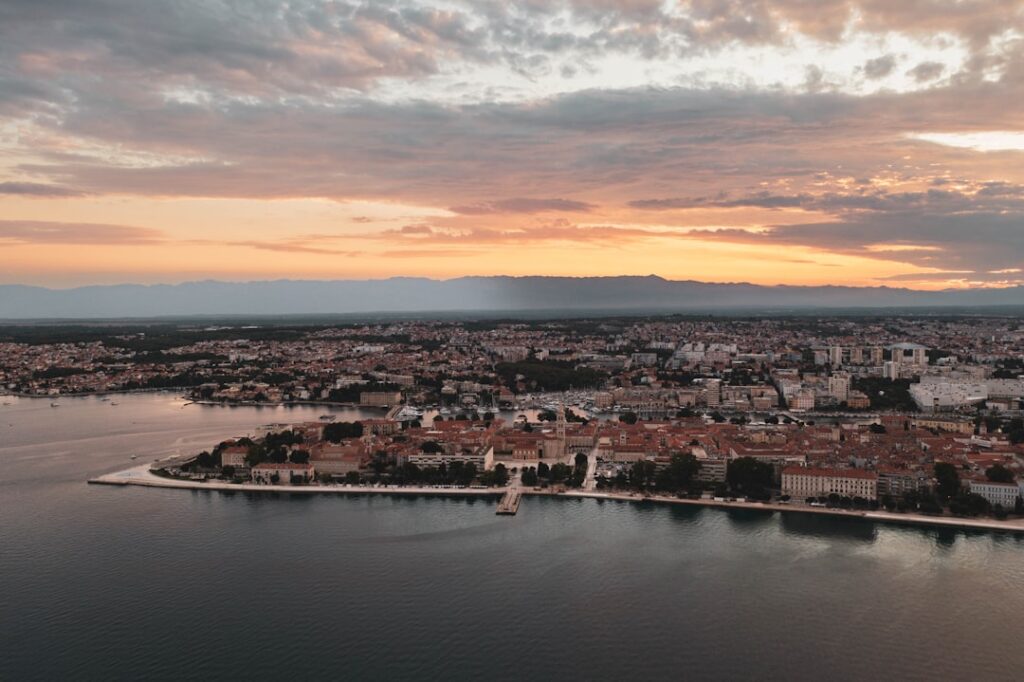
Zadar, a Dalmatian gem perched on a rocky peninsula and lapped by the Adriatic, is a city best explored on foot. Its compact old town, cobbled alleys, Roman remains and the seafront promenade (the « Riva ») pack history, architecture and sensory experiences into a small area. Walking in Zadar means tasting the salt in the air, hearing the sea converse with contemporary artworks, and passing medieval façades that tell centuries of trade and culture. This guide lays out a detailed coastal walk through Zadar and points out ten unmissable seaside sites, with exact addresses, prices in euros, opening hours and practical tips.
The selection is designed for a half-day or full-day stroll, mixing historical sites, sea viewpoints and local experiences. Each stop is described precisely: how to reach it on foot from the Riva, what to watch for once there, opening times and entrance fees (when applicable), plus practical advice to get the most from your visit, whether you’re a seasoned traveler or a casual sightseer. Most attractions are within short walking distance of one another, letting you pace the walk without needing transport — perfect for those who like to linger, grab a terrace seat and watch the light shift through the day.
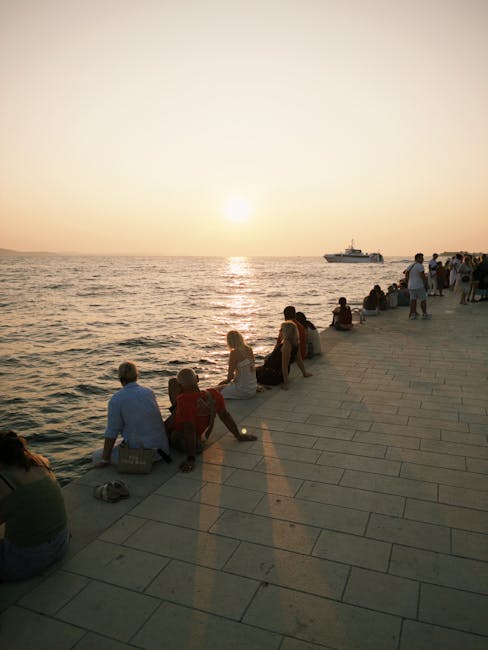
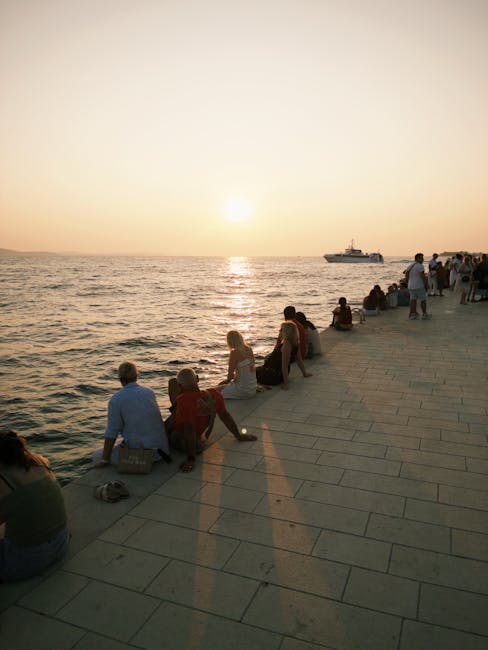
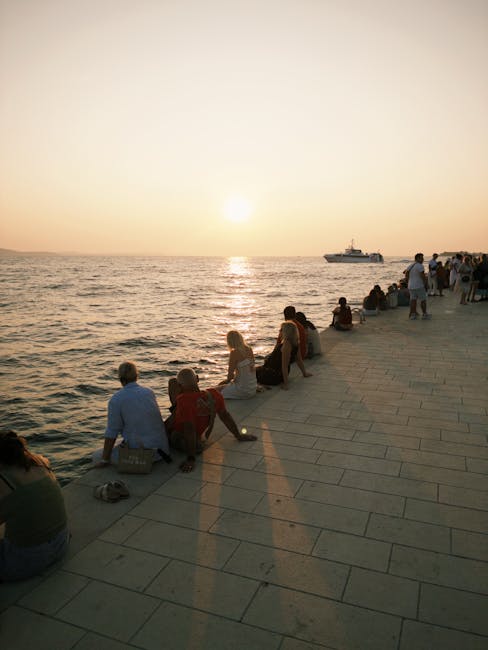
Zadar’s coastline also delivers magical moments: the sunset here is often called extraordinary (Alfred Hitchcock is famously said to have recommended it), and it’s on the Riva, between the Sea Organ and the solar installation, that the sea and city answer one another most clearly. This guide does more than list monuments; it offers local recommendations on the best times to visit, routes to avoid the crowds, small shops and cafés to stop at, and safety and comfort tips (suitable footwear, dealing with summer heat, accessibility information).
Finally, the addresses given make it easy to locate each place on a map or GPS, and hours/prices are shown in euros for convenience. Note that fees can change with the season (high summer vs off-season) and some sites offer discounts for students, seniors or groups — be sure to ask onsite. Now slip on comfortable shoes: here are the 10 seaside must-sees for an unforgettable walking tour of Zadar.
1. Morske orgulje — The Sea Organ (Morske orgulje)
Address
Morske orgulje (Sea Organ), Obala kralja Petra Krešimira IV, 23000 Zadar, Croatia.
Price
Entry: free.
Opening hours
Open 24 hours — best listening times: sunrise, early morning, or at sunset.
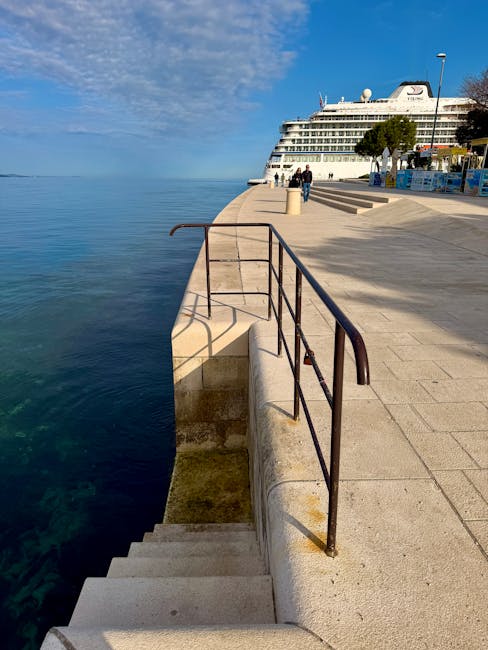
Created by architect Nikola Bašić in 2005, the Sea Organ is a one-of-a-kind sound installation: a stone staircase descending to the sea hides pipes and cavities that turn wave movement into random melodies. The sound depends on sea conditions — swell, wind, tide — producing a natural symphony you listen to as much as watch. The spot has become a magnet for photographers and strollers, especially in the golden hour.
Local tips: arrive early for a quieter experience, sit on the steps — watch out for wet stones — and let the sea play its music. Don’t disturb the installation by climbing on the mechanisms. In the evening the lighting adds to the magic, but it can be cool — bring a jacket.
2. Pozdrav Suncu — Greeting to the Sun (Pozdrav Suncu)
Address
Pozdrav Suncu (Greeting to the Sun), Obala kralja Petra Krešimira IV, 23000 Zadar, Croatia — located just a few metres from the Sea Organ on the Riva.
Price
Entry: free.
Opening hours
Open 24 hours — light show at night after sunset.
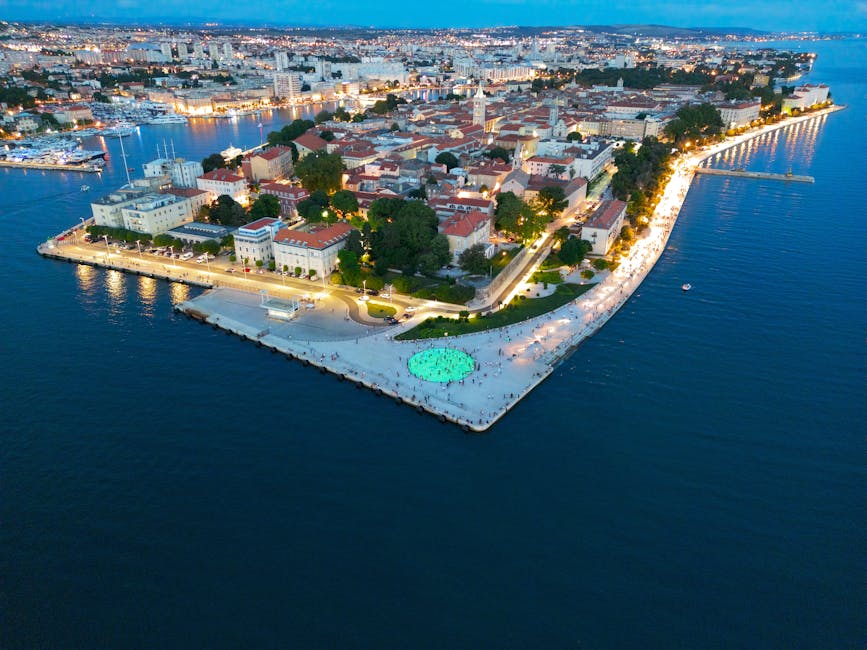
The Greeting to the Sun is a large installation made of 300 glass photovoltaic circles set into the ground, which store sunlight during the day and create a synchronized light show when night falls. Designed by the same architect as the Sea Organ, it has become a modern symbol of Zadar. The best time to see it is just after sunset, when the lights come on and the promenade comes alive.
Local tips: pair this visit with the Sea Organ for a complete audio-visual experience. Kids love running across the glowing circles, but be careful — surfaces can be slippery after rain. Night photos are spectacular with long exposures; bring a tripod if you have one.
3. Church of St. Donatus (Crkva sv. Donata)
Address
Crkva sv. Donata (Church of St. Donatus), Trg Petra Zoranića 1, 23000 Zadar, Croatia.
Price
Entry: free for exterior visits and religious services; interior visits / temporary exhibitions: about €3–5 (varies with season and exhibition).
Opening hours
Generally open: 9:00–18:00 (April–October), reduced hours off-season. Check locally for concerts and guided tours.
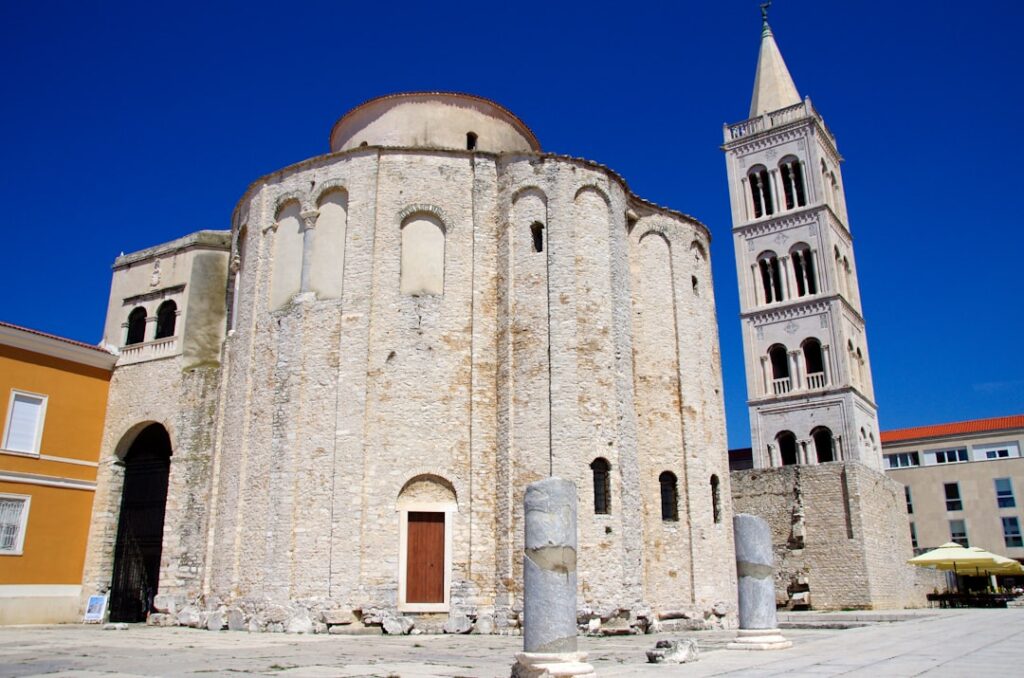
Built in the 9th century, the round Church of St. Donatus is an icon of Croatian pre-Romanesque architecture. Its cylindrical silhouette cuts against the sea and offers exceptional acoustics — early music concerts are often held here. Originally intended for liturgy, the building now hosts archaeological displays and cultural events.
Local tips: walk around its base for an unobstructed view of the Roman Forum and the sea. The interior may be simple but steeped in history; check for evening concerts to experience its remarkable sound.
4. Roman Forum (Roman Forum)
Address
Roman Forum, Trg Petra Zoranića, 23000 Zadar, Croatia (central square in the old town, adjacent to St. Donatus Church and the cathedral).
Price
Entry: free — outdoor area open to the public. Some covered archaeological sections or temporary exhibitions may charge (€3–6).
Opening hours
Accessible at all times; covered sites and museums: 9:00–17:00/19:00 depending on the season.
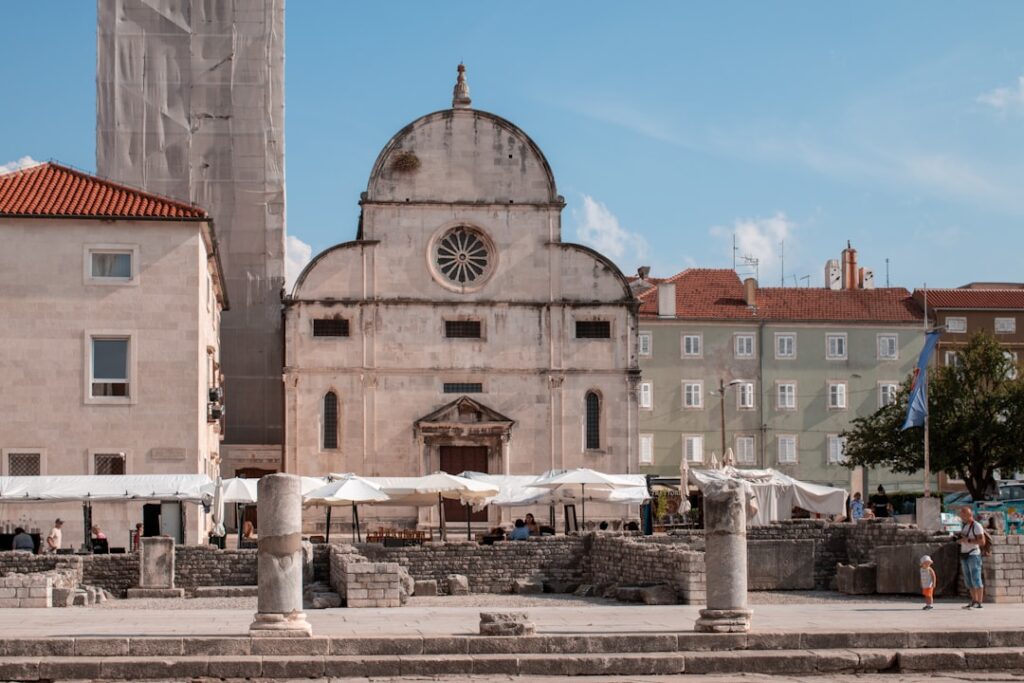
Zadar’s Roman Forum, founded in the 1st century BCE, is one of the most significant along the Adriatic coast. Ruins, columns and carved fragments testify to Zadar’s commercial and political role in Roman times. Stroll around the square, look for inscriptions, and imagine the markets and citizens of long ago — the contrast between the ancient forum and surrounding medieval buildings is striking.
Local tips: combine a forum visit with coffee at one of the terraces on the square. In the morning the light brings out the reliefs in the stone. If you’re into archaeology, take time to visit the small nearby museums that house mosaics and artifacts found on site.
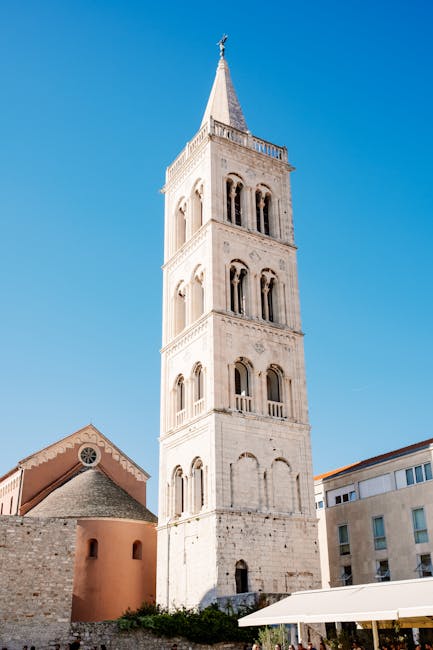
5. Cathedral of St. Anastasia (Katedrala Svete Stošije)
Address
Katedrala Svete Stošije (Cathedral of St. Anastasia), Ulica Sv. Stošije 17, 23000 Zadar, Croatia.
Price
Entry: cathedral access: free; bell tower access: about €3–5 (reduced rates for students/children).
Opening hours
Open: 8:00–19:00 in high season (reduced hours off-season). Bell tower: roughly 9:00–17:00; closed during religious events.
The cathedral dedicated to St. Anastasia is the largest religious building in Zadar. Dating from the medieval period, it houses artworks, relics and a bell tower offering panoramic views over the old town, the harbor and the sea. The climb up the bell tower is a must for anyone seeking dramatic photographic perspectives of the peninsula.
Local tips: head up the bell tower in the late afternoon to capture golden light over the rooftops. Respect service times — access can be limited during Mass. Dress modestly if you’re entering for a religious service.
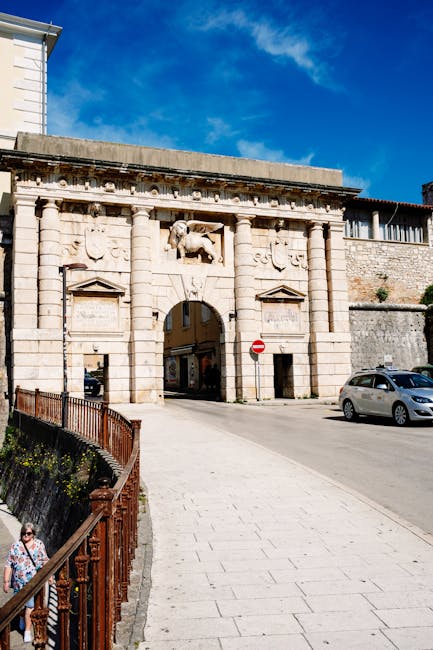
6. Land Gate (Kopnena vrata) and City Walls
Address
Kopnena vrata (Land Gate), Ulica kralja Petra Krešimira IV / Zdunska, 23000 Zadar, Croatia — main entrance to the old town from the south-east waterfront.
Price
Entry: free to view the gate and outer walls; guided tours may be paid depending on the route (€5–12).
Opening hours
Visible 24/7. Museums or exhibitions related to the walls: variable hours (generally 9:00–18:00).
The Land Gate is a masterpiece of 16th-century Venetian fortification, built to defend Zadar against invasions. Carved and decorated, it marks the threshold between the modern town and the medieval enclosure. The adjacent walls, towers and bastions offer walks with commanding views of the sea and maritime traffic.
Local tips: look for plaques and carvings on the gate, and walk the walls at sunset for a panorama of the sea and nearby islands. Historical guided tours add fascinating context — book ahead during peak season.
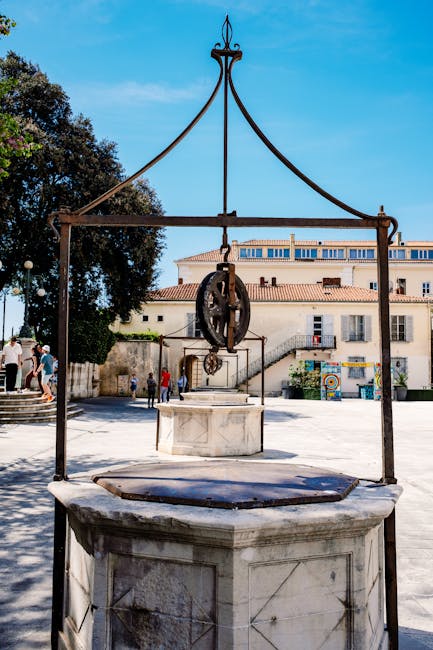
7. Trg Pet Bunara — Five Wells Square
Address
Trg Pet Bunara (Five Wells Square), Trg Pet Bunara, 23000 Zadar, Croatia — west of the Roman Forum, easily walkable from the Riva.
Price
Entry: public site, free.
Opening hours
Accessible 24 hours.
Five Wells Square is a characteristic medieval plaza marked by five aligned wells that speak to the city’s old hydraulic engineering. It’s a popular meeting place, surrounded by cafés and small traditional shops. The vibe here feels more local than touristy, making it a great spot to watch everyday Zadar life.
Local tips: sit on a terrace and enjoy a Croatian coffee (espresso) or a local rakija. Nearby markets and craft shops sell regional products — olive oil, honey and Dalmatian liqueurs. In the evening the square fills with young people and families and the atmosphere is friendly and lively.
8. Waterfront Promenade and the Riva (Rempart de la Marina)
Address
Riva (Zadar Waterfront), Obala kralja Petra Krešimira IV, 23000 Zadar, Croatia — runs along the peninsula, linking the main maritime installations.
Price
Entry: public promenade free. Restaurants and cafés: prices vary (meals €8–25, drinks €2–6).
Opening hours
Open 24 hours. Establishments along the Riva typically open 8:00–23:00/00:00 (summer hours).
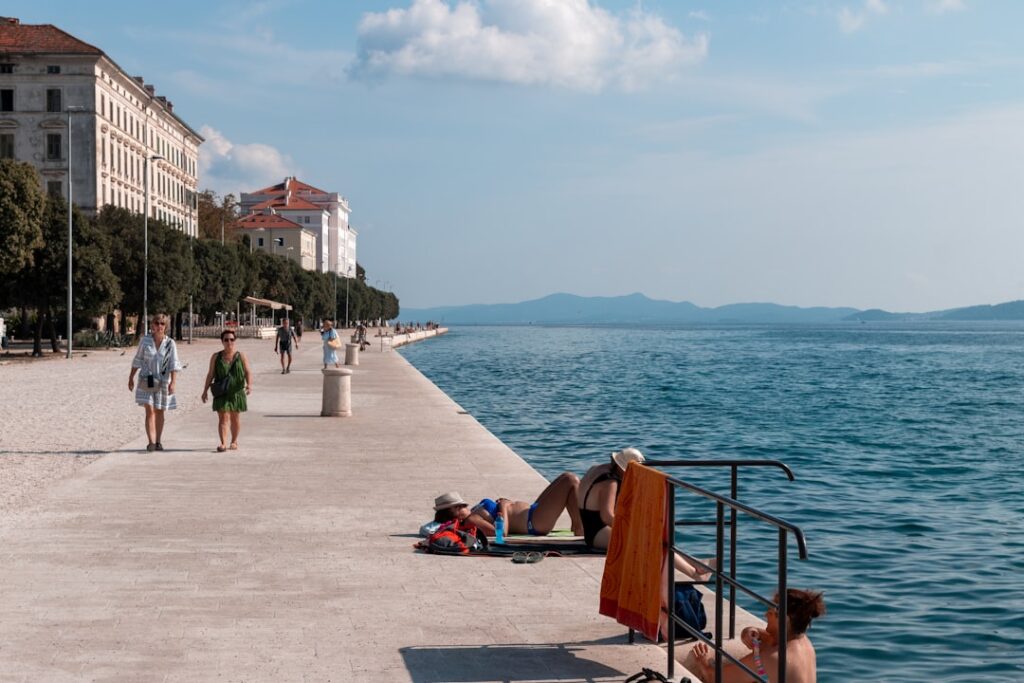
Zadar’s Riva is the city’s maritime artery: a wide promenade lined with palms, terraces and monuments. It connects modern attractions (Sea Organ, Greeting to the Sun) with historic ports and offers direct views of islands and boats. It’s the perfect place to stroll, watch harbor life and sit down for a waterfront meal.
Local tips: aim for a terrace table at lunch or dinner around sunset. Seafood is fresh and plentiful: grilled calamari, catch of the day and brudet (fish stew) are must-tries. For tighter budgets, choose a konoba (tavern) a little off the Riva for more affordable prices.
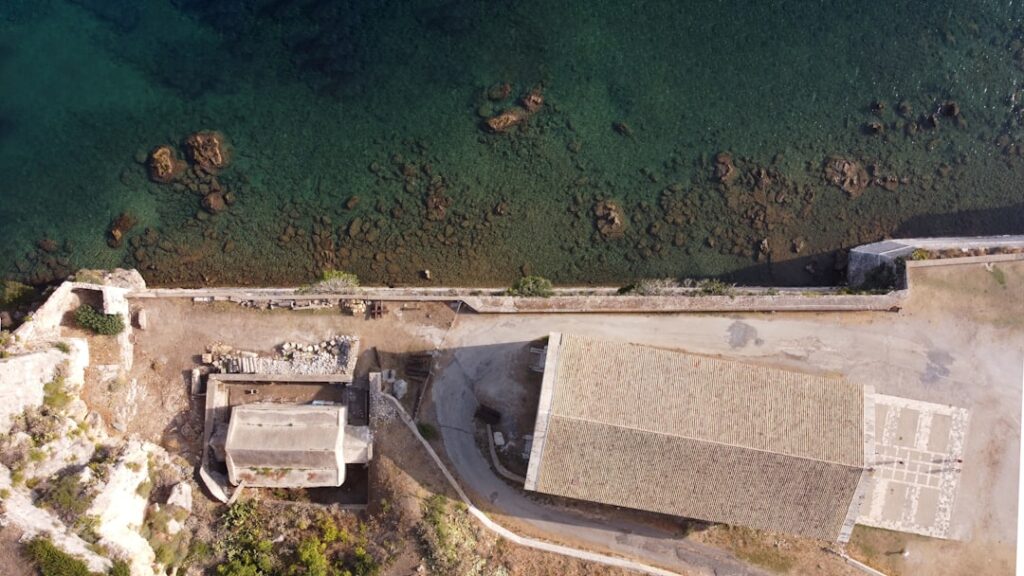
9. Fortress of St. Nicholas (Tvrđava sv. Nikole)
Address
Tvrđava sv. Nikole (Fortress of Saint Nicholas), Uvala Badeka, 23000 Zadar, Croatia — at the harbor entrance, opposite the islet of Puntamika; reachable on foot via the pier or by boat from the Riva.
Price
Entry: varies depending on access and exhibitions — often €4–10. Some visits require a boat crossing (€2–5 return).
Opening hours
Open mainly in season (May–Sept): 9:00–16:00/18:00. Reduced hours off-season; check before you go.
The Fortress of St. Nicholas has guarded the harbor entrance since the 16th century. Its massive architecture and strategic position make it attractive to lovers of military history and Venetian fortifications. Interior access can be limited, but the view from the surrounding areas and the pier is spectacular, especially for observing the comings and goings of ferries and yachts.
Local tips: if the interior is closed, at least take the boat trip to see the fortress from the sea. Bring water and a hat in summer — exposure and wind can make the visit physically demanding. Photographers will appreciate the fortress’s geometric lines and maritime views.
10. Kolovare Beach and Kolovare Promenade
Address
Kolovare Beach, Ul. kraljice Jelene 8, 23000 Zadar, Croatia — the city’s main beach, east of the historic centre, a 10–15 minute walk along the waterfront.
Price
Entry: public beach free; sunbeds and umbrellas: about €6–12 per day depending on the season.
Opening hours
Open access 24 hours. Beach services (showers, rentals): 8:00–19:00 in summer.
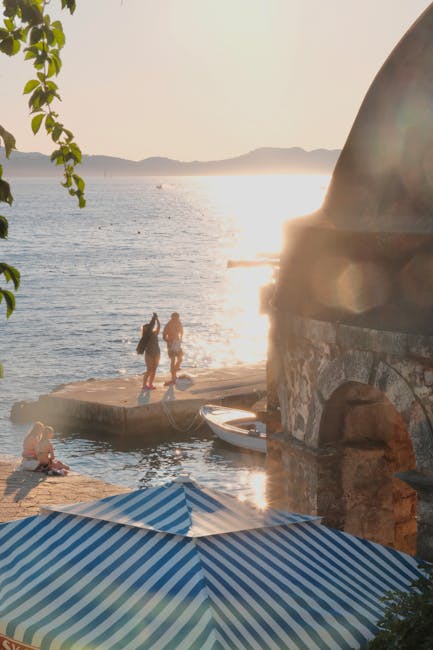
Kolovare is the most convenient beach for combining old-town sightseeing and a swim. It features pebble and concrete areas, showers and facilities for family days. The Kolovare promenade runs along the coast and leads to quieter coves to the east and sandy beaches on the small nearby islands reachable by boat.
Local tips: for clearer water and natural coves, keep walking east along the shore to small bays. Arrive early in high season to secure space, or opt for island beaches (ferries from the marina). Reapply sunscreen often and drink water regularly — Dalmatian sun can be intense in summer.
Conclusion
The coastal walk in Zadar brings together the best of Dalmatia: ancient and medieval heritage, contemporary art installations, friendly seafront promenades and accessible beaches. By following these ten stops — the Sea Organ, Greeting to the Sun, Church of St. Donatus, Roman Forum, Cathedral of St. Anastasia, Land Gate, Five Wells Square, the Riva, Fortress of St. Nicholas and Kolovare Beach — you’ll gain a complete picture of what Zadar offers visitors who take the time to walk and observe.
To make the most of your route: start early to enjoy soft light and quieter streets, or plan to arrive at the Riva at sunset to witness the Sea Organ’s music and the Greeting to the Sun’s light show. Wear comfortable shoes, bring water, sun protection and a light sweater for the evening. If you travel in summer, plan breaks in shaded cafés and consider booking concerts or popular guided tours in advance. And if you have extra time, extend your itinerary to the nearby islands — Zadar is an excellent departure point for boat trips to the Kornati, Dugi Otok and Ugljan.
The opening hours and prices in this guide are indicative: they sometimes vary with season, special events and site/museum policies. Check official information before your visit or contact local tourist offices (Zadar Tourist Board, Ul. Mihovila Pavlinovića 1, 23000 Zadar) for confirmations and bookings. With this guide in hand, discovering Zadar on foot becomes a rich and memorable experience: take the time to listen, look and taste — the sea and the city will tell you their story.