





Introduction: why Zadar’s waterfront deserves more than just a photo
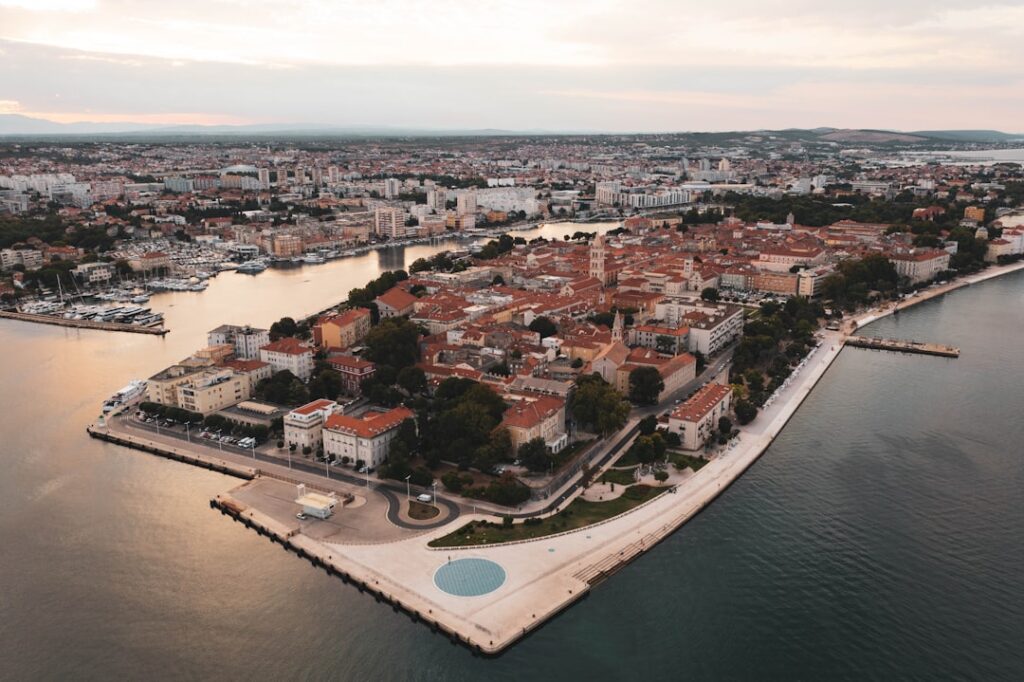
Zadar’s waterfront, stretching alongside the old Dalmatian town, is one of the Adriatic’s loveliest promenades. Roman history, everyday local life and striking modern installations meet a deep-blue sea here. But behind the postcard views lie tourist realities: fluctuating prices, visitor traps, busy hours, and spots that deserve a little more attention to understand their true worth. This guide is for travelers who want to make the most of Zadar’s waterfront without getting fleeced — getting the best experience, at the right price and time, with local tips that make a visit feel authentic.
The waterfront isn’t just about the “show” of sunset, although that’s a must-see. It begins north of the old city gate and runs along Obala kralja Petra Krešimira IV, passing the famous Morske orgulje (Sea Organ) and the luminous Pozdrav Suncu (Greeting to the Sun), and continues past small marinas, cafés, markets and museums. You’ll find fine-dining seafood, family taverns, artisan gelato, fish markets where locals buy the catch of the day, and marine activities (ferries, boat trips, diving and paddleboarding).
This guide gives exact addresses, prices in euros, typical opening hours, immersive descriptions and practical advice: how to avoid queues at attractions, where to sip the best Dalmatian coffee facing the sea, which restaurants offer the best value, and which parts of the promenade suit families, photographers or solo travelers. Use this information to plan a day on the waterfront, evening activities, and to spot where the locals hang out — often the best sign of quality and authenticity.
Finally, you’ll get simple safety tips: avoid certain times to not overpay, check menus and prices before sitting down, prefer recommended tour operators, and find official ticket points for ferries and excursions. There are also alternatives if you want to escape crowded areas and discover Zadar’s quieter, residential coast. Be ready to walk, to literally listen to the sea play through the organ, to admire an electronic sunset with the Pozdrav Suncu, and to enjoy seafood straight from quay to plate.
1) Waterfront highlights: where to go, when to go and what it costs
The waterfront includes a mix of free and paid attractions. Here are the spots you shouldn’t miss, with precise addresses, opening hours and prices in euros. These details will help you prioritize your visit and avoid disappointment.
- Morske orgulje (Sea Organ) — Obala kralja Petra Krešimira IV, 23000 Zadar, Croatia. Free. Open 24/7. Description: an architectural and musical installation where waves push air through pipes to create harmonious sounds. Visit early in the morning (6:30–9:30) to enjoy calm seas and a contemplative atmosphere. Tip: stand on the north side for a deeper tone; the south side gives a clearer sound.
- Pozdrav Suncu (Greeting to the Sun) — Obala kralja Petra Krešimira IV, 23000 Zadar, Croatia. Free. Open 24/7. Description: a glass disc and photovoltaic panels that light up after sunset in a synchronized light show. Tip: arrive 20–30 minutes before sunset to grab a good spot and avoid the crowds.
- Archaeological Museum Zadar (Arheološki muzej Zadar) — Trg opatice Čike 1, 23000 Zadar. Indicative price: 30 HRK ≈ €4.00 (adult); student and senior reductions usually available (check on site). Hours: high season (April–October) 9:00–19:00, low season often reduced (09:00–16:00). Description: Roman and medieval collections linked to Zadar’s history, ideal to contextualize the remains along the waterfront.
- Museum of Ancient Glass — Obala kneza Trpimira 2, 23000 Zadar. Indicative price: 40 HRK ≈ €5.30 (adult). Hours: 9:00–17:00 (high season 9:00–18:00). Description: glassblowing demonstrations, Roman pieces in modern displays, and an artisan shop. Tip: join a guided show to watch the demonstration — pay on site, groups are limited.
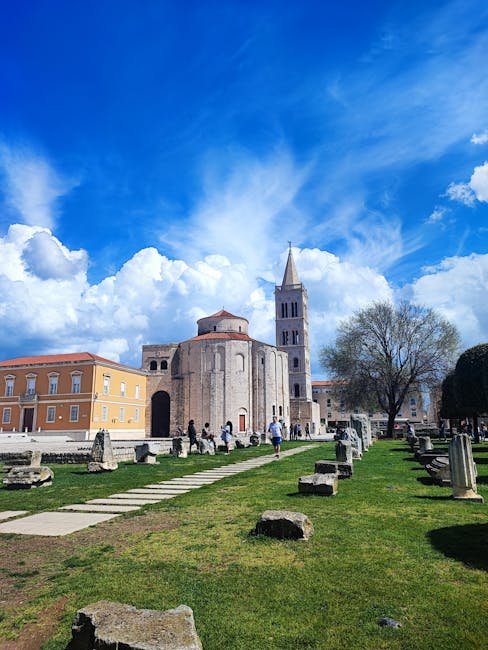
- Church of St. Donatus (Crkva sv. Donata) — Trg 5 bunara, 23000 Zadar (vicinity). Entrance: free to explore the exterior; interior visits often possible for 10–20 HRK ≈ €1.30–2.70. Hours: 8:00–18:00 in season. Description: an iconic symbol of the city, this pre-Romanesque church is extremely photogenic from the waterfront.
- Zadar Ferry Port (Zadar Luka/Trajektna luka) — Obala kneza Branimira/Obala kneza Trpimira area, 23000 Zadar. Price: varies by destination (e.g., Zadar–Dugi otok about €3–10). Hours: regular lines run throughout the day; Jadrolinija ticket office usually open 7:00–21:00 in season. Tip: buy tickets online or early in the morning for popular crossings.
Practical tip: most waterfront attractions are free or low-cost, but restaurants and marine activities can quickly increase your spending. Always compare a dish’s price on two nearby menus before sitting down — the same salad or fish can vary widely over just 50 meters.
2) Where to eat and drink without getting ripped off: addresses, prices and hours
The waterfront area has options for every budget — from €1.50 espressos to upscale seafood restaurants where a meal tops €50 per person. Here’s a curated list ranked for value, with exact addresses, price ranges and typical hours.
- Konoba Skoblar — Ul. Lova 1 (near the port), 23000 Zadar. Speciality: grilled fish and small Dalmatian plates. Prices: starters €6–12, mains €12–22. Hours: 11:00–23:00 (closed some Sundays in low season). Tip: reserve a sea-facing table in high season.
- Restaurant Bruschetta — Obala kneza Trpimira 6, 23000 Zadar. Speciality: modern Mediterranean cuisine. Prices: antipasti €5–10, mains €12–28. Hours: 10:00–24:00. Note: the anchovy bruschetta and braised lamb are reliable choices; check the English menu to avoid surprises about portion sizes.
- Bunari Café & Grill — Trg 5 bunara (near St. Donatus church), 23000 Zadar. Prices: coffee €1.50–2.50, sandwiches €4–8, mains €8–18. Hours: 07:00–22:00. Great for a morning coffee facing the Roman forum. Local tip: order a « kava s mlijekom » (local-style coffee with milk) for an authentic pause.
- Foša — Foša port, Ulica Fosa 1, 23000 Zadar. Prices: menus €25–55 per person depending on choices. Hours: 12:00–23:00 (reservation recommended). Description: a more upscale spot by the Foša basin, perfect for a romantic seafood dinner. Tip: ask for the daily catch—often sourced locally.
- Gelateria Donat — Obala kralja Petra Krešimira IV 2, 23000 Zadar. Price: scoop €1.50–2.50. Hours: 10:00–22:00 in season. A must after a sunset stroll.
Anti-scam tips:
- Avoid restaurants that only display a full menu in Croatian at the entrance: ask for a translated menu and prices before sitting down.
- Be wary of “tourist prices” near the Sea Organ/Pozdrav Suncu—side streets often have fairer rates.
- For fish and seafood, check if there’s a daily chalkboard special (« riba dana ») and ask the approximate weight: prices are often by the kilo.
3) Activities and excursions from the waterfront: boats, diving and coastal outings
The waterfront is your gateway to the Dalmatian islands and marine activities. Here’s how to choose excursions, reliable providers, indicative prices and the best times to go.
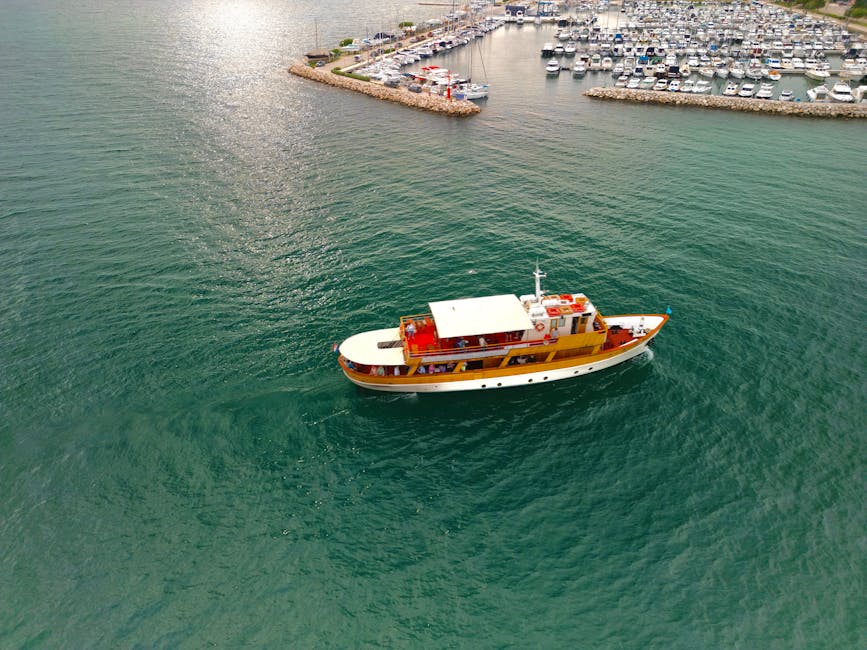
- Boat trips to Dugi Otok, the Kornati and Ugljan — tickets at the marina offices and agencies along Obala kralja Petra Krešimira IV. Indicative prices: half-day €30–45 per person, full day €45–80 depending on destination (Kornati tends to be pricier and often includes a guided tour). Hours: departures commonly between 8:00–10:00; returns between 15:00–18:00. Tip: for Kornati trips, check whether the boat stops at snorkeling spots and whether a naturalist guide is included.
- Kayak / SUP rentals — rental spots along the waterfront near the port. Price: 1 hour €10–15, half-day €25–35. Hours: 8:00–19:00 in season. Advice: head out in the morning for calm waters; avoid the thermal afternoon winds.
- Scuba diving and snorkeling — dive centers like Dive Zadar (check local address on the waterfront). Price: discovery dives €60–90, certified dives €40–70 per dive (equipment included or extra). Hours: morning and early-afternoon outings; book the day before.
- Guided walking tours of the waterfront — local guides offer 1.5–3 hour tours. Price: €10–25 per person depending on group size and theme (history, architecture, street food). Best times: morning or late afternoon to avoid heat and to get ideal photo light.
Practical tips:
- Book popular excursions (Kornati, Dugi Otok) at least 24–48 hours in advance during high season to avoid sold-out boats.
- Always ask if the price includes hotel transfers, drinks and lunch — that often explains a €10–30 difference in listed prices.
- For water sports, insist on a well-kept helmet and life jacket; refuse boarding if the equipment looks worn out.
4) Getting around, where to stay and money-saving practical tips
Finding your way along Zadar’s waterfront is easy thanks to the Obala kralja Petra Krešimira IV promenade, but a few logistical details will save you time and cash. Here’s practical advice on transport, lodging and seasonality.
Transport
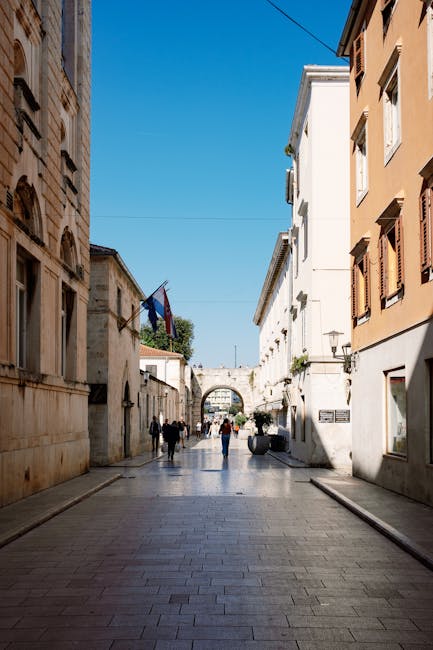
The waterfront is mostly pedestrian — walking is the nicest way to take in the views. For longer trips:
- City bus — Liburnija/Zadar Bus network; stops around Trg Petra Zoranića and the Riva. Ticket: about 10 HRK ≈ €1.35 (single ride). Hours: roughly 5:00–23:00 depending on the line. Tip: buy a multi-ride ticket or check the local app to save money.
- Taxis — taxi rank near Trg Bartula Kašića; base fare approx. 20–25 HRK ≈ €2.70–3.40, per-kilometer rates vary. Tip: ask for an approximate fare before you get in to avoid surprises.
- Ferries and catamarans — departures from Zadar Ferry Port; Jadrolinija and private operators run services. Prices vary; buy online to secure your place on busy crossings.
Accommodation
Hotels and apartments line the waterfront. To save:
- Avoid paying a premium for a « sea-facing » room if you don’t need the view — it can add 20–50% to the cost.
- Choose a place 5–10 minutes’ walk from the Riva (Obala kralja Petra Krešimira IV): quieter but close. Guesthouses and apartments on Ul. Jurja Dalmatinca or Ul. Nikole Tesle often offer better rates.
- Indicative prices: hostels €15–35 per night, 3-star hotels €50–90, 4-star €90–160, boutique hotels €160+. These vary a lot in July–August.
Seasonality and best time to visit
High season: July–August (crowds, higher prices). Best times: May–June and September–October — pleasant weather, softer prices and fewer people. From November–March, some attractions and restaurants reduce hours or close.
Concrete money-saving tips:
- Favor morning visits and off-peak dinners; restaurants sometimes offer cheaper lunch menus (menu del giorno).
- Buy drinks at convenience stores (usually about half the price) instead of tourist cafés.
- Use local markets for a picnic: Zadar’s market on Obala kralja (check the exact location) sells fresh fish, cheeses and seasonal vegetables.
5) Safety, scams and respectful behavior
Zadar’s waterfront is generally safe, but like any tourist area a few precautions help you avoid incidents and scams.
- Common scams: menus without prices (always ask), upselling on boat tours (check what’s included), fake agencies offering suspiciously cheap excursions — prefer agencies with physical offices and read reviews. If a deal looks too good to be true, it usually is: expect limited service or hidden extras.
- Pickpocketing: rare but possible in crowded sunset areas. Keep phones and wallets in inner pockets or zipped bags.
- Beaches and swimming: some waterfront stretches aren’t set up for swimming (rocky quays). Use designated beaches like Kolovare Beach (Ulica 3. maja area) and heed signs and currents. Water is clear but can be chilly outside high season.
- Respectful behavior: Zadar is a historic city and locals are proud of their heritage. Respect quiet hours in residential zones at night, don’t eat or urinate in protected areas, and ask permission before photographing people up close.
Useful numbers:
- Police / Emergency: 112 (European emergency number).
- Port Authority / Zadar Harbour Office: inquire at the port ticket offices (open desks adjacent to the Obala).
- Infirmary / Pharmacy: several pharmacies open during the day on Obala kralja Petra Krešimira IV and around the old town; for emergencies ask your hotel or the tourist office.
Final tip: to get the best photos undisturbed, arrive 45–60 minutes before sunset and settle toward the south end of the Riva. The Pozdrav Suncu lights up automatically after dusk and lasts about 20–30 minutes — a perfect window to capture the transition between ancient architecture and modern installations.
Conclusion: enjoy Zadar’s waterfront by knowing the rules of the game
Zadar’s waterfront is rich, varied and accessible: the sea turned into music by the Morske orgulje, the light show of the Pozdrav Suncu, taverns serving freshly caught fish, and boats heading to nearly untouched islands. With a few simple rules (check prices, book popular excursions in advance, choose less crowded times), you can turn a typical tourist visit into a memorable, authentic experience.
To recap the key points: arrive early for iconic spots and the best photo light; compare menus and ask prices clearly in euros or kunas; book sought-after marine trips ahead; favor restaurants recommended by locals or tried by other visitors; and respect public spaces and residents. These simple habits will save you time and money and spare you disappointment.
Finally, remember that the best way to « not get ripped off » is to be informed, curious and to talk to locals. Fishermen, small café owners and guides are happy to share tips on the catch of the day, lesser-known swimming spots and little stories about the city. These encounters cost nothing but often mean more than any guidebook: they give you a local perspective, privileged access and sometimes invitations to off-the-beaten-path experiences.
Enjoy your stay in Zadar: listen to the sea, soak up the sun and walk with common sense. The waterfront is there to be experienced — as long as you go prepared.