





Introduction: Zadar Walks — why you should know how to avoid waterfront and market traps
Zadar, a gem on Croatia’s Dalmatian coast, charms visitors with its lively seaside atmosphere, world-famous sunsets and ancient heritage. Crowds flock to the Obala (waterfront) to hear the haunting tones of the Morske Orgulje (Sea Organ) and to watch the light show of the Pozdrav Suncu (Greeting to the Sun). What many don’t realize, though, is that the same waterfront also concentrates tourist traps: overpriced shops, restaurants serving smaller portions for higher prices, pushy street vendors, and queues for “free” attractions that end up costing you more (souvenirs, drinks, photos offered “with” the visit). The markets, by contrast, show a more authentic side of local life — fresh produce, fishmongers calling out their catch, stalls of spices and olives — but if you’re unprepared you can pay too much, buy less-fresh goods, or miss the real atmosphere by going at the wrong time.
This guide aims to turn your Zadar strolls into thoughtful, enjoyable and wallet-friendly experiences. I’ll map the tricky spots on the waterfront, explain how to spot menu traps and find solid restaurants, give precise addresses and opening hours for key places, offer concrete tips for bargaining at markets and direct you to the best products (fish, olive oil, cheese, lavender). You’ll also find alternate routes and quieter walks that preserve Zadar’s soul without the tourist drawbacks.
Expect practical information here: full addresses (streets and postal codes), price ranges in euros, opening hours, immersive descriptions of places — smells, sounds, textures — and local tips tested on the ground. The goal is twofold: help you enjoy the waterfront without getting ripped off, and show you how to use the markets as an authentic resource for cooking local food or bringing back high-quality items.
Browse these sections before you arrive or keep them on your phone while you walk. Prices and hours are indicative and can vary by season; I’ll also explain how to check updates. To make the reading more visual, I’ve included image markers that point out the most photographed scenes and the most useful places to know.
1) The waterfront (Obala): spotting and avoiding common traps
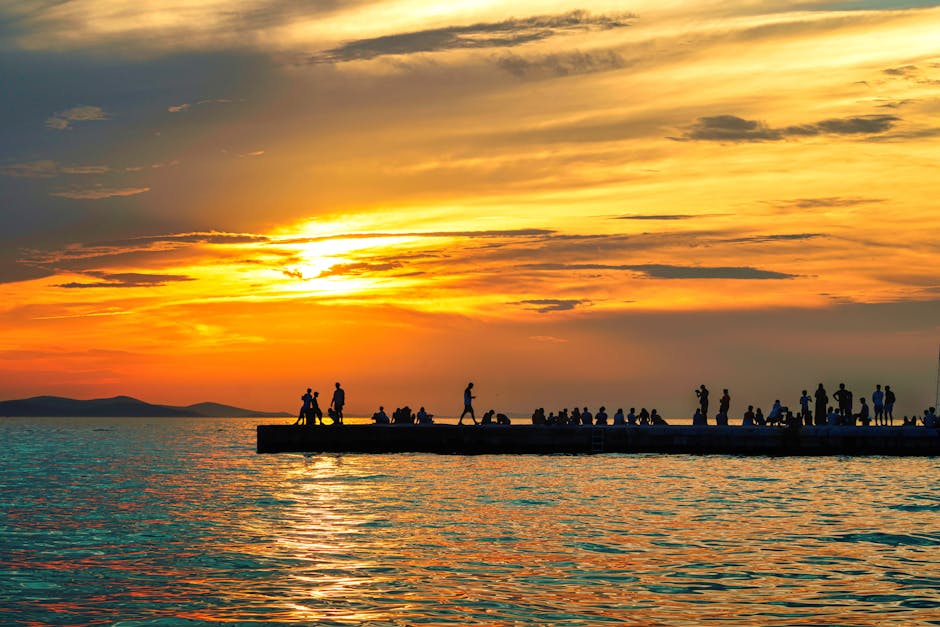
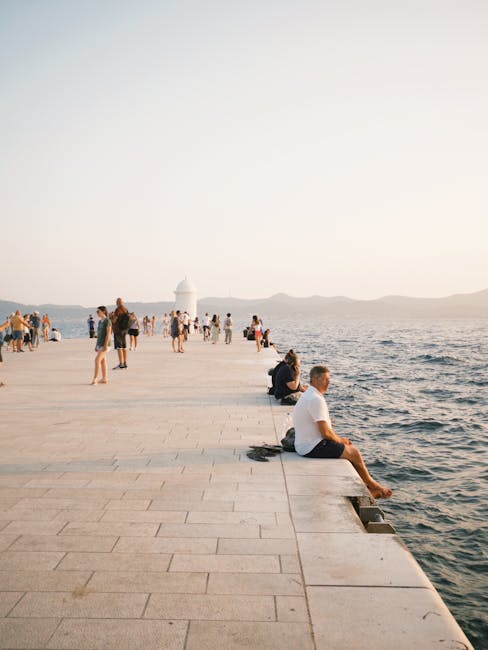
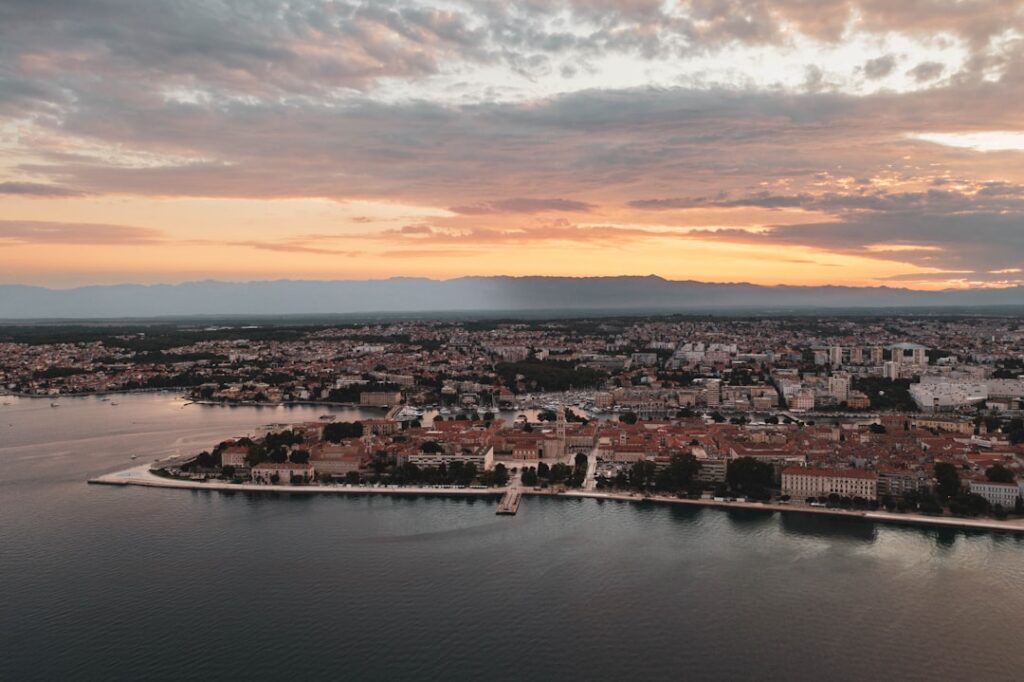
Zadar’s main waterfront stretches along Obala kneza Branimira and Obala kralja Petra Krešimira IV, 23000 Zadar, Croatia. This is where the Sea Organ (Morske Orgulje) and the Greeting to the Sun (Pozdrav Suncu) are located — two free, hugely popular public installations. The magic is real: you walk on stone steps, hear the sea’s breath turned into music, and when the sun dips the solar disc lights up in a contemporary show.
Why it’s a trap: crowds create a small tourist economy around these spots: cafés and restaurants boast waterfront terraces with marked-up prices, street photographers offer “professional” shots against the organ backdrop at steep rates, and souvenir stalls often sell poor-quality items. Restaurants “facing the sea” sometimes display menus in euros without clarifying extra charges (service, bread, cover). You’ll also often find “regional” dishes that are overly standardized for the price.
Practical tips to avoid the traps:
- Don’t automatically sit at the terrace closest to the water. Prices can be 20–40% higher than two streets inland. Example: a margherita pizza on the Riva can range from €8 (small local place) to €15–18 at a waterfront restaurant.
- Check the menu before you sit down. Menus displayed on the street are your best protection: look at prices, whether a “cover” or “service” charge (sometimes €1–3 per person) is listed, and the opening times. Reputable places also show allergens and product origin.
- Be wary of commercial photos. If a street photographer offers a printed photo or a package deal, ask the price before any shots are taken: offers range from €5 to €25 depending on the promised product.
- Choose recommended places. Rather than picking at random, go for well-known addresses: quality is often better and pricing more transparent.
Key addresses and hours along the waterfront:
- Sea Organ (Morske orgulje) — Obala kralja Petra Krešimira IV, 23000 Zadar, Croatia. Open access 24/7. Free attraction.
- Greeting to the Sun (Pozdrav Suncu) — circular installation at the end of Obala kneza Branimira, 23000 Zadar. Open access 24/7. Free attraction (lights on at night).
- Northern Riva / Kalelarga (Ulica Siroka) — pedestrian promenade and shopping streets: watch out for souvenir shops in the upper part of the waterfront. Shop opening hours vary but most open 09:00–21:00 in high season.
2) Zadar markets: where to go, when, and how not to get ripped off
Zadar’s markets are spread around the historic squares: Narodni Trg (People’s Square), Trg Pet Bunara (Five Wells Square) and the nearby streets. One of the best-known is the central market (Gradska tržnica Zadar), often called the “Green Market” by English speakers. For the most authentic experience, go early — between 06:00 and 10:30 — when produce is freshest and prices haven’t been indexed to tourists yet.
Addresses and hours:
- Gradska tržnica Zadar / Zadar City Market — Narodni trg 1, 23000 Zadar, Croatia. Typical hours: 06:00–13:00 (fresh produce market), some stalls open in the afternoon during high season. Some vendors are closed on Sunday mornings. Indicative prices: tomatoes €1–2/kg, peaches €1.5–3/kg depending on season, basil/mint €0.5–1 per bunch.
- Trg Pet Bunara (Five Wells Square) — Trg Pet Bunara, 23000 Zadar, Croatia. Historic square with a few temporary stalls and cafés around. Use it mainly as a landmark.
- Pescaria (local fish stall at the market) — often located near the quay or central market. Fish prices vary widely: sardines €6–10/kg, gilthead bream (orada) €12–20/kg, fresh tuna €18–30/kg depending on size and season.
Common market traps:
- Wrong visiting time: If you arrive after 10:30–11:00, the best lots are gone and prices rise. Vendors know when tourists arrive and adjust prices.
- Not asking the price in advance: Some stalls don’t display prices; always ask for the cost per kilo or per item. Insist that produce for weight be weighed in front of you.
- Ignoring seasonality: Buying out-of-season items (imported exotic fruits) is often pricier and less tasty. Opt for local seasonal produce: figs in late summer, citrus in winter, olives and olive oil in autumn.
- Buying processed products: Olive oils, honeys, cheeses and preserves make great souvenirs if purchased from reputable local producers. Avoid labels that say only “Made in EU” with no farm information. When buying in bulk, expect to negotiate around 10–30% off.
Effective local tips:
- Learn a few basic phrases: “Koliko košta?” (How much does it cost?) and “Možete li smanjiti cijenu?” (Can you lower the price?) can help you secure a modest discount. Politeness goes a long way.
- Bring cash: Small producers prefer cash. Carry small notes (€5, €10, €20); some vendors refuse large bills because they lack change.
- Visit the fish stall with a local: If you want fish to cook, ask when the boats arrive (usually early morning) and choose a seller with fresh ice and only a faint sea smell — a sign of freshness.
- Packing and transport: If you buy olive oil or wine, make sure bottles are sealed and well packed for travel; for cheese and fish, consider a cooler or buy them on your last day.

3) Alternate routes and walks off the tourist trail
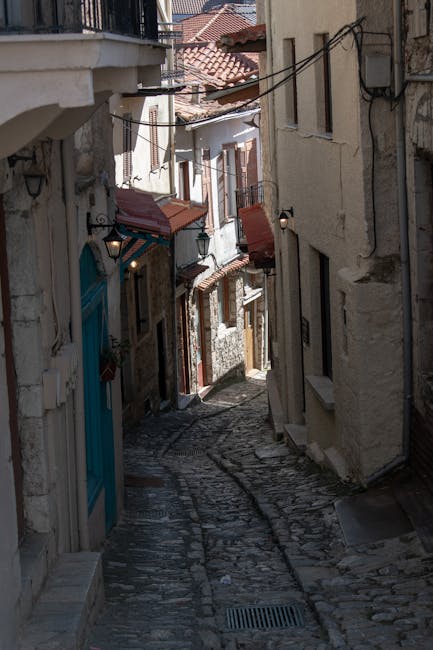
To avoid the crowds and feel Zadar’s true character, turn your back on the Riva and explore the inner neighborhoods, small harbors and parks. Here are three routes tailored to different interests (culture, nature, food), with addresses and timing tips.
Cultural route (2–3 hours):
- Start at the Archaeological Museum Zadar — Trg opatice Čike 1, 23000 Zadar. Hours: 09:00–17:00 (sometimes closed on Monday, check before visiting). Admission: around €5–7 for permanent exhibitions (reduced rates for students and seniors). The museum has a fine collection of Roman and medieval artifacts that explain the city’s long history.
- Then walk to Five Wells Square (Trg Pet Bunara) — Trg Pet Bunara, 23000 Zadar, to enjoy Venetian architecture and small craft shops. It’s a good spot for a shaded mid-morning coffee (espresso around €1.20–2).
- Finish near St. Donatus Church — Trg Jurja Dalmatinca 1, 23000 Zadar (a venerable pre-Romanesque church). Interior access may sometimes require a small fee for guided visits (€2–5); the site is particularly photogenic in late afternoon.
Nature route (morning or late afternoon):
- Walk along the port of Gaženica (depending on your starting point) to watch fishing boats and the comings and goings of sailors. Indicative address: Riva Gaženica, 23000 Zadar.
- Then head to Queen Jelena Madijevka Park (a small public park — local name) for a shady break away from tourist flows; it’s ideal for a picnic with items bought at the morning market.
- If you have time, take a bus or taxi to Telašćica Nature Park (excursions from Zadar, allow half a day). Boat trip prices vary from €25 to €55 depending on operator and duration.
Gastronomic route (half day):
- Begin with breakfast at the Square Café — Narodni trg 2, 23000 Zadar. Coffee €1–2, pastries €2–5.
- Wander the central market (see previous section) to buy olives, Paški sir (cheese from Pag), local olive oil and artisan bread. Example: Paški sir €18–28/kg depending on aging; 100–200 g is enough for a picnic.
- For a more substantial lunch, head off the waterfront to konobas (local taverns) in the Varoš neighborhood where prices are more reasonable: seafood risotto €10–15, meat dishes €8–12.
4) Practical tips, safety, budget and local recommendations
To keep your Zadar walks relaxed, here are concrete recommendations covering safety, daily budget, transport and local etiquette.
Safety and behavior:
- Pickpockets: Zadar is generally safe, but like any tourist city be wary of pickpockets on the Riva and in public transport during high season. Keep money and documents in an inside pocket or a money belt. Don’t flaunt an expensive camera without protection.
- Pushy offers: Politely but firmly refuse; in Croatian a simple “Ne, hvala” (No, thank you) usually works. Street vendors typically move on after a clear refusal.
- Reservations: In July–August, book restaurants for dinner if you want a terrace table (especially at sunset). Without a reservation, expect to have to move away from the waterfront.
Indicative daily budget (per person):
- Breakfast: €1.50–5 (coffee and pastry).
- Lunch: €6–15 (bistro menu or market fish).
- Dinner: €12–30 (depending on restaurant — higher on the waterfront).
- Local transport: city bus €1–2 per ride, typical taxi intra-city €5–10.
- Attractions: Sea Organ and Greeting to the Sun free; museums €3–10; boat trips €20–60 depending on destination and duration.
Transport and mobility:
- Buses: Zadar’s bus network covers the city and nearby beaches well. Tickets bought on board are slightly more expensive; look for a kiosk or ask the driver.
- Bikes: Bike rentals from €8–12/day. A good option for cycling the coast and reaching less crowded beaches.
- Walking: The historic center is compact — plan looped walks to discover landmarks like St. Anastasia’s Cathedral (Katedrala sv. Stošije, Trg Petra Zoranića 1, 23000 Zadar) and the squares mentioned above.
Local recommendations (addresses and practices):
- For a local bakery: Look for small pekara (bakeries) in the morning around Narodni trg; a burek (savory pastry) costs about €1.50–2.50 and makes a perfect snack.
- For gourmet groceries: Seek out specialty shops for olive oil and local pasta a bit inland, away from the waterfront. 500 ml olive oil bottles sell for €8–18 depending on quality and origin (local producer vs imported packaging).
- For an authentic souvenir: Favor Paški sir (Pag cheese) or local honey, bought directly from producers or recommended market stalls. Avoid tourist kiosks selling the same items at inflated prices.
Conclusion: walk smart in Zadar to savor authenticity
Zadar offers a delicious balance of heritage and modernity: free attractions like the Sea Organ and Greeting to the Sun sit alongside lively markets and medieval squares. Yet the charm can quickly sour if you fall for waterfront traps or approach the markets unprepared. The main advice is simple: observe before you buy, check prices, compare and don’t be afraid to step away from the main promenade to find more authentic and affordable addresses.
In practice, start your days early to catch markets at their best, avoid terraces directly facing the sea for main meals if you’re on a tight budget, and favor well-regarded venues or neighborhood konobas for quality local cooking. Take the time to listen to the Sea Organ at different hours — the sound changes with tide and wind — and return to the Pozdrav Suncu after dark for a free light show. If you buy food items, ask the seller for advice, request that goods be weighed in front of you, and prefer producers who are open to conversation.
Finally, bring curiosity: wander the streets parallel to the Riva, spot small cafés on Narodni trg, pop into a pekara for a warm burek, taste a slice of Paški sir and let the market aromas guide you. With a little attention, your walks in Zadar will become rich experiences, free of scams and regrets — just tasty, authentic memories.