





Introduction: Understanding Zadar’s Weather to Better Plan Your Day Trips
Zadar, a gem on Croatia’s Dalmatian coast, is a destination where the weather plays a major role in shaping your visit. Sitting on the Adriatic Sea, the city blends ancient heritage, rocky shorelines and nearby islands like Pag and Ugljan. Knowing how the climate changes month by month is essential to getting the most out of seaside walks, swims, hikes in nearby national parks (Kornati, Paklenica) and cultural visits (Byzantine churches, museums, local markets). A poorly timed trip can turn a perfect getaway into a series of surprises: cooler temperatures, strong winds (the bura), summer storms, or on the flip side, calm, Mediterranean days.
This practical, detailed guide offers a month-by-month look at Zadar’s weather, along with hands-on tips, recommended day-trip itineraries, exact addresses and prices in euros for sites, museums and local transport. The goal is to help you match activities to the conditions so you make the most of your time: which beaches to pick depending on the wind, which markets are best on which days and seasons, what hikes to start early to avoid summer heat, and how to dress for cool spring or autumn nights.
Beyond weather, we include useful practical info: opening hours, exact addresses and typical prices so you can build a realistic schedule. You’ll find recommendations for boat trips to the Kornati islands (departures from the Riva – Obala kneza Branimira), details on access to Paklenica National Park (entry and shuttles), tips for enjoying Zadar’s market and suggested half-day, full-day and multi-day itineraries. This guide is aimed at independent travelers, families and groups who want to make the most of Zadar in any season.
Each month is presented from a traveler’s perspective: average temperatures, precipitation, sunshine, prevailing winds and a concrete action plan for your excursions. Whether you’re here for sunrise photography over the sea, long swims, hiking the Velebit gorges or cultural visits dodging showers, this information will help you craft a relaxed, discovery-filled trip.
Month by Month — January to March: Chill, Wind and Cultural Discoveries
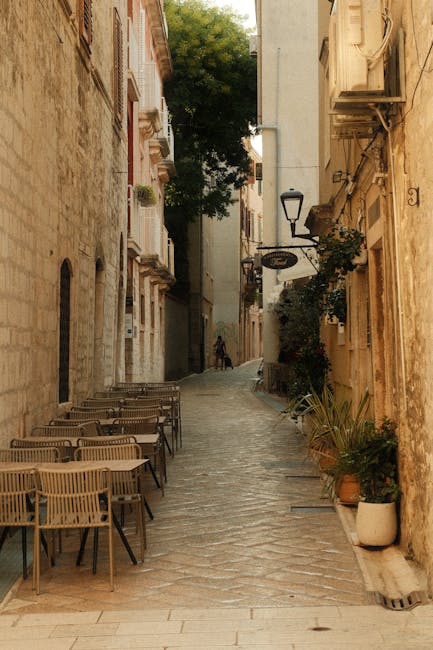
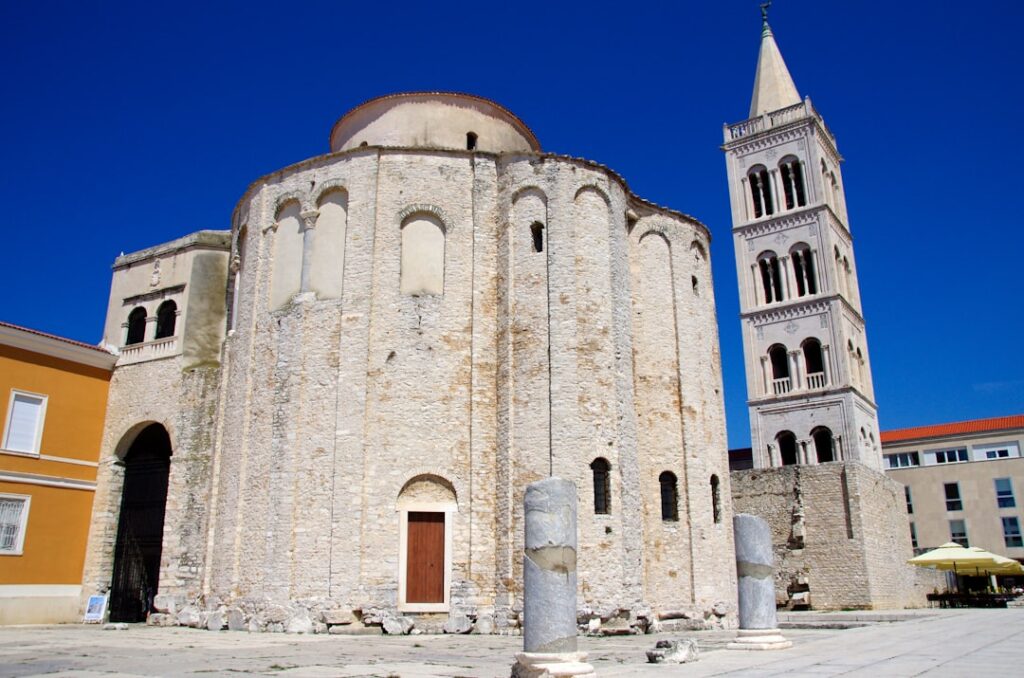
January, February and March are Zadar’s coolest months. Average temperatures usually range from 4°C to 12°C. Sunny days are common, but mornings and evenings stay chilly. The local wind called the bura can blow strongly and make it feel much colder, especially along seaside promenades like Obala kneza Branimira. In winter, focus on indoor cultural activities and sheltered strolls: museums, cozy cafés, St. Donatus Church and the Roman Forum are ideal refuges.
Practical tips:
- Clothing: dress in layers: windproof jacket, fleece and a scarf. Winds can be brisk and typically dry.
- Excursions: book indoor guided tours to make the most of museums. For example, the Museum of Ancient Glass (adresa: Trg tri bunara 2, 23000 Zadar) offers immersive exhibits; indicative price: €6 per adult; opening hours: 09:00–17:00 (seasonal).
- Food: opt for traditional restaurants for warming dishes. Restaurant Bruschetta, Address: Ul. Jurja Dalmatinca 12, 23000 Zadar, typically open 11:00–22:00; main courses €10–18.
Recommended activities:
- Visit St. Donatus Church (Trg Petra Zoranića, 23000 Zadar) — a 9th-century Byzantine masterpiece. Exterior access is free; interior guided visits are often offered by the Zadar tourist office (Trg Pet Bunara or near the Forum) for around €4–6 depending on the guide.
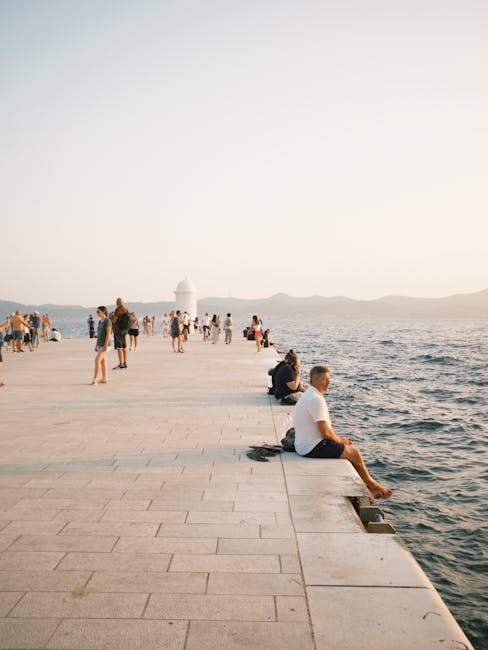
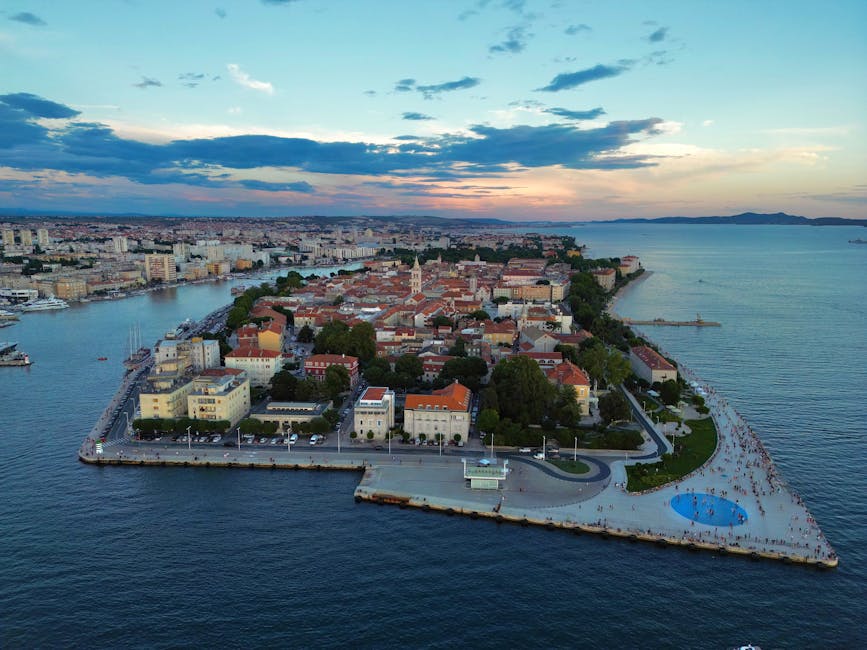
- Walk the Riva (Obala kneza Branimira, 23000 Zadar) — the sea can be rough some days, but watching waves crash against architectural features like the Sea Organ (Morske orgulje) is mesmerizing. The installation is accessible 24/7 and free.
- Covered market (Tržnica Zadar, Ulica – Trg tri bunara) — local produce, cheeses, fish; open early: 07:00–14:00. Great for picking up provisions for a future coastal outing when the weather clears.
The main benefit of traveling in the low season is the lack of crowds: spots like the Clock Tower on Narodni Trg (People’s Square) and the Roman Forum offer rare peaceful moments you won’t find in summer. Still, always check winter opening hours as some sites close earlier or offer fewer guided tours. Ferry connections to the islands (to Ugljan and Pašman) are more limited — check local ferry timetables such as Jadrolinija (office at Zadar Port, Obala kneza Branimira, 23000 Zadar); one-way fares to Ugljan run roughly €5–8 depending on season and vessel type.
Month by Month — April to June: Spring, Rising Temperatures and First Swims
April, May and June are a favorite stretch for many travelers: the sea begins to warm (around 16–22°C in June), days get longer and coastal vegetation blooms. Average temperatures climb from about 12°C in April to 24°C in June, with increased sunshine. Winds are generally milder than in winter; still, occasional bura gusts can pop up in spring.
Practical tips:
- Clothing: light daytime clothing (t-shirts, dresses) and a light jacket for evenings. Comfortable shoes for cobbled lanes and rocky shores.
- Bookings: April and May are less busy than July–August but weekends can attract locals; book accommodation and popular excursions for peak days.
- Transport: boat services and shuttles to the islands and Kornati National Park ramp up: indicative price for a day trip to the Kornati: €50–80 per person (sometimes includes crew and a simple lunch). Departures are frequent from the central port at Obala kneza Branimira.
Recommended activities:
- Swimming & beaches: Kolovare Beach (Adresa: Ulica Kraljice Jelene 2, 23000 Zadar) is a convenient option near the center; free access. For a wilder vibe, try Borik Beach (Put Bokanjca 14, 23000 Zadar) with bars and sunbed rentals: sunbed about €5–10 per day.
- Hiking: with mild temperatures, head to Paklenica National Park (Adresa: Paklenica 1, Starigrad, 23244); entry is free, though parking and guides cost extra — parking €5–8, via ferrata or guided climbs €30–60 depending on duration and gear.
- Cultural visits: explore the Archaeological Museum Zadar (Trg opatice Čike 1, 23000 Zadar); indicative fee: €4–7, opening hours 09:00–17:00 (seasonal).
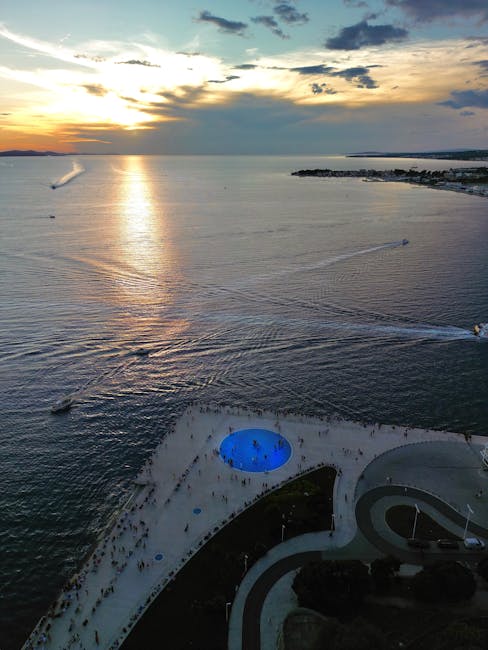
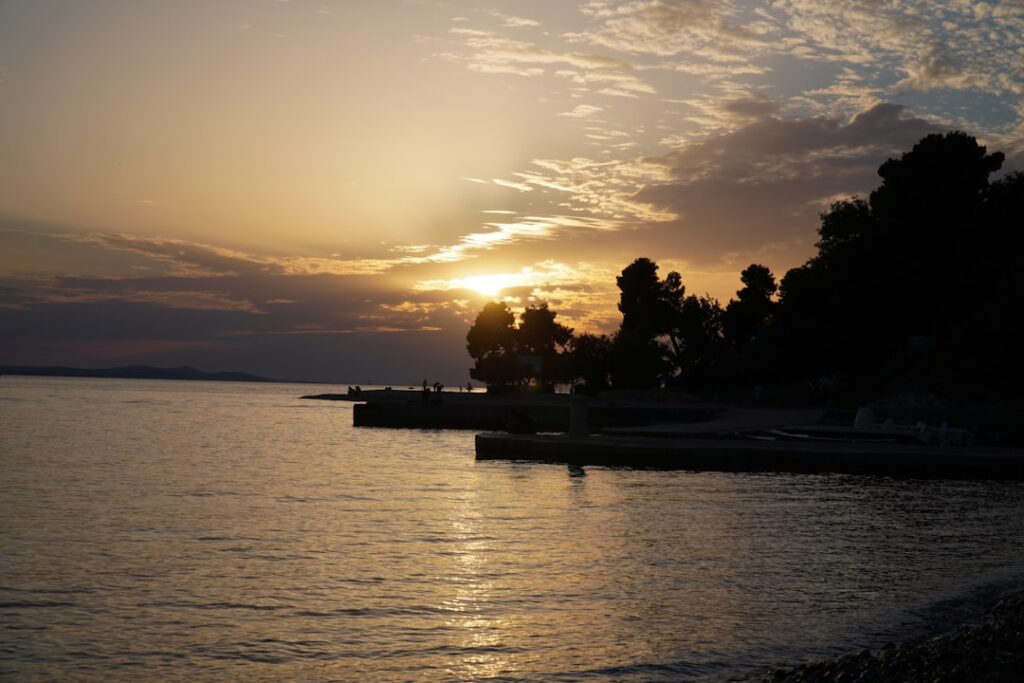
In May and June, local life picks up: markets, music festivals and food events appear. It’s a perfect time to combine an Old Town stroll (Narodni Trg, Trg tri bunara) with a boat trip to nearby islands. Sunset gatherings on the Riva — pairing the Sea Organ and Greeting to the Sun — are very popular; both are free and accessible 24/7 but the best viewing spots fill up around 20:00–21:30 in June. If you plan on water sports (kayak, paddleboard), rental shops in Borik and the port offer gear: rates €10–25 per hour depending on type.
Month by Month — July and August: High Season, Heat and Maritime Activities
July and August are Zadar’s peak tourist months. Daytime highs can reach 30–35°C, the sea is at its warmest (23–26°C), and sunshine is abundant. These months are perfect for swimming, diving and watersports — but expect crowds on the Riva, beaches and ferries to the islands.
Practical tips:
- Clothing: very light clothing, hat, sunglasses and high-protection sunscreen (SPF 30+). Stay well hydrated and schedule physical activities for early morning or late afternoon to avoid the midday heat.
- Accommodation: book far in advance — central hotels like Falkensteiner Club Funimation Borik (Adresa: Put Bokanjca 1, 23000 Zadar) often range €100–250 per night in high season depending on board basis. Private apartments vary widely; budget around €70–150 per night for a central place.
- Transport: check ferry timetables early; connections to Pag and the Kornati add extra boats but still fill up fast. One-way fare to Pag island: around €6–12.
Recommended activities:
- Boat trips: Kornati island tours or snorkeling days depart from Obala kneza Branimira. Prices €50–90 depending on duration; sometimes include meals and snorkeling gear.
- Nightlife: the Riva and harbor area come alive with bars and concerts. The Forum Zadar and Narodni Trg host cultural evening events; check the local calendar (Zadar Tourist Board, Trg Petra Zoranića 3) — outdoor concerts are often free.
- Watersports: dive schools and centers (e.g. Scuba Diving Zadar, Obala kneza Branimira 16); introductory dives €60–90 depending on depth and duration.
During these months, popular excursions should be booked ahead and queues at top attractions (Museum of Ancient Glass, St. Donatus, St. Anastasia Cathedral) can grow. Remember that strong sunlight makes early morning and late golden-hour photo sessions the best times to capture the warm light over the Old Town and the sea.
Month by Month — September to December: Mild Days, Harvests and Changing Atmosphere
September and October offer warm, pleasant days (20–27°C in September, 12–20°C in October) with the sea still fine for swimming in September (21–24°C). November and December move toward winter: cooler temperatures (around 6–12°C in December), shorter days and more rain. These months provide a major advantage: fewer crowds and an authentic atmosphere, great for slow walks, urban photography and tasting local cuisine.
Practical tips:
- Clothing: in September–October opt for a light jacket; for November–December bring a warm, waterproof jacket and thermal layers. Even warm days can turn into cool evenings.
- Events: September features grape harvests and food festivals — look for local wine tastings (€10–25 depending on the tasting). In December, Christmas markets enliven the Old Town with food stalls and crafts; entry is usually free but budget a few dozen euros for tastings.
- Transport: ferry frequency drops from October onward; check schedules before planning island trips.
Recommended activities:
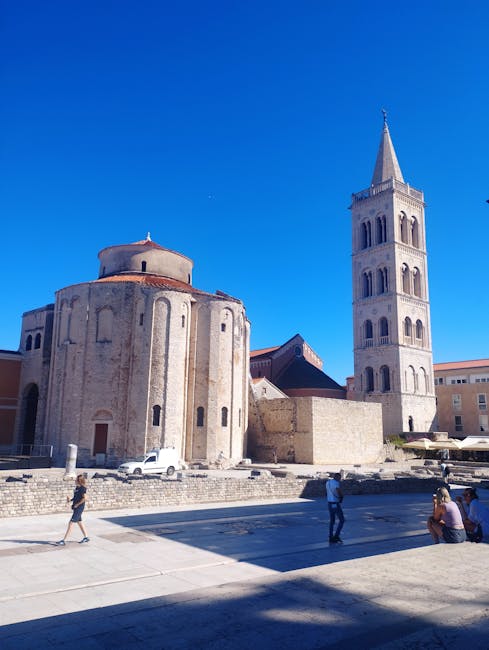
- Photography & architecture: autumn light highlights St. Anastasia Cathedral (Trg Svete Stošije 1, 23000 Zadar). Bell tower access: around €3–6; opening hours vary but generally 09:00–17:00.
- Coastal hikes: coastal paths toward Diklo and north of Zadar are quieter and offer stunning sea views. Bring water and hiking shoes.
- Food tours: seafood and olive oil tastings in local restaurants — tasting menus around €25–45 per person depending on the venue. Example: Restaurant Pet Bunara, Address: Trg Tri Bunara 5, 23000 Zadar; main courses €12–20.
In short, September–October are excellent for combining beach time and hiking without the summer crowds, while November–December suit quieter trips focused on culture, food and city exploration. Expect more rain as winter approaches — perfect days for long museum visits or enjoying Dalmatian cafés and pastries.
Local Tips and Practical Addresses to Plan Your Excursions
To keep your day trips running smoothly and weather-appropriate, here’s a handy list of addresses, opening hours and prices, plus detailed local tips.
- Zadar Tourist Board — Trg Petra Zoranića 3, 23000 Zadar. Hours: 08:00–20:00 in summer, 09:00–17:00 off-season. Services: maps, excursion bookings, weather and transport info. Info is free; some services carry fees depending on request.
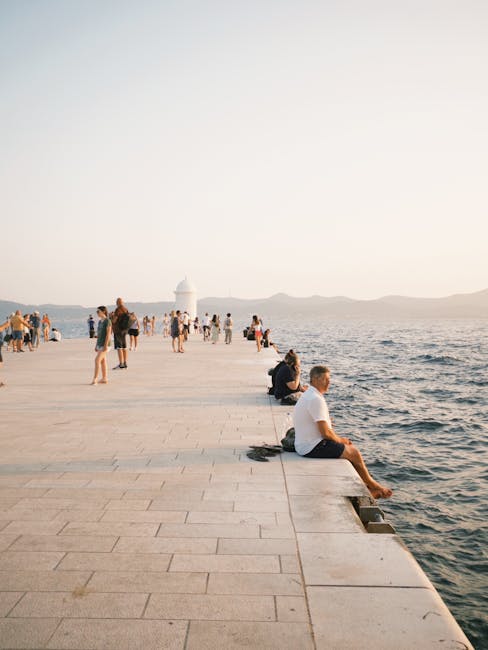
- Sea Organ (Morske orgulje) — Obala kneza Branimira, 23000 Zadar. Access: 24/7, free. Prime spot for sunset views. Tip: avoid very windy days for a softer sound.
- Greeting to the Sun (Pozdrav Suncu) — Riva, Obala kneza Branimira, 23000 Zadar. Solar light installation, free, illuminated at night. Photo tip: arrive 30 minutes before sunset for optimal light.
- Ferry & Boat Services — Jadrolinija — Central port, Obala kneza Branimira, 23000 Zadar. Schedules vary by season; tickets at the port. Prices: trips to nearby islands €5–20 depending on destination and season. Tip: buy return tickets for busy weekends.
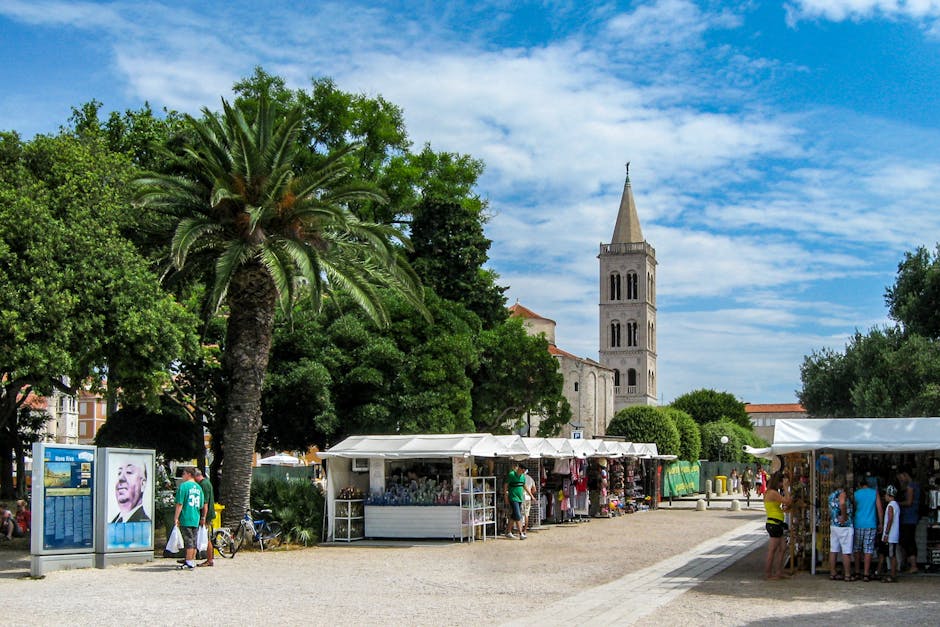
- Market (Tržnica Zadar) — Trg tri bunara, 23000 Zadar. Hours: 07:00–14:00. Goods: fresh fish, fruit, vegetables, cheeses. Local tip: buy fish early in the morning for a plancha-cooked meal that same day.
- Paklenica National Park — Paklenica 1, Starigrad, 23244. Reception hours: 08:00–18:00 in season; guides and parking are paid: parking €5–10, guided activities €30–60.
Other local advice: to avoid crowds at Kolovare beach, arrive early (before 10:00) or late afternoon. If you’re worried about the bura, plan indoor activities on forecasted windy days — the Museum of Ancient Glass and St. Donatus Church are perfect options. Finally, chat with market vendors: many happily share weather tips and local fishing advice, which can inspire an impromptu culinary outing.
Conclusion: Adapt Your Plans to the Weather to Fully Enjoy Zadar
Zadar offers a wealth of experiences year-round, but the weather strongly influences how you’ll enjoy them. From January to March, emphasize culture, museums and sheltered walks; from April to June, take advantage of early swims and boat trips; July and August require careful planning because of heat and crowds — book ahead and favor morning or evening activities; September to December strike a balance between pleasant weather (especially September–October) and a calmer vibe that’s great for authentic discoveries.
Smart planning means: check local forecasts, book ahead for high-season excursions, adapt your wardrobe (layers in spring and autumn, warm layers in winter, light clothes in summer) and choose activities based on wind and temperature. Use local resources: Zadar Tourist Board (Trg Petra Zoranića 3) for hours and bookings, ferry operators at the port (Obala kneza Branimira) for island connections, and the national park offices (Paklenica, Kornati) for trail conditions and boat-trip info.
Finally, leave room for the unexpected — some of Zadar’s best moments happen when you stay flexible: a spare Sunday turning into a village celebration, a windy day revealing the raw power of the Sea Organ, or an autumn evening when the Old Town feels quietly magical. Combining weather knowledge with local tips — exact addresses, hours and practical prices listed in this guide — will maximize your chances of a memorable, comfortable and discovery-filled stay.